Key Takeaways
-
Upper front teeth should slightly overlap lower front teeth, with upper teeth sitting just outside the lower ones, while back teeth meet comfortably and steadily for chewing.
-
At rest, teeth should not be pressed together; lips should be closed and teeth slightly apart. Teeth only meet when you bite, chew, or swallow, so check for daytime clenching.
-
A healthy bite is judged by function, not appearance: a straight-looking smile can still have back-tooth problems, so a professional bite check is needed.
-
Watch for deep bite (lower front teeth nearly hidden), big overjet (upper front teeth protruding), and front-tooth wear or lip strain, which can appear in kids and adults alike.
-
Don't dismiss crossbites, underbites, or open bites as 'just how my teeth are'; early evaluation helps identify whether the cause is tooth position or jaw growth.
-
Schedule an orthodontic evaluation around age 7 for children, and seek an exam at any age if jaw soreness, chewing trouble, or shifting teeth appear.
Have you ever bitten down and wondered, “Is this how my teeth are supposed to feel?” You’re not alone! Most of us never think about our bite until something feels off. Maybe a tooth looks a bit crooked in photos, or your jaw gets tired after a big meal. Then the big question pops up: how should upper and lower teeth fit together?
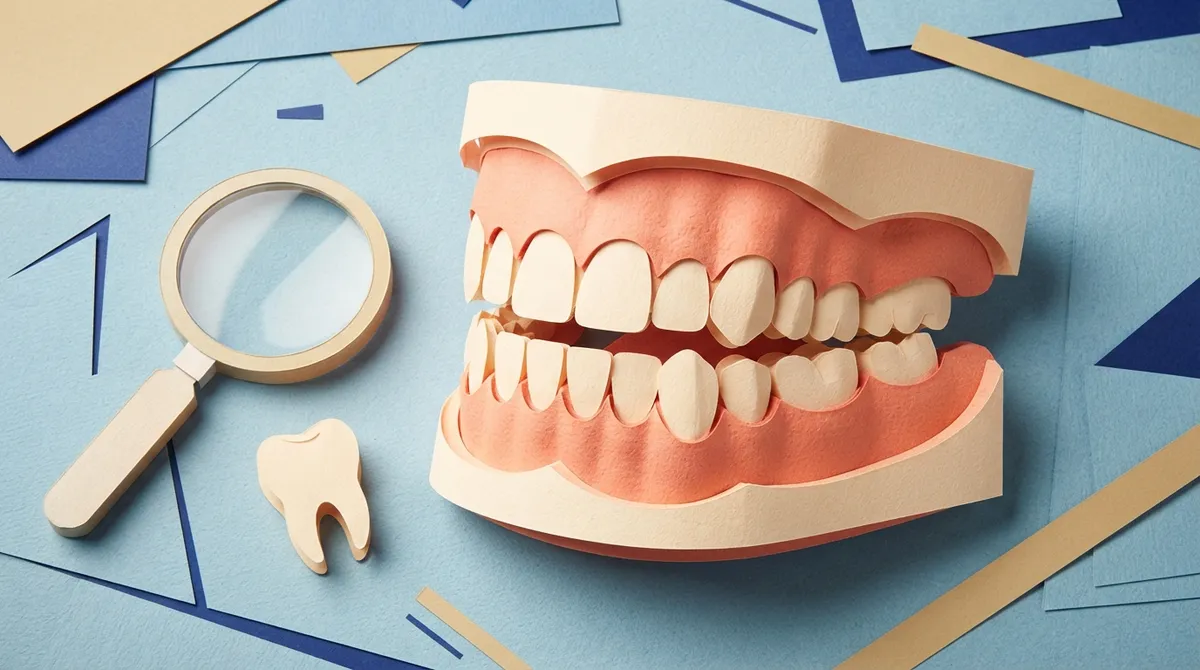
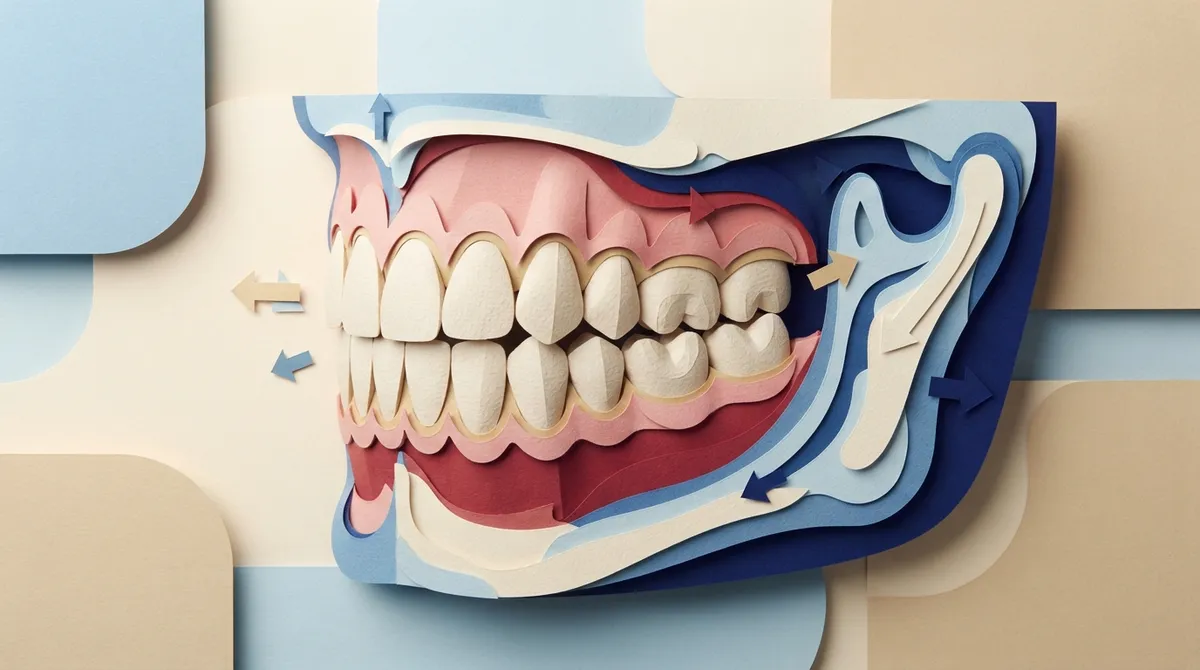
Here’s the short answer. When you bite down, your upper front teeth should slightly overlap your lower front teeth. Your upper teeth should sit just a little outside the lower ones. Your back teeth should meet in a comfortable, stable way. Orthodontists call this occlusion, and when the fit is off, it’s called malocclusion.
The tricky part? Many people make simple mistakes when judging their own bite. They trust a mirror, a photo, or a guess. In this friendly guide, we’ll walk through seven common bite mistakes, explain what a healthy fit really looks like, and show you when to ask an expert for a closer look. Let’s get started!
What Does a Healthy Bite Actually Look Like?
Before we dive into the mistakes, let’s paint a clear picture of the goal. A healthy bite is about how your teeth and jaws work together, not just how they look.
In a typical, healthy bite:
- The upper front teeth overlap the lower front teeth slightly.
- The upper teeth sit a little outside (in front of) the lower teeth.
- The back teeth meet comfortably and steadily for chewing.
- Your jaw opens and closes smoothly without pain or clicking.
Think of it like a zipper. Each tooth has a spot where it fits with its partner on the other arch. When the pieces line up, the whole system works with less stress.
Occlusion vs. Malocclusion in Plain English
Occlusion is just the way your upper and lower teeth meet when you bite. Malocclusion means they don’t meet the way they should. Some bite differences are small and cause no trouble. Others can affect chewing, speech, or how your teeth wear over time. An orthodontic exam can tell the difference.
A Quick Look at Common Bite Terms
| Bite Term | What It Means | What You Might Notice |
|---|---|---|
| Overbite (deep bite) | Upper front teeth cover too much of the lower front teeth | Lower teeth hidden when you bite |
| Overjet | Upper front teeth stick out too far forward | A big gap between upper and lower front teeth |
| Underbite | Lower teeth sit in front of the upper teeth | Lower jaw looks more forward |
| Crossbite | One or more upper teeth sit inside the lower teeth | Teeth that bite “backward” |
| Open bite | Some teeth don’t touch when the jaws close | A visible gap when you bite down |
Mistake 1: Confusing Resting Position With Biting
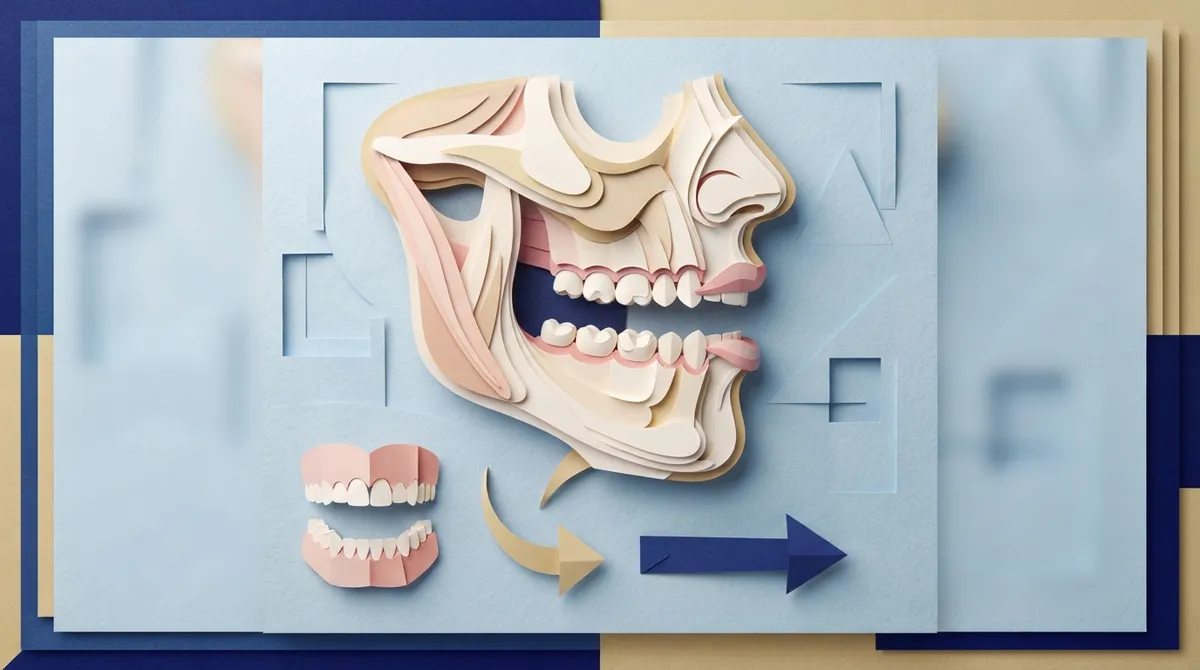
Here’s a surprise that trips up many people. Your teeth are not supposed to be pressed together all day long. At rest, your lips should feel relaxed, your jaw should feel loose, and your teeth should generally not touch.
Biting down is different. That’s when your teeth come together on purpose to chew or swallow. If your teeth are clenched or tightly pressed during the day, that’s worth mentioning to your orthodontist or dentist. It can point to stress, habits, or a bite that isn’t resting comfortably.
Quick tip: Check in with yourself a few times today. Are your lips closed and your teeth slightly apart? That’s a happy, relaxed jaw!
Mistake 2: Judging Your Bite by Looks Alone
A straight smile in the mirror feels great, but a healthy bite is more than appearance. Teeth can look neat from the front and still meet in a way that causes trouble in the back. On the flip side, a slightly crooked tooth might not hurt how you chew at all.
Orthodontists look at how your teeth and jaws fit and function. That includes biting, chewing, and even speaking. This is why a professional exam matters. It checks things you simply can’t see in a selfie.
If you’re curious how an expert looks beyond the surface, our guide on why your bite needs an orthodontist’s attention explains it in a friendly way.
Mistake 3: Ignoring Signs of a Deep Bite or Big Overjet
Some bite problems hide in plain sight. A deep bite means your upper front teeth cover too much of your lower front teeth. Overjet means your upper front teeth stick out too far forward. Both can sneak up on you.
Look out for signs like:
- Lower front teeth that almost disappear when you bite
- Upper front teeth that stick out noticeably
- Worn or chipped front teeth
- Lips that have trouble closing comfortably
Many families notice these in kids first, but adults can have them too. If this sounds familiar, you may enjoy reading how braces fix a deep overbite to see what treatment can look like.
Mistake 4: Brushing Off Crossbites and Underbites
A crossbite happens when one or more upper teeth sit inside the lower teeth instead of outside. An underbite is when the lower front teeth sit in front of the upper ones. People sometimes shrug these off as “just how my teeth are.”
But bite problems can involve tooth position, jaw growth, or both. That’s why it helps to find out the cause early, especially in growing kids. Spotting a crossbite as a child can make treatment simpler.
Want to learn more? Take a peek at what crossbite treatment is and whether you really need it.
Mistake 5: Missing an Open Bite
An open bite means some teeth don’t touch when your jaws close. You might notice a small gap between the upper and lower front teeth, even when you’re biting down fully.
It can make biting into certain foods tricky, like a sandwich or a slice of pizza. Some people also notice changes in how they say certain sounds. Not every gap means trouble, but it’s worth having checked.
If you suspect this one, our article on signs you need an orthodontist for an open bite is a helpful next read.
Mistake 6: Overlooking Crowding and Spacing
Crowding and spacing don’t always get labeled as “bite problems,” but they can change how your teeth fit together. Crowded teeth overlap and twist. Spaced teeth leave gaps. Either one can affect how your upper and lower teeth meet.
Crowding can also make cleaning harder, since brushing and flossing don’t reach every surface easily. That’s a good reason to take it seriously, even if the bite feels okay.
Here’s a simple way to think about the common causes of misalignment:
- Jaw size: The jaw may be too small or too big for the teeth.
- Early baby tooth loss: Neighboring teeth may drift into the gap.
- Habits: Thumb sucking or tongue thrusting can push teeth out of place.
- Genetics: Bite patterns often run in families.
To dig deeper, read why dental misalignment happens and what helps.
Mistake 7: Waiting Too Long to Get a Professional Evaluation
This might be the biggest mistake of all. Many people wait until a bite problem feels painful or looks dramatic. But an early check can save time, stress, and sometimes money.
For kids, an orthodontic evaluation around age 7 is a smart move. That’s when a mix of baby and adult teeth lets an orthodontist spot growth patterns early. You can learn more in when your child should first see an orthodontist.
Adults aren’t left out, either! Whether you never had braces or you’re dealing with shifted teeth after past treatment, it’s never too late to ask questions. Many adult professionals are surprised by how discreet modern options can be.
How Do Orthodontists Check Your Bite?
Wondering what actually happens during a bite check? It’s friendlier than you might expect! An orthodontist looks at how your teeth meet, how your jaw moves, and how your teeth are positioned.
- A visual exam: The orthodontist looks at your teeth, gums, and jaw alignment.
- A bite check: You’ll gently bite down so the orthodontist can see how your upper and lower teeth meet.
- Records or imaging: When appropriate, photos, digital scans, or X-rays give a deeper view of teeth and jaws.
- A conversation: You share your concerns, goals, and any symptoms like jaw soreness or chewing trouble.
- A personalized plan: If treatment makes sense, you’ll talk through the options that fit your needs.
Curious about the visit itself? Our walkthrough of what to expect at the orthodontist covers each step.
Can Braces or Clear Aligners Fix How Your Teeth Fit Together?
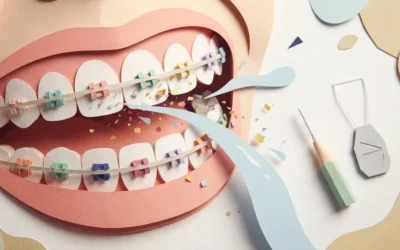
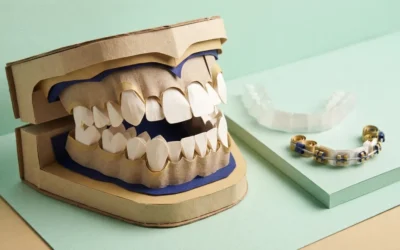
Great news: yes, often they can! Braces and clear aligners are among the common ways orthodontists improve how upper and lower teeth fit. The best choice depends on the cause and how complex your bite is.
| Option | Good to Know |
|---|---|
| Metal braces | A reliable choice for many bite types, including more complex cases |
| Ceramic (clear) braces | Tooth-colored brackets for a more discreet look |
| Spark™ Clear Aligners | Nearly invisible, removable trays that suit many mild to moderate cases |
Treatment is always individualized. Some cases involve tooth movement only, while others involve jaw growth. That’s why a personal evaluation matters so much.
If you’re weighing your options, braces vs. clear aligners: which Clearwater choice wins can help you compare.
Why a Healthy Bite Matters Beyond Your Smile
A well-fitting bite supports more than good looks. When your teeth meet in a stable way, chewing tends to feel easier and wear is spread out more evenly. A poor fit may contribute to uneven tooth wear, chewing trouble, or speech differences for some people.
It also ties into long-term oral health. Teeth that are easier to clean are easier to keep healthy. And let’s be honest: when your smile feels good, you feel more confident. Whether it’s a graduation photo, a big work presentation, or just a family dinner, that confidence shows.
It’s also worth noting that bites can change. Teeth can shift over time, especially without a retainer after braces. If you’ve had treatment before and things feel different, you may want to read about orthodontic relapse warning signs.
Care for Every Age at Brockway Orthodontics
At Brockway Orthodontics, Dr. Brockway takes the time to listen to your concerns and explain your bite in friendly, easy-to-understand terms. From kids and teens to busy adults, the practice offers metal braces, ceramic braces, and Spark™ Clear Aligners, along with modern tools like digital impressions and 3D imaging for comfortable, precise planning.
Curious what other patients think? You can visit our Brockway Orthodontics location on Google to read reviews and see the Clearwater office. For general oral health guidance, the American Dental Association is another trusted resource, and the Florida Association of Orthodontists shares helpful information about finding qualified orthodontic care in our state.
Your Next Step Toward a Better-Fitting Smile
So, how should upper and lower teeth fit together? Your upper front teeth should gently overlap the lower ones, your upper teeth should sit slightly outside the lower teeth, and your back teeth should meet comfortably. If anything about your bite feels, looks, or functions differently, it’s worth a conversation with an expert.
You don’t have to guess or worry alone. A quick evaluation can give you clear answers and a plan that fits your life. Ready to find out how your bite measures up? Book your free consultation online or contact our friendly team with any questions. We can’t wait to meet you!
FAQs
Q: How should upper and lower teeth fit together when you bite?
A: Your upper front teeth should slightly overlap your lower front teeth, and your upper teeth should sit a little outside the lower ones. Your back teeth should meet comfortably and steadily for chewing. If your bite feels or looks different, an orthodontist can take a closer look!
Q: Should your teeth touch when your mouth is at rest?
A: Generally, no! At rest, your lips should feel relaxed and your teeth should not be clenched or pressed together. Your teeth only come together when you bite, chew, or swallow. If you notice yourself clenching often, mention it at your next visit.
Q: What is the difference between an overbite and an overjet?
A: An overbite is about vertical overlap, meaning how much the upper front teeth cover the lower front teeth. Overjet is about horizontal distance, meaning how far the upper front teeth stick out forward. Both are common and can often be improved with orthodontic treatment.
Q: Can braces or clear aligners correct the way my teeth fit together?
A: Yes, in many cases they can! Braces and clear aligners are common options for improving bite alignment, depending on the cause and how complex your case is. A personal evaluation will show which option fits you best.
Q: When should a child have an orthodontic evaluation for a bite problem?
A: An evaluation around age 7 is a great starting point, since baby and adult teeth are both present and growth patterns are easier to see. Catching bite concerns early can make treatment simpler. Of course, it’s never too late to ask questions at any age!
Our Service Area