Key Takeaways
-
A tight retainer, a rotated tooth, a reopening gap, or a bite that feels different are early relapse clues; catching them early usually means a simpler fix.
-
Never force a retainer that will not seat fully. Take it out, store it safely in its case, and book an assessment with your orthodontist.
-
Fixed retainers can fail without obvious warning, and a loose or detached wire can let teeth move unnoticed, so call your orthodontist promptly if one feels loose.
-
Compare a recent smile photo with one taken when treatment ended, since side-by-side photos often reveal shifts that a mirror check misses.
-
Inconsistent retainer wear is the biggest preventable cause of relapse, so follow your orthodontist's wear schedule and replace damaged retainers quickly.
-
Retainers hold teeth in place but generally cannot move substantially shifted teeth back, so significant movement may require braces or aligners.
You spent months, maybe years, working toward a straight smile. You celebrated the day your braces came off or your last aligner tray went in the recycling bin. So when you notice something feels a little different, it is easy to brush it off. But your teeth are always ready to move, and catching small changes early can make a big difference.
Learning the orthodontic relapse warning signs helps you act before a small shift becomes a bigger problem. Maybe your retainer feels tight. Maybe a front tooth looks a bit crooked in your latest selfie. These little clues matter, and noticing them does not mean you did anything wrong. Teeth can drift for lots of reasons, even when you follow the plan.
In this friendly guide, we will walk through what relapse is, the signs to watch for, what to do when you spot them, and how to protect your smile in 2026 and beyond. Whether you are a parent watching your teen’s retainer habits, a young adult heading into a big life event, or an adult who finished treatment years ago, this guide is for you.
What Is Orthodontic Relapse?
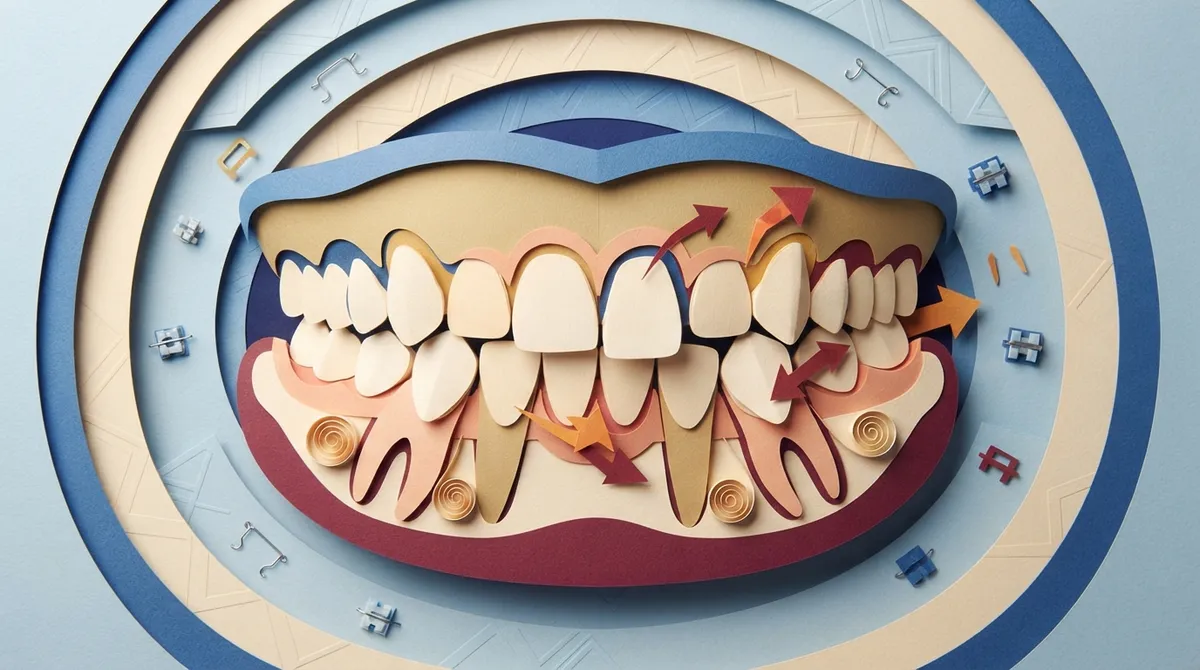
Orthodontic relapse is when teeth move away from the positions they were in right after active treatment. Sometimes teeth drift back toward where they started. Other times they simply shift in new directions as we age.
Think of your teeth like a hedge that has been trimmed into a neat shape. Without regular upkeep, it slowly grows back out. Your teeth sit in bone and gum tissue that needs time to settle around their new homes. A retainer helps hold things steady while that happens.
Relapse is often slow and subtle. You may not notice it day to day. That is why knowing what to look for is so helpful.
Orthodontic Relapse Warning Signs to Watch For
Relapse rarely announces itself with a big change. It tends to sneak in through small details. Here are the most common clues.
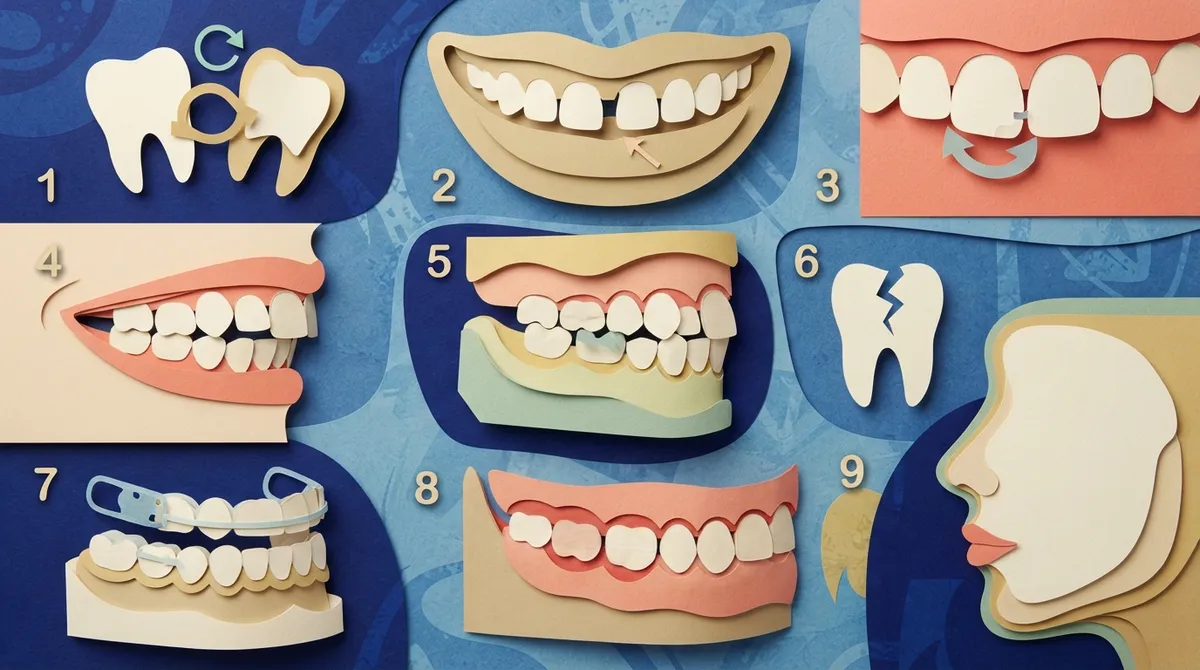
1. Renewed Crowding or Overlapping
If teeth that used to sit neatly side by side now look bunched up or overlapped, that is a classic sign. The lower front teeth are common spots to notice this first.
2. A Tooth That Is Rotating
Look closely at your front teeth. Does one look turned or twisted compared to how it looked right after treatment? Rotation is an easy one to spot in photos.
3. Gaps Reopening
Spaces that were closed during treatment can start to open again. A new gap between your front teeth is a sign worth mentioning at your next visit.
4. A Shift in Your Dental Midline
Your dental midline is the line between your two upper front teeth, and it lines up with the one between your lower front teeth. If that line looks off-center or out of sync, your teeth may have moved.
5. A Bite That Feels Different
Sometimes the first clue is not visual at all. Maybe your back teeth do not meet the way they used to. Maybe biting into a sandwich feels a little odd. A changed bite feeling is worth taking seriously.
6. A Retainer That Feels Tight
This one surprises many people. If your retainer suddenly feels snug or takes effort to put in, your teeth may have shifted slightly. A tight retainer does not always mean movement, but it is a good reason to check in.
7. A Retainer That Will Not Seat Fully
If your retainer does not click all the way into place, or it no longer fits at all, that can signal tooth movement. Do not force it. More on that below.
8. Changes When You Floss
Floss that suddenly catches, shreds, or slides differently between certain teeth may mean the contact points have changed.
9. Differences in Photos
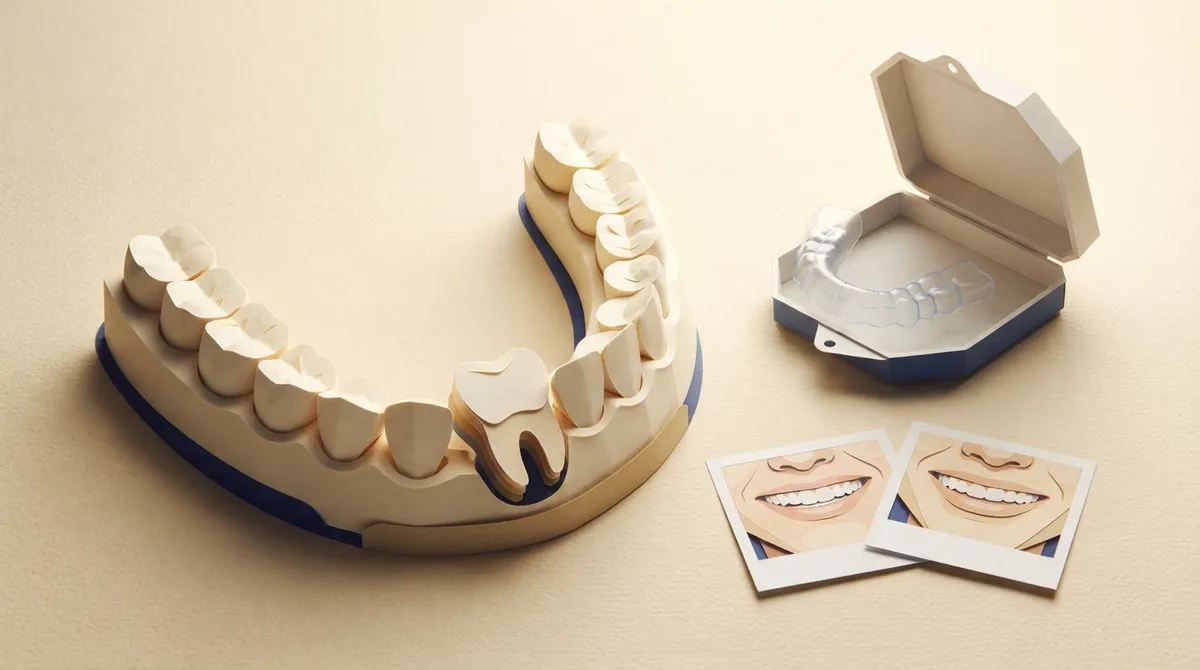
Pull up a photo from the day your braces came off or your aligners finished. Compare it to a recent one. Side-by-side photos can reveal changes your mirror does not.
Quick Reference: Signs and What They May Mean
| What You Notice | What It May Suggest | Suggested Next Step |
|---|---|---|
| Retainer feels tight | Possible small tooth movement | Call your orthodontist; do not force it |
| Retainer will not seat | Teeth may have shifted more | Stop wearing it and book an evaluation |
| Crowding or overlap | Relapse in tooth position | Schedule an assessment |
| Gaps reopening | Spacing relapse | Schedule an assessment |
| Bite feels different | Change in how teeth meet | Get a bite check soon |
| Fixed retainer loose or broken | Retainer failure, risk of movement | Call right away for repair |
Can Teeth Really Shift Years After Treatment?
Yes, they can. Teeth do not stop being able to move just because treatment ended. Some movement is simply part of life. The tissues around your teeth change as you age, and everyday forces from chewing, swallowing, and even your tongue can nudge teeth over time.
That is why many orthodontists recommend long-term retainer wear. As one example, York Hospitals NHS guidance suggests wearing retainers nightly for a year, then on alternate nights long term, and notes that minor movement can still happen even with retainers. Your own schedule should always follow the instructions from your treating orthodontist, because every smile is different.
If you want to explore why this happens in more detail, our article on why teeth shift with age is a helpful next read.
Why Does Relapse Happen?
There is rarely a single cause. Several things can team up to move teeth.
- Inconsistent retainer wear. This is a big, preventable contributor. Retainers hold teeth steady while the bone and gums adapt.
- Natural aging changes. Teeth can drift forward and crowd over the years, even in people who never had braces.
- Habits. Tongue thrusting, nail biting, or clenching and grinding can add pressure.
- Retainer damage. A broken, warped, or detached retainer cannot do its job.
- Gum health changes. Healthy gums and bone support stable teeth.
Fixed Retainers Can Fail Too
Many people assume a bonded wire behind the teeth is a forever fix. It is a great tool, but it is not foolproof. A 2021 systematic review and meta-analysis of clinical studies reported fixed retainer failure rates ranging from 7.3% to 50% across the included studies. The studies varied a lot, so that range is not a prediction for any one person.
The same review found that failures happened most often in the first 3 to 6 months of retention, and they were more common in the upper jaw than the lower jaw in the evidence reviewed.
The takeaway is simple. If your fixed retainer feels loose, has a rough edge, or looks detached, do not wait. A loose wire can let teeth move without you noticing. We cover that situation in our guide on what to do if your retainer breaks.
What To Do If You Spot a Warning Sign
Staying calm and taking small, smart steps is the best approach. Here is a simple plan.
- Stop and check. Look at your teeth in good light. Compare them to an older photo from the end of your treatment.
- Do not force your retainer. If it feels very tight, hurts, or will not seat, take it out and leave it alone. Forcing it can damage the appliance and put pressure on your teeth.
- Keep the retainer safe. Store it in its case. Your orthodontist may want to see it.
- Write down what you notice. Note when it started and any changes in your bite or flossing.
- Book an assessment. Only a professional can tell you the cause and how much movement has happened.
You can read more about why this matters in our post on why a retainer suddenly feels tight.
Does a Tight Retainer Always Mean Relapse?
Not always. A retainer can feel snug if you skipped a few nights, if it has warped, or if your teeth are slightly sore. Sometimes it is nothing at all. Still, a retainer that feels different is a useful early signal. It is much easier to address a small shift than a large one, so a quick check is worth it.
Will Relapse Always Need Retreatment?
No, and that is good news. Minor movement does not always require new orthodontic treatment. After an exam, your orthodontist may suggest one of these paths.
- Monitoring. If the change is tiny and stable, you may just keep an eye on it.
- A replacement or adjusted retainer. A fresh, well-fitting retainer can hold things in place.
- Additional orthodontic treatment. If teeth have moved more, braces or clear aligners may be the right fix.
One important note: retainers are made to hold teeth, not to reliably move substantially shifted teeth back. If your teeth have moved a lot, a retainer alone is not the answer, and that is perfectly okay. There are great options. Many adults who come to us for retreatment choose clear aligners, and our Spark™ Clear Aligners are a more affordable alternative to Invisalign. Others prefer metal or ceramic braces, depending on their goals and lifestyle.
How To Prevent Your Teeth From Shifting
You cannot stop every bit of natural change, but you can do a lot to protect your results. Here are the habits that matter most.
- Wear your retainer as directed. Consistency beats perfection, but skipping often invites movement.
- Replace damaged retainers fast. Do not keep wearing a cracked or warped one.
- Keep up with checkups. Retention visits help catch small problems early.
- Protect your gums. Brush, floss, and see your dentist regularly.
- Address habits. Talk to your orthodontist about clenching, grinding, or tongue thrusting.
- Take progress photos. A quick smile photo every few months makes changes easy to spot.
For a closer look at long-term wear, see our guide on how to stop teeth shifting after orthodontic treatment, or learn the basics on our retainers page.
Warning Signs by Age and Life Stage
Different people notice relapse in different ways. Here is what tends to come up most.
Parents of Kids and Teens
If your teen finished treatment, retainer habits are the biggest factor. Teens lose retainers, leave them in lunch trays, or skip wear on busy school nights. Keep an eye out for a retainer that no longer fits and check in often. Our tips on helping teens keep track of retainers can make this easier.
Teens and Young Adults
Graduations, proms, and new jobs make smiles feel extra important. If you notice a tooth sliding out of line before a big event, reach out sooner rather than later. A quick visit may be all you need.
Adult Professionals and Retreatment Patients
Many adults finished braces in their teens and never kept up with retainers. If your lower teeth look more crowded than they used to, you are far from alone. Discreet options can fit a busy schedule. Learn more about our adult treatment options, or read about adult retreatment options for a shifted smile.
What Happens at a Relapse Evaluation?
Knowing what to expect can ease any worry. At an evaluation, your orthodontist will look at how your teeth sit, check how they come together, and look at your retainer. They may also review your treatment history and take records or scans to compare with your results.
At Brockway Orthodontics, Dr. Brockway takes the time to listen to your concerns and explain your options in plain, friendly language. We use modern tools like digital impressions and 3D imaging, so there are no messy molds. In some cases, we can even offer same-day treatments to keep things simple for busy schedules. You can learn more about meeting Dr. Brockway or what to expect at your first visit.
A Gentle Reminder About Doing It Yourself
It can be tempting to fix a shifted tooth at home. Resist that urge. Pressing on teeth, forcing a tight retainer, or using unsupervised products can harm your teeth, gums, and bone. The safest move is a professional look first. If you want a friendly breakdown of the risks, read our comparison of at-home aligners versus professional orthodontics.
Final Thoughts: Small Signs, Big Payoff
Spotting orthodontic relapse warning signs early is one of the kindest things you can do for your smile. A tight retainer, a tiny gap, or a bite that feels a bit off is simply your mouth giving you a heads-up. The sooner you listen, the simpler the fix tends to be.
You worked hard for your smile, and we would love to help you keep it. If you have noticed any changes, you can book an appointment online or contact us to talk with our friendly team. You can also see what our patients say when you visit Brockway Orthodontics on Google. For broader guidance on oral health, the American Dental Association offers trusted resources, and the Florida Association of Orthodontists shares helpful information about orthodontic care in our state.
FAQs
Q: What are the first signs of orthodontic relapse?
A: The earliest clues are often small. You might notice a retainer that feels tight, a slightly rotated tooth, or floss that catches in a new spot. If something feels or looks different, a quick check with your orthodontist is a smart move.
Q: Should I force my retainer if it no longer fits?
A: No, please do not. Forcing a retainer that will not seat can damage it and put pressure on your teeth. Take it out, keep it safe, and call your orthodontist for advice.
Q: Can a retainer fix teeth that have already shifted?
A: Retainers are meant to hold teeth in place, not to reliably move teeth that have shifted a lot. For small changes, a new or adjusted retainer may help. If teeth have moved more, your orthodontist may suggest braces or clear aligners.
Q: What should I do if my fixed retainer feels loose or is broken?
A: Call your orthodontist right away. A loose or detached wire can let your teeth move without you noticing. A quick repair can help protect all the progress you made.
Q: When should I see an orthodontist about teeth shifting?
A: See your orthodontist as soon as you notice crowding, new gaps, a bite that feels different, or a retainer that does not fit well. Catching changes early often means a simpler and faster fix.
Our Service Area