Key Takeaways
-
Teeth can shift within days if a bonded retainer breaks or comes loose, so call your orthodontist immediately rather than waiting for scheduled appointments to prevent rapid relapse.
-
Daily flossing with a threader or water flosser is essential around bonded wires to prevent plaque buildup that causes cavities and gum irritation, the most common complaint from patients.
-
Permanent metal retainers significantly outperform removable options, showing only 0.2mm mean relapse versus 1.0mm with Hawley and 0.8mm with Essix retainers according to 2024 research.
-
Avoid hard, sticky, and crunchy foods like ice, caramel, and whole carrots, as they can bend or dislodge the wire and require emergency repairs.
-
Attend orthodontic checkups at least once or twice yearly, as bonded wires can loosen gradually without visible signs, and roughly 70% of total relapse occurs within the first two years.
-
Choose a bonded retainer based on professional guidance, as not all patients benefit equally; it's ideal for those prone to relapse, teens with shifting teeth, or patients who forget removable retainers.
So you just finished braces (congrats, that’s huge!) or maybe you’re getting ready to start your retention phase. Either way, if your orthodontist mentioned a permanent metal retainer, you probably have questions. That’s totally normal, and honestly, it’s smart to ask before you dive in. A permanent metal retainer can be a wonderful tool to protect your new smile, but only if you avoid a few common pitfalls along the way.
Here at Brockway Orthodontics in Clearwater, we see patients of all ages who want to keep their smile straight for good. Whether you’re a parent helping your teen through this process, an adult who just finished treatment, or someone dealing with relapse from years ago, this guide will walk you through the mistakes to avoid so your fixed retainer works as hard as it should. Let’s get into it!
What Exactly Is a Permanent Metal Retainer?
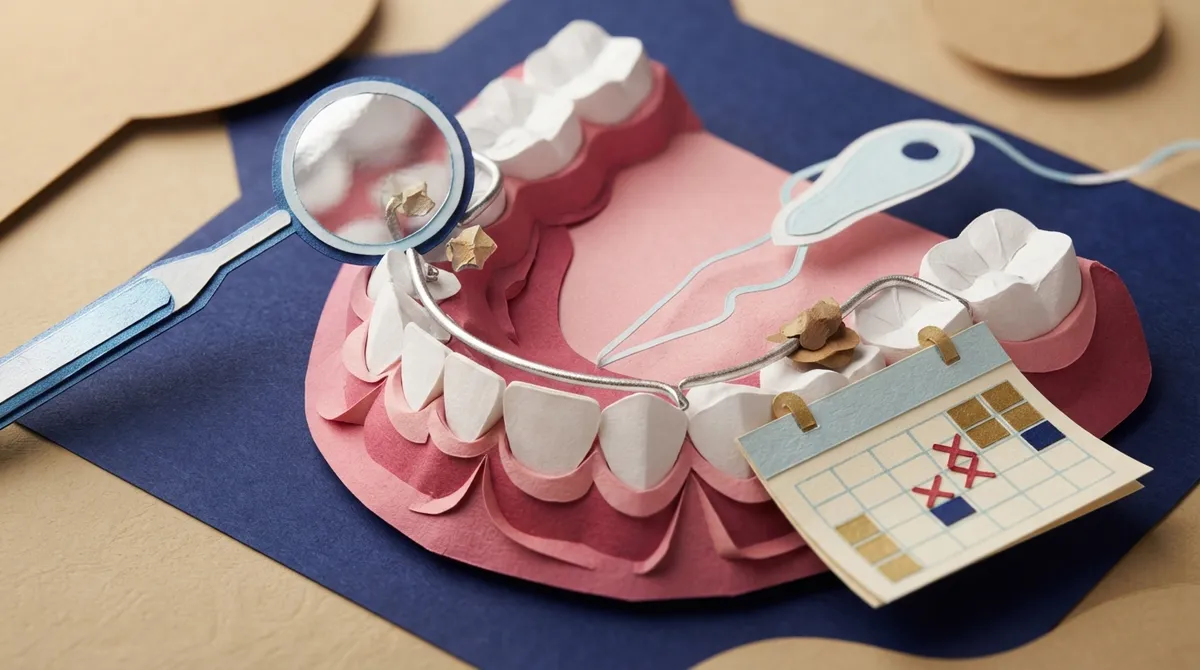
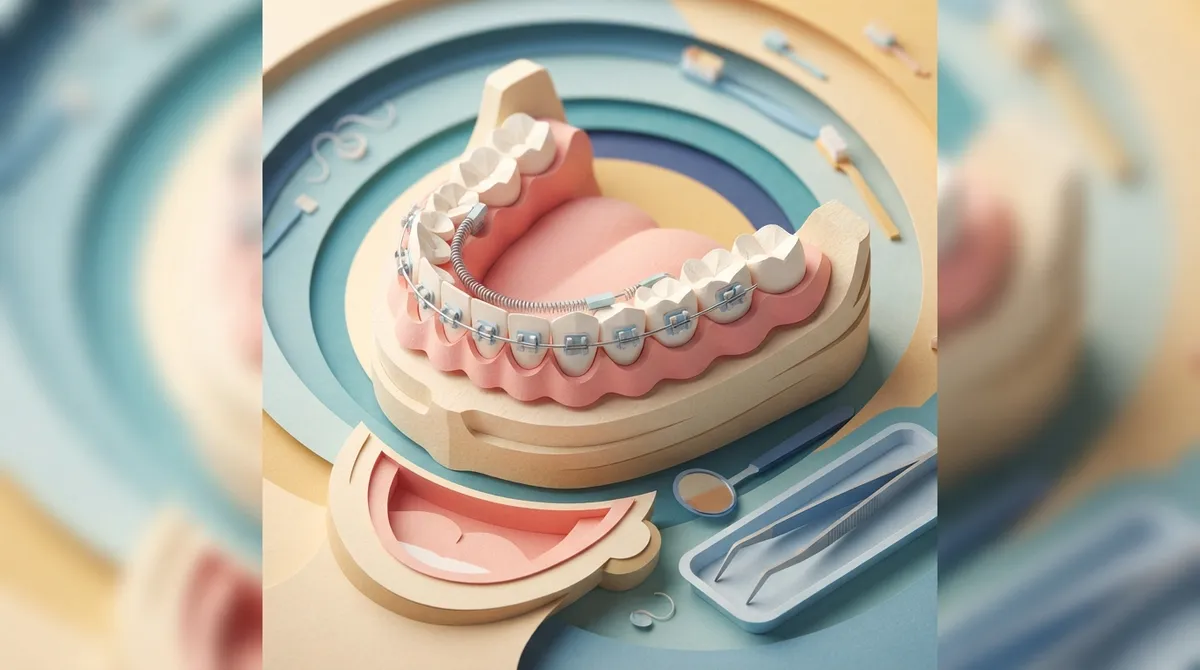
A permanent metal retainer, sometimes called a fixed or bonded retainer, is a thin wire glued to the back of your teeth. It usually sits behind your lower front teeth, though it can go on top too. Unlike a removable retainer you pop in and out, this one stays put day and night. Only your orthodontist can take it off or fix it.
The whole point is to stop your teeth from drifting back to their old positions after braces or Spark™ Clear Aligners. Think of it like a tiny seatbelt for your teeth, quietly working in the background so you don’t have to think about it every day. That said, “set it and forget it” isn’t quite the right mindset. Let’s talk about why.
Mistake 1: Skipping Regular Checkups
One of the biggest mistakes people make is assuming a permanent retainer means permanent peace of mind. It doesn’t work that way. Bonded wires can loosen slightly over time, even if you can’t tell just by looking or feeling with your tongue.
Regular visits let your orthodontist catch small issues before they turn into big ones. During your first visit after treatment, ask how often you should come back for retainer checks. Most orthodontists recommend at least once or twice a year.
Mistake 2: Ignoring Poor Oral Hygiene Habits
Plaque loves to hide around bonded wires. If you’re not careful, buildup can accumulate right where the retainer meets your teeth, leading to cavities or gum irritation. This is one of the most common complaints we hear from patients who didn’t adjust their brushing routine after getting a fixed retainer.
Here’s a simple list to help you stay on top of it:
- Use a floss threader or water flosser to clean under the wire daily
- Brush gently but thoroughly around the retainer every morning and night
- Consider an interdental brush for tight spots
- Rinse with an antibacterial mouthwash recommended by your dentist
- Schedule regular dental cleanings, not just orthodontic visits
Good hygiene habits protect both your retainer and your overall oral health, which matters for your whole life, not just your smile.
Mistake 3: Eating the Wrong Foods
We get it, sticky candy and crunchy snacks are tempting. But biting into hard or chewy foods can pop the wire loose or bend it out of shape. This is especially common with foods like ice, hard pretzels, or caramel.
Try to avoid these troublemakers:
- Ice cubes and hard candies
- Caramel, taffy, and other sticky sweets
- Crunchy raw vegetables like whole carrots (cut them up instead)
- Hard bread crusts or bagels
- Chewing on pens, nails, or other non-food items
Being mindful about what you eat can save you an emergency visit and keep your retainer doing its job without interruption.
Mistake 4: Waiting Too Long After a Break
Here’s something surprising: teeth can shift within days if a bonded retainer breaks or comes loose. This happens faster than most people expect, especially right after braces come off when teeth are still settling.
If you notice your retainer feels loose, or you can wiggle a tooth slightly, call your orthodontist right away. Don’t wait for your next scheduled appointment. Quick action prevents relapse and keeps you from needing more extensive treatment later.
Mistake 5: Choosing the Wrong Retainer Type Without Guidance
Not every patient needs the same kind of retainer. Some do better with a removable option, while others benefit more from a bonded wire. Making this choice without professional input is a mistake that can affect your long-term results.
Here’s a quick comparison to help you understand the differences:
| Retainer Type | Removable | Wearer Control | Best For |
|---|---|---|---|
| Permanent Metal (Bonded) | No | Low | Front teeth prone to relapse |
| Hawley Retainer | Yes | High | Patients who want adjustability |
| Essix (Clear) Retainer | Yes | High | Aesthetic-focused patients |
A 2024 study found permanent retainers led to a mean anterior relapse of just 0.2 mm, compared to 1.0 mm with Hawley retainers and 0.8 mm with Essix retainers. That’s a meaningful difference if keeping your front teeth straight is a top priority. Talk with your provider about which option fits your lifestyle and treatment goals during your consultation. Learn more about our retainer options and what might work best for you.
Mistake 6: Assuming All Fixed Retainers Are Risk-Free
While bonded retainers are effective, they aren’t perfect. Failure rates reported in dental research vary quite a bit, from about 7% to over 50% in some studies. That’s a wide range, and it usually comes down to how well the retainer was bonded and how well it’s cared for afterward.
Here’s a simple breakdown of what impacts retainer success:
- Quality of the initial bonding procedure
- Consistency of oral hygiene habits
- Diet choices, especially avoiding hard or sticky foods
- Frequency of professional checkups
- How quickly issues are addressed if they arise
Choosing an experienced provider makes a real difference. Dr. Brockway has the training and attention to detail that helps reduce these risks from the start.
Mistake 7: Thinking Retention Doesn’t Matter Long-Term
Some patients think once treatment is “done,” they can stop worrying. But research tells a different story. Relapse rates after orthodontic treatment can range anywhere from 10% to 90%, depending on the case and how well retention is followed.
Even more interesting, about 70% of total relapse happens within the first two years after treatment ends. That’s exactly when a permanent metal retainer does its most important work. Skipping retention, or treating it as optional, puts all your hard work at risk.
This is especially relevant for our Orthodontic Relapse Patients here in Clearwater. If you’ve had braces before and your teeth have shifted again, you’re not alone, and it’s fixable. Many adults come back to us wanting a second chance at a straight smile, and a bonded retainer paired with proper care can make all the difference this time around.
How Long Do Permanent Retainers Actually Last?
Good question! With proper care, a bonded retainer can last many years, sometimes even decades. But “permanent” doesn’t mean invincible. The wire and bonding material can wear down over time, especially with normal daily use like chewing and talking.
Here’s what typically affects lifespan:
- How well you maintain oral hygiene around the wire
- Whether you avoid habits like nail-biting or chewing ice
- The skill and materials used during the original bonding
- How often you get professional checkups
Think of it less like a one-time purchase and more like a long-term relationship with your orthodontist. That’s part of why we love getting to know our patients here at Brockway Orthodontics, because your smile journey doesn’t end when your braces come off.
Who Should Consider a Permanent Retainer?
Not every patient needs a bonded retainer, but many benefit from one. Here are some groups who often do well with this option:
- Teens whose teeth tend to shift quickly during growth
- Adults who had significant crowding before treatment
- Patients with a history of relapse after previous orthodontic work
- Anyone who struggles to remember wearing a removable retainer consistently
- Patients who want a low-maintenance, “always there” solution
Whether you’re exploring adolescent treatment for your teen or considering adult treatment for yourself, the retention phase deserves just as much thought as the active treatment itself.
What Happens If Your Retainer Breaks?
Life happens, and sometimes retainers break despite your best efforts. If this happens, don’t panic, but don’t ignore it either. Here’s what to do:
- Call your orthodontist’s office as soon as you notice the problem
- Avoid chewing on the area if the wire feels sharp or loose
- Don’t try to fix or remove it yourself at home
- Keep any broken pieces if they come out, and bring them to your appointment
- Schedule a repair visit quickly to prevent tooth movement
According to the American Dental Association, prompt care after any dental appliance issue helps prevent bigger problems down the road. The same logic applies here. A quick fix now saves you time, money, and frustration later.
Why Choose Brockway Orthodontics for Retainer Care?
We know Clearwater families have plenty of options when it comes to orthodontic care, and we don’t take that trust lightly. Dr. Brockway believes that education is just as important as treatment. That’s why we take the time to explain exactly how your permanent metal retainer works, how to care for it, and what warning signs to watch for.
Our office uses modern technology, including digital impressions and 3D imaging, to make sure your retainer fits precisely from day one. We also offer flexible scheduling because we know families are busy. If you’re ready to talk retention options or need a checkup on your current retainer, get in touch with our team today.
Curious what other patients think? You can visit us on Google — Brockway Orthodontics to read real reviews from families just like yours. We’re proud of the relationships we’ve built in this community, and we’d love to help you protect your smile for the long haul.
Quick Recap: Keeping Your Retainer in Great Shape
Let’s bring it all together. Avoiding these seven mistakes will help your permanent metal retainer do exactly what it’s designed to do:
- Don’t skip your regular orthodontic checkups
- Don’t neglect oral hygiene around the wire
- Don’t eat foods that can damage or dislodge the retainer
- Don’t wait to get a broken or loose retainer repaired
- Don’t choose a retainer type without professional guidance
- Don’t assume all fixed retainers carry zero risk
- Don’t treat retention as optional once treatment ends
For more helpful guidance, the Florida Association of Orthodontists offers great resources on finding qualified care in our state. And if you want to stay connected with us, follow along on Instagram for smile tips and patient stories.
Ready to Protect Your Smile for Good?
Your smile took hard work to achieve, and it deserves protection that lasts. Whether you’re finishing braces soon, dealing with relapse, or just have questions about retention, our Clearwater team is here to help every step of the way. Book your appointment online today and let’s make sure your beautiful new smile stays exactly where it belongs.
FAQs
Q: What is a permanent metal retainer in orthodontics?
A: It’s a thin metal wire that your orthodontist bonds to the back of your teeth after braces or clear aligners. It stays in place all day and night, quietly helping keep your teeth from shifting back. Only your orthodontist can remove or repair it, which is part of why it works so well!
Q: How long do permanent metal retainers last?
A: Many last for years, sometimes even decades, with good care. It really depends on your hygiene habits, diet, and how often you visit your orthodontist for checkups. Think of it as a long-term partnership rather than a one-and-done fix.
Q: Can a permanent retainer break or come loose?
A: Yes, it can happen, though it’s usually not a big emergency if you act fast. If you notice looseness or a wire poking out, call your orthodontist right away since teeth can shift within just days of a break. Prompt repair keeps everything on track.
Q: How do you clean around a permanent retainer?
A: Daily flossing with a threader or water flosser makes a huge difference around the wire. Gentle brushing morning and night, plus regular dental cleanings, helps prevent plaque buildup. It takes a little extra effort, but it’s totally worth it for a healthy, straight smile.
Q: Is a permanent retainer better than a removable one?
A: It depends on your needs! Studies show permanent retainers often lead to less relapse, especially for front teeth, compared to removable options like Hawley or Essix retainers. Your orthodontist can help you decide which type fits your lifestyle and treatment goals best.
Our Service Area