Key Takeaways
-
Clear aligners require 22 hours daily wear to be effective, making them best for people with consistent habits; fixed braces work around-the-clock without this commitment requirement.
-
Complex bite problems and tooth movements are handled more predictably with fixed braces, while aligners work well for mild-to-moderate cases, so your specific diagnosis determines the best option.
-
Treatment speed depends on case complexity and patient compliance, not the appliance type; average comprehensive treatment takes about 20 months regardless of whether you choose braces or aligners.
-
All orthodontic options require lifelong retention with retainers after treatment to prevent teeth from shifting back to their original position.
Picking a way to straighten your teeth can feel like standing in front of a giant menu. Metal brackets? Clear trays? Tooth-colored brackets? Braces hiding behind your teeth? If you’re weighing traditional braces vs modern options, take a deep breath. You are in good company, and you have more choices than ever before.
Here’s the good news: every option on this list can move teeth. The real question is which one fits your smile, your bite, and your daily life. A teen with a packed sports schedule has different needs than a busy professional with a big presentation coming up. A parent choosing for a child wants something different again.
In this friendly guide, we walk through eight facts that help you compare the options with confidence. We’ll cover how each type works, where each one shines, and what to ask at your visit. Let’s dive in!
Fact 1: “Traditional Braces” Usually Means Fixed Metal Braces
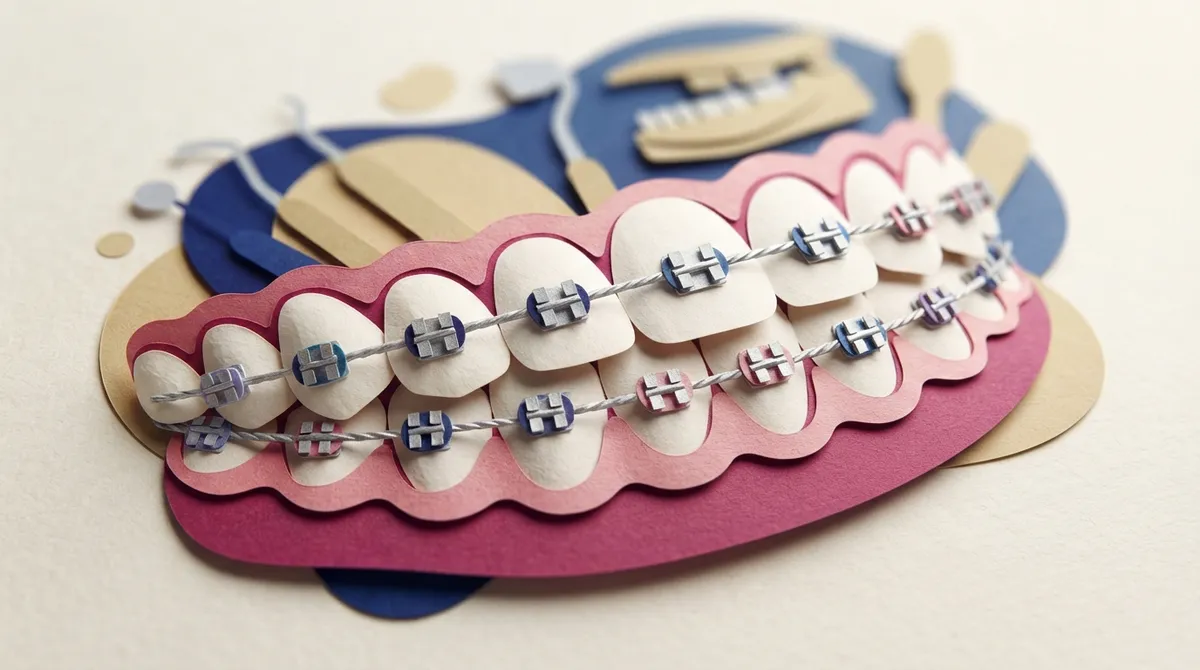
When most people say traditional braces, they mean metal brackets bonded to the teeth and joined by a thin archwire. Your orthodontist adjusts the wire over time to guide each tooth into place. It’s a tried-and-true design that has helped millions of smiles.
Today’s metal braces are smaller and more comfortable than the bulky versions you might remember. Many patients also love picking colored bands to show off their style. If you’d like to learn more about how fixed appliances work, check out our page on all about braces.
Because the brackets stay put for the whole treatment, they work around the clock. There’s no tray to lose and no schedule to remember.
Fact 2: Modern Options Come in More Than One Flavor
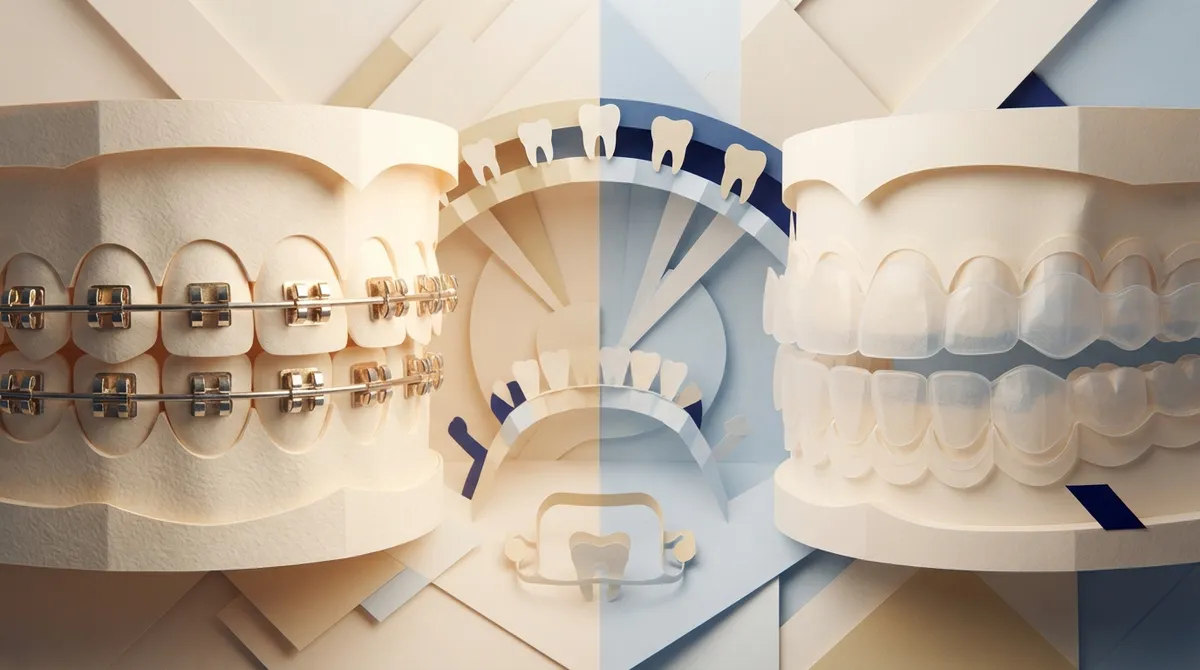
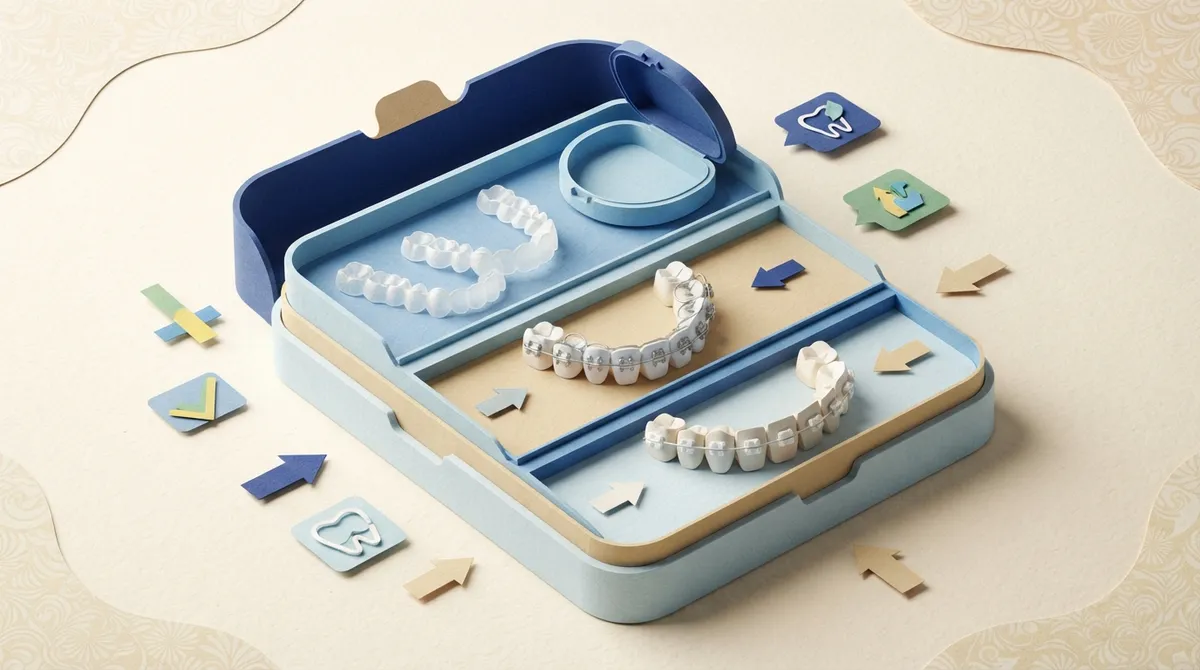
“Modern options” is a big umbrella. It usually covers three categories:
- Clear aligners: removable, custom-made plastic trays that shift teeth step by step.
- Ceramic braces: fixed braces with tooth-colored or clear brackets that blend in.
- Lingual braces: fixed braces placed on the tongue side of the teeth, so they’re hidden from view.
You may hear the term “invisible braces” used for more than one of these. That’s why it helps to ask your orthodontist exactly which type someone means. At Brockway Orthodontics, we offer metal braces, ceramic braces, and Spark™ Clear Aligners, so families can explore the full range under one roof.
Fact 3: Here’s How the Main Options Compare
A quick side-by-side can make things much clearer. Keep in mind that this is a general guide. Your own diagnosis and treatment plan decide what’s best for you.
| Feature | Metal Braces | Ceramic Braces | Clear Aligners |
|---|---|---|---|
| Visibility | Most noticeable | Blends with teeth | Nearly invisible |
| Removable? | No | No | Yes |
| Eating limits | Avoid hard and sticky foods | Avoid hard and sticky foods | Remove to eat and drink |
| Cleaning | Brush and floss around wires | Brush and floss around wires | Brush and floss normally |
| Best for | Wide range of cases, including complex ones | Patients wanting a discreet fixed option | Many mild-to-moderate cases with consistent wear |
| Depends on you | Less reliant on daily habits | Less reliant on daily habits | Needs wear all day, every day |
Want an even deeper comparison? Our guide on clear aligners vs. braces breaks it down further.
Fact 4: Clear Aligners Need Your Daily Commitment
Clear aligners are popular for good reason. You can take them out to eat, and you can brush and floss like usual. That freedom is a big win for teens with social calendars and adults with busy workdays.
But there’s a catch. The American Association of Orthodontists notes that aligners are typically worn at least 22 hours a day. Trays are often swapped about once a week, though your orthodontist sets the exact schedule for your case.
That means aligners work best for people who can stay consistent. If you tend to forget things (no judgment, we all do!), a fixed option might keep you on track more easily.
Fact 5: Some Bite Problems Are Easier to Fix With Fixed Braces
Aligners can treat many concerns, including crowding, spacing, overbite, underbite, open bite, and crossbite. They’re not right for every case, though. Complex tooth movements or tricky bite problems may be handled more predictably with fixed braces, or with a combined approach.
Research backs up this balanced view. A 2019 systematic review found shorter treatment time for aligners in the studies it included, but it also noted limits in areas like torque control and transverse expansion. A 2024 review concluded aligners may be an effective option, while saying more research is needed.
The takeaway? No single option wins every time. The best pick depends on your teeth and your bite. If you’re curious about complex bite issues, read how braces fix a deep overbite.
Fact 6: Speed Depends on Your Case, Not the Brand of Appliance
Everyone asks, “Which one is faster?” We wish we could hand you a magic number. The truth is that evidence doesn’t support one option always being quicker.
Here are two data points to show why timelines vary:
- A 2016 review of 22 studies with 1,089 participants estimated an average of 19.9 months for comprehensive fixed-appliance treatment.
- Some aligner studies report shorter treatment times, but those results depend on which cases were chosen and how the study was designed.
These are averages, not promises. Your timeline depends on how much movement your teeth need, how your body responds, and how well you follow instructions. For a friendly timeline breakdown, see how long braces take.
Fact 7: Your Age and Lifestyle Shape the Best Choice
Different life stages bring different priorities. Here’s how it often plays out:
- Kids and younger teens: Fixed braces are often a smart pick because there’s nothing to lose or forget. Parents also like knowing the appliance is working all day long. Learn more about the best braces for kids.
- Teens and young adults: Many want a discreet look for graduations, prom, and social events. Clear aligners or ceramic braces can be a great fit, depending on the case.
- Adult professionals: Discretion and flexibility matter here. Aligners, ceramic braces, or lingual options may fit a client-facing career well.
- Relapse patients: If your teeth shifted after past treatment, a fresh evaluation can show whether aligners or braces will get you back on track.
- Health-conscious patients: If gum health or a complex dental history is a concern, a customized plan is key, and easier cleaning may factor in.
Curious about grown-up options? Our article on the best ways to straighten teeth for adults is a helpful next read.
Fact 8: Every Option Needs a Retainer Afterward
Here’s a fact that surprises many people. No matter which option you choose, your teeth will want to drift back if you skip retention. That’s why every orthodontic plan ends with a retainer.
Your orthodontist decides the type and how long you’ll wear it, based on your unique smile. Some patients wear removable retainers, and others get a thin wire bonded behind the teeth. Either way, think of it as the finishing touch that protects all your hard work. Explore your choices on our retainers page.
How to Choose: A Simple Step-by-Step Approach
Feeling a little overwhelmed? Try this easy process:
- Get an in-person exam. Only an orthodontist can tell which options suit your bite. Read what to expect on your first visit.
- Share your goals. Tell us if you want to be discreet, finish by a certain event, or keep eating your favorite foods.
- Be honest about habits. Can you wear aligners nearly all day? Will you keep up with cleaning around brackets?
- Ask about pros and cons for your case. A good orthodontist explains trade-offs without pressure.
- Talk about cost and payment. Look into financing and insurance so there are no surprises.
Why Brockway Orthodontics Is a Great Place to Start
At Brockway Orthodontics, we believe in personalized care for the whole family. Dr. Brockway takes time to listen, explain your options in plain language, and build a plan around your goals. We use modern technology like digital impressions and 3D imaging, so your treatment is planned with care and comfort in mind.
Whether you’re leaning toward classic metal braces, discreet ceramic braces, or Spark™ Clear Aligners, we’ll help you compare them honestly. We’re proud to be Clearwater’s go-to orthodontist for kids, teens, and adults. You can also visit us on Google — Brockway Orthodontics to see what our patients say.
Ready to Find Your Best Fit?
The debate over traditional braces vs modern options doesn’t have one universal winner. Metal braces are dependable and work across many types of cases. Modern options like ceramic braces and clear aligners offer discretion and flexibility. The right answer is the one that matches your diagnosis, your goals, and your lifestyle.
For extra guidance on dental health, you can also browse the American Dental Association and the Florida Association of Orthodontists. And when you’re ready for a plan made just for you, we’d love to meet you. Book your appointment online and let’s start mapping out your smile together!
FAQs
Q: Are clear aligners as effective as traditional braces?
A: Clear aligners can work very well for many mild-to-moderate cases, especially when worn as directed. Some complex tooth movements and bite problems may be handled more predictably with fixed braces, so an in-person exam is the best way to find your match.
Q: Which is faster: braces or clear aligners?
A: There’s no one-size-fits-all answer! Treatment time depends on how complex your case is and how consistently you follow your plan. Your orthodontist can give you a realistic estimate after looking at your teeth and bite.
Q: How many hours a day do I need to wear clear aligners?
A: The American Association of Orthodontists says aligners are typically worn at least 22 hours a day. You take them out only to eat, drink anything besides water, and brush and floss.
Q: What’s the difference between metal, ceramic, and lingual braces?
A: Metal braces use silver brackets on the front of the teeth, while ceramic braces use tooth-colored or clear brackets that blend in. Lingual braces sit on the tongue-facing side of the teeth so they’re hidden from view.
Q: Do adults have different orthodontic options than kids?
A: Adults can choose from most of the same options, including metal braces, ceramic braces, and clear aligners. Adults often lean toward discreet choices, and kids often benefit from fixed braces that work around the clock. Your orthodontist will guide you based on your goals and diagnosis.
Our Service Area