Key Takeaways
-
Properly aligned teeth are easier to clean, reducing cavities and gum disease risk, while corrected bites relieve jaw pain, headaches, and speech issues—making orthodontics essential for overall oral health, not just aesthetics.
-
Clear aligners and lingual braces offer discreet treatment options for adults and professionals, with adults now comprising 25% of orthodontic patients and treatment lasting 12-36 months depending on complexity.
-
AI-powered treatment planning and 3D printing technology now enable faster, more precise orthodontic outcomes with shorter treatment times and greater comfort compared to traditional methods.
-
Metal braces remain the most effective for complex cases at $3,000-$7,000, while clear aligners cost $3,500-$8,500; most practices offer flexible payment plans with partial insurance coverage available.
-
Retainers are critical after active treatment to prevent orthodontic relapse, which is common; retreatment with braces or aligners can restore shifted teeth even years after initial treatment.
-
Early intervention with palate expanders, functional appliances, and space maintainers in children (ages 7-12) guides jaw growth and prevents more complex treatment needs during teenage and adult years.
Have you been thinking about straightening your teeth? You’re not alone! More people than ever are exploring orthodontic treatments to improve their smiles and boost their confidence. In 2026, the options available are exciting, effective, and more comfortable than ever before.
Whether you’re a parent looking into braces for your child, a teen wanting a straighter smile before graduation, or an adult professional seeking a discreet solution, there’s something out there for everyone. The global orthodontics market is currently valued at $9.50 billion in 2026 and is projected to skyrocket to $38.43 billion by 2034 — and it’s easy to see why!
This guide breaks down 11 of the most popular and effective orthodontic treatments available today. We’ll walk you through what each one does, who it’s best for, and what to expect. Ready to discover your perfect smile solution? Let’s dive in!

Why Orthodontic Treatment Matters More Than Ever
Orthodontic care isn’t just about looks. Properly aligned teeth are easier to clean, reducing the risk of cavities and gum disease. A corrected bite can also relieve jaw pain, headaches, and even speech issues. The American Dental Association recognizes orthodontics as a vital part of overall oral health.
Adults now make up 25% of all orthodontic patients — a number that keeps growing. Thanks to discreet and efficient options, there’s truly no age limit on achieving a healthy, beautiful smile. If you’re curious about your options, your first visit to an orthodontist is a great place to start.
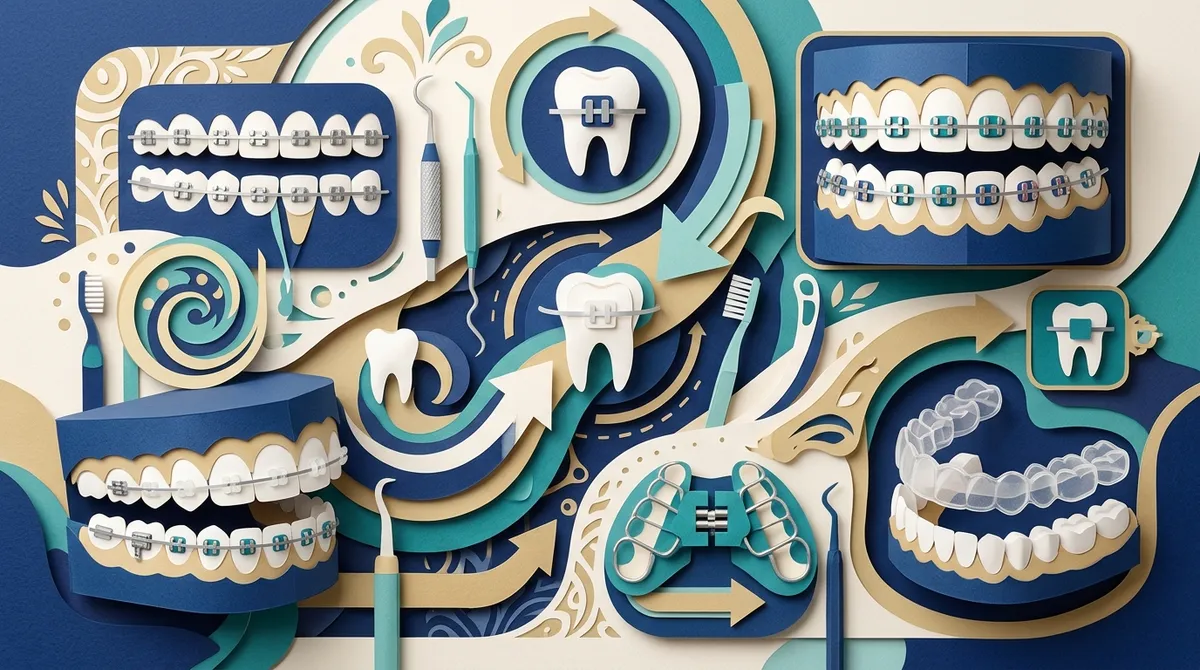
The 11 Best Orthodontic Treatments Available in 2026
1. Traditional Metal Braces
Metal braces are the classic option — and for good reason. They’re incredibly effective for correcting even the most complex alignment and bite issues. Modern metal braces are much smaller and more comfortable than older versions.
They’re a great choice for kids, teens, and adults dealing with crowding, gaps, or severe bite problems. Learn everything about this trusted option through our All About Braces resource page.
2. Clear Ceramic Braces
Ceramic braces work just like metal braces, but the brackets are tooth-colored or clear. This makes them much less noticeable. They’re a popular pick for image-conscious teens and adults.
Keep in mind that ceramic brackets can stain if you consume a lot of coffee, tea, or dark-colored foods. With proper care, though, they remain discreet throughout treatment.
3. Clear Aligners
Clear aligners have completely changed the orthodontic world. These custom-made, removable trays gradually shift your teeth into place. They’re virtually invisible and very comfortable to wear.
If you’re interested in a discreet option, explore our Spark™ Clear Aligners page to see what makes this treatment so popular. You can also check out starting clear aligners in Clearwater, FL with a free consultation!
4. Self-Ligating Braces
Self-ligating braces use a special clip instead of elastic bands to hold the wire in place. This reduces friction and can speed up treatment time. They also require fewer adjustments, meaning fewer office visits for busy patients.
Many patients report that self-ligating braces feel more comfortable day-to-day. They’re a smart option for people who want the effectiveness of braces with a little extra convenience.
5. Lingual Braces
Lingual braces are placed on the inside (tongue side) of the teeth. This makes them completely hidden from view! They’re a fantastic option for professionals or anyone who wants absolutely no visible hardware.
They do require a short adjustment period since they sit close to the tongue. But for many patients, the invisibility factor is well worth it.
6. Retainers
Retainers are often the final step after completing active orthodontic treatment. They hold your teeth in their new positions while the bone and tissues adjust. Skipping your retainer is one of the most common reasons people experience orthodontic relapse.
Whether you’ve just finished braces or had treatment years ago, retainers are essential for keeping your smile beautiful long-term. Don’t skip this important step!
7. Palate Expanders
Palate expanders are commonly used in early orthodontic treatment for children. They gently widen the upper jaw to create more room for permanent teeth. Starting early can prevent more complex treatment later.
Many parents are surprised by how well children adapt to expanders. They work quietly behind the scenes to guide proper jaw development.
8. Functional Appliances
Functional appliances help correct issues with jaw growth and positioning. They’re typically used for younger patients whose jaws are still developing. Devices like Herbst appliances or Twin Blocks fall into this category.
These appliances work with the natural growth of a child’s jaw to achieve better alignment. Early intervention often reduces the need for more intensive treatment as a teenager or adult.
9. Space Maintainers
When a child loses a baby tooth too early, neighboring teeth can drift into the empty space. A space maintainer holds that space open until the permanent tooth is ready to come in. This small appliance can prevent big alignment problems down the road.
Space maintainers are a simple, proactive solution. Ask about them during your child’s adolescent treatment consultation.
10. Orthodontic Retreatment
Have your teeth shifted after previous orthodontic treatment? You’re not alone — orthodontic relapse is very common. Retreatment involves going through a new round of braces or aligners to correct any shifting.
Adults aged 25-45 are the most common retreatment patients. Whether it’s been five years or twenty, it’s never too late to restore your smile. Explore adult treatment options to learn more about retreatment paths.
11. Digital Orthodontics with AI Planning
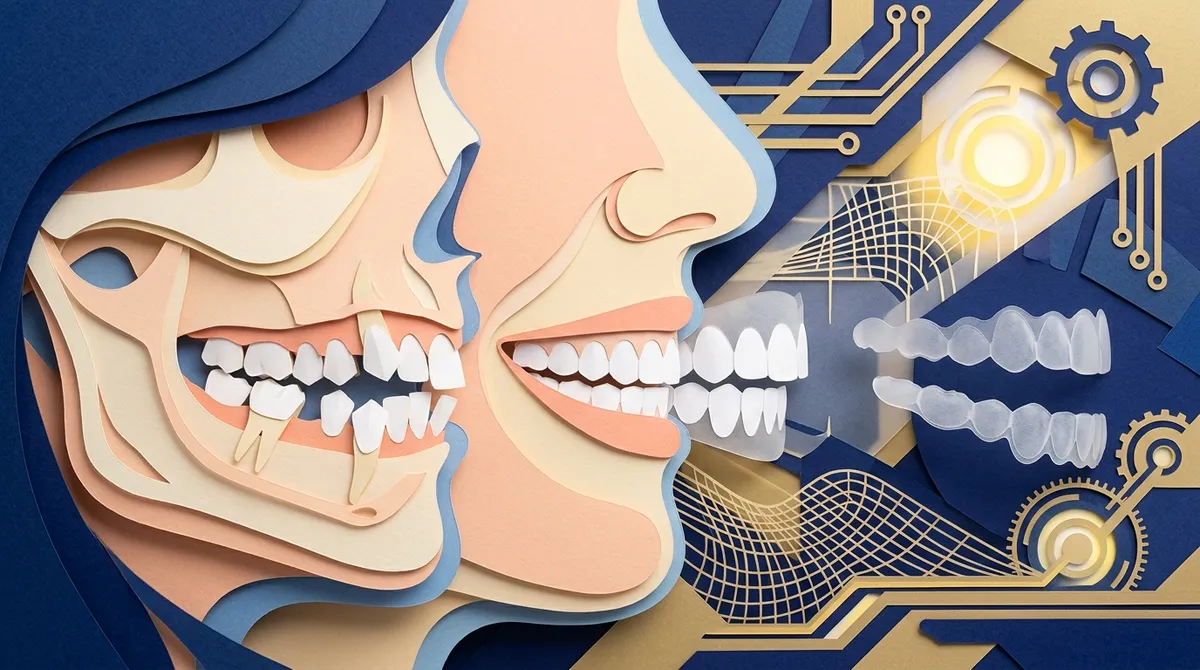
The newest frontier in orthodontic care uses artificial intelligence and 3D printing to plan and customize your treatment. AI-powered software maps out tooth movements with incredible precision. This technology speeds up treatment and improves outcomes significantly.
Intraoral scanners eliminate the need for messy impressions. The Florida Association of Orthodontists supports the adoption of these advanced tools to elevate patient care across the state.
Quick Comparison: Popular Orthodontic Treatments
| Treatment | Visibility | Best For | Average Duration |
|---|---|---|---|
| Metal Braces | Visible | Kids, Teens, Complex Cases | 18–36 months |
| Ceramic Braces | Discreet | Teens, Adults | 18–36 months |
| Clear Aligners | Nearly Invisible | Teens, Adults, Mild–Moderate Cases | 12–24 months |
| Lingual Braces | Completely Hidden | Adults, Professionals | 18–36 months |
| Clear Aligners (Retreatment) | Nearly Invisible | Relapse Patients | 6–18 months |
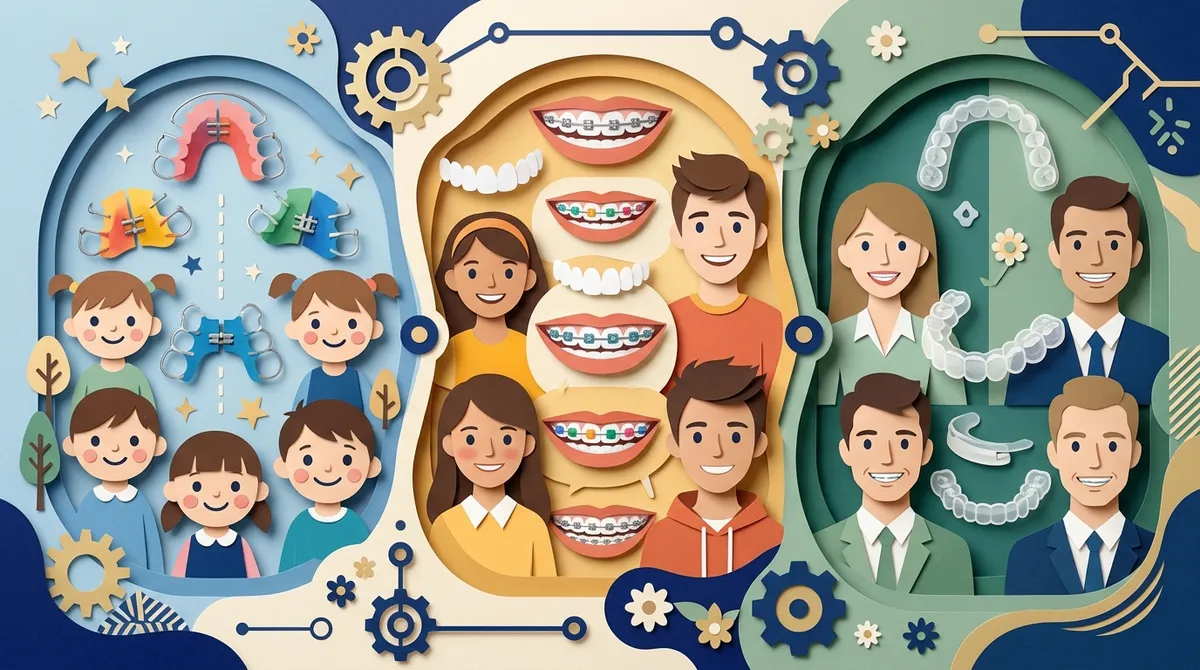
Treatment Options by Age Group
| Age Group | Recommended Treatments | Key Benefit |
|---|---|---|
| Children (7–12) | Early Treatment, Expanders, Space Maintainers | Guides jaw growth, prevents future issues |
| Teens (13–17) | Metal/Ceramic Braces, Clear Aligners | Effective, aesthetic, fits active lifestyles |
| Adults (18–45+) | Clear Aligners, Lingual Braces, Retreatment | Discreet, flexible, career-friendly |
Key Benefits of Modern Orthodontic Treatments
Today’s orthodontic treatments offer benefits that go way beyond just straight teeth. Here’s a quick look at what you gain:
- Improved oral hygiene: Aligned teeth are easier to brush and floss effectively
- Better bite function: Correct alignment reduces wear, jaw pain, and headaches
- Boosted confidence: A beautiful smile improves self-esteem and social interactions
- Healthier gums: Straight teeth reduce gum disease risk significantly
- Long-term savings: Preventing dental problems now can save on future dental costs
- Faster treatment times: AI planning and digital tools are reducing overall treatment durations
What to Expect During Orthodontic Treatment
Starting orthodontic treatment can feel a little overwhelming at first. Here’s a simple step-by-step look at what the process typically involves:
- Initial consultation: Your orthodontist evaluates your teeth, takes digital scans or X-rays, and discusses your goals and options
- Custom treatment planning: A personalized treatment plan is created, often using AI-powered digital tools for precise planning
- Appliance placement: Your braces, aligners, or other devices are fitted and activated
- Regular check-ups: You’ll visit your orthodontist every 6–10 weeks for adjustments and progress checks
- Active treatment ends: Once your teeth reach their goal positions, active appliances are removed
- Retention phase: Retainers are provided to maintain your results long-term
The Cost of Orthodontic Treatments in 2026
Cost is often one of the biggest questions patients have. Here’s a general overview of what you might expect to pay for different treatments in 2026:
| Treatment Type | Estimated Cost Range (USD) | Insurance Coverage Likely? |
|---|---|---|
| Metal Braces | $3,000 – $7,000 | Often partially covered |
| Ceramic Braces | $4,000 – $8,000 | Sometimes partially covered |
| Clear Aligners | $3,500 – $8,500 | Sometimes partially covered |
| Lingual Braces | $8,000 – $13,000 | Rarely covered |
| Retainers | $150 – $700 | Sometimes included in treatment |
Many orthodontic practices offer flexible payment plans to make treatment more accessible. Check out financing and insurance options to find a plan that works for your budget.
Signs You May Need Orthodontic Treatment
Not sure if orthodontic care is right for you? Here are some common signs that a visit to the orthodontist might be a good idea:
- Crowded or overlapping teeth
- Noticeable gaps between teeth
- Difficulty biting or chewing properly
- Jaw pain or clicking sounds when opening/closing your mouth
- Teeth that don’t meet properly when you bite down
- Front teeth that protrude significantly
- Teeth that shifted after previous orthodontic treatment
If any of these sound familiar, it’s time to schedule a consultation. You can also explore frequently asked questions to learn more before your first appointment.
Why Patients Love Brockway Orthodontics in Clearwater
At Brockway Orthodontics, led by Dr. Brockway, patients receive personalized care in a warm and welcoming environment. From children getting their first set of braces to adults seeking discreet clear aligners, every patient is treated like family.
60% of orthodontic practices nationwide reported production growth from 2023 to 2024, and top-rated practices like Brockway Orthodontics continue to lead the way with modern technology and compassionate care. You can check out Brockway Orthodontics on Google to read patient reviews and see why so many families in Clearwater trust Dr. Brockway with their smiles.
How Technology is Changing Orthodontic Care
The orthodontic industry is evolving fast! Here are the top innovations making treatment better in 2026:
- AI-powered treatment planning: Software analyzes your teeth and jaw to map out precise, efficient tooth movements
- 3D printing: Custom aligners and appliances are now printed in-house at many practices, reducing wait times and costs
- Intraoral scanners: Digital scans replace messy putty impressions, making the process faster and more comfortable
- EtchFree bonding technology: Launched in 2025 by Ormco, this system eliminates acid etching for safer, more efficient brace placement
- Remote monitoring apps: Patients can check in with their orthodontist via smartphone, reducing the number of in-office visits needed
These innovations mean shorter treatment times, greater comfort, and better results for patients of all ages. If you’d like to see what cutting-edge care looks like, explore our full range of services at Brockway Orthodontics.
Tips for Getting the Most Out of Your Orthodontic Treatment
Starting treatment is exciting — here’s how to make the most of it:
- Wear your aligners for the recommended 20–22 hours per day
- Brush and floss after every meal, especially with braces
- Avoid sticky, hard, or chewy foods that can damage braces
- Always wear your retainer after treatment ends
- Attend all scheduled check-up appointments to stay on track
Also, follow inspiring smile journeys and tips on our Instagram page for motivation throughout your treatment!
Your Journey to a Beautiful Smile Starts Today
Whether you’re exploring braces for your child, seeking a discreet aligner for yourself, or looking to retreatment after relapse — there’s an orthodontic treatment that’s perfect for you. The technology, options, and expertise available in 2026 make it easier and more comfortable than ever to achieve the smile you’ve always wanted.
Don’t wait another day to get started. Schedule your free consultation today and take the first step toward a healthier, more confident smile with the caring team at Brockway Orthodontics in Clearwater, Florida. You deserve it!
FAQs
Q: What are the most common types of orthodontic treatments?
A: The most common orthodontic treatments include traditional metal braces, ceramic braces, and clear aligners. Each option has unique benefits depending on your age, lifestyle, and the complexity of your case — so a consultation with your orthodontist is the best way to find your perfect match!
Q: Are orthodontic treatments effective for adults?
A: Absolutely! Adults now make up about 25% of all orthodontic patients in 2026. With discreet options like clear aligners and lingual braces, adults can achieve beautiful results without disrupting their professional or social lives. It’s never too late to invest in your smile!
Q: How long does orthodontic treatment typically take?
A: Treatment length depends on the type of treatment and the complexity of your case. Most patients complete active treatment within 12 to 36 months. Thanks to AI-powered planning and modern technology, many cases are being completed faster than ever before!
Q: Is direct-to-consumer orthodontics safe?
A: While at-home aligner kits can seem convenient, they come with real risks since there’s no in-person professional monitoring your progress. Seeing a licensed orthodontist ensures your treatment is safe, precise, and tailored specifically to your unique smile needs.
Q: How much do orthodontic treatments cost in 2026?
A: Costs vary depending on the type of treatment — metal braces typically range from $3,000 to $7,000, while clear aligners can range from $3,500 to $8,500. Many practices offer flexible financing plans, and some treatments are partially covered by insurance, making it more accessible for most families.