Key Takeaways
-
Schedule an orthodontic evaluation by age 7 for children; early detection of crowding, spacing, and bite issues can shorten treatment time and prevent complex problems later.
-
AI-powered treatment planning now predicts tooth movements with 95% accuracy and makes treatment 20-30% faster than traditional methods—avoid practices that don’t use modern planning tools.
-
Avoid direct-to-consumer aligner kits without professional oversight; they skip essential X-rays and exams, risking irreversible root damage and gum recession.
-
Different age groups need different approaches: children benefit from jaw guidance, teens from clear aligners, and adults from discreet options like Spark Clear Aligners with flexible scheduling.
-
Remote monitoring technology reduces office visits by 40% through at-home 3D scanning and real-time AI detection, making treatment more convenient for busy professionals.
-
Commit to long-term retainer wear after treatment ends; teeth naturally drift back to original positions, and skipping retention is one of the biggest mistakes patients make.
Choosing the best orthodontic treatment is one of the most exciting decisions you can make for your smile. But it’s also easy to make mistakes along the way. Whether you’re a parent looking into options for your child, a teenager dreaming of a confident grin, or an adult professional wanting straighter teeth without the fuss — this guide is for you.
In 2026, orthodontics has come a long way. AI-powered planning, remote monitoring, and hybrid treatment options make it easier than ever to get a beautiful smile. But with so many choices, it’s also easy to take a wrong turn. Let’s walk through the eight most common mistakes people make — and how to avoid every single one of them.

Mistake 1: Skipping the Initial Orthodontic Evaluation
Many people wait too long before seeing an orthodontist. The American Dental Association recommends that children receive an orthodontic evaluation by age 7. Early evaluation can catch bite problems before they become bigger issues.
For adults, there’s no “too late.” But waiting means more complex treatment down the road. If you or your child hasn’t had a first evaluation, schedule your first visit as soon as possible. It’s quick, easy, and completely worth it.
- Early evaluation helps detect crowding, spacing, and bite issues
- Catching problems early can shorten overall treatment time
- Some issues are easier to correct during growth phases
- A first visit is usually low-pressure and informative
Mistake 2: Assuming All Treatments Are the Same
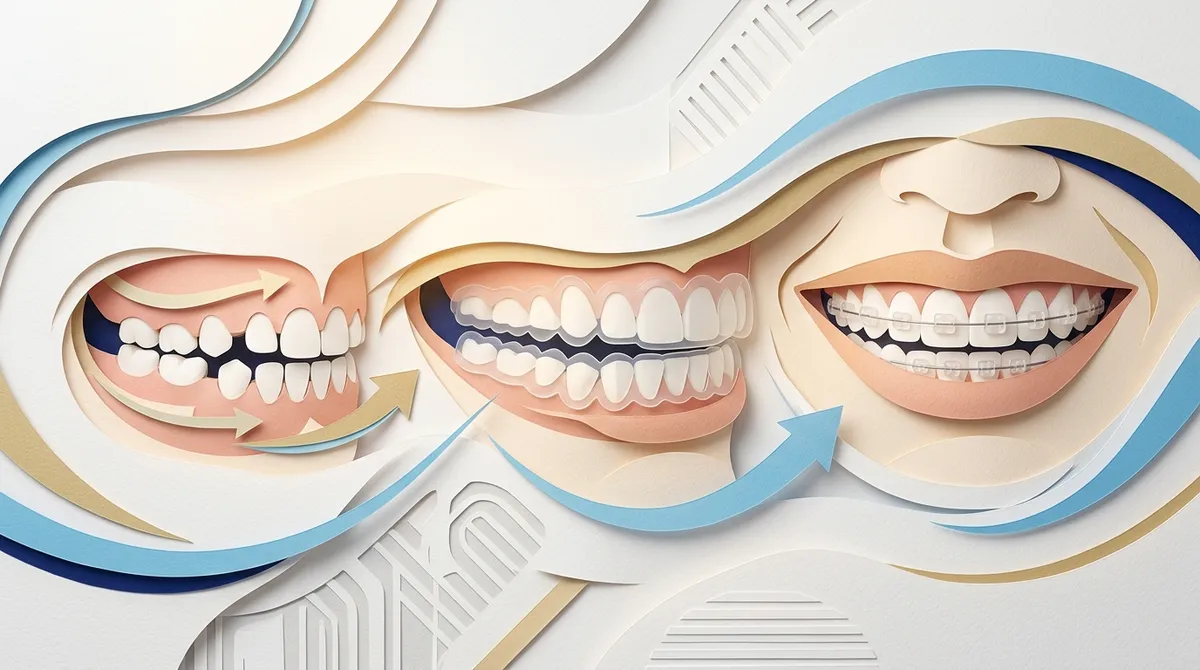
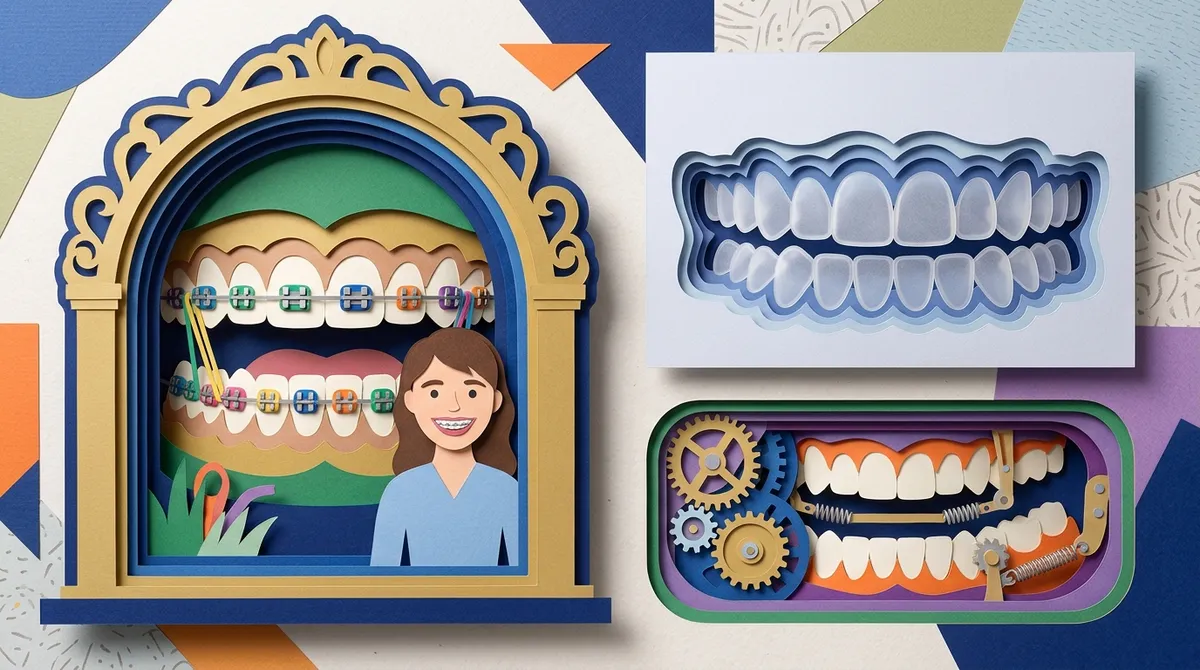
Not all orthodontic treatments deliver the same results. Choosing the wrong option for your specific needs can mean longer treatment times and higher costs. Let’s break down the most common choices available in 2026.
| Treatment Type | Best For | Visibility | Avg. Treatment Time |
|---|---|---|---|
| Traditional Metal Braces | Complex cases, children | Visible | 18–24 months |
| Clear Aligners | Mild to moderate cases, adults | Nearly invisible | 12–18 months |
| Ceramic Braces | Teens and adults wanting discretion | Less visible | 18–24 months |
| Hybrid Treatment | Complex bite issues | Varies | Shorter than aligners alone |
Hybrid treatments combine clear aligners with short-term braces to tackle complex cases more efficiently. They can actually shorten your overall treatment time compared to using aligners alone. Talk to your orthodontist about what fits your situation best. You can explore all your options on the Brockway Orthodontics services page.

Mistake 3: Ignoring the Power of AI-Driven Treatment Planning
In 2026, orthodontic technology is smarter than ever. AI-powered treatment planning can now predict tooth movements with up to 95% accuracy. This means your treatment is more precise and personalized from day one.
AI-optimized force vectors also make treatment 20–30% faster than traditional protocols. That’s a significant time saving! Don’t settle for a practice that doesn’t use modern planning tools. Ask your orthodontist how they use technology to personalize your care.
- AI analyzes CBCT scans and intra-oral images for precise movement mapping
- Treatment plans are personalized based on your unique biology
- Predictive modeling reduces surprises and adjustments mid-treatment
- Results are more consistent and faster than older methods
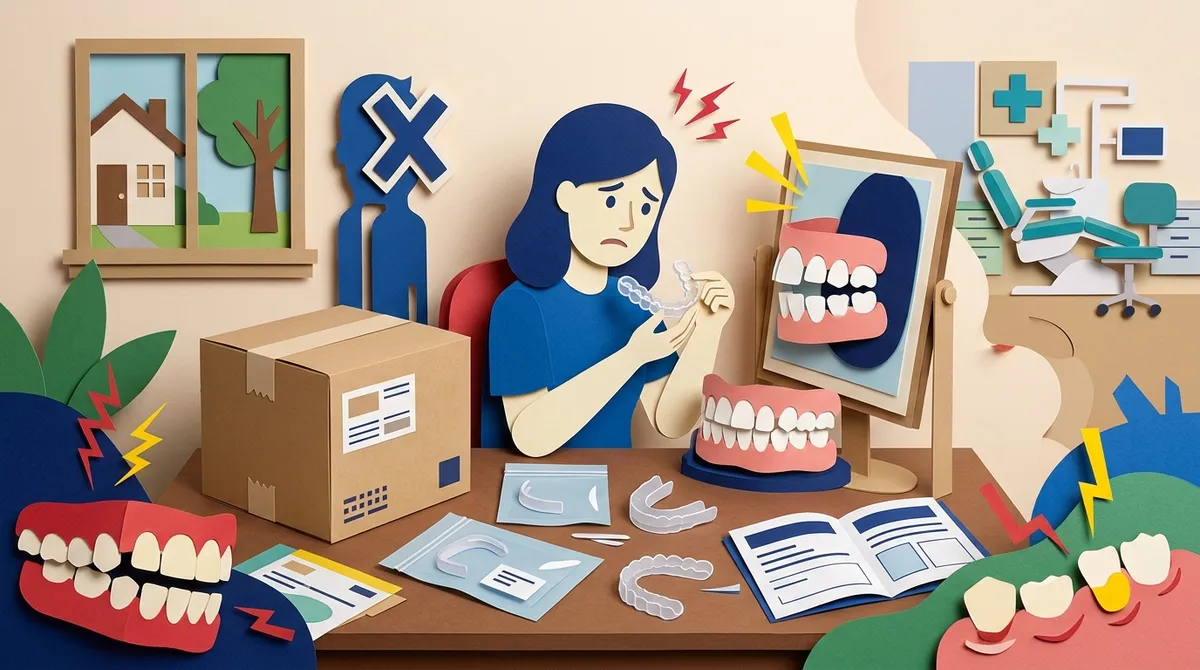
Mistake 4: Choosing Direct-to-Consumer Aligners Without Professional Oversight
DIY aligner kits might seem tempting. They’re cheap and convenient. But they come with real risks. Without professional supervision, movements can go wrong — and damage is often irreversible.
Licensed orthodontists provide oversight that protects your teeth, gums, and jaw. The Florida Association of Orthodontists strongly recommends professional care for safe and effective aligner therapy. If you’re in the Clearwater area, start clear aligners in Clearwater with a free consultation and get expert guidance from the start.
- At-home kits skip essential dental X-rays and exams
- Root damage and gum recession are real risks without oversight
- Professional aligners are custom-made for your specific anatomy
- Supervised care means faster corrections when issues arise
Mistake 5: Underestimating the Benefits of Remote Monitoring
Here’s a mistake many patients make: thinking they need to visit the office every single week. Remote monitoring technology has changed the game entirely. In 2026, remote platforms reduce in-office visits by about 40%.
You can scan your teeth at home and send data directly to your orthodontist. AI flags any deviations in real time. This means faster responses and fewer interruptions to your busy schedule. It’s a great fit for working adults and busy parents alike.
| Feature | Traditional Monitoring | Remote Monitoring (2026) |
|---|---|---|
| Office Visits | Every 4–6 weeks | Reduced by ~40% |
| Issue Detection | At next appointment | Real-time AI flagging |
| Convenience | Requires scheduling | At-home 3D scanning |
| Patient Experience | More time off work/school | More flexibility |
Ask about remote monitoring options during your consultation. It can make your entire treatment journey more manageable and efficient. Learn more about adult treatment options that include flexible monitoring solutions.
Mistake 6: Forgetting That Age-Specific Treatment Matters
One size definitely does not fit all in orthodontics. Children, teens, and adults all have different needs. Treating them the same way leads to suboptimal results.
For young children, early orthodontic treatment guides jaw development and creates room for adult teeth. For teenagers, adolescent treatment focuses on aesthetics and efficiency — think clear aligners with teen-friendly features. For adults, especially professionals, discreet and fast options like Spark™ Clear Aligners are often the top choice.
- Children (age 7–11): Focus on early interception and jaw guidance
- Teens (age 12–18): Clear aligners or braces tailored to active lifestyles
- Adults (18+): Discreet, efficient options with flexible scheduling
- Relapse patients: Customized retreatment plans to restore previous results
If you had orthodontic work done years ago and your teeth have shifted, you’re not alone. Adult orthodontics in Clearwater is designed to help you get back on track comfortably and effectively.
Mistake 7: Neglecting Retention After Treatment
This is one of the biggest mistakes people make. Your treatment doesn’t end when the braces come off or you finish your last aligner tray. Retention is just as important as active treatment.
Without a proper retainer plan, teeth shift back — sometimes quickly. This is called orthodontic relapse, and it’s more common than you’d think. Learning about retainers and retention before you finish treatment helps you protect your investment for years to come.
- Teeth naturally want to drift back to their original positions
- Retainers should be worn as directed — usually nightly long-term
- Lost or broken retainers should be replaced immediately
- Regular check-ins keep your smile stable and healthy
- Fixed (bonded) retainers offer hands-free protection for the front teeth
Mistake 8: Not Considering the Full Cost Picture
People often look only at the upfront cost of orthodontic treatment and miss the bigger picture. Cheaper options without proper care can lead to costly corrections later. It’s important to weigh the full value of your investment.
Many practices, including Brockway Orthodontics, offer flexible financing and insurance options to make quality care affordable. Don’t let cost stop you from getting the best orthodontic treatment available. Check out the financing and insurance page to see how easy it can be to fit treatment into your budget.
| Cost Factor | What to Consider |
|---|---|
| Treatment Type | Clear aligners and braces vary in price; complex cases cost more |
| Insurance Coverage | Many plans cover a portion of orthodontic treatment |
| Financing Plans | Monthly payment options make treatment accessible |
| Retention Costs | Budget for retainers after active treatment ends |
| Long-term Value | Proper treatment prevents costly dental repairs down the road |
Getting multiple consultations and asking about payment plans is always a smart move. Don’t hesitate to reach out to our team with any cost or coverage questions.
Bonus Tips for Choosing the Right Orthodontist
Beyond avoiding mistakes, picking the right provider is just as critical. Here’s what to look for in a great orthodontic practice in 2026:
- Board-certified orthodontist with proven experience
- Modern technology including 3D scanning and AI planning tools
- Clear communication and personalized treatment plans
- Flexible scheduling and remote monitoring options
- Transparent pricing and financing availability
- Warm, welcoming office culture that makes you feel at home
You can learn more about what makes a great practice by visiting the best orthodontist in Clearwater for affordable, personalized care. And if you want to get to know the doctor behind the practice, meet Dr. Brockway to see the expertise and passion that drives every smile transformation.
Also, don’t underestimate the power of social proof. Visit us on Google to read real patient reviews and see why so many Clearwater families trust Brockway Orthodontics with their smiles. You can also follow along on Facebook for tips, updates, and patient success stories.
Your Best Smile Starts with the Right Decisions
Avoiding these eight mistakes puts you miles ahead on your journey to a straighter, healthier smile. The best orthodontic treatment isn’t just about the appliance — it’s about the full experience. That means choosing the right provider, using the latest technology, committing to retention, and thinking long-term.
Whether you’re starting fresh, treating your child, or correcting a relapse, every smile journey is unique. The key is to make informed, confident decisions from the very beginning. You deserve a treatment plan that fits your life, your goals, and your budget.
Ready to take the first step? Book your free consultation today and let the team at Brockway Orthodontics help you find the perfect path to your best smile. It’s easier than you think — and it starts with just one appointment.
FAQs
Q: What is the best orthodontic treatment for adults in 2026?
A: For most adults, clear aligners are the top choice because they’re nearly invisible, removable, and fit easily into a busy lifestyle. Options like Spark™ Clear Aligners offer discreet, comfortable treatment with fewer in-office visits — perfect for working professionals. A consultation with a licensed orthodontist will help you find the best fit for your specific needs.
Q: At what age should my child start orthodontic treatment?
A: The American Dental Association recommends children have their first orthodontic evaluation by age 7. Early treatment can guide jaw development and make later corrections much simpler. Don’t worry — an early visit doesn’t always mean treatment starts right away; it just gives your orthodontist a clear picture of what’s ahead!
Q: Are clear aligners as effective as traditional braces?
A: For mild to moderate orthodontic issues, clear aligners can be just as effective as traditional braces — and often faster thanks to AI-driven treatment planning. For more complex bite problems, a hybrid approach combining aligners with short-term braces may deliver the best results. Your orthodontist will recommend the right option after a thorough evaluation.
Q: How important is wearing a retainer after orthodontic treatment?
A: Wearing your retainer is absolutely essential after treatment! Without it, teeth can shift back toward their original positions — sometimes within just a few months. Most orthodontists recommend wearing retainers nightly long-term to protect your beautiful results and keep that smile looking its best.
Q: Does orthodontic treatment hurt?
A: Most patients experience mild soreness for a day or two after adjustments or switching to a new aligner tray — totally normal and manageable! Modern orthodontic techniques are gentler than ever, and any discomfort fades quickly. Think of it as a sign that your teeth are moving in the right direction toward your dream smile!