Key Takeaways
-
Clear aligners are the most effective brace-free option for mild to moderate misalignment, requiring 20-22 hours daily wear with treatment timelines of 6-18 months for most adults.
-
Professional orthodontic evaluation is essential before choosing any teeth realignment method, as skipping this step can waste time and money or cause oral health problems.
-
Cosmetic solutions like veneers and dental bonding only mask misalignment appearance and don’t correct bite issues, jaw alignment, or overcrowding that can cause long-term problems.
-
Not all teeth require movement—cosmetic treatments work well when appearance is your main concern and your bite is healthy, offering faster results in just 1-3 appointments.
-
Retainers are critical after any aligner treatment to prevent teeth from shifting back; most patients need to wear them nightly long-term as ongoing maintenance.
-
At-home teeth straightening kits lack professional oversight and can cause bite problems or root damage, making supervised orthodontic treatment significantly safer and more effective.
When Sarah walked into our Brockway office last month, she had one burning question: could she finally fix her crowded teeth without the metal braces she’d been avoiding since college? She’s not alone. Every week, we hear from patients who want a straighter smile but feel hesitant about traditional braces. The good news? There are more options today than ever before. Modern orthodontics has come a long way, and brace-free treatments can deliver beautiful, lasting results for many patients. That said, not every solution works for every smile. The most effective path to realigning your teeth without braces combines professional expertise with the right technology — and it starts with a proper evaluation. In this guide, we’ll walk you through the most trusted alternatives, help you figure out if you’re a good candidate, and show you what the treatment journey looks like from start to finish.
Understanding Your Teeth Realignment Options Beyond Braces
Before diving in, it helps to understand what “realigning teeth without braces” actually means. Some treatments physically move teeth. Others simply change how your teeth look. Knowing the difference is key to setting the right expectations.
Clear Aligners as the Primary Alternative
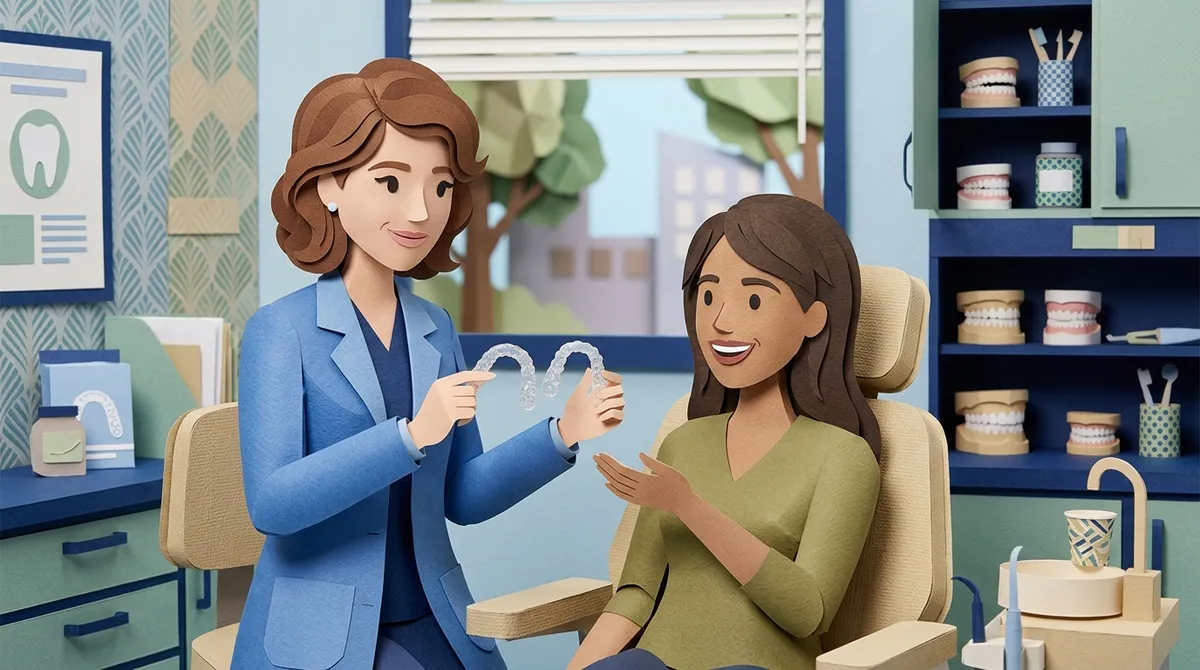
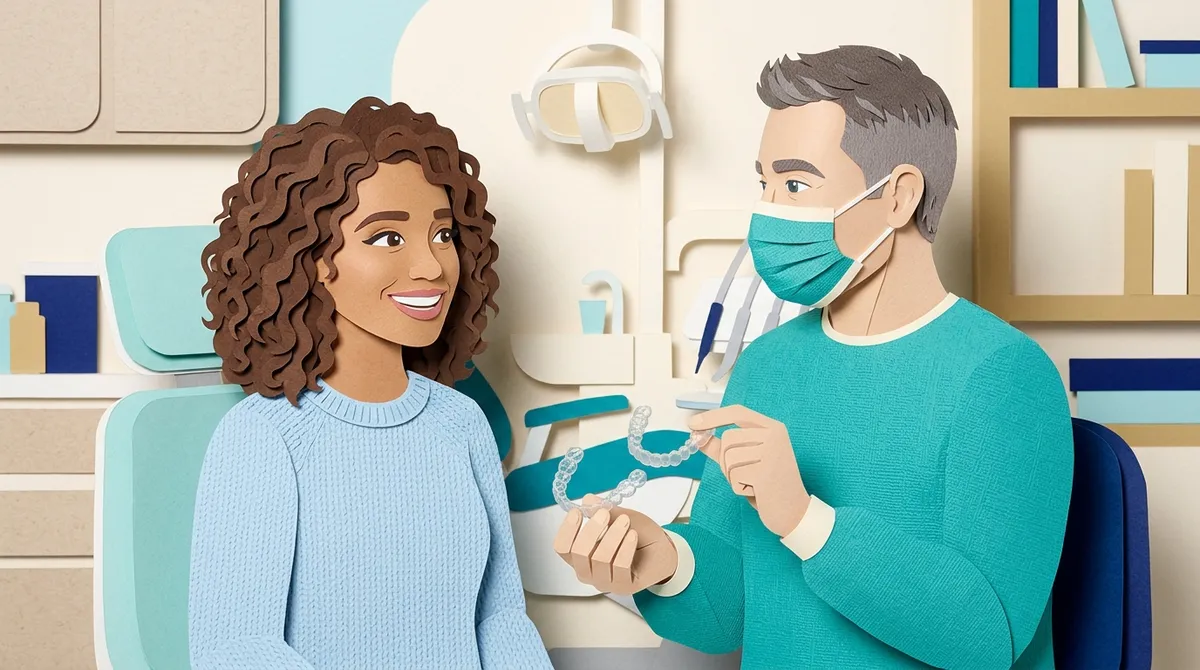
Clear aligners are the gold standard for brace-free orthodontic treatment. They work by gradually shifting your teeth using a series of custom-made, removable plastic trays. For mild to moderate alignment issues, they’re highly effective and incredibly discreet. You can learn more about this option on our Spark™ Clear Aligners page.
Retainers for Minor Corrections
Retainers are best suited for maintaining tooth position after orthodontic treatment or correcting very minor shifting. They won’t fix significant crowding or bite problems, but they can be a helpful tool for small touch-ups. Our Retainers page has more details on how they work.
Cosmetic Solutions Versus Actual Realignment
Options like veneers and dental bonding don’t move your teeth at all. Instead, they mask the appearance of misalignment. These are cosmetic solutions, not orthodontic ones. They’re worth considering if appearance is your main concern, but they won’t fix underlying bite issues.
Professional Evaluation Importance
No matter which route you’re considering, a professional evaluation is essential. An orthodontist will assess your bite, tooth position, and jaw alignment to recommend the safest and most effective option. Skipping this step can lead to wasted time and money — or worse, oral health problems. The American Dental Association strongly recommends professional supervision for any tooth movement.
Clear Aligners: Your Most Effective Brace-Free Solution
Clear aligners are the most popular and effective way to realign teeth without traditional braces. They combine the science of orthodontics with the convenience of a removable appliance. Here’s how they work.
How Custom Aligner Trays Work
Each aligner tray is custom-made using a digital scan of your mouth. The trays are designed to apply gentle, consistent pressure to specific teeth. Over time, this pressure moves your teeth into their ideal positions. Each new tray in the series continues the process until your treatment is complete.
Treatment Timeline and Tray Switching Schedule
Most patients switch to a new set of trays every one to two weeks. This gradual progression allows your teeth to shift safely and comfortably. Total treatment time varies depending on the complexity of your case. Many adults see significant results in as little as six months, while more involved cases may take longer.
| Case Complexity | Estimated Treatment Time | Tray Changes |
|---|---|---|
| Mild misalignment | 3–6 months | Every 1–2 weeks |
| Moderate misalignment | 6–12 months | Every 1–2 weeks |
| Complex cases | 12–24 months | Every 1–2 weeks |
Daily Wear Requirements and Maintenance
Clear aligners must be worn 20 to 22 hours per day for best results. You remove them to eat, drink anything other than water, and brush your teeth. Keeping your trays clean is simple — rinse them with cool water and brush them gently. Consistency is the biggest factor in a successful outcome.
Suitable Cases for Aligner Therapy
Clear aligners work well for a wide range of issues, including:
- Mild to moderate crowding
- Small gaps between teeth
- Minor overbites or underbites
- Slight rotations and spacing issues
- Orthodontic relapse after previous treatment
They’re a great fit for teens and adults alike. If you’re curious whether you qualify, our free clear aligner consultation in Clearwater is a great first step.
Cosmetic Alternatives That Create Straighter-Looking Smiles
Sometimes, patients want a faster fix for the appearance of misalignment without going through months of orthodontic treatment. Cosmetic dentistry offers a few options worth knowing about.
Porcelain Veneers for Instant Transformation
Porcelain veneers are thin shells bonded to the front surface of your teeth. They can mask crookedness, gaps, and uneven edges. The result looks remarkably natural, and the transformation is nearly instant compared to orthodontic timelines. Veneers are a popular choice for patients who want a cosmetic upgrade quickly.
Dental Bonding for Minor Gaps
Dental bonding uses a tooth-colored resin to reshape small chips, gaps, or slightly crooked teeth. A dentist can usually complete this in a single visit. It’s one of the most affordable cosmetic options and requires no anesthesia in most cases.
When Appearance Matters More Than Position
Cosmetic solutions are ideal when your main concern is how your smile looks, not how your teeth function. If your bite is healthy and alignment issues are minor, veneers or bonding may be all you need.
| Option | Moves Teeth? | Best For | Longevity |
|---|---|---|---|
| Clear Aligners | Yes | Mild to moderate misalignment | Permanent (with retainer) |
| Porcelain Veneers | No | Cosmetic improvements | 10–20 years |
| Dental Bonding | No | Minor gaps and chips | 3–10 years |
| Retainers | Minimally | Preventing relapse | Ongoing |
Limitations of Cosmetic-Only Approaches
It’s important to understand what cosmetic treatments cannot do. They don’t correct bite problems, jaw misalignment, or overcrowding. If these issues go untreated, they can cause long-term problems like jaw pain, uneven wear, and difficulty chewing. Always consult an orthodontist first to rule out functional concerns before choosing a purely cosmetic path.

Determining If You’re a Good Candidate for Brace-Free Treatment
Not everyone qualifies for clear aligners or cosmetic alternatives. Here’s how to think about whether brace-free treatment is right for you.
Mild Versus Moderate Misalignment Criteria
Clear aligners work best for mild to moderate misalignment. If your teeth are severely crowded, significantly rotated, or your bite is substantially off, traditional braces or other appliances may be more effective. An orthodontist will evaluate your teeth using 3D scans to determine the extent of your misalignment and which treatment can achieve your goals.
Age Considerations for Different Methods
Clear aligners are suitable for teenagers and adults. Children with developing jaws may need early interceptive treatment instead. Our Early Treatment page explains when it makes sense to start orthodontic care for younger children. For teens, our Adolescent Treatment options include clear aligner solutions designed specifically for younger patients.
Previous Orthodontic History Impact
If you previously had braces and your teeth have shifted back, you may be an excellent candidate for clear aligners. Many of our adult treatment patients fall into this category. Minor relapse often responds very well to aligner therapy without needing to start from scratch.
Bite Issues That Require Traditional Treatment
Some bite problems — like severe overbites, underbites, or crossbites — may still require traditional braces or additional appliances to fix correctly. Trying to treat these with aligners alone can lead to incomplete correction. Your orthodontist will be honest with you about what each option can realistically achieve. For more information, check out all about braces to compare your options side by side.
The Treatment Process: What to Expect at Each Stage
If you’re ready to explore brace-free treatment, here’s a step-by-step look at what the journey looks like at Brockway Orthodontics.
- Initial consultation and evaluation — Your orthodontist reviews your dental and medical history and takes photos of your teeth and face.
- 3D scanning and treatment planning — A digital scan maps your entire mouth with precision. This data is used to design your custom trays and create a virtual preview of your final smile.
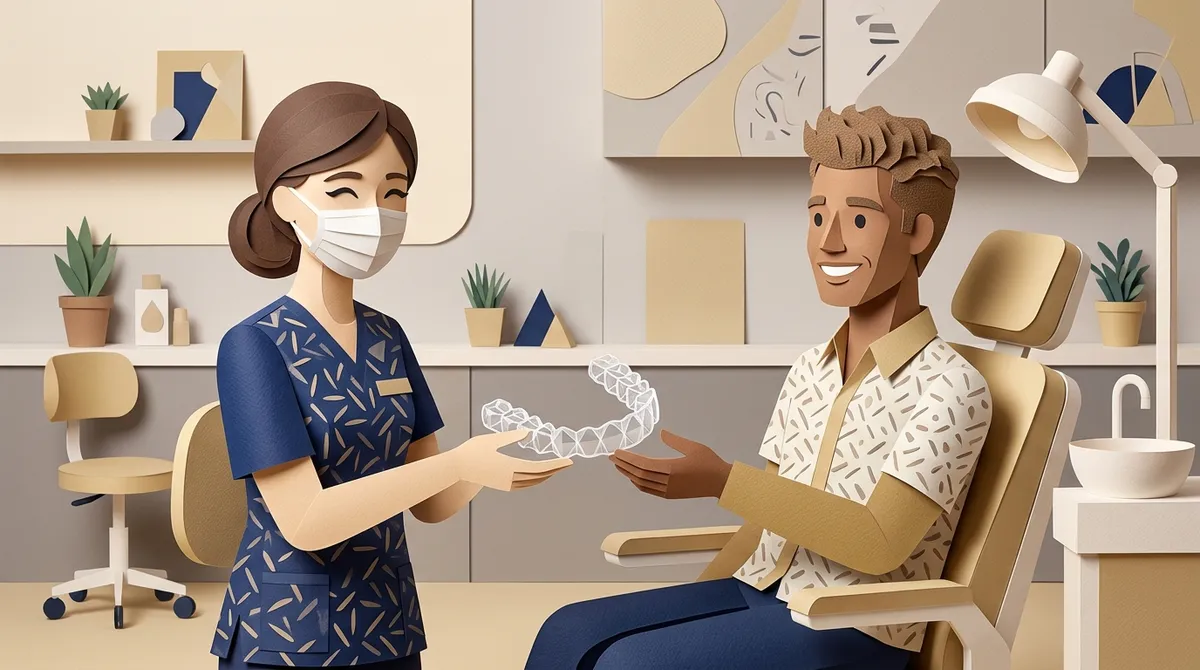
- Receiving your first aligners — You’ll pick up your first set of trays and get guidance on wearing and caring for them. Small tooth-colored attachments may be added to help the aligners grip your teeth better.
- Progress check appointments — You’ll visit the office every six to ten weeks so your orthodontist can monitor your progress and make any needed adjustments.
- Retention phase — Once active treatment ends, you’ll wear a retainer to hold your new smile in place. This step is essential for keeping your results long-term.
Initial 3D Scanning and Treatment Planning
Modern 3D scanning technology eliminates the need for messy impressions. The scan takes just a few minutes and produces a highly accurate digital model of your mouth. This allows your orthodontist to plan every stage of your treatment with precision. You can even see a simulation of what your smile will look like after treatment before you begin.
Progress Monitoring and Adjustments
Regular check-ins ensure your teeth are moving as planned. If something isn’t quite right, your orthodontist can refine the plan and issue new trays. This level of oversight is what separates professional aligner therapy from unsupervised at-home kits. The Florida Association of Orthodontists recommends ongoing professional monitoring throughout any orthodontic treatment.
Retention Phase After Active Treatment
Completing your aligner series is a big milestone — but it’s not the finish line. Wearing a retainer as directed keeps your teeth in their new positions. Without it, teeth can gradually shift back over time. Most patients wear retainers nightly long-term as a simple maintenance step.
Making Your Decision: Cost, Time, and Lifestyle Factors
Choosing the right treatment means weighing more than just clinical results. Here’s how the main brace-free options compare on the factors that matter most day to day.
Treatment Duration Comparisons
Clear aligners often deliver results faster than traditional braces for mild to moderate cases. Many adults complete aligner treatment in six to eighteen months. Cosmetic options like veneers can transform your smile in just two to three appointments. However, cosmetic solutions don’t correct underlying tooth position, so the right timeline depends on your specific goals.
| Treatment Type | Typical Duration | Visible Change Timeline |
|---|---|---|
| Clear Aligners | 6–18 months | Weeks to a few months |
| Porcelain Veneers | 2–3 appointments | Immediate |
| Dental Bonding | 1 appointment | Immediate |
| Traditional Braces | 18–36 months | Several months |
Insurance Coverage Considerations
Many dental insurance plans cover a portion of orthodontic treatment, including clear aligners. Coverage depends on your plan and provider. Our team at Brockway Orthodontics can help you understand your benefits and explore payment options. Visit our Financing and Insurance page to learn what options are available to make treatment affordable.
Impact on Daily Activities and Speech
Clear aligners fit comfortably over your teeth and don’t interfere with most daily activities. Some patients notice a slight lisp when they first start wearing aligners, but this typically fades within a week or two. You remove them to eat and drink, so there are no food restrictions. For busy professionals and active teens, this flexibility is a major advantage.
Long-Term Investment Value
Orthodontic treatment is a long-term investment in your health and confidence. Straighter teeth are easier to clean, reducing the risk of cavities and gum disease over time. A properly aligned bite also reduces wear and jaw strain. When you factor in the health benefits alongside the cosmetic ones, the value is clear. You can also explore the best aligner alternatives for straightening your teeth to make a fully informed decision.
Ready to find out if brace-free treatment is right for your smile? We’d love to help you explore your options in a warm, judgment-free environment. Visit us on Google to see what our patients are saying, or take the next step and schedule your free consultation at Brockway Orthodontics today. Your best smile is closer than you think.
FAQs
Q: Can I switch from braces to clear aligners mid-treatment?
A: In many cases, yes! Some patients do transition from braces to clear aligners partway through treatment, especially if their remaining corrections are mild. Your orthodontist will evaluate where you are in treatment and determine if a switch makes clinical sense for your smile goals.
Q: What happens if I don’t wear my aligners for the recommended 22 hours?
A: Wearing your aligners less than the recommended 20 to 22 hours per day can slow your progress and even cause your teeth to shift back slightly between trays. Consistency is really the secret ingredient to great aligner results, so try to keep them in as much as possible — your future smile will thank you!
Q: Are at-home teeth straightening kits safe to use?
A: At-home kits lack the professional oversight needed to safely guide tooth movement, which can lead to bite problems, root damage, or incomplete results. We always recommend seeing a licensed orthodontist who can monitor your progress with proper imaging and make adjustments as needed. Your smile is worth the extra care!
Q: How do I know if my teeth shifting is normal aging or something serious?
A: Some minor tooth movement over time is completely normal, but noticeable changes in your bite, spacing, or alignment are worth having checked by an orthodontist. Significant shifting — especially after previous treatment — could indicate the need for a new retainer or a short course of aligner therapy. Don’t wait too long; catching it early usually means simpler solutions.
Q: Will my teeth stay straight permanently after aligner treatment?
A: Aligner treatment produces lasting results, but teeth have a natural tendency to shift over time without support. Wearing your retainer as prescribed is the key to keeping your smile looking its best for years to come. Think of your retainer as the “maintenance plan” for your new smile — a small daily habit with big long-term payoff!