Key Takeaways
-
Soreness peaks on days 2-3 after placement but significantly improves by day 5; over-the-counter pain relievers like ibuprofen taken an hour before peak soreness provides substantial relief.
-
Orthodontic wax and warm saltwater rinses (half teaspoon salt in warm water, 2-3 times daily) are essential tools for managing bracket irritation on cheeks and lips during the first week.
-
Stick to soft foods like oatmeal, yogurt, soup, mashed potatoes, and soft fish for the first few days; avoid hard, sticky, and crunchy foods to prevent bracket damage and reduce eating discomfort.
-
Increase brushing to 2-3 times daily with a soft-bristled toothbrush and learn to floss with threaders under the wire; this is critical as braces create more surfaces where food and plaque hide.
-
Mild speech changes and increased saliva are completely normal in the first few hours and resolve within days as your mouth adapts to the brackets and wires.
-
Prepare before your appointment with a care kit including orthodontic wax, soft toothbrush, floss picks, pain relievers, and soft foods to make the adjustment period smoother.
Getting braces is a big, exciting step! You are officially on your way to a healthier, straighter smile. But let’s be honest — life with braces in the first week can feel a little overwhelming. What will it feel like? What can you eat? Will it hurt?
Don’t worry. We’ve got you covered. Whether you’re a teen heading into high school, a busy adult professional, or a parent helping your child through this milestone, this guide walks you through exactly what to expect. Knowledge makes everything easier, and we want your first week to be as smooth and comfortable as possible.
At Brockway Orthodontics, we believe every patient deserves to feel informed and confident from day one. So let’s dive in — here are 14 things you can expect during your first week with braces.
The First Few Hours: What Happens Right After Getting Braces
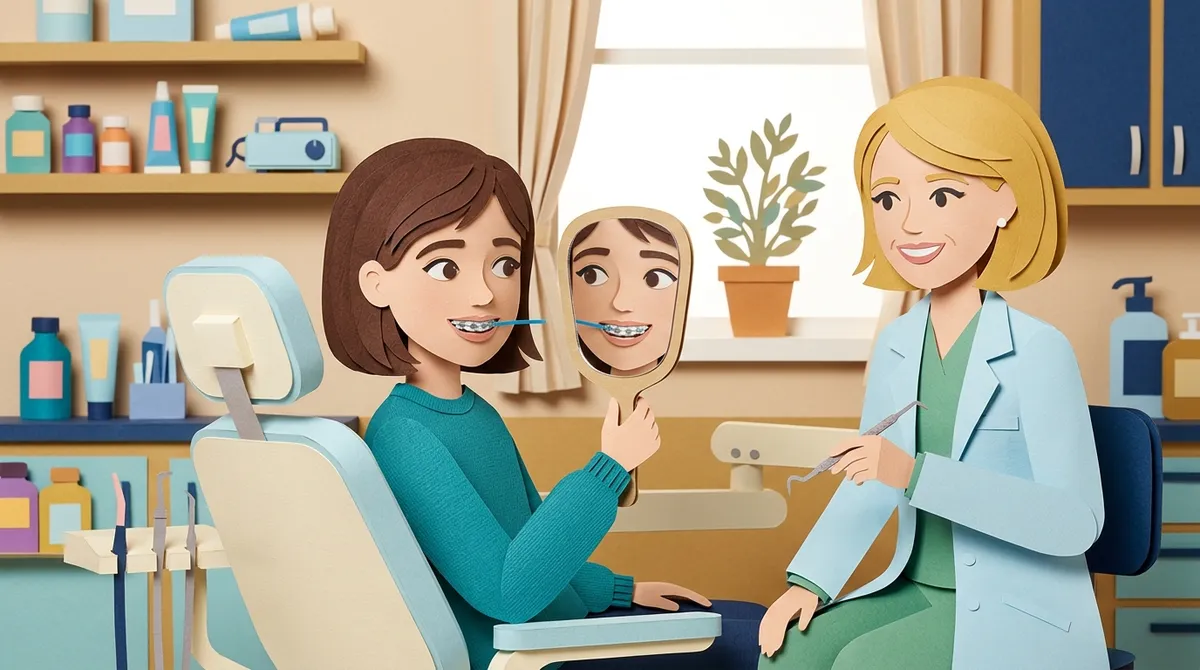
The first visit to get your braces placed usually takes about one to two hours. The process itself is not painful at all. Your orthodontist carefully bonds each bracket to your teeth and connects the wire. You may feel some pressure, but no sharp pain during placement.
One funny thing many patients notice right away? Extra saliva! Your mouth detects foreign objects and responds by producing more saliva. This is completely normal and usually settles down within about 20 minutes. Just keep swallowing — it passes quickly.
14 Things You Will Experience During Your First Week
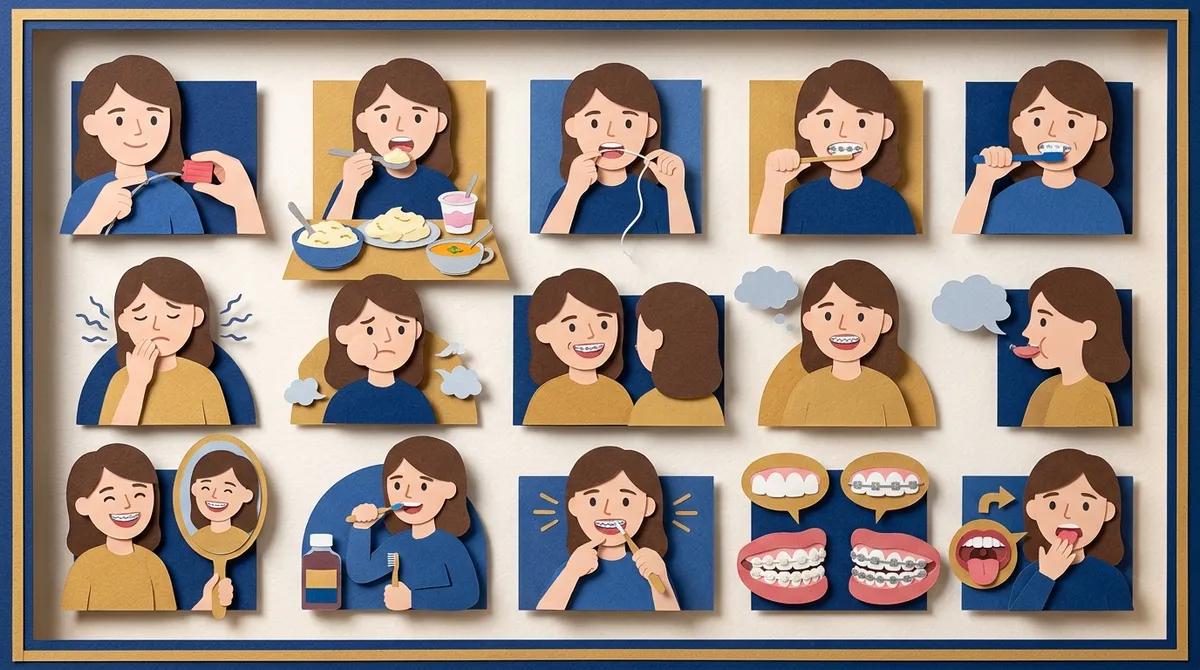
1. No Pain During the Placement
Here is some great news. Getting braces put on does not hurt. The procedure is straightforward and comfortable. Your orthodontist will clean, dry, and bond the brackets to each tooth before threading the wire. You may feel some pressure or hear some clicking sounds, but pain is not part of the process.
2. Soreness Starts After a Few Hours
Here is where things change a little. Once your teeth start to move — usually a few hours after placement — you will feel a dull ache. This is your mouth responding to the new forces on your teeth. It is a sign that the braces are already working! For a helpful overview, check out all about braces on our website.
3. Peak Soreness Hits on Days 2 and 3
Soreness typically peaks on days two and three after getting braces. The discomfort is usually a dull, achy feeling rather than sharp pain. Most patients describe it as similar to the feeling of a sore muscle after a good workout. Hang in there — it gets better fast.
4. Pain Medication Helps Significantly
Over-the-counter pain relievers like ibuprofen or acetaminophen work very well for braces soreness. Take them as directed on the label. Many orthodontists recommend taking a dose about an hour before you expect the soreness to peak. Always check with your doctor if you have any concerns about which pain reliever is right for you.
5. By Day 5, You Will Feel Much Better
Here is the light at the end of the tunnel. By day five, most patients feel significantly better. The initial soreness from life with braces in the first week fades, and many people can return to eating their normal diet without needing pain medication. Your mouth adapts quickly — you will be surprised how fast you adjust.
6. Your Cheeks and Lips Will Feel Irritated
The brackets and wires are new to your mouth. Your cheeks and lips are not used to them yet. You may notice some rubbing and mild irritation on the soft tissue inside your mouth. This is extremely common and temporary. As your mouth toughens up over the coming weeks, you will barely notice them at all.
7. Orthodontic Wax Becomes Your Best Friend
Orthodontic wax is a soft, moldable material that you press over brackets or wires that are rubbing against your cheeks or lips. It creates a smooth barrier and provides instant relief. Pinch off a small piece, roll it into a ball, and press it firmly over the irritating bracket. Your orthodontic team will likely send you home with some on your very first day.
8. Warm Saltwater Rinses Soothe Soreness
A simple warm saltwater rinse can do wonders for mouth soreness and irritation. Mix about half a teaspoon of salt into a glass of warm water and swish gently for 30 to 60 seconds. The American Dental Association recognizes saltwater rinses as a helpful way to reduce oral irritation and promote healing. Do this two to three times a day for the best results.
9. Eating Soft Foods Is a Must
During the first few days, your teeth will be sore. Hard or crunchy foods will make eating painful. Stick to soft foods that are gentle on your teeth and brackets. This makes meal time much more comfortable and protects your new braces from damage. Learn more about good foods for braces to help you enjoy eating without worry.
10. You Need to Brush More Often
Braces create more surfaces where food can hide. The blueprint for braces success starts with great oral hygiene. You should brush at least two to three times a day, ideally after every meal. Use a soft-bristled toothbrush and take your time to clean around each bracket and under the wire.
11. Flossing With Braces Takes Practice
Flossing does not stop just because you have braces — it becomes even more important! You will need to thread the floss under the wire before sliding it between your teeth. Floss threaders and orthodontic floss picks make this much easier. Aim to floss at least once every day. It keeps your gums healthy and your teeth clean throughout your entire treatment.
12. Speaking May Feel a Little Awkward
Some patients notice a slight change in how they speak right after getting braces. Your tongue and lips are adjusting to the new hardware in your mouth. You may notice a slight lisp or feel like your speech sounds different. This almost always resolves within a few days as your mouth adapts. If you are curious whether braces affect speech long-term, learn more about braces and speech here.
13. You Will Need to Avoid Certain Foods Right Away
Some foods can damage your brackets or get stuck in your braces. It is important to know what to avoid from day one. The Florida Association of Orthodontists and orthodontic professionals consistently advise patients to steer clear of hard, sticky, and chewy foods throughout treatment. Starting good habits in week one sets you up for success.
14. Your Next Appointment Is Already Scheduled
Orthodontic adjustment appointments are typically scheduled every four to eight weeks. Each visit lasts about 20 to 30 minutes. At each appointment, your orthodontist will tighten the wire and check your progress. Good news — subsequent appointments after the first one do not involve the same level of initial discomfort. You have already done the hardest part! For teens going through treatment, explore our adolescent treatment options to learn more.

First Week Soft Food Guide
Eating during the first few days is all about choosing foods that are gentle on your sore teeth. Here is a helpful table to guide your meal planning during life with braces in the first week.
| Meal Time | Recommended Soft Foods | Foods to Avoid |
|---|---|---|
| Breakfast | Oatmeal, yogurt, smoothies, scrambled eggs | Granola, toast, hard cereals |
| Lunch | Soup, soft pasta, mashed potatoes, soft bread | Hard rolls, chips, raw vegetables |
| Dinner | Soft fish, mashed potatoes, cooked vegetables, rice | Steak, corn on the cob, pizza crust |
| Snacks | Pudding, applesauce, soft cheese, bananas | Popcorn, nuts, hard candy, gum |
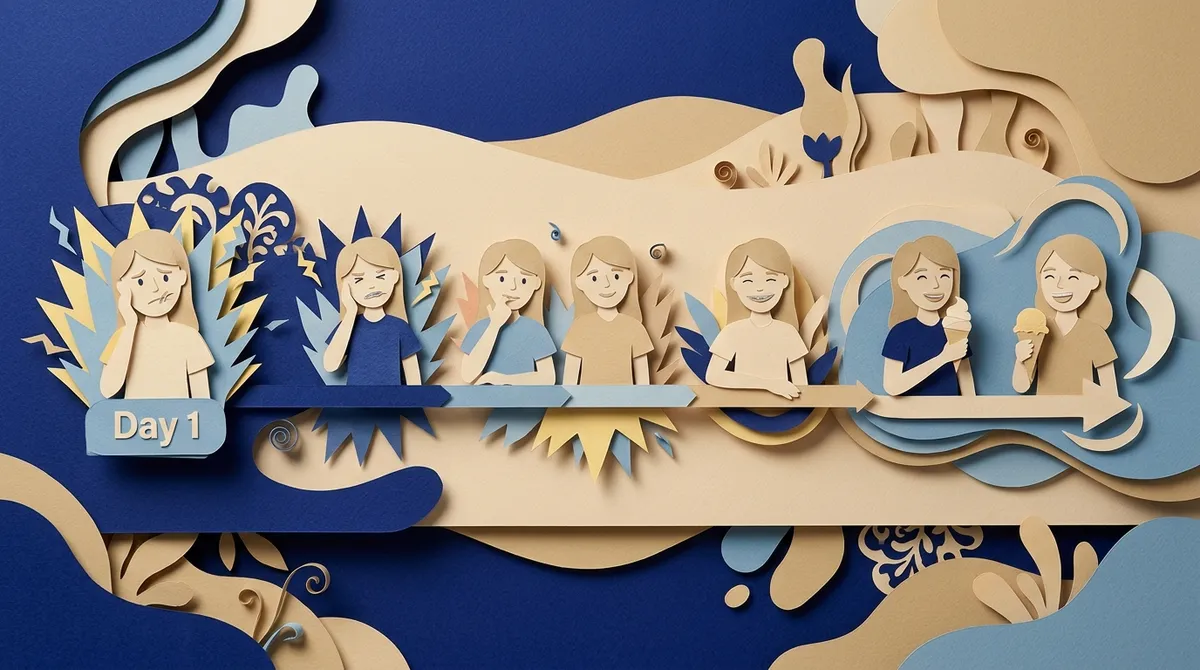
Day-by-Day Soreness Timeline
Understanding when to expect discomfort makes the first week much easier to manage. Here is a clear breakdown of how most patients feel day by day during their first week with braces.
| Day | What to Expect | Tips |
|---|---|---|
| Day 1 | Mild pressure, increased saliva, soft tissue irritation begins | Use orthodontic wax, eat soft foods, take pain reliever if needed |
| Day 2 | Soreness begins to peak, teeth feel achy and tender | Saltwater rinses, soft diet, OTC pain medication |
| Day 3 | Peak soreness — most uncomfortable day for many patients | Rest, soft foods, stay consistent with pain relief routine |
| Day 4 | Soreness starts to improve noticeably | Keep up oral hygiene, start introducing slightly softer solid foods |
| Day 5-7 | Most patients feel significantly better, near normal | Resume regular diet gradually, continue excellent oral hygiene |
Your First Week Braces Care Checklist
Staying organized makes the first week so much easier. Here is a numbered checklist to help you stay on track from day one of life with braces.
- Stock up on soft foods before your appointment so you are prepared at home.
- Pick up orthodontic wax from the pharmacy — you will want it on hand right away.
- Get a soft-bristled toothbrush and orthodontic floss picks or floss threaders.
- Have OTC pain relievers ready such as ibuprofen or acetaminophen.
- Plan for saltwater rinses two to three times daily for the first few days.
- Keep your follow-up appointment information organized and in your calendar.
- Take it easy on day one — this is a great day to rest and watch your favorite show.
What to Pack in Your Braces Care Kit
Whether you are a student, a working professional, or a parent managing your child’s braces, having a small care kit on the go is a game-changer. Here is what to include:
- Orthodontic wax
- A travel-sized soft-bristled toothbrush
- Toothpaste
- Floss picks or a floss threader
- Interdental brushes (great for cleaning around brackets)
- A small mirror
- Pain reliever tablets (for adults)
Many orthodontic offices provide a starter kit at your first appointment. Ask your care team what they recommend. At Brockway Orthodontics, we make sure every new patient leaves feeling fully prepared. You can also schedule your free consultation to ask questions before your braces are even placed.
Foods to Avoid in the First Week
Protecting your braces from the very beginning makes your entire treatment go more smoothly. Some foods can pop brackets off or bend wires, which means extra trips to the orthodontist. Here is what to avoid during life with braces in the first week and beyond.
- Hard foods: Raw carrots, apples, hard candies, ice
- Sticky foods: Caramel, taffy, chewing gum, gummy candies
- Chewy foods: Bagels, hard rolls, beef jerky
- Crunchy foods: Chips, popcorn, pretzels, hard taco shells
- Foods that require biting into: Corn on the cob, whole apples, ribs
For a more detailed guide, visit our page on foods to avoid with braces. Understanding what to skip from day one protects your investment and keeps your treatment on schedule.
Oral Hygiene With Braces: A Step-by-Step Routine
Good oral hygiene is one of the most important parts of successful orthodontic treatment. Here is a simple step-by-step brushing and flossing routine for your first week and beyond.
- Rinse first — swish water around your mouth to loosen any food particles before brushing.
- Brush at a 45-degree angle — hold your toothbrush at an angle to clean above and below each bracket.
- Brush each tooth individually — spend about 10 seconds on each tooth, using small circular motions.
- Clean around the wire — gently brush below and above the archwire on every tooth.
- Thread the floss — use a floss threader to slide floss under the wire and between each pair of teeth.
- Rinse again — finish with a fluoride mouthwash to help protect enamel around the brackets.
The American Dental Association recommends brushing for at least two minutes and flossing daily to maintain good oral health. With braces, this becomes even more important since food and plaque hide so easily around brackets and wires.
Sports and Activities During Week One
Most patients can return to normal activities very quickly. However, if you play contact sports, talk to your orthodontist about getting a mouthguard right away. A properly fitted mouthguard protects your brackets and your teeth from impact. Check with the Florida Association of Orthodontists for guidance on orthodontic mouthguards for athletes.
- Low-impact activities like walking, cycling, and swimming are totally fine from day one.
- Contact sports like football, basketball, or soccer require a mouthguard.
- Playing a wind instrument may feel slightly different at first — give yourself a few days to adjust.
- If you feel too sore for vigorous exercise in the first two days, it is okay to take it easy.
Braces Care Comparison: Week One vs. Ongoing Treatment
Wondering how the first week compares to the rest of your treatment? Here is a quick side-by-side look to set your expectations clearly.
| Experience | First Week | Ongoing Treatment |
|---|---|---|
| Soreness Level | Moderate to high (peaks days 2-3) | Mild soreness after each adjustment appointment |
| Diet Restrictions | Mostly soft foods recommended | Avoid hard/sticky foods throughout treatment |
| Oral Hygiene | Learning new routine, takes longer at first | Becomes quick and habitual |
| Wax Usage | Frequent — cheeks are still adjusting | Occasional — mainly after adjustments |
| Speech Changes | Possible mild lisp or awkwardness | Speech returns fully to normal |
Steps to Take If Something Feels Wrong
Occasionally, a wire or bracket may cause more discomfort than expected. Here is a simple numbered guide for handling common first-week issues.
- Poking wire: Use the eraser end of a pencil or a cotton swab to gently push the wire away from your cheek. Then place orthodontic wax over it for relief.
- Loose bracket: If a bracket comes off, keep it safe if possible and call your orthodontist to schedule a repair appointment.
- Extreme soreness: If pain is more severe than expected, call your orthodontist’s office. It is always okay to ask for guidance.
- Mouth sore or ulcer: Apply orthodontic wax over the irritating area and use saltwater rinses frequently to help the sore heal faster.
If you ever have a concern you are not sure about, do not hesitate to reach out. You can always contact us at Brockway Orthodontics to get quick answers and peace of mind. For urgent situations, learn the difference between emergency vs. routine orthodontic care so you know when to call right away.
You Are Not Alone in This Journey
Thousands of people start their braces journey every single day. Kids, teenagers, working adults, and even patients in their 50s and beyond are all choosing braces to improve their smiles and oral health. If you are an adult considering treatment, explore adult orthodontic treatment options to see everything available to you.
The first week of life with braces is genuinely the hardest part. Once you get through it, things get so much easier. Your mouth toughens up, your routine becomes second nature, and you start to see real changes in your smile. It is absolutely worth it.
Follow along with our patient community on Instagram for tips, inspiration, and a look at real smile transformations from patients just like you. You can also visit us on Google to read reviews from patients who have been exactly where you are right now.
Final Thoughts: Your Smile Is Worth It
Life with braces in the first week is a mix of excitement and adjustment. You may feel a little sore, a little unsure, and maybe even a little frustrated. That is completely okay. Every single patient who has ever worn braces went through exactly what you are going through right now.
The soreness fades. The awkward speech clears up. The soft food phase ends. And what you are left with is a beautiful, confident smile that lasts a lifetime. If you are ready to take the next step or just have questions, we would love to hear from you. Book your free consultation at Brockway Orthodontics today and let us help you start your smile journey with confidence!
FAQs
Q: How long does soreness last after getting braces?
A: Great news — the soreness is short-lived! Most patients experience peak discomfort on days two and three, with pain subsiding significantly by day five. By the end of the first week, most people feel totally back to normal and ready to tackle their regular diet again.
Q: What foods should I eat during the first week with braces?
A: Stick to soft, gentle foods that are easy on your tender teeth! Think oatmeal, yogurt, smoothies, mashed potatoes, soup, soft pasta, and pudding. These foods keep you nourished and comfortable while your mouth adjusts to its new hardware.
Q: What is orthodontic wax and how do I use it?
A: Orthodontic wax is a soft, pliable material that acts like a cushion between your brackets and the soft tissue of your cheeks and lips. Simply pinch off a small piece, roll it into a ball, and press it firmly over any bracket that is causing irritation. It provides instant relief and is completely safe to use as often as needed.
Q: What should I do if a wire is poking my cheek?
A: First, try gently pushing the wire back using the eraser end of a pencil or a cotton swab. Then place a piece of orthodontic wax over the sharp area for immediate comfort. If the poking wire continues to bother you or causes significant pain, reach out to your orthodontist right away so they can make a quick adjustment.
Q: Can I play sports during my first week with braces?
A: Yes, you can stay active — just be smart about it! Low-impact activities are totally fine from day one. If you play contact sports like football or basketball, make sure to wear a properly fitted mouthguard to protect both your braces and your teeth from any accidental impact.