Key Takeaways
-
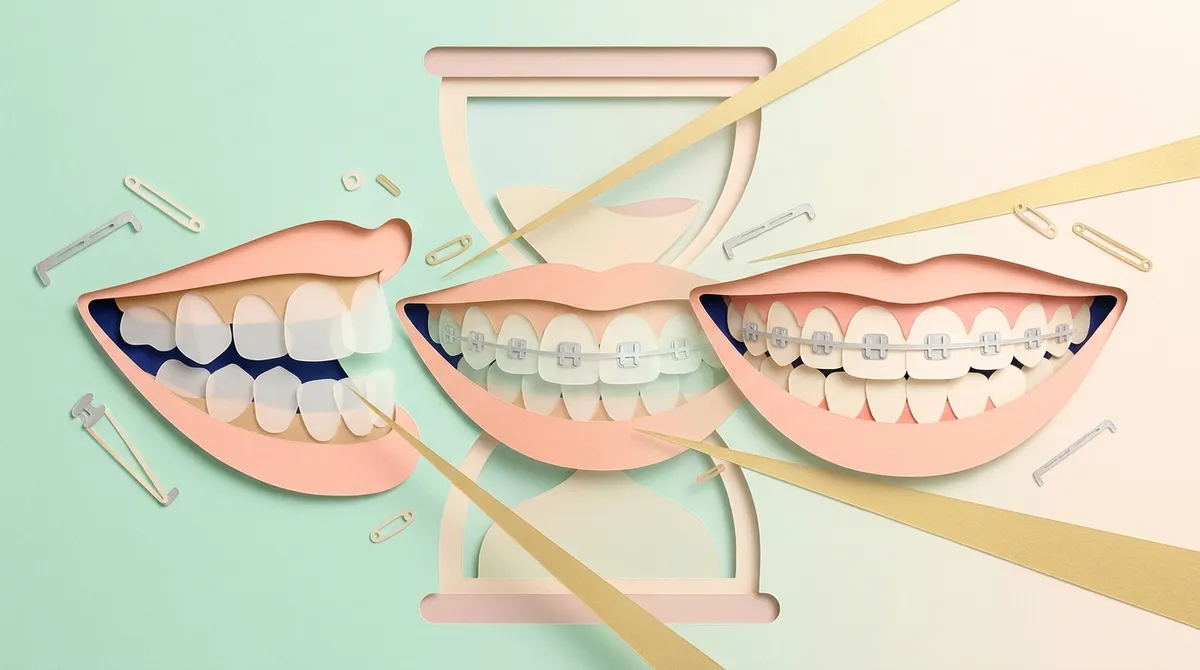
Braces typically take 12 to 36 months to work, with most patients finishing around 18 to 24 months depending on case complexity and individual factors.
-
Visible results appear within 1 to 3 months as teeth begin straightening and gaps close, with the most dramatic aesthetic improvements happening early in treatment.
-
Patient compliance is critical—skipping appointments, not wearing elastics, and poor oral hygiene can add months to treatment, while keeping every 4-10 week adjustment visit keeps progress on track.
-
Younger patients (children and teens) experience faster results due to developing, more flexible jawbones, while adults typically need 18-36 months due to denser bone structure.
-
Braces start working immediately within 24-72 hours as they apply gentle pressure triggering bone remodeling, even though results aren’t visually apparent right away.
-
Retainers are essential after treatment ends—teeth can slowly drift back to original positions without consistent retainer wear, protecting your long-term investment.
So, you’re thinking about braces — or maybe you just got them — and the big question on your mind is: how long do braces take to work? You’re not alone! This is one of the most common questions we hear at Brockway Orthodontics, and honestly, it’s a great one. The answer isn’t one-size-fits-all, but we’re going to break it all down for you in a way that’s easy to understand. Whether you’re a parent researching options for your child, a teen curious about your own treatment, or an adult ready to finally tackle that smile, this guide has got you covered. By the end, you’ll know exactly what to expect — and you might even feel excited about the journey ahead!
When Do Braces Start Working?
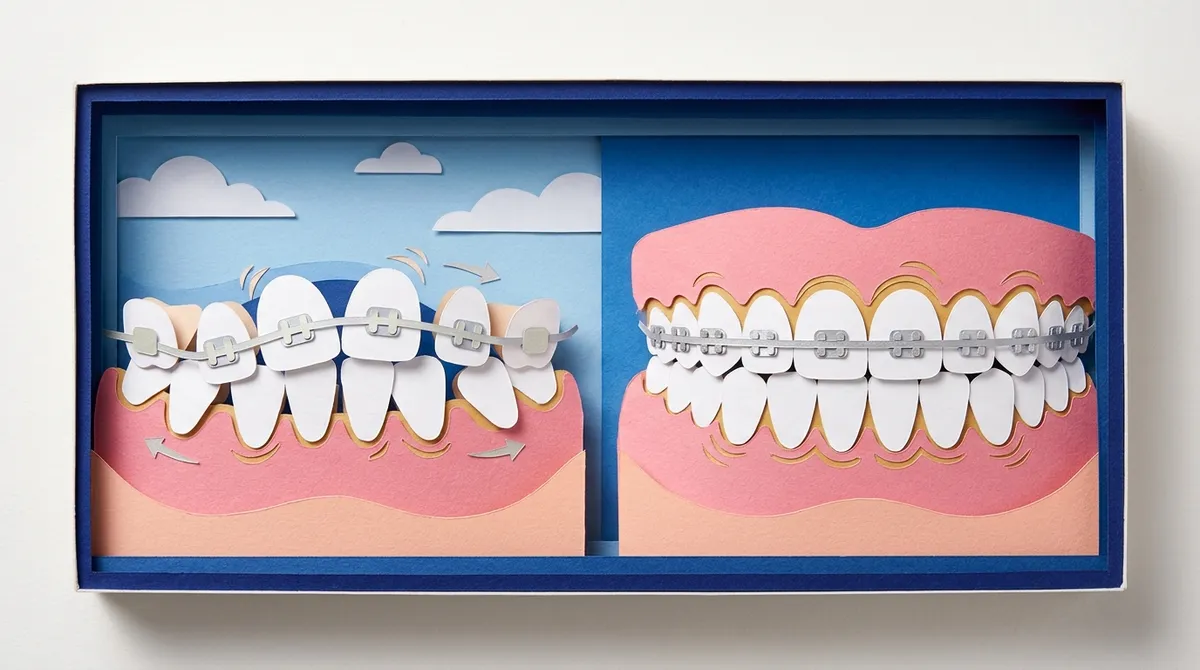
Here’s something pretty amazing: braces start working almost right away! Within the first 24 to 72 hours after your braces are placed, they begin applying gentle pressure to your teeth. This pressure kicks off a process called bone remodeling — your body actually breaks down and rebuilds the bone around your teeth so they can shift into new positions. That mild soreness you feel after getting braces? That’s actually a sign that things are already moving in the right direction! You can read more about all about braces on our website, including what to expect during those early days.
The American Dental Association confirms that orthodontic treatment works by using consistent, controlled pressure to guide teeth into proper alignment over time. So while you won’t wake up the next morning with a perfect smile, rest assured — your teeth are already on the move!
When Will You See Visible Results?
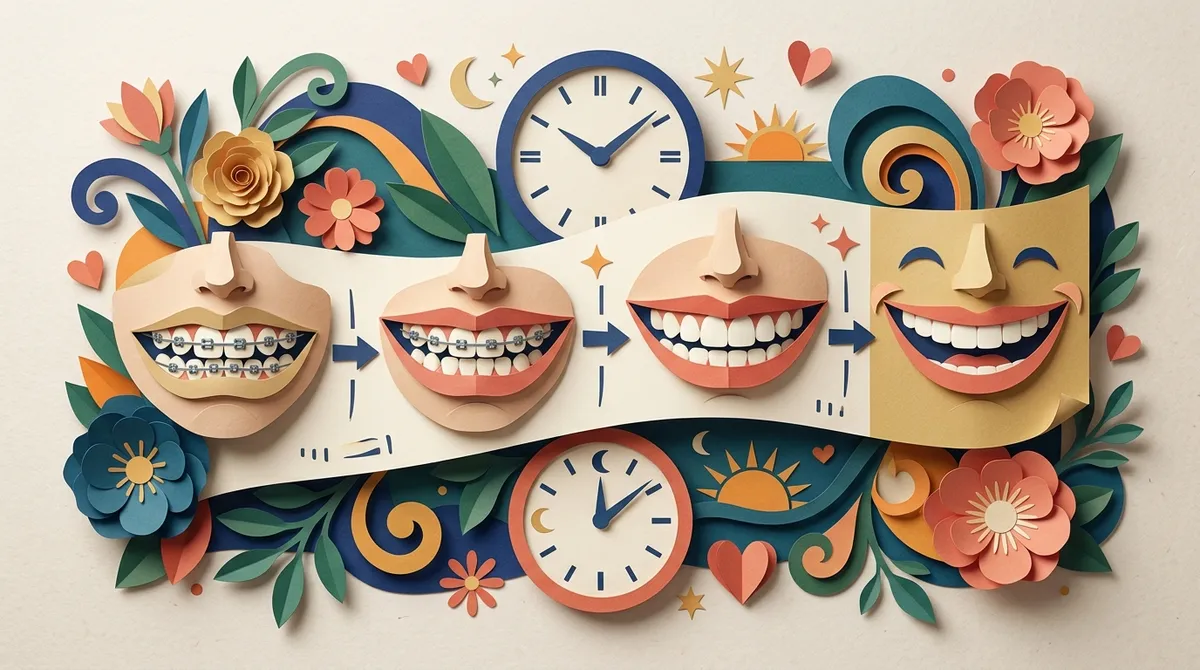
Most patients start noticing small but exciting changes within the first one to three months. Minor gaps may begin to close, and slightly crowded teeth often start to line up more neatly. The most dramatic aesthetic improvements tend to happen in the first few months of treatment. Bite corrections and deeper structural changes usually come later in the process.
Here’s a general timeline of what you might expect:
- Days 1–3: Braces are placed; bone remodeling begins; mild soreness is common.
- Weeks 1–4: Minor tooth movement begins; you may notice small positional changes.
- Months 1–3: Visible straightening occurs, especially for crowded or gapped teeth.
- Months 3–12: Major alignment improvements; spaces close; bite begins to shift.
- Months 12–24+: Fine-tuning of alignment and bite; finishing touches applied.
- Post-treatment: Retainers worn to keep your new smile in place.
Wondering what your first appointment will look like? Check out your first visit page to know exactly what to expect when you walk through our doors.
How Long Does Full Braces Treatment Take?
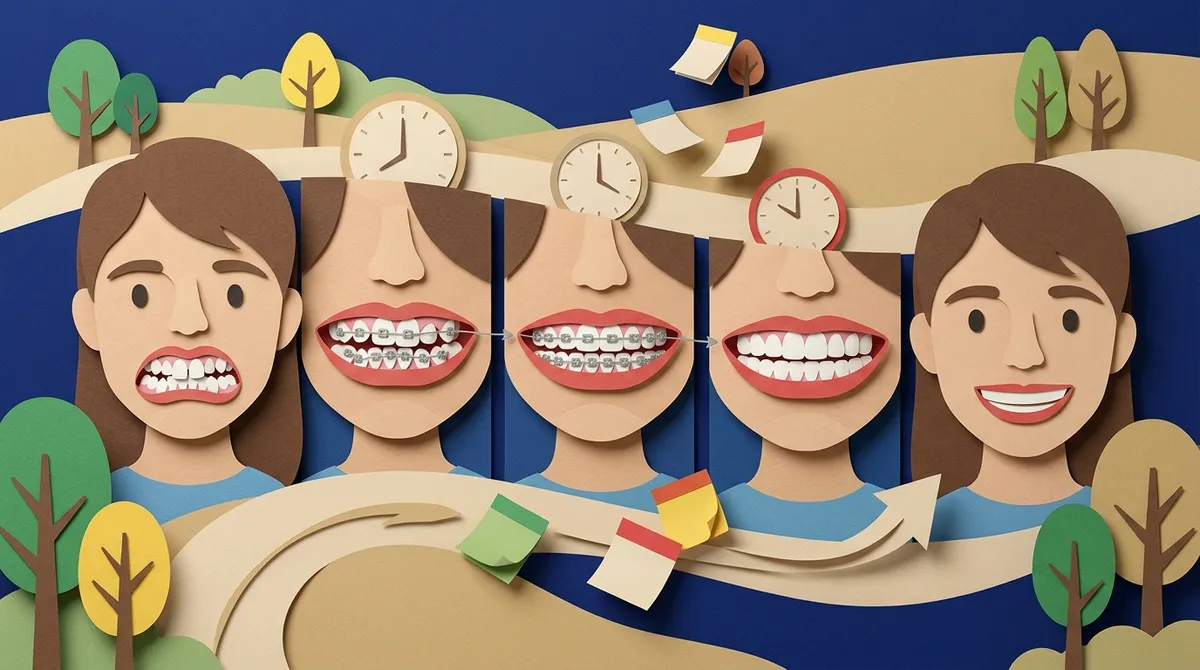
The full treatment time for braces typically ranges from 12 to 36 months, with most patients finishing somewhere around 18 to 24 months. However, every smile is unique! A mild case of crowding might wrap up in just over a year, while a more complex bite issue could take closer to three years to fully correct.
| Braces Type | Average Treatment Time | Best For |
|---|---|---|
| Traditional Metal Braces | 18–24 months | All ages; wide range of cases |
| Ceramic Braces | 18–24 months | Teens and adults seeking discretion |
| Damon Self-Ligating Braces | 6–24 months | Patients wanting faster treatment |
| Clear Aligners (e.g., Spark™) | 12–18 months | Teens and adults; mild to moderate cases |
If you’re an adult wondering about your options, our adult treatment page has everything you need to make a confident decision. And if you’re exploring aligner options, take a look at Spark™ Clear Aligners — a fantastic modern choice for both teens and adults.
Key Factors That Affect How Long Braces Take
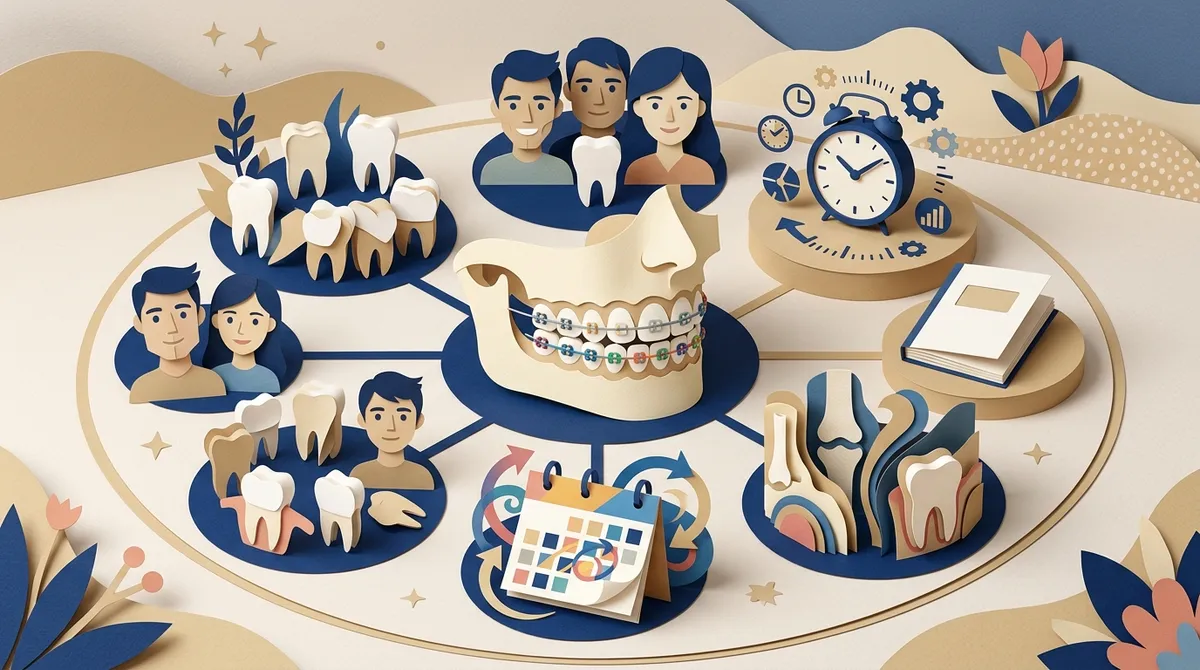
No two patients are exactly alike, which means treatment timelines can vary quite a bit. Here are the biggest factors that influence how long braces take to work for each individual:
- Severity of the issue: Mild crowding or small gaps resolve faster than severe bite problems or large spacing issues.
- Patient age: Younger jaws are still developing, making teeth easier to move. Children and teens often have shorter treatment times than adults.
- Oral health: Healthy gums and teeth support faster, smoother movement. Issues like gum disease can slow things down.
- Compliance: Following your orthodontist’s instructions — such as wearing elastics, avoiding certain foods, and keeping good hygiene — makes a huge difference.
- Type of braces: Different systems apply pressure in different ways, which can affect speed.
- Regular appointments: Keeping every adjustment appointment (typically every 4 to 10 weeks) keeps treatment on track.
The Florida Association of Orthodontists emphasizes that consistent follow-through from patients plays a critical role in achieving the best results on time. Skipping appointments or not wearing rubber bands as directed can add months to your treatment.
Braces Timeline: Children vs. Teens vs. Adults
Age plays a surprisingly big role in how fast braces work. Here’s a helpful breakdown by life stage:
| Age Group | Typical Treatment Time | Key Consideration |
|---|---|---|
| Children (7–12 years) | 12–18 months (Phase 2) | Growing jaws respond quickly to treatment |
| Teenagers (13–17 years) | 18–24 months | Peak time for orthodontic treatment |
| Adults (18+ years) | 18–36 months | Bone is denser; some cases take longer |
Parents of younger kids — early treatment can make a huge difference! Learn more about early orthodontic treatment and why catching issues young often shortens overall treatment time. For teens, our adolescent treatment page explains why the teenage years are actually the ideal time for braces.
Month-by-Month: What’s Happening Inside Your Mouth?
It’s fun to understand what’s going on behind the scenes as your braces work their magic. Here’s a simplified look at the biological process month by month:
| Phase | What’s Happening | What You Notice |
|---|---|---|
| Month 1 | Bone remodeling begins; ligament fibers stretch and compress | Soreness; small visible shifts |
| Months 2–3 | Teeth shift more significantly; gaps begin to close | Noticeable alignment changes |
| Months 4–9 | Spacing corrections; bite begins to adjust | Straighter-looking smile forming |
| Months 10–18 | Detailed bite corrections; fine alignment | Smile looks dramatically different |
| Months 18–24+ | Final finishing; retainer prep begins | Near-perfect smile achieved |
If you ever feel unsure about what’s happening with your treatment, don’t hesitate to reach out. You can always get in touch with our team at Brockway Orthodontics — we love answering questions!
How to Speed Up Your Braces Treatment
While you can’t rush biology, there are definitely things you can do to keep your treatment moving as efficiently as possible. Here are the top tips:
- Keep every adjustment appointment. These visits every 4 to 10 weeks are when your orthodontist makes critical changes. Don’t skip them!
- Wear your elastics (rubber bands) as directed. These little helpers make a big difference in correcting your bite on schedule.
- Maintain excellent oral hygiene. Healthy gums support faster tooth movement. Brush and floss regularly.
- Avoid foods that damage your braces. Broken brackets and bent wires mean extra repair visits — and extra time. Check out foods to avoid with braces for a helpful guide.
- Follow all your orthodontist’s instructions. Every recommendation has a purpose. Trust the process!
Curious about common habits that slow treatment down? Take a peek at 9 speed traps that sabotage fast teeth straightening — it’s an eye-opener!
What Happens After Braces Come Off?
Congratulations — your braces are off! But hold on, the journey isn’t quite over yet. After active treatment ends, retainers are essential for keeping your teeth in their new positions. Without a retainer, teeth can slowly drift back toward their original spots — a frustrating experience called relapse. Most orthodontists recommend wearing retainers full-time at first, then gradually transitioning to nighttime wear.
Want to know all about retainers and why they matter? Our retainers page covers everything you need to know to protect your investment. And if you’ve been through braces before and things have shifted, you’re not alone — adult retreatment is more common than you might think!
Keeping your smile looking great long-term is also much easier when you stay connected with your orthodontic team. Follow us on Instagram for tips, patient stories, and behind-the-scenes fun from our office!
Is the Wait Worth It? Absolutely!
We know waiting for your perfect smile can feel like a long road — especially in the early months. But the results truly last a lifetime. Straight teeth are easier to clean, which means better oral health overall. A confident smile also has a ripple effect on your self-esteem, social life, and even your career. At Brockway Orthodontics, we believe every patient deserves a personalized treatment plan that gets them to their best smile as efficiently as possible.
If stress has you tensed up during your orthodontic journey, you might even want to treat yourself to some relaxation along the way — Mobile Area Massage of Tampa Bay is a wonderful local option for unwinding between appointments!
Ready to find out exactly how long your treatment might take? The best way to get a real answer is with a personalized consultation. Visit us on Google — Brockway Orthodontics to see what our happy patients are saying, or explore our full range of orthodontic services to find the right treatment for your smile goals.
Your perfect smile is closer than you think. Schedule your free consultation today and let’s map out your personalized smile journey together — we can’t wait to meet you!
FAQs
Q: How soon after getting braces will I see results?
A: You’ll start to notice small changes within the first one to three months of treatment! The most visible improvements — like teeth straightening and gaps closing — tend to happen in those exciting early months. Every smile moves at its own pace, so your orthodontist will keep you updated on your personal progress along the way.
Q: Do braces work faster for children than for adults?
A: Yes, generally speaking! Children and teens have growing jaws and more flexible bone structure, which allows teeth to move more quickly. Adults can absolutely achieve beautiful results too — it might just take a little longer, typically 18 to 36 months, depending on the complexity of the case.
Q: How often do I need adjustment appointments with braces?
A: Most patients visit their orthodontist every 4 to 10 weeks for adjustments. These appointments are super important — they’re when your orthodontist makes tweaks to keep your treatment progressing on schedule. Skipping appointments can slow things down, so try to keep every one!
Q: Do clear aligners like Spark™ take less time than traditional metal braces?
A: Clear aligners can often work a bit faster for mild to moderate cases, with treatment typically ranging from 12 to 18 months when worn consistently. Traditional metal braces average 18 to 24 months. The best option for your timeline really depends on your specific smile needs, which is why a personalized consultation is so helpful!
Q: What happens if I don’t wear my retainer after braces?
A: Without a retainer, your teeth can slowly drift back toward their original positions — a process called orthodontic relapse. That’s why wearing your retainer as directed is so important after all your hard work! Think of it as the last step in protecting your beautiful new smile for the long haul.