Key Takeaways
-
Initial braces placement is painless with no needles or drilling involved; soreness peaks within 24-72 hours and fades completely within 2-7 days as teeth adjust to gentle pressure.
-
Home remedies like soft foods, cold liquids, orthodontic wax, and warm salt water rinses effectively manage discomfort; over-the-counter pain relievers approved by your orthodontist provide additional relief if needed.
-
Post-adjustment soreness is milder than initial placement, lasting only 1-3 days, and becomes easier with each visit as your mouth adapts to the sensation of tooth movement.
-
Contact your orthodontist if you experience severe pain lasting longer than a week, loose brackets, persistent bleeding, or unusual swelling, as early attention prevents complications.
If you’re wondering “do braces hurt?” before your first appointment, take a deep breath. You’re not alone, and the answer might surprise you. Most patients feel little to no pain when braces first go on. What follows is usually mild soreness, not sharp pain, as your teeth begin their journey toward a straighter smile. At Brockway Orthodontics, we’ve helped countless families in Clearwater feel confident and prepared before starting treatment.
Whether you’re a parent bringing your child in for their first set of braces, a teen counting down to homecoming photos, or an adult finally investing in the smile you’ve always wanted, understanding what to expect matters. Let’s walk through exactly what braces feel like, how long any discomfort lasts, and simple ways to feel better fast. By the end, you’ll feel much more at ease about your braces journey.
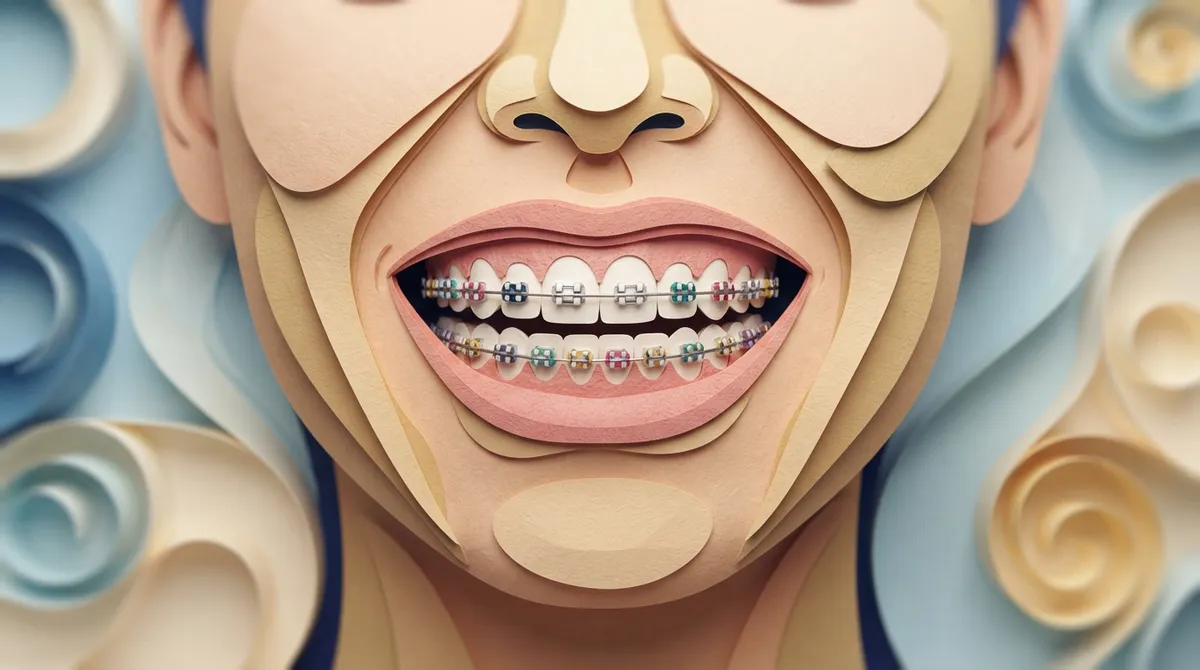
Do Braces Hurt When They’re First Put On?
Here’s some good news: getting braces put on is not a painful procedure. There are no needles, no drilling, and no shots involved. Your orthodontist simply bonds small brackets to your teeth and threads a wire through them. The whole appointment usually takes about 60 to 90 minutes, and most patients feel completely comfortable during the process.
The real question isn’t about the appointment itself. It’s about what happens in the days after. Once those brackets and wires start applying gentle pressure to shift your teeth, that’s when you might notice some soreness. This is a totally normal part of the process, and it means your treatment is working.
What Braces Pain Actually Feels Like
Braces discomfort is rarely described as sharp or severe pain. Instead, most people describe it as:
- A dull ache or tightness in the teeth
- General tenderness when chewing
- Mild pressure that comes and goes
- Sensitivity to hot or cold foods for a few days
- Minor irritation on the inside of the cheeks or lips
Think of it like starting a new workout routine. Your muscles feel sore afterward because they’re adjusting to new demands. Your teeth react in a similar way as they shift into better positions.
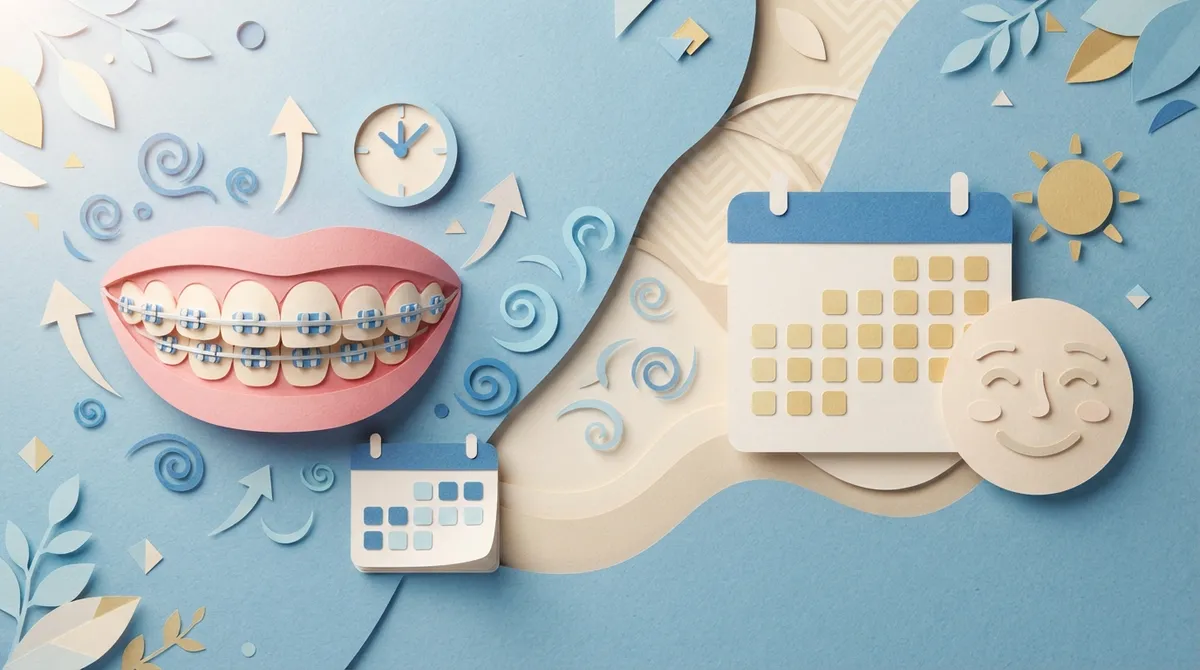
How Long Do Braces Hurt After Getting Them?
Most patients notice the peak of their soreness within the first 24 to 72 hours after braces are placed. This is when teeth are just beginning to feel that new pressure. The good news? This window doesn’t last long.
According to orthodontic experts, general discomfort typically fades within 2 to 7 days. By the end of the first week, most people forget they’re even wearing braces, aside from remembering to avoid certain foods.
- Day 1: Little to no discomfort right after placement
- Day 2-3: Peak soreness, teeth may feel tender or tight
- Day 4-5: Discomfort starts to fade noticeably
- Day 6-7: Most soreness is gone, mouth adjusts to brackets
If you want a deeper dive into that first week, our guide on what to expect your first week with braces covers everything in detail.
Do Braces Hurt After Tightening or Adjustments?
Yes, adjustment visits can bring back that familiar soreness, but here’s the good news: it’s usually milder than the initial placement. Your orthodontist tightens wires or swaps them out to keep your teeth moving in the right direction. This creates renewed pressure, which your teeth need to keep progressing.
Most people find that post-adjustment soreness lasts only one to three days, much shorter than the initial round. Many patients say each adjustment feels a little easier than the last, since your mouth becomes more used to the sensation over time.
Common Discomfort Triggers to Know
| Trigger | What It Feels Like | Typical Duration |
|---|---|---|
| Initial placement | Dull ache, tightness | 2 to 7 days |
| Wire tightening | Mild pressure, tenderness | 1 to 3 days |
| New wire or bracket rubbing | Localized irritation or sore spot | Until adjusted or healed |
| Chewing hard foods | Sharp discomfort in specific teeth | Immediate, resolves quickly |
What Helps With Braces Pain at Home?
You don’t have to just tough it out. There are plenty of simple, effective ways to feel more comfortable while your teeth adjust. Here are some tried-and-true tips our Clearwater patients love:
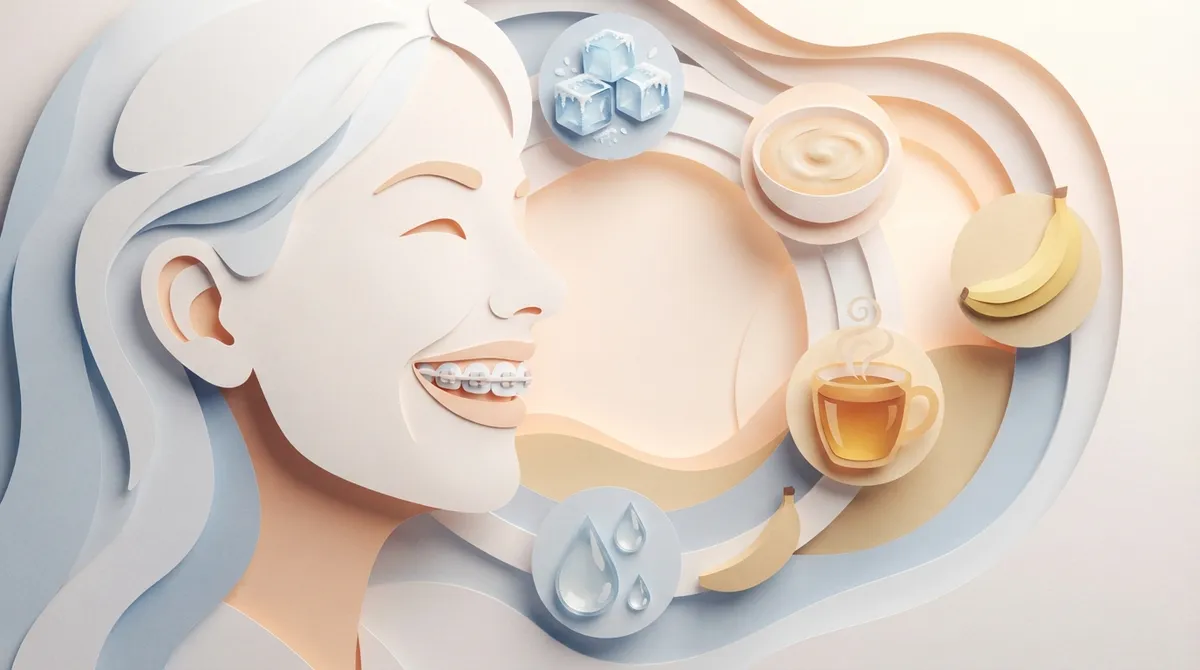
- Stick to soft foods like yogurt, mashed potatoes, and smoothies for the first few days
- Rinse with warm salt water to soothe irritated gums
- Apply orthodontic wax to any bracket or wire that’s rubbing your cheek
- Use cold liquids or ice chips to numb sore spots temporarily
- Take an over-the-counter pain reliever if approved by your orthodontist or dentist
- Avoid crunchy, sticky, or hard foods until soreness passes
The American Dental Association also recommends gentle brushing techniques during this adjustment period to keep your teeth and gums healthy without adding extra irritation.
Foods to Avoid During Sore Days
Certain foods can make tenderness worse. Skip these until you’re feeling back to normal:
- Popcorn and chips
- Raw carrots or apples (cut them small instead)
- Chewy candy or caramel
- Tough meats or bagels
- Ice cubes (never chew these anyway!)
For a full list of smart food choices, check out our guide on good foods for braces.
Do Braces Hurt More Than Clear Aligners?
This is one of the most common questions we hear at our Clearwater office. In general, clear aligners tend to cause less noticeable discomfort than traditional braces, though both cause some pressure as teeth move.
Here’s a quick side-by-side comparison to help you understand the differences:
| Factor | Traditional Braces | Spark™ Clear Aligners |
|---|---|---|
| Initial discomfort | Mild soreness, 2-7 days | Mild pressure, 1-3 days |
| Irritation risk | Possible from wires/brackets | Rare, smooth plastic trays |
| Adjustment pain | Occurs at each tightening visit | Occurs with each new tray |
| Visibility | Visible metal or ceramic | Nearly invisible |
Many adults and teens in our practice choose Spark™ Clear Aligners because they offer a comfortable, discreet path to straighter teeth. If you’re deciding between the two, our page on braces vs. clear aligners can help you weigh your options.
Can Braces Cause Mouth Sores or Cuts?
Sometimes, yes. Wires or brackets can rub against the inside of your cheeks or lips, especially in the first week or two. This usually causes small, temporary sores rather than anything serious.
The fix is simple. A small dab of orthodontic wax over the bothersome spot creates a smooth barrier so it stops rubbing. If a wire is poking and wax isn’t cutting it, give our office a call. We can trim or adjust the wire quickly during a short visit.
When to Call Your Orthodontist About Braces Pain
Most soreness is completely normal and expected. However, you should reach out to your orthodontist if you experience:
- Severe pain that doesn’t improve with home remedies
- A loose bracket, band, or wire that won’t stay in place
- Persistent bleeding from the gums
- Pain that lasts much longer than a week without easing up
- Swelling that seems unusual or concerning
The Florida Association of Orthodontists encourages patients to never ignore ongoing pain, since early attention can prevent bigger issues down the road. Our team is always ready to help if something feels off.
Why Choose Brockway Orthodontics for Your Smile Journey
Dr. Brockway and our team understand that starting orthodontic treatment can feel a little intimidating, especially when you’re not sure what to expect. That’s why we take time during your first visit to walk you through every step, answer your questions, and make sure you leave feeling confident, not confused.
We proudly serve families throughout Clearwater, offering everything from traditional metal braces to ceramic options and Spark™ Clear Aligners. Whether you’re exploring treatment for your teen or considering adult orthodontics, we tailor every plan to your unique needs and comfort level.
Curious what other patients have to say? Feel free to visit us on Google — Brockway Orthodontics to read real reviews from families just like yours right here in Clearwater.
Final Thoughts on Braces Discomfort
So, do braces hurt? For most people, the honest answer is: not really, just mild soreness that fades quickly. Getting braces put on is painless, the first few days bring gentle pressure, and adjustments cause only brief tenderness afterward. With a few simple home remedies, most patients breeze through the adjustment period without much trouble at all.
Every smile journey looks a little different, and our team at Brockway Orthodontics is here to make yours as smooth and comfortable as possible. If you have more questions or you’re ready to get started, we’d love to help. Book your appointment online today, or feel free to contact us with any questions about braces, clear aligners, or what to expect during your treatment. Your comfortable, confident smile is closer than you think!
FAQs
Q: Do braces hurt when they are first put on?
A: Nope, not usually! Putting braces on is a painless process since there are no needles or drilling involved. Most soreness shows up a day or two later, once your teeth start shifting.
Q: How long do braces hurt after getting them?
A: Most soreness peaks within the first 24 to 72 hours and fades within about 2 to 7 days. By the end of the first week, most patients feel totally normal again.
Q: Do braces hurt after tightening or adjustments?
A: You might feel some mild pressure for a day or two after adjustments, but it’s usually much gentler than the initial soreness. Your mouth gets more used to it with each visit.
Q: What helps with braces pain at home?
A: Soft foods, cold drinks, orthodontic wax, and warm salt water rinses all work wonders. An approved over-the-counter pain reliever can help too if you need a little extra relief.
Q: Do braces hurt more than clear aligners?
A: Traditional braces and clear aligners like Spark™ both cause some mild pressure as teeth move, but aligners tend to feel a bit gentler since there are no wires or brackets rubbing your cheeks.
Our Service Area