Key Takeaways
-
A bridge retainer replaces a missing tooth while maintaining orthodontic alignment, combining a fake tooth (pontic) with support wings bonded to adjacent teeth—making it different from a regular wire retainer.
-
Bridge retainers are ideal for growing teenagers as temporary solutions, keeping space open until jaw growth completes and permanent options like implants become viable without causing alignment problems.
-
Most patients need both a bridge retainer and a separate bonded retainer; skipping the second retainer allows remaining teeth to shift back despite months or years of orthodontic work.
-
Proper care requires gentle brushing around the pontic, floss threading underneath connectors, and regular orthodontist checkups to prevent debonding, plaque buildup, and cavities around bonded areas.
-
Bridge retainers typically cost $200-$700 per arch and are more affordable upfront than dental implants, though they're semi-permanent solutions that may eventually need replacement.
-
Contact your orthodontist immediately if your bridge feels loose, your bite changes, the pontic is damaged, or gums show redness and swelling near the bridge to prevent costly complications.
So your orthodontist just mentioned a “bridge retainer,” and now you’re wondering what that even means. Don’t worry, you’re not alone! This term confuses a lot of patients, especially since it sounds a lot like a regular retainer but works quite differently. Let’s clear things up together, in plain, friendly language.
A bridge retainer is a small dental bridge that does double duty. It replaces a missing tooth while also helping hold the space and alignment your braces or clear aligners worked so hard to create. Think of it as a helpful teammate that steps in after your orthodontic treatment, especially when a tooth is missing or never grew in at all. At Brockway Orthodontics, we help families in Clearwater understand every option, so you always feel confident about your smile journey.
Whether you’re a parent trying to help your teen, or an adult navigating a tricky dental situation, this guide will walk you through everything you need to know. We’ll cover what a bridge retainer actually is, how it’s different from a regular retainer, who it’s good for, and how to keep it healthy for years to come.

What Is a Bridge Retainer, Exactly?
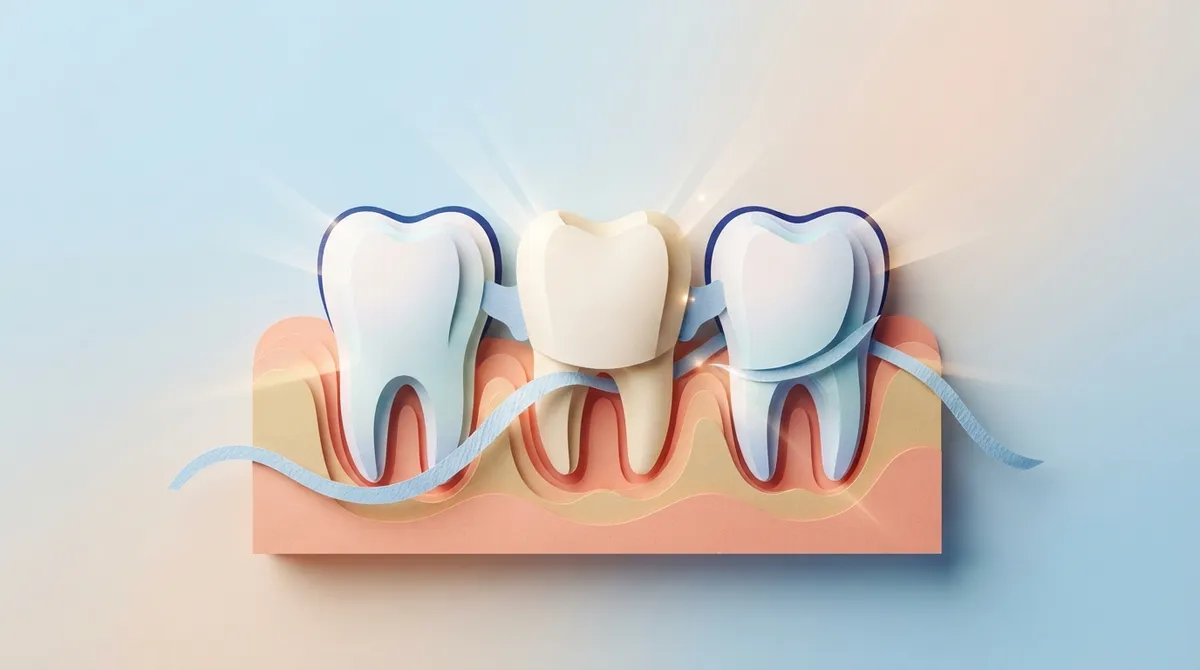
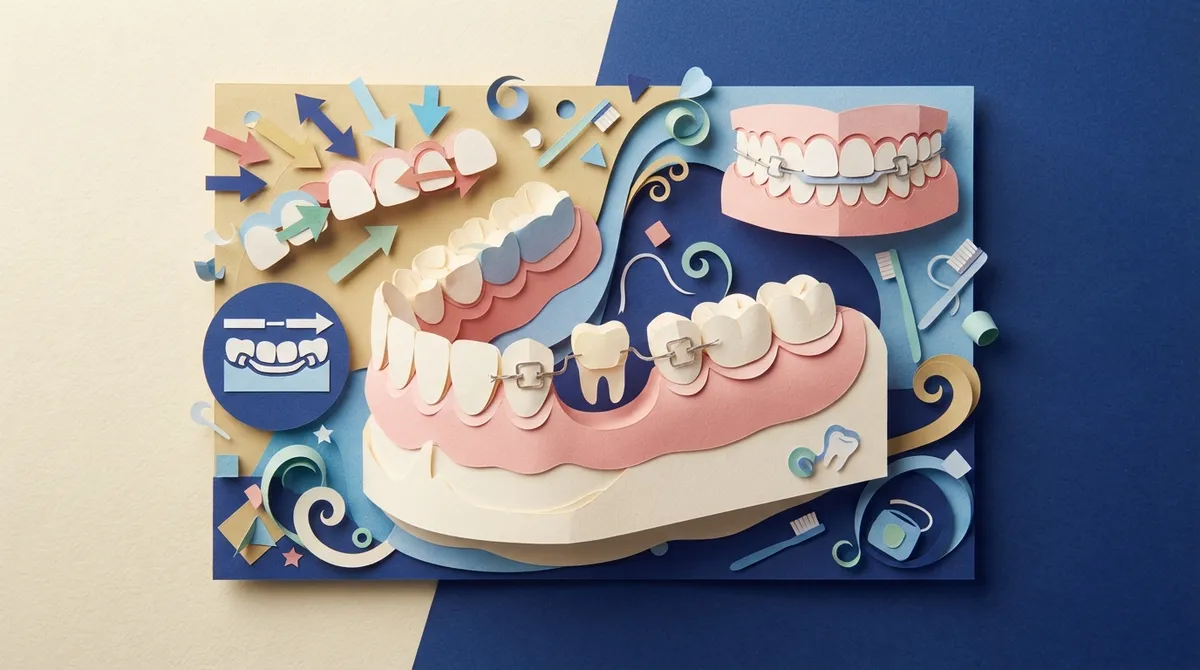
In orthodontic care, a bridge retainer usually means the retaining part of a fixed dental bridge. This is different from the thin wire retainer that’s bonded behind your front teeth after braces come off. A bridge retainer actually replaces a missing tooth, not just holds your teeth in place.
Here’s the basic idea. A bridge has three main parts working together:
- Abutment retainers, which attach to the healthy teeth next to the gap
- A pontic, which is the fake tooth that fills the missing space
- Connectors, which link everything together so it acts like one solid piece
The retainer portion of the bridge gets its strength and support from the abutment teeth. This lets it hold the pontic firmly in place, almost like a bridge over a river connects two sides of land.
Maryland Bridges: A Popular Style
One common type is called a Maryland bridge, or a resin-bonded bridge. Instead of needing crowns on the neighboring teeth, it uses thin metal or ceramic wings. These wings get bonded to the back of the teeth next to the gap.
This method is more conservative. It means your dentist doesn’t have to grind down healthy tooth structure the way a traditional crown-supported bridge would require. For younger patients or people who want to protect their natural teeth, this can be a great option.
Why Would Someone Need a Bridge Retainer After Braces?
You might be wondering when this even comes up. Bridge retainers are especially helpful in a few common situations:
- A tooth was congenitally missing, meaning it never grew in from the start
- A tooth was lost due to injury or other dental issues
- A space needs to stay open until a patient is old enough for a permanent solution, like a dental implant
This last point matters a lot for teenagers. Jaws are still growing during the teen years, so placing a permanent implant too early can cause problems down the road. A bridge retainer acts as a smart placeholder in the meantime.
One published technique from 2020 described using a Maryland bridge retainer for a teenager missing an upper lateral incisor. The dentist used a braided wire bonded behind the front teeth, then built a tooth-colored pontic right over it. This gave the teen a natural-looking smile while protecting the space created by braces.
Bridge Retainer vs. Bonded Orthodontic Retainer: What’s the Difference?
This is where a lot of confusion happens, so let’s break it down clearly.
| Feature | Bridge Retainer | Bonded Orthodontic Retainer |
|---|---|---|
| Main Purpose | Replaces a missing tooth and holds space | Keeps teeth from shifting after braces |
| Structure | Includes a pontic (fake tooth) and support wings | Thin wire bonded to back of several teeth |
| Typical Location | Front teeth, especially missing lateral incisors | Usually 4 to 6 front teeth, top or bottom |
| Removability | Fixed, semi-permanent | Fixed, but can be removed by a professional |
| Common Patients | Teens with missing teeth, adults needing space maintenance | Almost all orthodontic patients after treatment |
Many patients actually need both. A bridge retainer handles the missing tooth problem, while a separate retainer keeps the rest of your teeth from drifting back to their old positions. Skipping the second retainer can undo months or years of hard work from your braces or Spark clear aligners treatment.
Is a Bridge Retainer Right for Your Teen?
Parents often ask us this exact question. Bridge retainers can work really well for teenagers, but the fit depends on a few things.
Good Candidates Usually Have:
- A single missing tooth, often a front tooth like a lateral incisor
- Healthy teeth next to the gap that can support the bridge
- Good oral hygiene habits and a willingness to keep up with cleaning
- A treatment plan that includes regular checkups with the orthodontist
Because teens are still growing, orthodontists often prefer bridge retainers over permanent implants for a while. This keeps future options open. Once your teen finishes growing, your orthodontist can discuss whether an implant makes more sense long-term.
Our team believes strongly in adolescent treatment plans that consider a child’s full growth timeline, not just today’s smile. This kind of thinking is part of what makes personalized orthodontic care so valuable.
How to Care for Your Bridge Retainer: Step-by-Step
Keeping a bridge retainer healthy isn’t hard, but it does take consistency. Here’s a simple routine to follow.
- Brush gently around the bridge twice a day, paying close attention to where the pontic meets the gum
- Use floss threaders or special orthodontic floss to clean underneath the connector
- Rinse with an antibacterial mouthwash if your orthodontist recommends it
- Avoid biting into hard foods like ice, hard candy, or whole apples
- Schedule regular checkups so your orthodontist can check the bond and fit
- Wear any additional removable retainer exactly as instructed
- Contact your orthodontist right away if you notice looseness or changes in your bite
Good hygiene really is the secret ingredient here. Plaque can build up around bonded areas more easily than around natural teeth, so a little extra attention goes a long way.
What Can Go Wrong? Common Bridge Retainer Complications
Nobody likes talking about problems, but it helps to know what to watch for. Being informed means you can catch issues early, before they become bigger headaches.
- Debonding, where the bridge becomes loose or falls off
- Pontic fracture, meaning the fake tooth chips or breaks
- Plaque buildup around the bonded wings, which can lead to gum irritation
- Cavities forming near the edges of the bridge
- Bite interference if the bridge sits slightly too high
- Unwanted tooth movement if a separate retainer isn’t worn as prescribed
A 2022 clinical report on adhesive bridges pointed out something important. Waiting too long between placing the bridge and fitting a separate retainer can allow teeth to shift. That’s why coordinated planning between your orthodontist and dentist matters so much.
Bridge Retainer vs. Dental Implant: Which Should You Choose?
This is a common question, and honestly, the answer depends on your age, goals, and dental health.
| Factor | Bridge Retainer | Dental Implant |
|---|---|---|
| Best For | Growing teens, temporary solutions | Adults with completed jaw growth |
| Tooth Structure Impact | Minimal to none with Maryland style | Requires a surgical procedure |
| Longevity | Semi-permanent, may need replacement | Often considered a lifelong solution |
| Cost Range | Generally lower upfront cost | Typically higher upfront cost |
| Reversibility | Can be removed or replaced fairly easily | Permanent once placed |
Neither option is universally “better.” It truly comes down to your specific situation. That’s why a thorough consultation matters so much before deciding on any treatment path.
What Does a Bridge Retainer Cost?
Costs can vary quite a bit depending on materials, your location, and the complexity of your case. As a general guide, bonded retainer options across the industry have been estimated at roughly $200 to $700 per arch, according to a 2025 orthodontic practice estimate. However, this figure is not a fixed price and shouldn’t be treated as a universal standard.
Bridge retainers involving a pontic tooth typically cost more than a simple bonded wire retainer, since they involve more materials and labor. The best way to get an accurate number is to schedule a consultation where your orthodontist can examine your specific needs.
We understand cost is a real concern for families. That’s why we offer financing and insurance options designed to make treatment more manageable for your budget.
Do You Still Need a Regular Retainer With a Bridge?
Yes, in most cases you absolutely do. This surprises a lot of patients, but it makes sense once you think it through.
A bridge retainer holds a missing tooth space and supports nearby teeth. But it doesn’t control the position of every tooth in your mouth. Your other teeth can still drift, rotate, or shift over time, especially without consistent retainer wear.
According to the Florida Association of Orthodontists, all orthodontic patients need some form of retention after treatment. Some patients even need long-term or lifelong part-time wear to keep their results stable. A common example is nightly wear for the first year, then gradually reducing to about once a week over time. Your orthodontist will personalize this schedule based on your results.
Signs You Should Call Your Orthodontist Right Away
Knowing when to reach out can prevent small issues from turning into bigger, costlier problems. Contact your orthodontic team if you notice any of these:
- The bridge feels loose or wiggles when you touch it
- You notice a change in how your teeth bite together
- There’s visible damage to the pontic or connector
- Your gums look red, swollen, or bleed near the bridge
- You can’t properly clean underneath the bridge anymore
Quick action here really does make a difference. The sooner an issue gets addressed, the easier and less expensive the fix usually is.
Why Choose Brockway Orthodontics for Your Bridge Retainer Needs?
At Brockway Orthodontics, Dr. Brockway takes time to explain every option clearly, whether you’re a parent with a curious teenager or an adult exploring your choices. We use modern technology like digital impressions and 3D imaging to plan treatment with precision and comfort.
We also offer flexible options, including Spark clear aligners, traditional metal braces, and ceramic braces, so every family member can find a solution that fits their lifestyle. If you’re new to our practice, learn more about your first visit and what to expect when you walk through our doors.
According to the American Dental Association, regular dental visits combined with good home care are key to long-term oral health success, and that includes patients with bridges or retainers. We couldn’t agree more, and our team is here to support you every step of the way.
Curious what other patients say about their experience? You can visit us on Google — Brockway Orthodontics to read real reviews from families across Clearwater. You can also follow along on Instagram or connect with us on Facebook for smile tips and updates.
Final Thoughts on Bridge Retainers
A bridge retainer can be a wonderful solution for replacing a missing tooth while protecting the results of your orthodontic treatment. Whether you’re a parent guiding a teenager through this process, or an adult weighing your options, understanding how these appliances work puts you in control of your smile journey.
Remember, a bridge retainer often works best alongside a traditional retainer, not instead of one. Good hygiene, regular checkups, and quick attention to any changes will help your bridge retainer last as long as possible.
Ready to talk through your options with a team that genuinely cares about your smile? Book appointment online today and let Dr. Brockway and our Clearwater team guide you toward a confident, healthy smile.
FAQs
Q: What is a bridge retainer in orthodontics?
A: A bridge retainer is the supportive part of a dental bridge that replaces a missing tooth while helping preserve the space and alignment created by orthodontic treatment. It’s different from a regular bonded retainer because it actually includes a fake tooth, not just a wire.
Q: Is a bridge retainer the same as a bonded orthodontic retainer?
A: Nope, they’re not the same thing, even though the names sound similar! A bonded retainer is a thin wire that stops teeth from shifting, while a bridge retainer replaces a missing tooth and often works alongside a separate retainer.
Q: Can a Maryland bridge be used after braces?
A: Yes, absolutely! Maryland bridges are a popular choice after braces, especially for teens missing a front tooth. They use bonded wings instead of full crowns, so they’re gentler on your natural teeth.
Q: How long does an adhesive or Maryland bridge retainer last?
A: It really depends on the patient’s habits and how well the bridge is cared for. With good hygiene and regular checkups, many bridge retainers last for years, though they’re often considered a semi-permanent solution until a patient is ready for something like an implant.
Q: What should I do if my bridge retainer becomes loose?
A: Give your orthodontist a call right away, don’t wait it out! A loose bridge retainer can lead to bigger problems like tooth movement or decay, so quick action helps protect your smile and your investment.
Our Service Area