Key Takeaways
-
Fixed wire retainers bond to the back of teeth and work 24/7 without requiring daily compliance, making them ideal for busy teens and adults who may forget removable retainers.
-
Most orthodontists recommend combining a fixed wire retainer with a removable retainer worn at night for optimal protection, as fixed retainers primarily hold front teeth while removable ones support the entire bite.
-
Fixed retainers typically last 5-10 years with proper care, but require consistent cleaning with floss threaders and interdental brushes, plus regular orthodontist checkups to prevent plaque buildup and bond failure.
-
Teeth naturally shift throughout life due to gum movement, jaw growth, and bite forces, making retention permanent—nearly all patients who finish orthodontic treatment need lifelong retention in some form.
-
If your fixed retainer loosens or breaks, cover sharp edges with wax and contact your orthodontist immediately, as delays allow teeth to shift and undo months or years of treatment results.
-
Avoid hard candies, sticky foods, and crunching raw vegetables without cutting them, as these foods stress the bonded wire and increase risk of damage or detachment.
So your braces are finally off, or maybe you just finished your clear aligner treatment. Congratulations! That new smile deserves a big celebration. But here’s the thing nobody tells you enough: the real work of keeping your smile straight is just getting started. That’s where a wire retainer behind teeth comes in, and it’s honestly one of the best tools your orthodontist has to protect your results.
If you’re a parent watching your teen finish treatment, an adult who just invested in your smile, or someone who’s dealt with relapse before, you probably have questions. Is a fixed wire retainer really better than a removable one? How long does it last? What happens if it breaks? We’re answering all of that today, in plain, friendly language. Let’s dig in.
What Is a Wire Retainer Behind Teeth, Exactly?
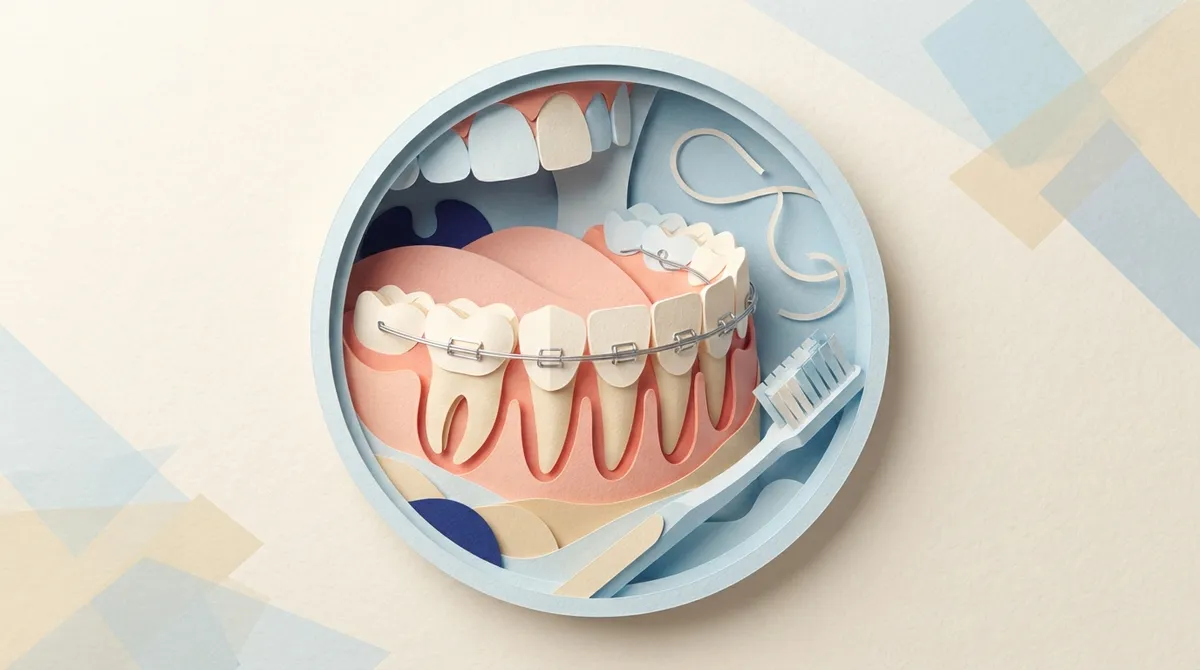
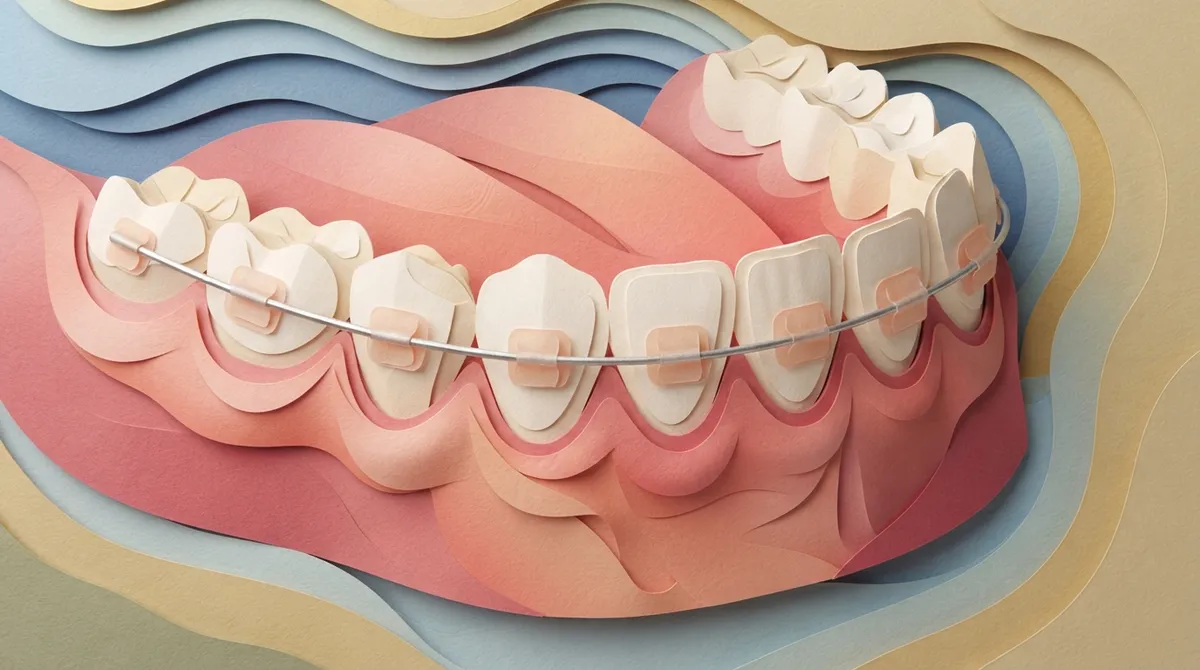
A wire retainer behind teeth goes by a few names. You might hear your orthodontist call it a fixed retainer, a bonded retainer, a permanent retainer, or a lingual retainer. They all mean the same thing.
It’s a thin, custom-shaped wire. Your orthodontist bonds it to the back (tongue-side) of your teeth, usually the lower front teeth or sometimes the upper front teeth. Because it sits behind your teeth, nobody can see it when you smile or talk. That’s a huge win for anyone who wants their retention plan to stay invisible.
Why Almost Everyone Needs Some Kind of Retainer
Here’s a fact that surprises a lot of patients: nearly every person who finishes orthodontic treatment needs a retainer of some kind. The Florida Association of Orthodontists and other professional groups agree that retention isn’t optional, it’s part of the treatment itself.
Why? Because teeth don’t just stay put on their own. Your gums, jaw growth, bite forces, and even the soft tissue in your mouth keep pushing and pulling at your teeth for the rest of your life. Without a retainer, teeth tend to drift back toward their old positions. This is called relapse, and it’s incredibly common.
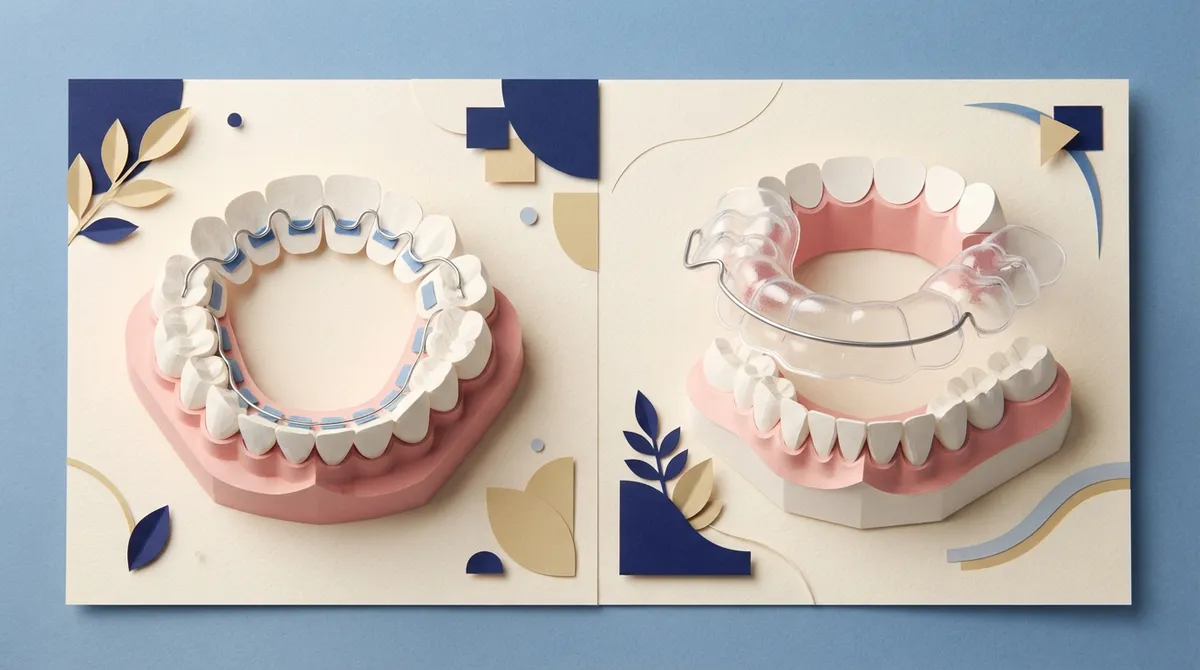
Fixed Wire Retainer vs. Removable Retainer: The Real Comparison
This is the question we hear most at our Clearwater office. Should you get a fixed wire retainer, a removable one, or both? Here’s a side-by-side look to help you understand the tradeoffs.
| Feature | Fixed Wire Retainer (Behind Teeth) | Removable Retainer |
|---|---|---|
| Visibility | Hidden behind teeth, very discreet | Can be seen if made of clear plastic or wire in front |
| Patient compliance needed | Low, it works all day and night automatically | High, you must remember to wear it |
| Cleaning difficulty | Requires extra effort, floss threaders or interdental brushes | Easier, just take it out and brush it |
| Best for | Lower front teeth, closing small gaps, high relapse risk | Overall bite maintenance, back teeth support |
| Typical lifespan | About 5 to 10 years with good care | Varies, often replaced every few years |
| Risk of damage | Wire can loosen, bend, or detach | Can crack, warp, or get lost |
Here’s the honest truth: many orthodontists, including our team here at Brockway Orthodontics, recommend both. A fixed wire retainer holds your front teeth in place around the clock, while a removable retainer worn at night helps protect your bite and back teeth. Together, they give you the most complete protection against relapse.
The Real Benefits of a Wire Retainer Behind Teeth
Let’s talk about why so many patients love this option once they get used to it.
- It works nonstop, so you never have to worry about forgetting it at home or losing it
- It’s completely invisible when you talk, laugh, or smile for photos
- It’s especially good at holding lower front teeth steady, which are notorious for shifting
- It can help keep a closed gap from reopening between your front teeth
- It removes the guesswork of daily compliance, which is huge for busy teens and adults
- It gives extra peace of mind for patients who had a harder time with relapse before
If you’re a teenager heading off to college or a professional with a packed schedule, not having to remember a removable retainer every single day is a game changer. Life gets busy, and a fixed retainer takes one more thing off your plate.
The Honest Downsides You Should Know
We believe in giving you the full picture, not just the highlight reel. A wire retainer behind teeth does come with some challenges.
- Plaque and tartar can build up around the wire more easily than with a removable retainer
- Brushing and flossing take a bit more time and a few extra tools
- The wire can loosen, bend, or come unbonded from a tooth over time
- Hard or sticky foods can put the bond at risk
- It doesn’t protect your entire bite the way a removable retainer sometimes can
A clinical guideline review from the British Orthodontic Society found that fixed bonded retainers can fail in up to 47% of cases over time, with upper front teeth in deep-bite patients being more prone to problems. That number sounds high, but remember, it’s an upper range from one review, not a guarantee for every patient. Good hygiene and regular checkups make a big difference.
How Long Does a Wire Retainer Behind Teeth Actually Last?
Patients always want a straight answer here, so let’s give you one. With good care, a fixed retainer can last approximately 5 to 10 years before it needs repair or replacement. That’s a solid chunk of time, but it’s not a lifetime guarantee.
Several things affect how long yours will hold up:
- How well the wire was originally bonded to your teeth
- The natural force of your bite when you chew
- How consistently you brush and floss around the wire
- Your diet, especially how often you eat hard or sticky foods
- How often you keep up with follow-up visits to your orthodontist
Because of this, a fixed retainer isn’t automatically permanent for life, even though people often call it a “permanent retainer.” It needs monitoring. Many orthodontists, including our team, recommend long-term retention that may include wearing a removable retainer part-time for life, even after your fixed wire is in place.
How to Clean a Wire Retainer Behind Teeth the Right Way
Cleaning around a fixed retainer takes a little extra patience, but it’s absolutely doable once it becomes a habit. Here’s a simple step-by-step approach we recommend to our Clearwater patients.
- Brush at your normal angle first, covering the front and chewing surfaces of every tooth
- Angle your toothbrush carefully behind your front teeth to reach the wire itself
- Use a small interdental brush to clean between each bonded point on the wire
- Thread floss under the wire using a floss threader or superfloss made for retainers
- Rinse well and consider an antimicrobial mouthwash for extra plaque control
- See your dentist or orthodontist regularly so they can check the wire and your gum health
The American Dental Association recommends daily interdental cleaning for anyone with a fixed dental appliance, and a wire retainer definitely counts. It might feel like a hassle the first week, but most patients tell us it becomes second nature within a month.
Foods to Watch Out For
Certain foods put extra stress on the bond holding your wire in place. We suggest being cautious with:
- Hard candies, ice, and whole nuts
- Sticky treats like caramel or taffy
- Crunchy raw vegetables eaten without cutting them first
- Chewing on pens, fingernails, or other hard objects out of habit
None of this means you have to give up your favorite snacks forever. Just cut hard foods into smaller pieces and chew carefully on your back teeth when possible.
What to Do If Your Wire Retainer Breaks or Feels Loose
This happens more often than you might think, and it’s not a reason to panic. Here’s the plan if you notice a problem:
- Check if the wire feels loose, moved, or is poking your tongue or cheek
- Avoid touching, bending, or trying to fix the wire yourself
- Call your orthodontist’s office as soon as you notice the issue
- Cover any sharp or poking edge with orthodontic wax until your appointment
- Get it repaired quickly to prevent your teeth from starting to shift
Early action really matters here. A retainer that’s been loose for weeks gives your teeth a chance to move, which can undo months or years of hard work. If you’re ever unsure whether it’s a true emergency, our team is happy to help you figure out next steps, and you can always get in touch with our team for guidance.
Who Benefits Most From a Fixed Wire Retainer?
While almost every patient can use one, certain groups tend to benefit the most from this style of retention.
- Teens and young adults who want a discreet option they won’t lose or forget
- Adults with demanding careers who need retention that works without daily effort
- Patients who previously experienced relapse and are more prone to teeth shifting again
- Anyone who had a gap between their front teeth closed during treatment
- Patients whose orthodontist identified a higher risk of lower incisor movement
If you fall into the relapse category, you already know how frustrating it is to invest in a straight smile only to watch it shift again. A well-maintained fixed retainer, paired with a nighttime removable retainer, gives you the strongest defense against that happening twice.
Why Retention Planning Matters as Much as Treatment Itself
We tell every patient the same thing at our Clearwater practice: finishing your braces or Spark™ Clear Aligners treatment is a huge milestone, but retention is what protects that investment. Dr. Brockway takes time during your first visit and throughout treatment to talk about what your retention plan will look like once your active treatment ends.
Whether you’re a parent making decisions for a teenager, an adult finishing up adult treatment, or someone coming back after relapse, we build a plan around your specific needs. You can learn more about our approach to retainers and how we match each patient with the right option.
We also love connecting with our patients and their families beyond the treatment chair. Follow along with smile transformations and community moments on our Instagram and Facebook pages, or check out what real patients are saying when you visit us on Google — Brockway Orthodontics.
Common Retention Mistakes to Avoid
Over the years, we’ve seen a few patterns that lead to trouble. Here’s what to avoid:
- Skipping your regular dental cleanings because you assume the retainer doesn’t need extra attention
- Ignoring a loose wire because it doesn’t hurt yet
- Eating hard or sticky foods without thinking about the bond
- Assuming a fixed retainer means you never need a removable one too
- Trying to fix or remove the wire yourself with household tools
Avoiding these simple mistakes goes a long way toward making your retainer last as long as possible.
Bringing It All Together
A wire retainer behind teeth is a fantastic tool for protecting your smile long after treatment ends. It’s discreet, it works around the clock, and it takes the pressure off remembering to wear something every day. Just remember that it comes with a bit of extra care, and it works best as part of a complete retention plan that your orthodontist designs specifically for you.
Whether you’re weighing your options for the first time or dealing with a loose wire right now, our friendly team at Brockway Orthodontics in Clearwater is here to help. We’ll walk you through every step with patience and care, just like we do for every family in our community. Ready to talk retention or start your smile journey? Book your appointment online today, and let’s keep that beautiful smile exactly where it belongs.
FAQs
Q: What is a wire retainer behind teeth called?
A: It goes by several names, fixed retainer, bonded retainer, permanent retainer, or lingual retainer. They’re all the same thing, a thin wire bonded to the back of your teeth to hold them in place. Your orthodontist will use whichever term feels most natural during your visits!
Q: How long do fixed retainers behind the teeth last?
A: With good care, most fixed retainers last around 5 to 10 years before needing repair or replacement. It really depends on your bite, your hygiene routine, and how gentle you are with hard or sticky foods. Regular checkups help us catch small issues before they become bigger ones.
Q: Can a fixed retainer be removed or replaced?
A: Yes, absolutely! Your orthodontist can remove or replace a fixed retainer whenever it’s needed, whether it’s damaged, worn out, or simply time for an upgrade. Never try to remove it yourself though, that’s a job best left to our trained team.
Q: Do I still need to wear a removable retainer if I have a fixed wire retainer?
A: In many cases, yes! A fixed retainer does a great job holding your front teeth steady, but a removable retainer worn at night helps protect your whole bite. Think of them as teammates working together for your best long-term results.
Q: What should I do if my permanent retainer comes loose or breaks?
A: Don’t panic, but don’t ignore it either. Cover any poking wire with orthodontic wax, avoid touching it further, and call your orthodontist right away so we can get you in for a quick repair before your teeth have a chance to shift.
Our Service Area