Key Takeaways
-
Contact your orthodontist within 24-48 hours of losing a retainer, as teeth can begin shifting within days and a delayed response may require corrective treatment like clear aligners before a new retainer can be made.
-
Never attempt DIY fixes using glue, heat, or household tools, and avoid wearing an older retainer without checking with your orthodontist first, as improper appliances can cause more harm than going without temporarily.
-
Store your retainer only in its designated case, keep a travel case for meals away from home, and label your case with contact information to prevent loss and enable recovery if misplaced.
-
Teeth can relapse at different speeds depending on age and original crowding, with younger patients and those with more crowding experiencing faster shifts, making immediate action critical after losing retention.
-
A replacement retainer typically involves a fresh digital scan or impression rather than a messy mold, and costs range from €31-€778 for two-year retention depending on retainer type and whether correction is needed first.
-
Retainers are a lifelong commitment to maintaining orthodontic results, with wear schedules usually starting full-time and transitioning to nights only, since teeth naturally want to shift even years after braces or aligners are removed.
You reach for your retainer case before bed, and your stomach drops. It’s empty. If you just realized “I lost my retainer,” take a breath. You are not alone, and this happens to patients of every age, from busy teens to parents juggling a dozen tasks at once. The good news? A lost retainer is a fixable problem, as long as you act quickly and calmly.
Here at Brockway Orthodontics in Clearwater, we hear this story often. Retainers get left in school cafeterias, wrapped in napkins, or tucked into gym bags that vanish. What matters most is what you do in the next 24 to 48 hours. Waiting too long can let your teeth start shifting, sometimes before you even notice a change. This guide walks you through exactly what to do, what to avoid, and how to get a replacement without unnecessary stress or expense.
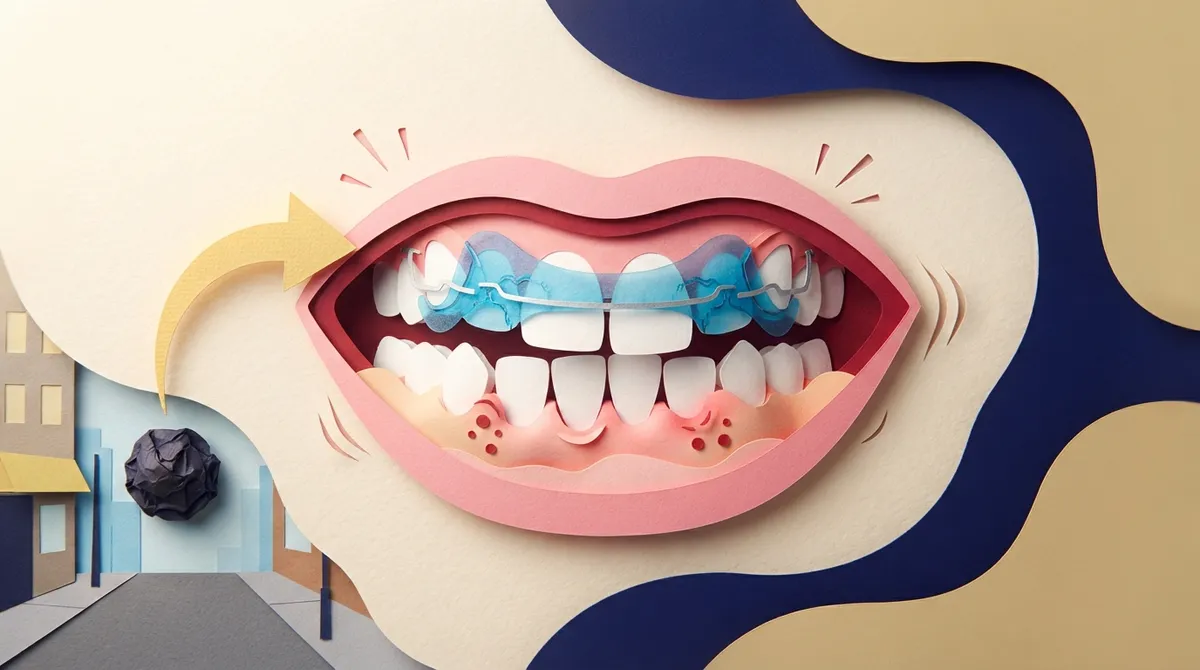
Why Losing a Retainer Is a Bigger Deal Than It Seems
Your retainer isn’t just a piece of plastic or wire. It’s the tool that holds your teeth in their new, straight positions after braces or Spark™ Clear Aligners. Teeth are surprisingly mobile, even years after treatment ends. Without steady retention, they can drift back toward their original spots.
The American Association of Orthodontists advises patients to contact their orthodontist immediately when a removable retainer is lost or broken. This isn’t just cautious advice, it’s based on how quickly relapse can begin. According to guidance published by the Canadian Dental Association’s JCDA, teeth commonly relapse fast once retention stops, though the speed varies from person to person.
- Teeth can begin moving within days of losing retention, especially soon after braces or aligners
- Younger patients and those with more original crowding tend to see faster shifts
- Patients who finished expansion treatment need extra caution, since the JCDA notes transverse width generally needs retention for about 3 to 6 months
- The longer you wait, the more likely a new retainer won’t fit properly
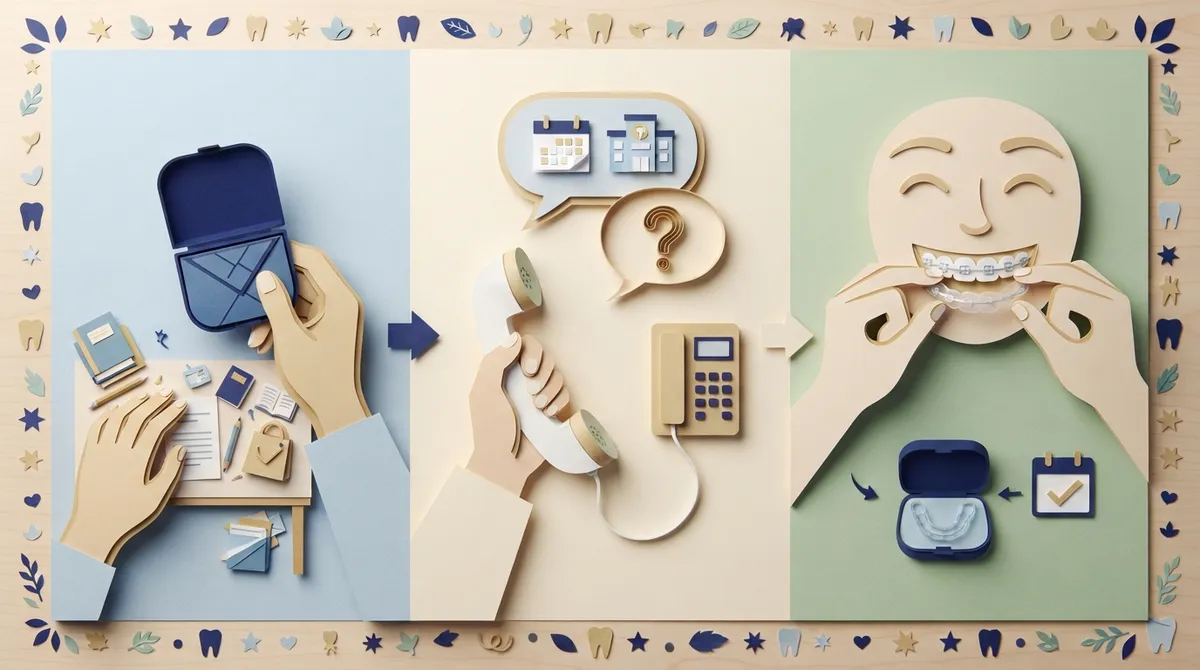
How to Handle a Lost Retainer: Step-by-Step
When panic sets in, it helps to have a clear plan. Follow these steps in order to protect your smile and save yourself time and money.
1. Do a Quick, Focused Search
Retainers often turn up in predictable spots. Check napkins from your last meal, gym bags, pockets, and the bottom of backpacks. Give it 10 to 15 minutes, but don’t let the search drag on for days.
2. Contact Your Orthodontist Right Away
This is the single most important step. Reach out to your orthodontic office as soon as you confirm the retainer is gone. Our team can guide you on next steps and get you scheduled quickly. Feel free to contact us the moment you realize it’s missing, even if you’re not sure yet whether it’s truly lost.
3. Ask About a Spare Retainer
If you have an older retainer from a previous stage of treatment, don’t just pop it in. Ask your orthodontic office whether it’s safe to wear temporarily. A retainer that no longer fits can cause more harm than going without one for a short time.
4. Avoid DIY Fixes
It’s tempting to search online for a quick fix, but resist that urge. Never try to repair, reshape, or force a retainer using glue, heat, floss, rubber bands, or household tools. These attempts can distort the appliance or apply unwanted pressure to your teeth and gums.
5. Schedule an Evaluation
Your orthodontist will likely want to see you in person. This visit lets them check whether your teeth have shifted and determine the best path forward for a replacement.
6. Get Fitted for a New Retainer
Most replacements involve a fresh scan, impression, or digital model of your teeth. Thanks to modern technology, many offices now use digital impressions instead of messy molds, making this step faster and more comfortable.
What If Your Teeth Have Already Shifted?
Sometimes a delay means your teeth have moved a bit before you get to the office. This isn’t the end of the world, but it does change your treatment plan slightly. Depending on how much movement occurred, your orthodontist may recommend one of the following:
- A simple new retainer, if movement is minimal and teeth can be guided back into place with gentle pressure
- A short course of clear aligners to correct mild relapse before a new retainer is made
- A more active appliance if shifting is more significant
- A full re-evaluation of your bite to rule out other changes
This is one more reason speed matters so much. Dr. Brockway and our team have seen how quickly a two-day delay can turn into a two-month fix. Learning how to get the most out of your orthodontics care starts with knowing when to act fast.
Bonded Retainers: A Different Kind of Emergency
Not all retainers can be “lost” in the traditional sense. If you have a fixed or bonded retainer, a wire attached behind your teeth, the concern is usually a loose or broken wire rather than a missing appliance. Here’s what to do if this happens to you:
- Contact your orthodontist if the wire feels loose, detached, or bent
- Never pull on the wire, even if it feels like it’s barely hanging on
- Use orthodontic wax to cover any part of the wire irritating your cheek or tongue
- Avoid chewing on the area until you’re seen
- Book an appointment as soon as possible to prevent tooth movement
For more detail on this specific situation, check out our guide on what to do if your retainer breaks.
Removable vs. Fixed Retainers: A Quick Comparison
| Feature | Removable Retainer | Fixed (Bonded) Retainer |
|---|---|---|
| Can be lost | Yes, easily misplaced | No, but wire can loosen or break |
| Wear schedule | Full-time, then nights only | Worn continuously, no removal needed |
| Cleaning | Easy to clean separately | Requires careful flossing around wire |
| Typical emergency | Lost or cracked appliance | Loose or detached wire |
| Replacement process | New scan and fabrication | Re-bonding or wire repair |
What Does a Replacement Retainer Cost?
Costs vary depending on your location, the type of appliance, and whether any corrective treatment is needed first. A cost analysis reported in a 2025 randomized controlled trial found no statistically significant difference in total two-year retention costs between fixed and removable retainers, though emergency costs differed by type. In a separate study summarized by orthodontic researcher Kevin O’Brien, mean two-year retention costs ranged from roughly €674 to €778 depending on the retainer type, with emergency visit costs between €31 and €116. These figures come from international studies and shouldn’t be treated as current U.S. retail prices, but they do show that emergencies are common and typically manageable.
| Retainer Type | General Cost Factor | Common Emergency |
|---|---|---|
| Vacuum-formed (clear) retainer | Moderate, varies by clinic | Cracking or warping |
| Hawley retainer | Moderate to higher, durable material | Lost or bent wire |
| Bonded canine-to-canine | Lower ongoing cost | Debonding or loose wire |
Our team can walk you through financing and insurance options if a replacement retainer isn’t something you budgeted for. We believe cost should never stand between you and a stable, healthy smile.
How to Avoid Losing Your Retainer Again
Once you’ve gone through the stress of losing a retainer, you’ll want to avoid a repeat. Here are some simple habits that make a real difference:
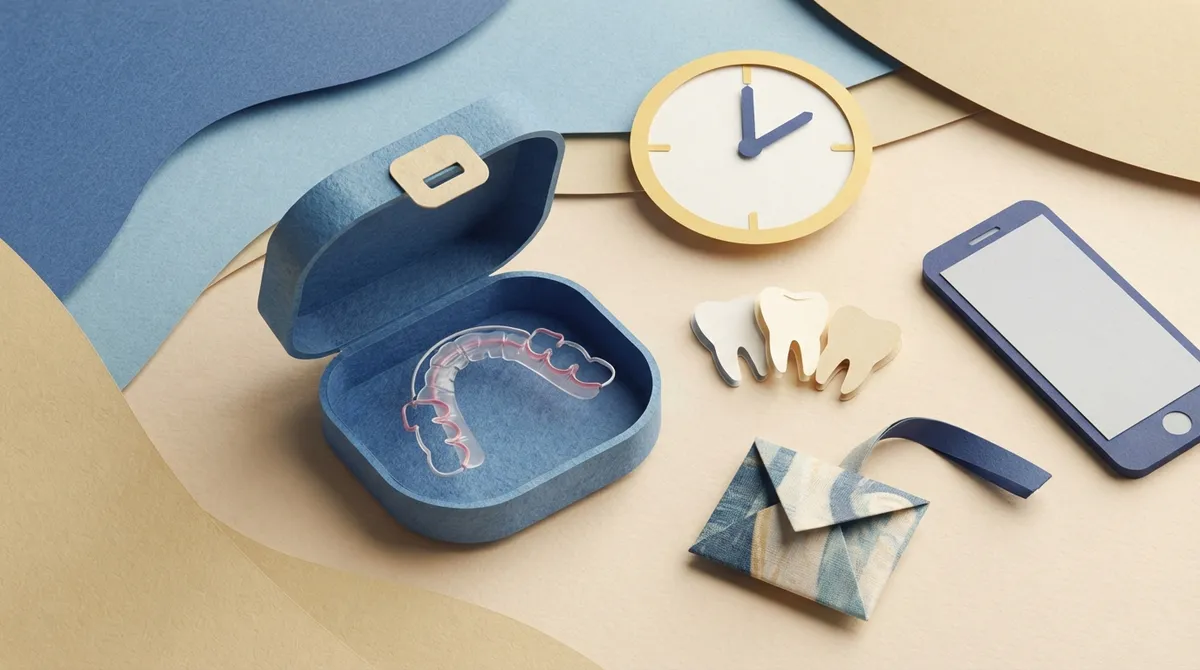
- Always store your retainer in its case, never wrapped in a napkin or tissue
- Keep a travel case in your bag, backpack, or car for meals away from home
- Set a phone reminder to check for your retainer before leaving a restaurant
- Label your case with your name and phone number
- Keep a spare case at home and one at school or work
- Avoid placing your retainer on a napkin during meals
These small habits go a long way, especially for teens balancing sports, school, and social plans. Parents can help by building this routine early during adolescent treatment.
Retainers Are a Long-Term Commitment
It’s worth remembering why retainers matter so much in the first place. Teeth naturally want to shift over time, even years after treatment ends. That’s true whether you had traditional metal braces, ceramic braces, or clear aligners. Wear schedules often start with full-time use and gradually shift to nights only, but the need for some level of retention rarely goes away completely.
This is one reason our team at Brockway Orthodontics treats retention as seriously as active treatment. We want your results to last for decades, not just until your last appointment. If you’re curious about your options, our retainers page covers the different types we offer and how we help patients stay on track.
When to Worry vs. When to Relax
Not every situation calls for panic, but a few signs mean you should call your orthodontist without delay. Here’s a simple way to think about it:
- Call immediately if you notice visible gaps or shifting teeth
- Call immediately if a bonded retainer wire is loose or poking your gums
- Schedule a visit soon if it’s been more than a day or two since you lost a removable retainer
- Relax slightly if you just misplaced it hours ago and are actively searching
- Never assume it’s fine to “wait until your next scheduled appointment”
If you’re ever unsure, it’s always better to reach out. Our office would rather answer a quick question than see a patient deal with unnecessary relapse. You can also see what real patients say by visiting Brockway Orthodontics on Instagram or Facebook for updates, tips, and patient stories from our Clearwater community.
Why Choose Brockway Orthodontics for Retainer Care
Dr. Brockway and our team understand that orthodontic emergencies rarely happen at convenient times. That’s why we prioritize clear communication and quick scheduling for patients dealing with a lost or broken retainer. We serve families throughout Clearwater and the surrounding Pinellas County area, and we take pride in being a trusted resource for both new patients and long-time smile graduates.
Whether you’re a teen who just finished treatment, a parent managing your child’s retention schedule, or an adult returning for retreatment after relapse, we’re here to help. Learn more about our approach on our services page, or explore what makes our office different by visiting our office page. You can also check out what patients are saying by visiting us on Google, or Visit us on Google — Brockway Orthodontics to read real reviews from our community.
For general guidance on orthodontic health and retention best practices, resources from the American Dental Association and the Florida Association of Orthodontists offer helpful, trustworthy information for patients across the state.
Your Next Step Starts Today
Losing a retainer feels stressful in the moment, but it’s a solvable problem when you act quickly and lean on your orthodontic team. Don’t wait for visible shifting to take action. The sooner you reach out, the easier and more affordable your fix will likely be.
If you’ve realized “I lost my retainer” and need guidance today, our friendly Clearwater team is ready to help. You can book appointment online right now and get on the path to protecting your smile before any real damage happens. We’re honored to be a trusted part of the Clearwater community, and we can’t wait to help you keep your smile exactly where it belongs.
FAQs
Q: What should I do if I lost my retainer?
A: First, take a quick look in obvious spots like napkins, bags, or pockets. Then contact your orthodontist right away so they can guide you on next steps and get you scheduled for a replacement before your teeth have a chance to shift.
Q: How quickly will my teeth move without a retainer?
A: It varies from person to person, but shifting can start within days, especially soon after braces or aligners. There’s no guaranteed safe number of days, so it’s always best to reach out to your orthodontist as soon as possible rather than wait and see.
Q: Can I wear my old retainer after losing my new one?
A: Maybe, but check with your orthodontic office first. An old retainer that no longer fits properly can cause more harm than good, so it’s worth a quick call before you pop it back in.
Q: How much does a replacement retainer cost?
A: Costs depend on the type of retainer and whether any correction is needed first. Research shows two-year retention costs can range widely, so it’s best to ask your orthodontist for a personalized estimate based on your situation.
Q: Do I need braces or Invisalign again if I lost my retainer?
A: Not usually, especially if you act fast. If some shifting has occurred, your orthodontist might suggest a short round of clear aligners before making your new retainer, but many patients just need a simple replacement.
Our Service Area