
Key Takeaways
-
Surgical acceleration methods (corticotomy, piezocision, micro-osteoperforations) show the strongest evidence for time savings, with studies reporting average treatment reduction of 7.07 months, but they involve minor surgery with potential swelling and higher costs.
-
Nonsurgical options like vibration devices, laser therapy, and LED light therapy have low to very-low certainty evidence and do not consistently shorten total treatment time, though they offer minimal recovery time and at-home convenience.
-
Case complexity, consistency with wearing aligners, appointment attendance, and oral hygiene habits are more influential on treatment timeline than acceleration methods, making patient commitment critical to success.
-
Acceleration methods work as add-ons to existing braces or clear aligners rather than standalone treatments, and evidence for their effectiveness with aligners specifically is still developing compared to traditional braces.
-
Realistic time savings vary significantly by individual case, and any orthodontist promising guaranteed timelines should raise red flags; personalized consultation with a qualified provider is essential before choosing acceleration.
-
Good candidates for accelerated treatment include teens preparing for milestones, busy professionals, relapse patients, and health-conscious patients, but suitability depends on thorough evaluation of the specific case.
Nobody loves waiting, especially when it comes to getting the smile you have been dreaming about. If you have ever wondered whether there is a faster way to finish orthodontic treatment, you are not alone. Parents want their teens ready for graduation photos. Adult professionals want a confident smile before that big presentation. And if you have had relapse after old braces, you probably want your second round done as quickly as possible.
That is where accelerated orthodontist treatment comes in. This approach uses special techniques to speed up how fast teeth move, whether you are wearing traditional braces or Spark™ Clear Aligners. But how does it really compare to standard treatment timelines? Let’s break down the facts, the science, and what actually matters for your unique smile journey. At Brockway Orthodontics, we love helping Clearwater families understand every option so they can make the best choice together with our team.
What Is Accelerated Orthodontist Treatment, Exactly?
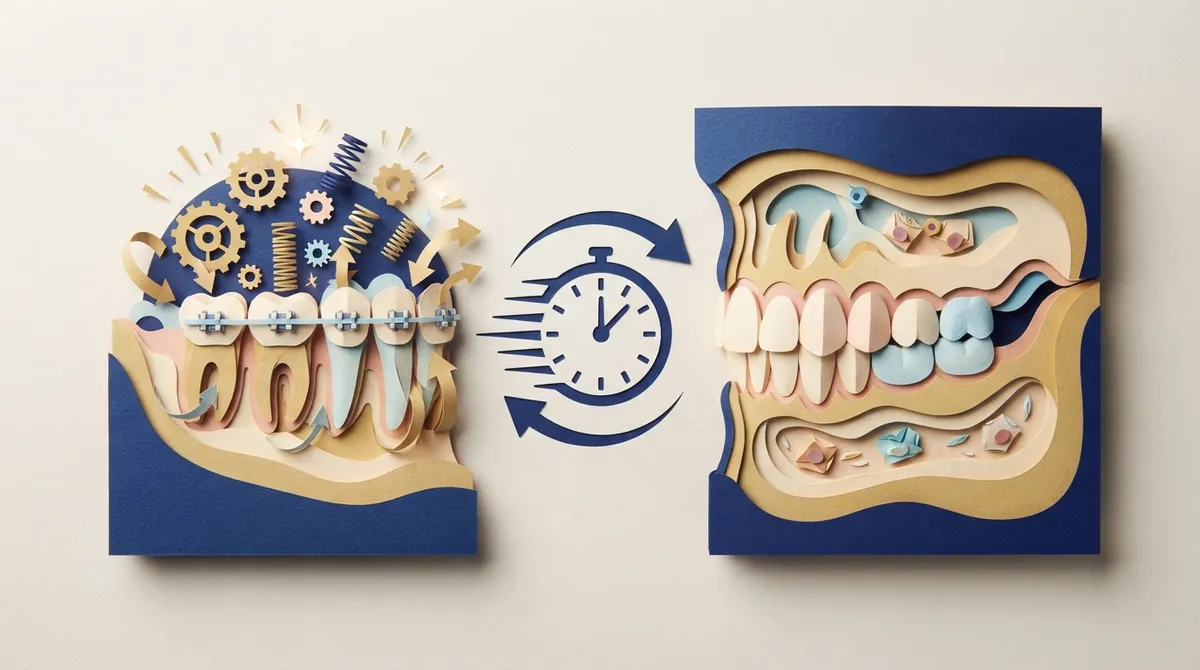
Accelerated orthodontic treatment is not a totally different type of braces or aligners. Instead, it is a group of methods added to your regular treatment plan. The goal is simple: help teeth move faster so you finish sooner.
These methods fall into two main camps:
- Surgical techniques that create small, controlled changes in the jawbone
- Nonsurgical add-ons like vibration devices, laser therapy, or LED light tools
Both approaches aim to work with your braces or clear aligners, not replace them. Think of it like adding a turbo boost to a car engine that is already running well.

Surgical Acceleration vs. Nonsurgical Acceleration: A Side-by-Side Look
Choosing between these two paths depends a lot on your comfort level, your case, and your goals. Here is a simple breakdown to help you compare.
| Factor | Surgical Methods | Nonsurgical Methods |
|---|---|---|
| Examples | Corticotomy, piezocision, micro-osteoperforations | Vibration devices, photobiomodulation, LED therapy, electrical stimulation |
| Invasiveness | More invasive, involves minor surgery | Less invasive, often at-home use |
| Evidence Strength | Stronger, more consistent results reported | Mixed, mostly low or very low certainty |
| Recovery | Possible swelling, bleeding, discomfort | Minimal to no recovery time |
| Extra Cost | Higher, due to surgical component | Variable, often add-on device fees |
Surgical Techniques: Corticotomy, Piezocision, and Micro-Osteoperforations
These three surgical methods work by making tiny, controlled changes to the bone around your teeth. This triggers something called the regional acceleratory phenomenon. In simple terms, the body responds to the small injury by remodeling bone faster, which can help teeth move quicker too.
Corticotomy involves cutting into the bone around the roots. Piezocision uses a small vibrating tool for a less invasive cut. Micro-osteoperforations create tiny holes in the bone using a special device. A 2025 systematic review covering 76 articles found that corticotomy had the greatest acceleration potential among surgical options, though researchers noted the evidence base for aligner-based treatment is still limited.
These procedures do not remove the need for careful monitoring. You will still need regular check-ins, proper force control, and a solid retainer plan afterward.
Nonsurgical Options: Vibration, Laser, and LED Therapy
If surgery sounds intimidating, nonsurgical adjuncts might feel more approachable. These include:
- Vibration devices you bite down on for a few minutes daily
- Photobiomodulation, also called low-level laser therapy
- LED light therapy applied to the gums and teeth
- Electrical stimulation devices, still fairly experimental
A 2023 Cochrane review looked at 23 studies involving 1,027 participants. The results showed low-certainty evidence for vibration and very-low-certainty evidence for laser or LED therapy. In plain terms, these tools have not proven they consistently shorten total treatment time. However, photobiomodulation might help speed up the early alignment stage in some cases.
How Much Time Can You Really Save?
This is the question everyone wants answered. Unfortunately, there is no guaranteed number that applies to every patient. Results depend heavily on your case, the method used, and how well you follow instructions.
Here is what current research suggests:
- A 2024 meta-analysis of periodontally accelerated orthodontics reviewed five studies and 130 patients. It found an average treatment-time reduction of about 7.07 months compared to conventional treatment.
- The same review noted an average increase in vestibular bone thickness of roughly 0.32 mm, along with improved gum health markers.
- Researchers cautioned that the small number of studies means these numbers should be viewed as promising, not definitive.
- Electrical stimulation research is even earlier stage. A 2024 review found only four studies solid enough for full analysis, out of 13 identified.
- Nonsurgical vibration and light therapy showed no clear overall reduction in total treatment time, based on the Cochrane review through September 2022.
The bottom line? Surgical methods currently show the most consistent time savings, but they come with more involvement. Nonsurgical tools are gentler but less proven for shortening your entire treatment.
What Actually Determines Your Treatment Timeline
Before you get excited about acceleration tools, it helps to understand what controls your timeline in the first place. Case complexity plays a huge role, often bigger than any add-on device.
Factors that can speed up or slow down your treatment include:
- How crowded or spaced your teeth are
- Whether you need tooth extractions or have impacted teeth
- Jaw and bite alignment issues, sometimes called skeletal discrepancies
- Your gum and bone health
- Your age and how your bone naturally remodels
- Whether you choose braces or clear aligners
- How consistently you wear aligners or keep appointments
- Your daily oral hygiene habits
Missing appointments or not wearing your aligners enough can undo any benefit from acceleration methods. This is one reason our team at Brockway Orthodontics stresses the importance of sticking to your plan. Learn more about what to expect during your first visit so you can start strong.
Who Might Benefit Most From Accelerated Treatment?
Not everyone needs a faster track, but certain groups tend to ask about it more often. Here is a quick look at who might be a good fit:
| Patient Group | Why Acceleration May Appeal |
|---|---|
| Teens with upcoming milestones | Want straighter teeth before graduation or prom |
| Busy professionals | Prefer efficient, discreet options that fit a packed schedule |
| Relapse patients | Already familiar with the process, want quicker results this time |
| Health-conscious patients | Interested in options that also support gum and bone health |
If you fall into one of these groups, it is worth discussing your options during a consultation. Every mouth is different, and what works well for one person may not suit another.
Is Accelerated Treatment Safe and Comfortable?
Safety always comes first at any respected orthodontic practice. Surgical methods, while more invasive, are generally considered safe when performed by a trained clinician. Still, they carry some risks like swelling, minor bleeding, temporary discomfort, and a small chance of infection or gum complications.
Nonsurgical tools tend to be gentler on your body. Most people tolerate vibration devices and light therapy well, with little to no downtime. That said, results vary a lot depending on the device, how it is used, and your specific stage of treatment.
According to the American Dental Association, any treatment decision should be made with guidance from a qualified professional who understands your full oral health picture. The same goes for orthodontic acceleration methods. A guaranteed timeline promise should always raise a friendly red flag.
Steps to Explore Accelerated Treatment With Confidence
If speeding up your treatment sounds appealing, here is a simple path forward:
- Schedule a consultation to review your specific case and goals
- Ask about which acceleration methods, if any, fit your situation
- Discuss the extra costs involved with surgical or device-based options
- Review the realistic time savings based on current research
- Commit to wearing aligners or attending appointments as directed
- Keep up with oral hygiene to avoid delays from gum issues
- Plan ahead for retention once your active treatment ends
Following these steps helps you make an informed choice instead of chasing a quick fix that might not pan out.
Braces or Clear Aligners: Does Acceleration Work the Same Way?
Acceleration methods were originally studied more with traditional braces, but interest in pairing them with aligners is growing. Micro-osteoperforations and vibration devices have both been tested alongside clear aligner treatment. However, the 2025 systematic review noted that solid evidence for aligner-based acceleration is still catching up to what we know about braces.
If you are weighing traditional braces versus clear aligners, it helps to talk through your daily habits, lifestyle, and comfort with visible appliances. Some patients find aligners fit their professional life better, while others prefer the reliability of braces for complex movements.
Why Personalized Care Matters More Than Any Shortcut
Every smile is unique, and that is especially true when discussing accelerated orthodontist treatment. What works beautifully for a teenager with mild crowding may not suit an adult managing a bite correction after previous relapse.
At Brockway Orthodontics, Dr. Brockway takes time to understand your goals before recommending any acceleration method. She believes education is just as important as the treatment itself. You deserve to know exactly why a certain approach fits your case, not just a sales pitch about faster results. Learn more about her approach on the Meet Dr. Brockway page.
Our Clearwater office also uses modern tools like digital scanning and 3D imaging, which help us plan treatment more precisely from day one. Precise planning often means fewer surprises and smoother progress, whether or not you choose an acceleration add-on.
What Clearwater Patients Should Know Before Choosing Acceleration
Living in the Clearwater area means you have access to orthodontic care backed by both experience and community trust. Before committing to any accelerated method, consider asking your provider these questions:
- What specific evidence supports this method for my case?
- What are the realistic time savings, not just the best-case scenario?
- What additional costs should I budget for?
- How will my comfort and daily routine be affected?
- What happens if my teeth do not respond as expected?
Asking these questions helps set realistic expectations. You can also check out the Florida Association of Orthodontists for general guidance on finding qualified specialists in our state.
Curious what other families in our area think about their experience? Feel free to visit us on Google — Brockway Orthodontics to read real reviews from Clearwater patients. We also share smile transformations and tips regularly on Instagram and Facebook.
Making the Right Choice for Your Smile Journey
So, does accelerated treatment win over simply waiting it out? The honest answer is: it depends on you. Surgical methods show the strongest evidence for real time savings, but they ask more of your comfort and budget. Nonsurgical tools are gentler but carry weaker proof of shortening your entire treatment.
What never changes is the importance of personalized care. Case complexity, your commitment to wearing aligners, and your oral hygiene habits will always shape your timeline more than any single gadget or procedure. That is why working with an experienced, caring team matters so much.
Ready to find out what timeline fits your unique smile goals? Our friendly Clearwater team is here to walk you through every option, from classic braces to Spark™ Clear Aligners to potential acceleration methods. Book your appointment online today and let’s start planning your best smile together.
FAQs
Q: What is accelerated orthodontist treatment?
A: It is a set of surgical or nonsurgical methods added to your regular braces or clear aligner plan. The goal is to help teeth move faster, potentially shortening your total treatment time. It is not a separate type of appliance, just a helpful boost to your existing plan.
Q: How much faster can accelerated orthodontics move teeth?
A: It really depends on the method and your unique case. Some studies show surgical options like corticotomy can cut treatment time by several months, while nonsurgical tools like vibration devices show less consistent results. We always give honest, personalized estimates rather than one-size-fits-all promises.
Q: Is accelerated orthodontic treatment painful or safe?
A: Surgical methods involve minor discomfort, some swelling, and a small risk of complications since they include a small procedure. Nonsurgical options like laser or vibration therapy are generally gentle with little to no downtime. Our team always walks you through what to expect so there are no surprises.
Q: Does accelerated orthodontics cost more than conventional treatment?
A: Yes, most acceleration methods add some extra cost, whether it is a surgical fee or a device rental. We are happy to go over these details during your consultation so you can decide if the investment makes sense for your goals and budget.
Q: Who is a good candidate for accelerated orthodontics?
A: Great candidates often include busy professionals, teens with upcoming milestones, or patients who previously had relapse and want faster results this time around. The best way to know for sure is to sit down with our team and review your specific smile needs together.
Our Service Area