Key Takeaways
-
Schedule your child's first orthodontic screening by age 7 to catch jaw growth issues and tooth eruption problems early, which can save money and reduce treatment complexity later.
-
Early warning signs like crossbites, significant crowding, protruding teeth, or persistent thumb-sucking past age 5 warrant an orthodontist visit before age 7 instead of waiting.
-
Teenage years (12-17) are optimal for comprehensive orthodontic treatment when most permanent teeth are in place, offering multiple discreet options like clear aligners and ceramic braces.
-
Adults at any age can benefit from orthodontic treatment to correct relapse from previous braces, address bite problems, or improve confidence—modern options like Spark Clear Aligners fit professional lifestyles.
-
The first orthodontic consultation is a non-invasive screening using digital imaging, not an immediate commitment to braces; most children are monitored and reassessed as more permanent teeth arrive.
-
Delaying orthodontic evaluation doesn't eliminate problems—it typically makes them harder and more expensive to treat, so early screening is a smart preventive investment regardless of age.
If you’ve ever wondered when your child (or you!) should book that first orthodontist visit, you’re definitely not alone. Parents ask us this question all the time here in Clearwater, and honestly, it’s one of the best questions you can ask. Getting the timing right can save you money, spare your child unnecessary treatment, and catch problems while they’re still easy to fix. The good news? Figuring out the best age to see orthodontist doesn’t have to be confusing. In this friendly guide, we’ll walk through the three key age windows that matter most, backed by expert guidelines, so you can feel confident about your family’s smile journey.
Whether you’re a parent juggling soccer practice and homework, a teenager dreaming of straight teeth before graduation, or an adult finally ready to fix that smile you’ve been self-conscious about, this article has something for you. Let’s break it down together, one age group at a time.
Why Timing Matters So Much in Orthodontic Care
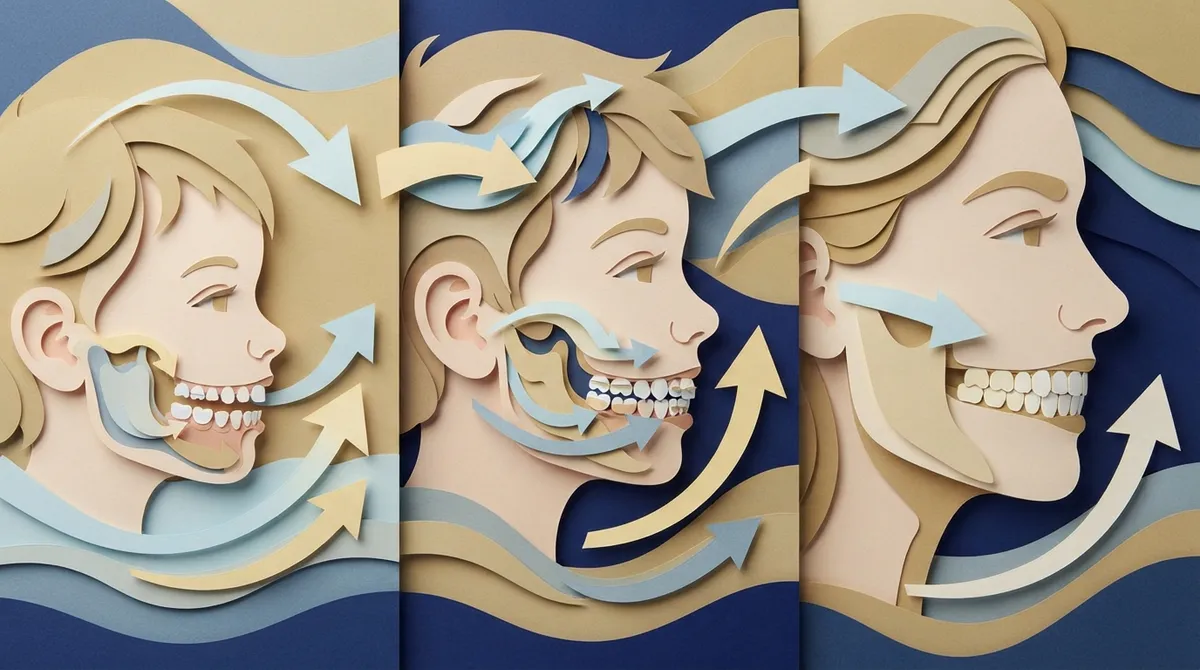
Think of orthodontic timing like planting a garden. Plant too early or too late, and things don’t grow quite right. Your mouth and jaw are still developing for years, and catching issues at the right moment makes treatment easier, faster, and often less expensive. The American Dental Association and orthodontic experts agree that early evaluation leads to better long-term outcomes.
Skipping early check-ups doesn’t mean problems go away. It usually means they get harder to treat later. That’s why understanding the three best ages to see an orthodontist can make such a big difference for your family.
1. Age 7: The First Orthodontic Evaluation
The American Association of Orthodontists recommends that every child have their first orthodontic check-up no later than age 7. This might surprise you, especially if your child still has plenty of baby teeth. But there’s a good reason behind it.
By around age 7, kids typically have a mix of baby teeth and permanent teeth coming in. This is called mixed dentition. It gives orthodontists a clear window into how the jaw is growing and whether teeth are erupting the way they should.
What Happens During This Visit
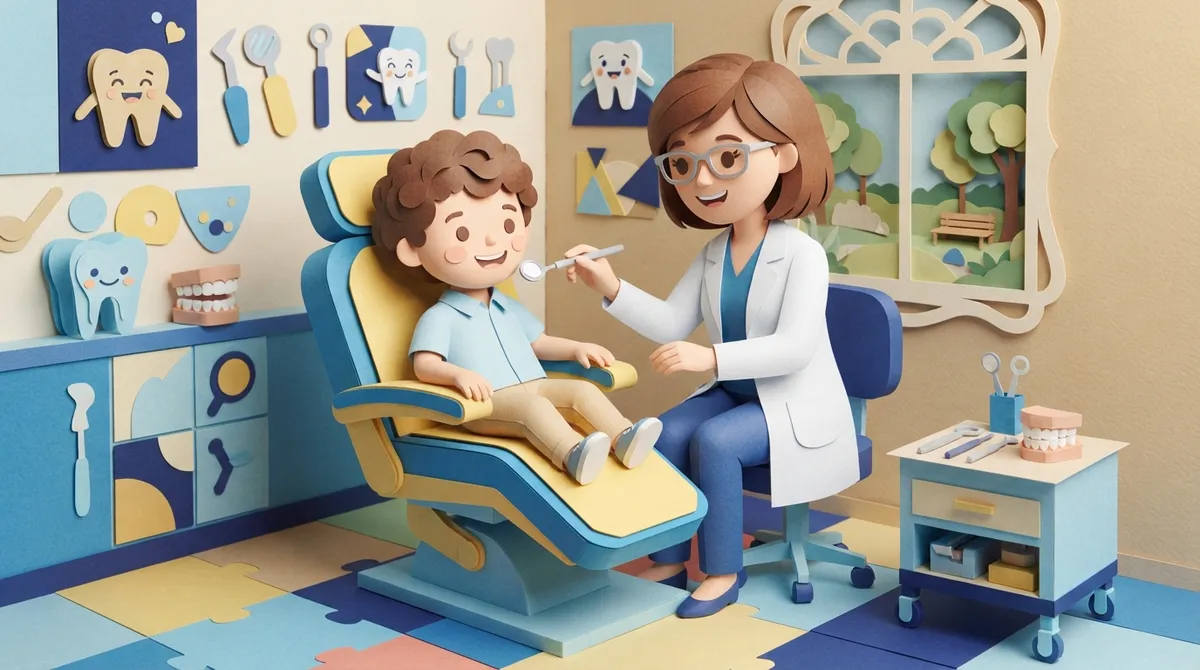
This first visit is not about getting braces right away. It’s a screening appointment. Dr. Brockway will look for things like:
- Crowding or overlapping teeth
- Crossbites or other bite problems
- Early or late loss of baby teeth
- Jaw growth that looks uneven
- Habits like thumb-sucking that might affect tooth alignment
- Teeth that seem stuck or growing in the wrong direction
Many children will simply be monitored and asked to come back for a follow-up visit once more permanent teeth arrive. Others may benefit from early treatment to guide jaw growth or create space for incoming teeth.
Signs Your Child Should Be Seen Even Sooner
Sometimes waiting until age 7 isn’t necessary. You should schedule a visit sooner if you notice:
- A visible crossbite or teeth that don’t line up when biting down
- Significant crowding or teeth that overlap a lot
- Difficulty chewing or biting food
- Protruding front teeth
- Mouth breathing or persistent thumb-sucking past age 5
- An uneven or asymmetrical jaw
If any of these sound familiar, don’t wait for the age-7 mark. Our team can help you figure out what to expect during your first visit and whether it’s time to come in.
2. The Teenage Years: Comprehensive Treatment Time
For most kids, the teenage years are when comprehensive orthodontic treatment really kicks into gear. By this point, most (if not all) permanent teeth have come in, giving your orthodontist a full picture of the bite and alignment.
This is often the age families think of first when they hear the word “braces.” And it makes sense. Teens are motivated by big life events like school photos, homecoming, and graduation. A confident smile can make a real difference in how they feel walking into high school or college.
Treatment Options for Teens
At Brockway Orthodontics, we offer a range of choices to fit different lifestyles and preferences:
- Traditional metal braces for reliable, effective results
- Ceramic (clear) braces for a more discreet look
- Spark™ Clear Aligners, a comfortable and more affordable alternative to Invisalign
- Custom retainers to protect results after treatment
We know teens want options that fit their busy, social lives, and we’re happy to walk through adolescent treatment choices together as a family.
Table: Comparing Early vs. Teen Orthodontic Treatment
| Factor | Early Treatment (Age 7-10) | Teen Treatment (Age 12-17) |
|---|---|---|
| Purpose | Guide jaw growth, create space | Comprehensive alignment |
| Teeth Present | Mix of baby and permanent teeth | Mostly permanent teeth |
| Common Appliances | Expanders, space maintainers | Braces, clear aligners |
| Treatment Length | Often shorter, interceptive phase | 12-24 months on average |
| Follow-Up Needed | Usually yes, for phase two | Retainers after treatment |
3. Adulthood: It’s Never Too Late
Here’s something we want every adult reading this to know: it is absolutely not too late to get orthodontic care. Whether you’re 25, 45, or beyond, your teeth can still move and improve with the right treatment plan.
Many adults come to us because they either never had treatment as a teen or their teeth shifted back after braces years ago. This is called orthodontic relapse, and it’s more common than you might think. Life happens. Retainers get lost, forgotten, or simply stop being worn as often as they should.
Why Adults Choose Orthodontic Treatment
Adults typically seek treatment for a mix of reasons:
- Improving confidence for career or social situations
- Fixing bite problems that cause jaw pain or wear on teeth
- Correcting relapse from previous orthodontic work
- Wanting a discreet option that fits a professional lifestyle
- Addressing long-standing crowding or spacing issues
For busy professionals, Spark™ Clear Aligners are often a great fit. They’re nearly invisible and removable, so you can eat, brush, and attend meetings without anyone noticing. Learn more about adult treatment options designed to work around your schedule.
Extra Considerations for Adult Patients
Adult orthodontic care sometimes requires a bit more planning than treatment for kids or teens. Things we might consider include:
- Gum health and any signs of periodontal disease
- Bone loss around the teeth
- Missing teeth or existing dental work like crowns
- Jaw discrepancies that may need a coordinated approach
None of these are reasons to avoid treatment. They just mean your plan will be personalized to fit your unique dental history. That’s exactly the kind of thoughtful, detailed care Dr. Brockway provides for every patient who walks through our doors.
How to Know Which Age Group Applies to You or Your Child
Not sure where you or your family member falls? Here’s a simple way to think about it:
- If your child is 7 or younger and you haven’t had an evaluation yet, it’s time to schedule one
- If your child is a preteen or teenager with most adult teeth in, comprehensive treatment may be ready to begin
- If you’re an adult who never had braces, or your teeth have shifted since treatment, a consultation can help you explore your options
The truth is, orthodontic problems rarely fix themselves. Waiting usually just means treatment takes longer or costs more down the road. Getting checked early, whether you’re 7 or 47, is always a smart move.
What to Expect at Your First Orthodontic Consultation
Walking into a new office can feel a little intimidating, especially if it’s your child’s first time or your first time in years. Here’s what typically happens during a consultation at our Clearwater office:
- A friendly welcome and quick chat about your concerns or goals
- Digital images or 3D scans, no messy molds involved
- A thorough exam of teeth, bite, and jaw alignment
- A discussion of treatment options that fit your needs and budget
- Answers to all your questions, explained in plain, simple language
We believe education is empowering. That’s why our team takes time to explain everything clearly, from the services we offer to how financing and insurance can make treatment affordable. You can also browse our frequently asked questions before your visit if you like to come prepared.
Why Families in Clearwater Trust Brockway Orthodontics
Dr. Brockway has built her practice around genuine care for the Clearwater community. She takes time to listen to your goals, whether that’s straightening your seven-year-old’s smile or helping a busy adult professional feel confident again. Our office is equipped with modern technology, including digital impressions and 3D imaging, so your treatment plan is precise and comfortable from day one.
We also understand that life gets busy. That’s why we offer same-day treatment options in certain cases, so you don’t have to juggle multiple appointments just to get started. You can see why so many families choose us by checking out what our patients say when you visit us on Google — Brockway Orthodontics.
For more general guidance on orthodontic timing, the Florida Association of Orthodontists also offers helpful resources for families across the state.
Quick Recap: The 3 Best Ages to See an Orthodontist
Let’s bring it all together with a simple summary:
| Age Group | Best Age | Main Goal |
|---|---|---|
| Children | No later than age 7 | Screening and early problem detection |
| Teenagers | 12-17 years old | Comprehensive alignment with braces or aligners |
| Adults | Any age, 18+ | Correcting relapse, bite issues, or lifelong goals |
No matter which category fits your situation, the most important step is simply getting started. Waiting doesn’t make orthodontic problems disappear, but action does make a difference.
Ready to Find Your Best Age to See an Orthodontist?
Every smile journey looks a little different, and that’s part of what makes this work so rewarding for our team. Whether you’re bringing in your 7-year-old for their very first check-up, exploring braces for your teenager before homecoming season, or finally deciding it’s your turn for a straighter smile as an adult, we’re here to help every step of the way. You can also follow along with patient stories and smile transformations on our Instagram and Facebook pages, or connect with us professionally on LinkedIn.
Ready to take the next step? Reach out today to get in touch with our team, or go ahead and book your appointment online to start your family’s smile journey with Dr. Brockway right here in Clearwater.
FAQs
Q: What is the best age to see an orthodontist for the first time?
A: The American Association of Orthodontists recommends a first check-up no later than age 7. This early visit is just a screening, so don’t worry, it doesn’t mean your child needs braces right away!
Q: Does my 7-year-old need braces after their first evaluation?
A: Not usually. Most kids are simply monitored and asked to come back later once more permanent teeth come in. Only a smaller number need early, interceptive treatment right away.
Q: Can teenagers and adults still get braces or clear aligners?
A: Absolutely! Orthodontic treatment works well at almost any age. We offer options like Spark™ Clear Aligners and ceramic braces that fit busy teen and adult lifestyles.
Q: What signs mean my child should see an orthodontist before age 7?
A: Watch for crossbites, big crowding issues, protruding teeth, mouth breathing, or thumb-sucking that continues past age 5. If you notice these, it’s smart to schedule a visit right away instead of waiting.
Q: How long after my consultation will treatment actually begin?
A: It depends on your specific plan, but many patients start treatment shortly after their consultation. In some cases, we even offer same-day options to help you get going faster.
Our Service Area