Key Takeaways
-
Removable retainers are essential after braces or aligners because teeth naturally drift back without one; wear yours exactly as prescribed by your orthodontist to prevent relapse.
-
Two main retainer types exist: Hawley retainers (durable, adjustable, more visible) and clear thermoplastic retainers (nearly invisible, can wear down). Choose based on your bite and lifestyle preferences.
-
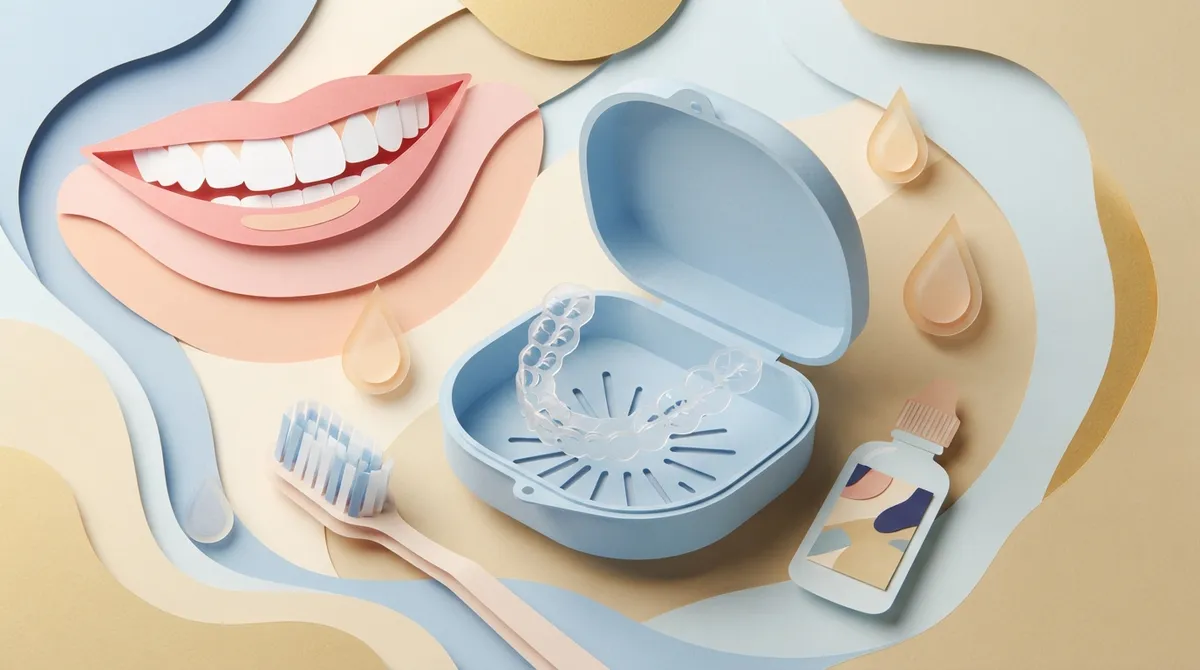
Clean your retainer daily with a soft toothbrush and lukewarm water, soak in orthodontic solution weekly, and store in a ventilated case away from heat. Improper care causes bacteria buildup and warping.
-
Long-term retainer wear is often recommended indefinitely because teeth can shift at any age; about 40% relapse occurs after two years without consistent wear, so call your orthodontist immediately if your retainer feels tight or cracked.
So your braces just came off, or your clear aligner treatment is finally finished. Congratulations! That’s a huge milestone, and you deserve to feel proud of your new smile. But here’s a little secret Dr. Brockway wants every patient to know: the real work of keeping that smile straight is just beginning, and your removable retainer is the tool that makes it happen. Think of your retainer as your smile’s best friend, quietly working behind the scenes to protect all the progress you made.
We know retainers can feel confusing. How long do you wear one? Which type is best? What happens if you lose it or it stops fitting right? Don’t worry, we’ve got you covered. This friendly guide breaks down everything you need to know about removable retainers, backed by real research and years of experience helping Clearwater families keep their smiles beautiful for life. Let’s dig in!
1. Understand What a Removable Retainer Actually Does
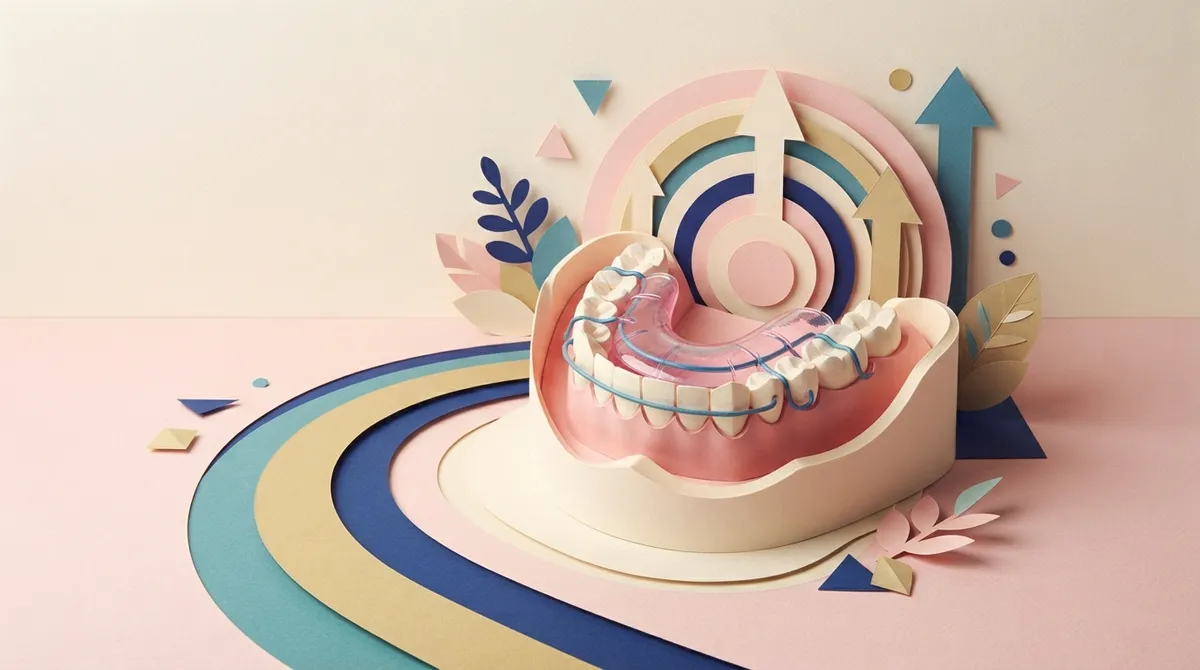
A removable retainer is a custom-made appliance you can take in and out of your mouth. Its job is simple but important: it holds your teeth in place after braces or Spark™ Clear Aligners treatment. Without one, your teeth can slowly drift back toward their old positions.
This happens because your bone and gum tissue need time to adjust to your teeth’s new home. Age-related changes also play a role over the years. That’s why orthodontists everywhere, including our Dr. Brockway, stress the importance of wearing your retainer exactly as prescribed.
- Retainers hold teeth steady while bone and gum tissue settle
- They prevent the slow shifting that happens naturally with age
- They protect the time and investment you put into your treatment
- They work best when you follow your personal wear schedule
2. Know the Two Main Types of Removable Retainers
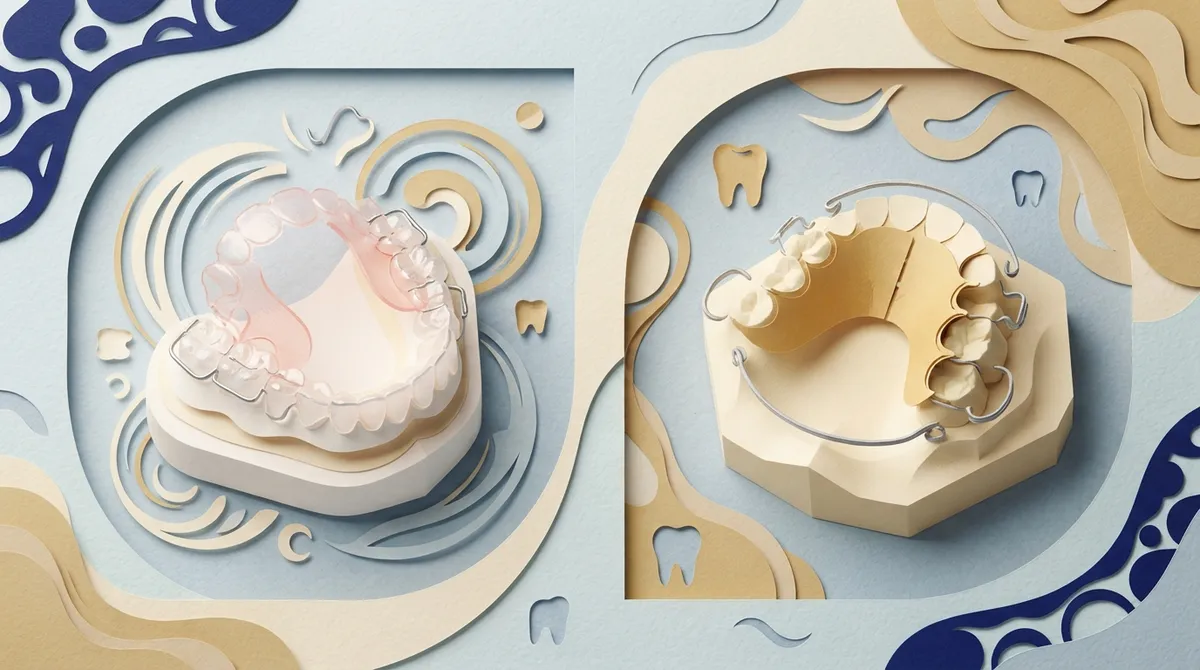
Not all removable retainers look or feel the same. There are two popular styles, and each has its own perks. Neither one is universally “better,” according to research published in the British Dental Journal. The right choice depends on your bite, your habits, and your personal preference.
| Feature | Hawley Retainer | Clear Thermoplastic Retainer |
|---|---|---|
| Material | Acrylic base with metal wire | Clear molded plastic (Essix-style) |
| Visibility | More noticeable | Nearly invisible |
| Durability | Very durable, repairable | Can wear down over time |
| Adjustability | Wire can be adjusted | Cannot be adjusted |
| Speech Impact | Minimal once adjusted | Very minimal |
Both styles can be highly effective for maintaining your smile. The team at Brockway Orthodontics will help you choose the best fit based on your treatment results and lifestyle.
3. Follow Your Wear Schedule Closely
Here’s something important: there’s no single “right” schedule for everyone. Your orthodontist will tell you exactly how often to wear your retainer. Some patients wear theirs full-time at first, then switch to nights only.
A Cochrane review on orthodontic retention found there isn’t strong evidence proving full-time wear beats part-time wear for everyone. This means your personalized plan really matters. Skipping your schedule, even for a few days, can allow small shifts to happen faster than you’d expect.
- Wear your retainer exactly as prescribed by your orthodontist
- Never assume a friend’s schedule applies to you
- Set phone reminders if you tend to forget nighttime wear
- Bring your retainer to every follow-up visit for a fit check
- Ask questions during your first visit or follow-up if anything feels unclear
4. Clean and Store Your Retainer the Right Way
Retainers collect bacteria and buildup just like teeth do. Daily cleaning keeps your appliance fresh and helps you avoid bad odors or discoloration. The good news is that proper care is simple once it becomes a habit.
Guidance from the American Dental Association recommends gentle brushing with a soft-bristled toothbrush and water. You can also soak your retainer in a cleaning solution made for orthodontic appliances every so often.
- Brush gently with a soft toothbrush and lukewarm water daily
- Soak in a retainer-cleaning solution once or twice a week
- Avoid hot water, which can warp plastic retainers
- Skip bleach, alcohol, and abrasive cleaners completely
- Store your retainer in a ventilated case whenever it’s not in your mouth
- Keep it away from pets, siblings, heaters, and hot cars
5. Watch for Warning Signs Your Retainer Needs Attention
Sometimes retainers crack, warp, or simply stop fitting the way they used to. This can happen after years of wear, or sooner if the appliance wasn’t cared for properly. Either way, don’t try to force a tight retainer into place.
If your retainer feels unusually snug, causes pain, or looks cracked, call your orthodontist right away. Waiting too long can allow your teeth to shift further, making the fix more complicated. Quick action almost always means an easier solution.
Common Signs You Should Call Your Orthodontist
- The retainer feels tight or pinches when inserted
- You notice visible cracks or warping
- It no longer snaps fully into place
- You feel new pressure or soreness after months of comfort
- There’s a strange smell that won’t go away after cleaning
If any of these sound familiar, it’s a great time to get in touch with our team so we can take a look and get you back on track.
6. Remember Retainers Are a Long-Term Commitment
Here’s the honest truth: your teeth can shift at any age, even years after treatment ends. That’s why long-term or indefinite retainer wear is often recommended, even if it’s just a few nights a week. A 2023 systematic review found that recurrence with removable retainers was around 40% after two years without consistent wear. That statistic isn’t meant to scare you, it’s meant to remind you why consistency truly pays off.
Some patients also get a mix of fixed and removable retention. Fixed retainers are bonded behind the teeth and don’t rely on daily insertion, but they still need regular checkups and careful cleaning. Your orthodontist can help you decide what combination works best for your smile and daily habits. Learn more about your options on our retainers page.
Removable Retainer Costs and What Impacts Them
Retainer pricing can vary based on your treatment plan, retainer type, and whether it’s a replacement. Many patients ask about cost during their consultation, and we’re always happy to walk through your options and any financing available. Check out our financing and insurance page for more details on making orthodontic care affordable for your family.
| Factor | How It Affects Cost |
|---|---|
| Retainer Type | Hawley retainers may cost more upfront due to metal components |
| Replacement vs. Original | Replacements are usually priced separately from initial treatment |
| Insurance Coverage | Some plans partially cover retention appliances |
| Number of Arches | Upper and lower retainers may be priced individually or as a set |
Why Clearwater Families Trust Brockway Orthodontics for Retention Care
Every smile journey is personal, and that’s exactly how Dr. Brockway approaches retention care. Whether you’re a parent managing your teen’s adolescent treatment, an adult who finished adult treatment, or someone dealing with relapse after previous orthodontic work, our Clearwater office is here to help. We use modern technology, take time to explain your options, and treat every patient like family.
Curious what other patients say about their experience? You can visit us on Google — Brockway Orthodontics to read real reviews from our community. You can also connect with us on Facebook or follow along on Instagram for smile tips and updates. For orthodontists across the state, the Florida Association of Orthodontists is also a helpful resource for finding trusted, credentialed care.
Your Smile Deserves Lifelong Protection
Removable retainers might seem like a small detail after all the excitement of finishing braces or clear aligners, but they play a huge role in your long-term results. Cleaning them properly, wearing them as prescribed, and catching problems early will keep your smile looking exactly the way you want it, for years to come.
If you have questions about your current retainer, need a replacement, or want to explore your options after relapse, our friendly Clearwater team is ready to help. Book appointment online today and let’s make sure your smile stays as bright and confident as the day your braces came off.
FAQs
Q: How long do I need to wear a removable retainer after braces?
A: This really depends on your unique smile and what your orthodontist recommends. Many patients wear their retainer full-time at first, then switch to nights only, but some continue nightly wear indefinitely to protect their results. Your orthodontist will give you a personalized schedule, so always follow their specific guidance rather than a general rule.
Q: What is the difference between a Hawley retainer and a clear Essix retainer?
A: A Hawley retainer has an acrylic base with a metal wire, while a clear Essix retainer is a molded plastic tray that fits snugly over your teeth. Both work well, and the best choice really comes down to your comfort, appearance preferences, and what your orthodontist recommends for your specific bite.
Q: Can I eat or drink while wearing a removable retainer?
A: It’s best to take your retainer out before eating unless your orthodontist says otherwise. Drinking anything besides water while wearing a clear retainer can trap sugars or acids against your teeth, which isn’t great for your enamel. A quick rinse and a case in your pocket makes mealtime easy.
Q: What should I do if my retainer no longer fits?
A: Don’t force it! If your retainer feels tight, cracked, or just plain wrong, give your orthodontist a call right away. Teeth can shift quickly, so the sooner you reach out, the easier it usually is to fix the problem and protect your smile.
Q: How often should a removable retainer be replaced?
A: There’s no single answer here since it depends on wear and tear, your bite, and how well you’ve cared for your retainer. Some last for years with proper cleaning and storage, while others need replacing sooner. Regular checkups help catch fit issues before they become bigger problems.
Our Service Area