Key Takeaways
-
Store removable retainers in their protective case whenever they are not worn, never wrap them in a napkin, and keep them away from pets, since most lost retainers end up in the trash.
-
Never clean a retainer with hot water, bleach, or alcohol-based products, and keep it out of dishwashers, microwaves, and hot cars, because heat can warp the fit.
-
Rinse a removable retainer right after taking it out, then brush gently with a soft toothbrush and plain water to stop saliva from drying and hardening on the surface.
-
Brush carefully around the wire of a fixed retainer and clean between teeth daily with floss, a floss threader, or an interdental aid, since you cannot remove it.
-
If a retainer is lost, cracked, warped, loose, or painful, stop wearing it and call your orthodontist promptly; never bend or repair it yourself, and bring any broken pieces along.
-
Follow the wear schedule your orthodontist set, since it depends on your teeth and retainer type, and watch for a tighter or looser fit as a sign your teeth may be shifting.
You spent months, maybe years, getting your smile just right. The last thing you want is to watch it drift back out of place. That is exactly where retainer care in Clearwater comes in, and it is easier than you might think!
Teeth have a funny habit of wanting to return to where they started. A retainer helps hold them steady after braces or clear aligners. But a retainer only works well when it is clean, safe, and still fits. A little daily care goes a long way.
Whether you are a parent helping a teen, a busy professional, or an adult who had braces years ago, this friendly guide will walk you through it all. You will learn how to clean your retainer, store it safely, spot trouble early, and know when to call your orthodontist. At Brockway Orthodontics, we love helping families protect their smiles for the long haul.

Why Retainer Care in Clearwater Matters
Retainers help maintain tooth alignment after braces or clear aligner treatment. Teeth can shift over time, so retention is often a long-term part of orthodontic care. Think of your retainer as the final chapter of your smile story.
Good retainer care in Clearwater does three important things:
- Protects your investment. Your time, effort, and money went into straightening your teeth. Care keeps those results safe.
- Keeps your mouth healthy. A dirty retainer can hold onto plaque and bacteria.
- Saves you hassle. A well-kept retainer lasts longer and is less likely to crack, warp, or go missing.
Your treating orthodontist sets your wear schedule. That plan depends on your teeth, your treatment, and your retainer type. So always follow the instructions you were given. If you are not sure what your schedule is, just ask. We are happy to help. You can also learn more about retainers at Brockway Orthodontics.
Know Your Retainer Type
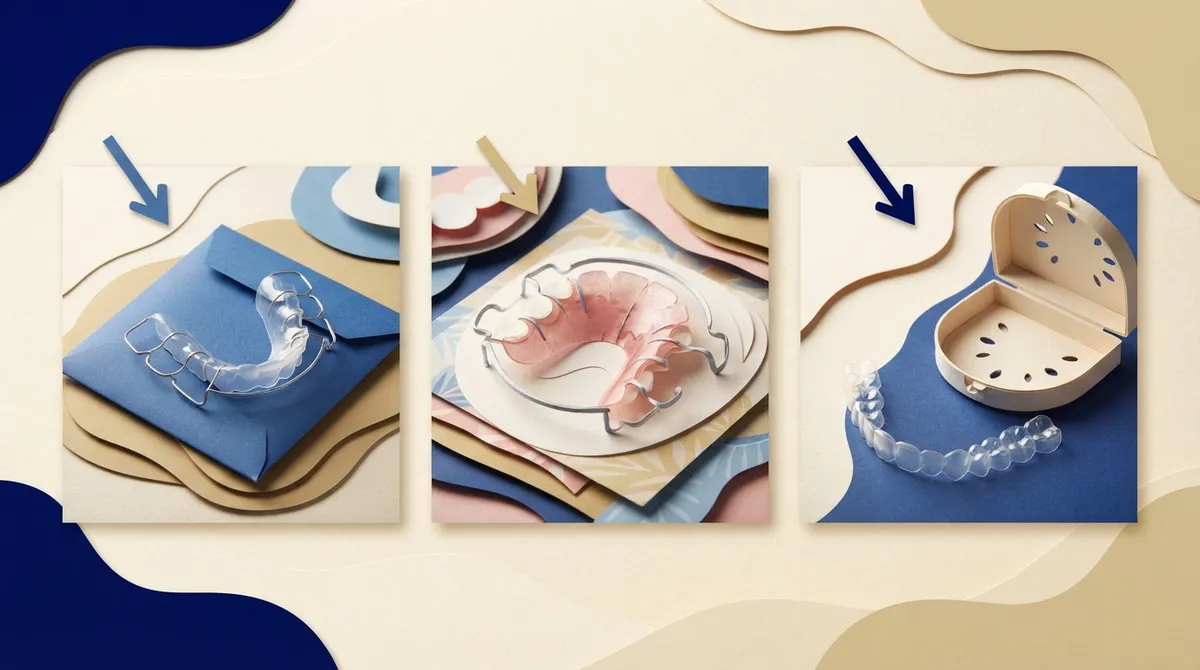
Not all retainers are the same, and care differs by design. Here is a quick look at the common types.
| Retainer Type | What It Looks Like | Key Care Notes |
|---|---|---|
| Clear plastic (removable) | A thin, clear tray that fits over your teeth | Rinse after removal, clean gently, avoid heat |
| Hawley-style (removable) | Acrylic plate with a thin metal wire across the front | Clean daily, store in a case, watch the wire for bends |
| Fixed (bonded) | A thin wire bonded behind the teeth | Brush carefully around the wire and clean between teeth daily |
Each type has its own personality. A clear retainer is nearly invisible, while a fixed retainer stays put so you never have to remember to wear it. The best choice depends on your smile and your lifestyle. Your orthodontist can explain which one fits you best.
How to Clean a Removable Retainer Safely
Cleaning a removable retainer is simple. The American Association of Orthodontists (AAO) recommends gentle routine cleaning. A few small habits make a big difference.
Your Daily Cleaning Routine
- Rinse right away. When you take your retainer out, rinse it with cool or lukewarm water. This stops saliva from drying and hardening on the surface.
- Brush gently. Use a soft toothbrush and plain water. A mild cleaner approved by your orthodontist is also fine.
- Clean every surface. Reach the inside, the outside, and any small grooves where debris can hide.
- Rinse again. Wash away any leftover cleaner or loosened debris.
- Let it air dry or place it in its case. Always keep it safe and out of the way afterward.
AAO guidance also suggests periodic soaking in a retainer-cleaning solution. Follow the product directions and your orthodontist’s advice. Do not soak longer than the label says.
What to Avoid
Some everyday habits can quietly damage a retainer. Please steer clear of these:
- Hot water. Heat can distort the appliance, and a warped retainer will not fit right.
- Harsh chemicals. Bleach and alcohol-based products can harm the plastic or acrylic.
- Dishwashers, microwaves, and hot cars. Heat is the number one enemy of a removable retainer.
- Rough scrubbing. Scratches can make a retainer cloudy and give bacteria a place to hide.
If you are curious about cleaners, tablets, or mouthwash, check with your orthodontist first. Some products are gentle, and others are not. A quick question can save you from buying a new retainer.
How to Care for a Fixed Retainer
A fixed retainer is bonded behind your teeth, so you cannot take it out to clean it. That means your daily brushing and flossing matter even more.
Here is how to keep it clean:
- Brush carefully around the wire. Angle your soft toothbrush so the bristles reach the teeth and the gumline near the wire.
- Clean between your teeth every day. Use floss, a floss threader, or an interdental aid.
- Check the wire. Look for any spots that feel loose, rough, or sharp.
- Keep up with checkups. Regular visits let your care team spot small problems early.
Not sure how to floss around the wire? Ask your orthodontist or dental hygienist to show you. A quick demo makes it so much easier. Also, be gentle with hard or sticky foods that could pull on the wire.
Smart Storage Habits That Save Retainers
Here is a funny truth: most lost retainers are not lost in dramatic ways. They end up wrapped in a napkin and tossed in the trash. It happens more often than you would think!
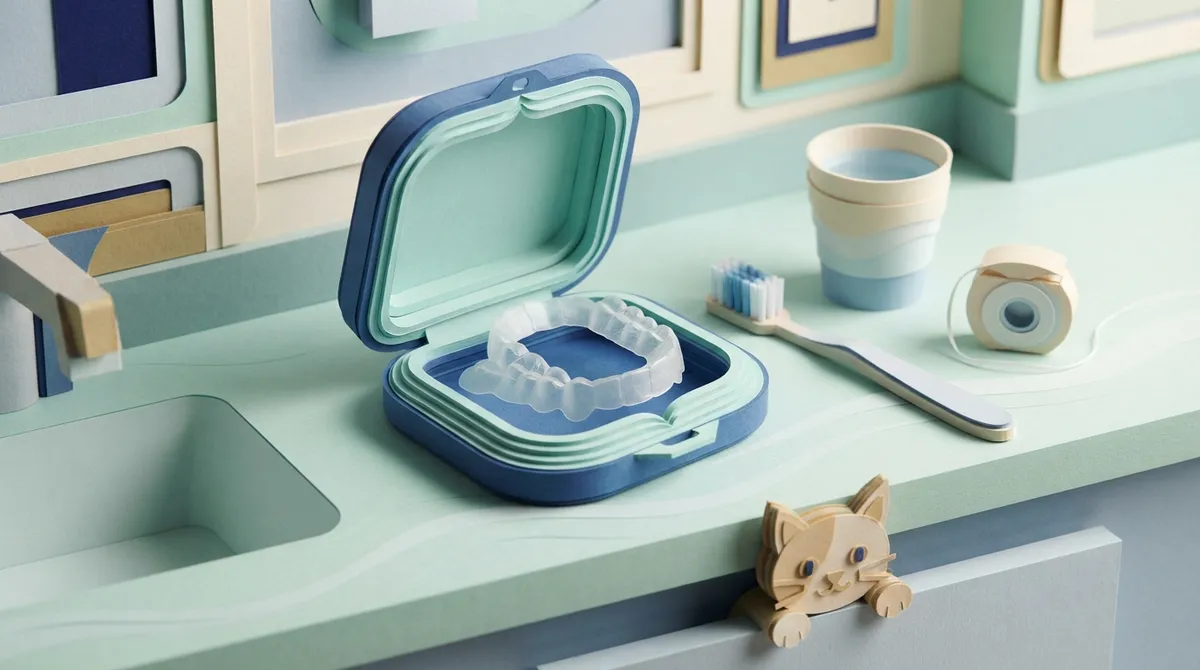
Store a removable retainer in its protective case whenever it is not being worn. Keep it away from pets, heat, and places where it could be thrown away by accident.
Easy Storage Tips
- Keep the case in your bag, car, or desk so it is always within reach.
- Never wrap your retainer in a napkin or tissue.
- Keep it away from dogs and cats. Pets love the smell of retainers, and chewed retainers are very common.
- Do not leave it on a sunny windowsill or in a hot car.
- Write your name on the case, especially for kids and teens who share spaces at school or sports.
For teenagers and young adults, a bright, easy-to-spot case helps a lot. For adult professionals, tossing a spare case in your work bag or gym bag means you are never caught without one.
Signs Your Retainer Needs Attention
Your retainer will usually tell you when something is off. Contact an orthodontist promptly if your retainer is:
- Lost. The sooner you call, the easier it is to prevent shifting.
- Cracked or broken. Small cracks can grow quickly.
- Warped. Heat damage changes the shape and fit.
- Loose. A fixed retainer that feels loose may have come unbonded.
- Painful. Discomfort is not something to push through.
- No longer seating as usual. A tight or odd fit can mean your teeth are moving.
Also watch for changes in your smile. If your teeth appear to be shifting, do not wait. Early action is often simpler and less costly.
One very important rule: do not force a poorly fitting retainer, and do not try to bend or repair it yourself. Forcing it can damage the appliance or put stress on your teeth. If something goes wrong, our guide on what to do if your retainer breaks walks you through the next steps.
What to Do If You Lose or Break Your Retainer in Clearwater
Take a deep breath. It happens to lots of people, and it is fixable. Here is a simple plan:
- Stop and check. Look in your case, bag, car, and the trash before you panic.
- Do not wear a damaged retainer. A cracked or bent retainer may not fit safely.
- Call your orthodontist right away. Tell them what happened and when.
- Ask about a replacement. Your orthodontist can check your fit and arrange a new retainer if needed.
- Keep any pieces. Bring broken parts with you so your care team can see the damage.
Clearwater-area orthodontic practices offer retainer-related services, but each office has its own process. Confirm appointment availability, the replacement process, and fees directly with the practice. If you are looking nearby, this guide on where to find retainers in Clearwater can help. For a closer look at the process, see our overview of orthodontic retainers in Clearwater.
How Often Should Retainers Be Checked or Replaced?
This is one of the most common questions we hear. The honest answer is that it depends. Local practice pages give different estimates for how long a removable retainer lasts, and those are not universal clinical standards. Wear habits, cleaning routines, and retainer type all play a role.
So instead of watching the calendar, watch your retainer. These signs suggest it is time for a checkup:
- The fit feels different or tighter than before.
- You see cracks, rough spots, or heavy wear.
- The retainer looks cloudy, stained, or smells even after cleaning.
- A wire is bent or a fixed retainer feels loose.
Your orthodontist can look at your retainer and your teeth together and tell you what makes sense for you. Regular checkups are a smart way to catch small issues before they become big ones.
Retainer Care Tips for Every Age Group
Everyone’s life looks a little different, so retainer habits can look different too. Here are friendly tips for each stage.
For Parents of Kids and Teens
Kids and teens are busy, and retainers can easily get forgotten. Try these ideas:
- Build retainer time into the bedtime routine, right after brushing.
- Keep a spare case in the backpack and one at home.
- Remind your teen that cafeteria trays and napkins are retainer-eating traps.
- Praise good habits. A little encouragement goes a long way!
If your child is just starting out, our pages on adolescent treatment and early treatment explain how care continues after braces.
For Teens and Young Adults
You worked hard for that smile, so protect it. Set a phone alarm if you need to. Keep your case where you always see it, like on your nightstand. And skip the hot water trick for cleaning. It might feel like a shortcut, but it can warp your retainer.
For Adult Professionals
Busy schedules make it easy to skip steps. Keep a travel case and a small soft brush in your work bag. Rinse your retainer after meals or after removing it at lunch. Little habits fit even the packed days. Our adult treatment page shares more about care built for busy lives.
For Patients Dealing With Relapse
If you had braces years ago and your teeth have shifted, you are not alone. Many adults find their smile moved over time, especially after retainer wear faded. The good news is you have options. An evaluation can show what is going on and what to do next. Do not try to force an old retainer back on. Let your orthodontist check the fit first.
Tips for Health-Conscious Patients
If you care about oral health, a clean retainer is part of the picture. A retainer sits against your teeth and gums for hours, so cleanliness matters. Brush and floss your teeth before putting your retainer back in. Keep up with regular dental cleanings. And if you notice gum tenderness, bad odor that will not go away, or sore spots, mention it at your next visit.
Why Choose Brockway Orthodontics for Retainer Care in Clearwater
At Brockway Orthodontics, we believe a great smile deserves lifelong care. Dr. Brockway takes time to listen, explain your options in simple terms, and make sure you feel comfortable at every step. We use modern technology, including digital impressions and 3D imaging, to help create retainers that fit well and feel right. In certain cases, we can also offer same-day treatment, so you do not have to wait around with a broken or missing retainer.
We care for the whole family, from kids and teens to adults. Whether you finished treatment with metal braces, ceramic braces, or Spark™ Clear Aligners, we are here to help you keep your results. Want to see what our patients say? Visit us on Google — Brockway Orthodontics to read reviews from Clearwater families.
For more reading, you can also explore the Florida Association of Orthodontists and the American Dental Association for general oral health guidance. For friendly updates and smile inspiration, follow us on Facebook.
Quick Retainer Care Checklist
Here is a handy recap you can save or print:
- Follow the wear schedule your orthodontist gave you.
- Rinse removable retainers right after taking them out.
- Clean gently each day with a soft brush and water or an approved cleaner.
- Avoid hot water, bleach, and alcohol-based products.
- Store removable retainers in their case, never in a napkin.
- Keep retainers away from pets and heat.
- Brush and floss carefully around a fixed retainer every day.
- Call your orthodontist if your retainer is lost, damaged, loose, painful, or does not fit.
- Never bend or fix a retainer on your own.
Protect Your Smile Today
Retainer care in Clearwater does not have to be complicated. A few simple habits, like gentle cleaning, safe storage, and quick action when something feels off, keep your smile looking great for years. Your retainer is a small tool that does a big job.
If your retainer is lost, damaged, or just does not feel right, we are here to help. Book an appointment online or contact us to talk with our friendly team. Let us help you keep that smile you worked so hard for!
FAQs
Q: How often should I wear my retainer after braces or Invisalign?
A: Your orthodontist sets your wear schedule, and it depends on your teeth and retainer type. Many patients wear them more at first and then less over time, but follow the plan you were given. If you are unsure, just ask your care team.
Q: Can I use toothpaste, cleaning tablets, or mouthwash on my retainer?
A: Gentle cleaning with a soft brush and water is the safest starting point. Some cleaning tablets are made for retainers, so follow the product directions and your orthodontist’s advice. Avoid harsh chemicals like bleach or alcohol, since they can damage the retainer.
Q: What should I do if I lose or break my retainer in Clearwater?
A: Do not worry, it happens! Stop wearing a damaged retainer and call your orthodontist right away. They can check your fit, talk through replacement options, and help prevent your teeth from shifting.
Q: How can I tell if my retainer no longer fits correctly?
A: Watch for a tight feel, a loose fit, new discomfort, or a retainer that will not seat like it used to. These can mean the retainer is warped or your teeth are moving. Do not force it on. Contact your orthodontist for an evaluation.
Q: How do I clean around a permanent bonded retainer?
A: Brush carefully around the wire with a soft toothbrush and clean between your teeth every day using floss or an interdental aid. Ask your orthodontist or dental hygienist to show you a technique that works for you. A quick demo makes daily care much easier.
Our Service Area