Key Takeaways
-
Aligners must be worn about 20 to 22 hours a day, but the exact target depends on your teen's plan, and Dr. Brockway's instructions always take priority.
-
Link aligner reinsertion to an existing habit, such as putting them back in right after brushing and flossing following a meal.
-
Teens often overestimate how much they wear their aligners, so simple systems like alarms, labeled cases, and checklists work better than good intentions alone.
-
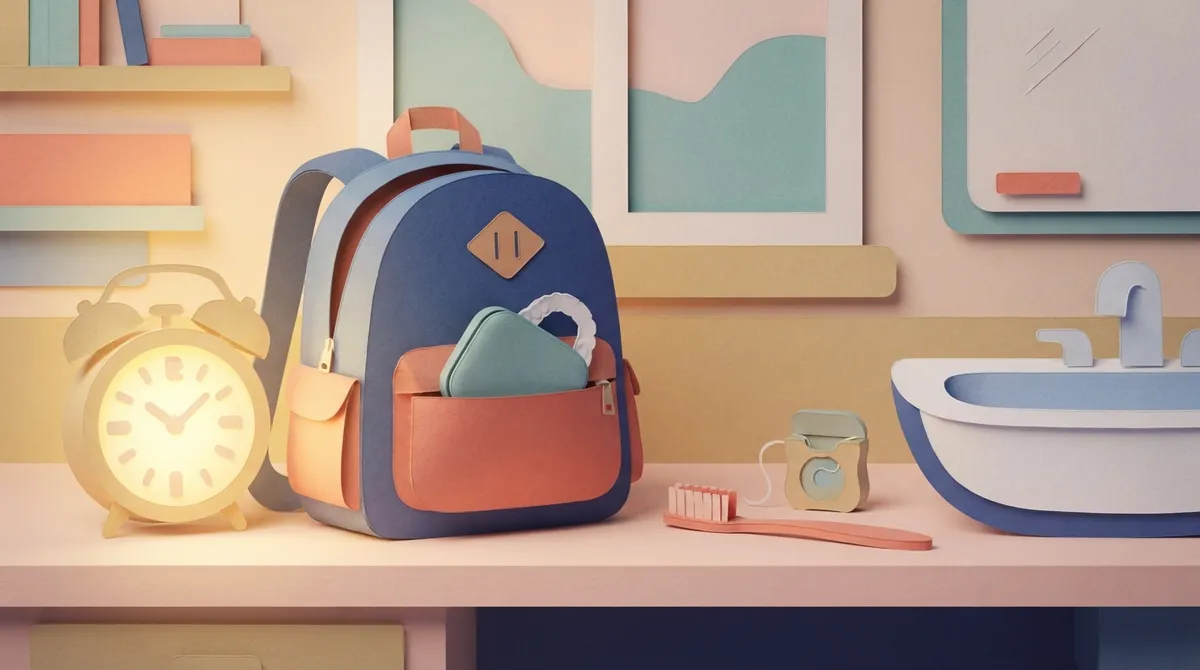
Keep a labeled case in the same backpack pocket, never wrap trays in a napkin, and carry a spare case for school, sports, and trips.
-
If your teen forgets aligners, reinsert them right away, avoid skipping ahead to the next tray, and call the office rather than changing the schedule yourself.
-
Make a routine together and use short, friendly reminders instead of nagging or punishment, since supported teens tend to stay more motivated.
Let’s be honest: teenagers have a lot going on. School, sports, friends, group chats, and a phone that never stops buzzing. Somewhere in that busy mix, a small clear tray has to go back in their mouth after every meal. No wonder so many families struggle with helping teenagers remember aligner wear time!
Here is the good news. Forgetting is normal, and it is fixable. You do not need nagging, bribes, or battles. You just need a simple routine that makes wearing aligners the easy choice.
At Brockway Orthodontics in Clearwater, Florida, we see this every day. Dr. Brockway and our team love helping teens and parents build habits that stick. In this article, we will share friendly, practical tips you can start today. We will also cover what to do when a day goes sideways, and how our team can help you stay on track.
Why Does Aligner Wear Time Matter So Much?
Clear aligners work by gently and steadily moving teeth. They can only do that job while they are in the mouth. Many treatment plans call for roughly 20 to 22 hours of wear each day. That is almost all day and night.
The exact number depends on your teen’s plan. Always follow Dr. Brockway’s instructions first. If your teen’s plan says something different from a general guideline, the plan wins.
Aligners usually come out for just a few things:
- Eating meals and snacks
- Brushing and flossing
- Drinking anything other than plain water, depending on your orthodontist’s advice
- Special activities, such as a sports mouthguard, if your orthodontist recommends it
Everything else is aligner time. When wear slips, teeth may not move the way the plan expects. A tray may feel tight or stop fitting well. Treatment can also take longer than planned.
If your teen is wearing Spark™ Clear Aligners, the same idea applies. Steady wear is the secret ingredient.
Why Do Teenagers Forget Their Aligners?
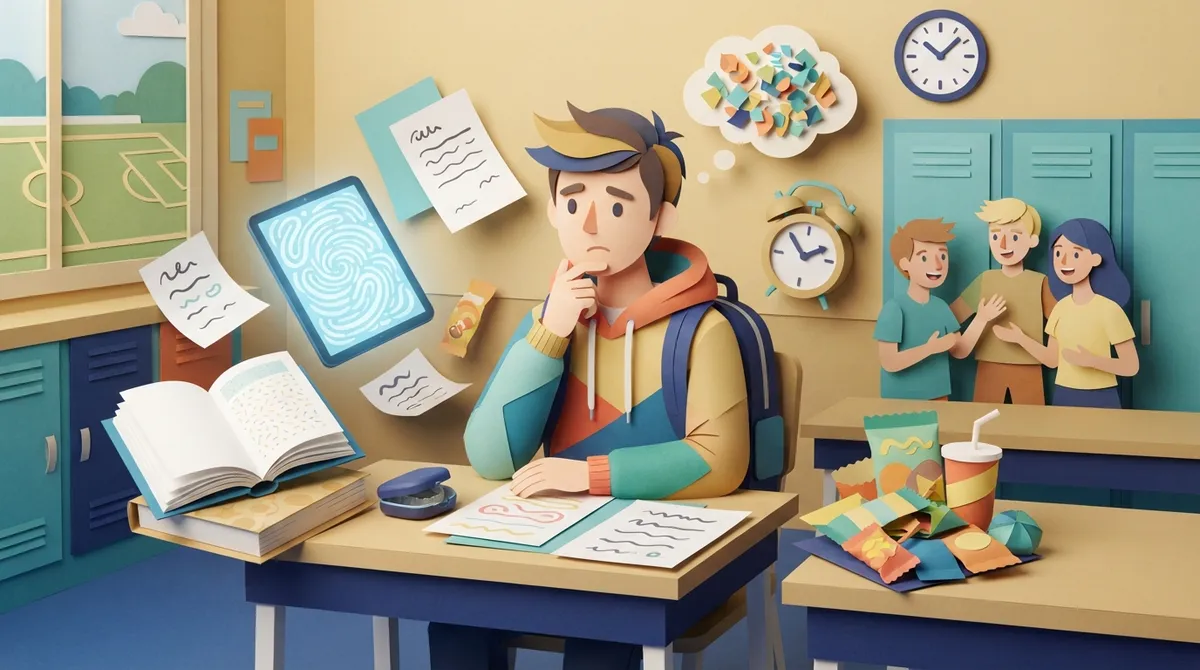
It helps to understand the “why” before jumping to solutions. Most teens are not being lazy or defiant. They are just busy and still building habits.
Here are the most common reasons:
- Busy schedules. Lunch, class changes, practice, and homework leave little time to think about trays.
- Out of sight, out of mind. A tray sitting in a case is easy to forget.
- Social worry. Some teens feel shy about popping aligners in or out in front of friends.
- Comfort. New trays can feel snug for a few days, which makes skipping tempting.
- Still-growing planning skills. Teen brains are still developing the habit of “remember this small thing all day long.”
Research backs this up. A 2022 literature review found that how well patients wear their appliances is shaped by comfort, motivation, communication, and personal factors. It also found that patients’ own reports tend to overestimate how much they actually wear them. In other words, teens may truly believe they wore their aligners all day, even when they did not. That is why simple systems work better than good intentions.
7 Simple Ways to Help Teens Remember Aligner Wear Time
The best habits are the ones that fit into a teen’s existing day. Try these ideas one at a time, and keep what works.
1. Tie Aligners to Daily Routines
Habits stick best when they are linked to something your teen already does. Build a simple chain:
- Finish the meal or snack.
- Brush and floss.
- Rinse the aligners.
- Put the aligners right back in.
The “right back in” step is the key. Make it feel like part of brushing, not a separate chore. Other handy cues include finishing lunch, arriving home from school, and getting ready for bed.
2. Use Phone Alarms and Reminder Apps
Most teens live on their phones, so use that! A few well-timed nudges can make a big difference.
- Set a recurring alarm for the end of lunch.
- Add a daily after-school reminder.
- Use a calendar notification for bedtime.
- Try a reminder app or checklist that your teen picks out.
Let your teen choose the sounds and wording. When they own the system, they are far more likely to use it. Keep in mind that reminders help some teens a lot and others only a little. If one method is not working, swap it for another.
3. Keep a Reliable, Labeled Case Close By
A good case is a tiny hero. It protects the trays and makes removal and reinsertion simple. Here are some smart case habits:
- Keep the case in the same backpack pocket every day.
- Put a spare case in a locker, car, or sports bag.
- Add a bright label or sticker so it is easy to spot.
- Never wrap aligners in a napkin. That is one of the most common ways trays end up in the trash.
- Do not leave trays loose in a pocket or bag.
A lost tray means a call to the office and possible delays. A simple case habit helps prevent that headache.
4. Use a Wear-Time Checklist or Tracker
Visual reminders work well for teens. A simple sticker chart, notes app, or printable checklist can help them see their day at a glance. Some teens enjoy tracking a streak, like “seven days in a row of a smooth routine.”
Some aligner systems also include visual wear indicators, and some orthodontic practices offer remote check-ins. These tools can start helpful conversations about progress. Just remember they are not perfect measures of exact wear time, so treat them as a guide, not a grade.
5. Make a Parent and Teen Plan Together
This one is big. How you talk about aligners matters just as much as the tools you use.
- Hold one short, relaxed check-in to agree on a routine.
- Let your teen take the lead as much as possible.
- Ask, “What would help you remember?” instead of “Why did you forget?”
- Use quick, friendly reminders, not lectures.
- Avoid shame, punishment, or taking away privileges over aligners.
Think of yourself as the coach, not the referee. Teens who feel supported tend to stay more motivated. Celebrate wins, like a full week of good wear or a great checkup report.
6. Plan for Tricky Moments
Some parts of the day make aligners easy to forget. Talk through them ahead of time:
- School lunch. Plan where the case lives and how your teen will brush or rinse afterward.
- Sports and practice. Decide when trays come out and when they go back in.
- Sleepovers and trips. Pack the case, a travel toothbrush, and a spare case.
- Social events. Remind your teen that quick, discreet removal is totally fine.
A little planning keeps small slip-ups from turning into big gaps in wear.
7. Keep Trays Comfortable and Clean
Comfort affects wear time. If trays are sore or smelly, teens are less likely to keep them in. Encourage your teen to:
- Brush and floss before putting trays back in.
- Rinse trays and brush them gently as your orthodontist advises.
- Avoid hot water, which can warp trays.
- Tell you or the office if a tray rubs, cracks, or hurts.
Fresh, clean trays simply feel nicer to wear. For more help, our guide on how to clean clear aligners walks through easy daily steps.
Which Reminder Method Fits Your Teen?
Every teen is different. Use this quick table to find a starting point.
| Reminder Method | Best For | Watch Out For |
|---|---|---|
| Phone alarms | Teens who are always on their phones | Alarm fatigue if there are too many |
| Routine pairing (after brushing, after lunch) | Teens who like predictable days | Needs a few weeks to become automatic |
| Labeled case in a set spot | Teens who misplace things | Case left behind at school or practice |
| Checklist or sticker tracker | Visual, goal-driven teens | Can feel childish to older teens |
| Parent check-in | Younger teens building habits | Nagging if it is not kept friendly |
Many families blend two or three methods. A phone alarm plus a routine plus a labeled case is a strong combo.
What If Your Teen Forgets Aligners for Hours or a Day?
First, take a breath. It happens, and it is not a crisis. Here is a calm way to handle it:
- Put the aligners back in right away.
- Check that the tray still fits snugly. If it does not seat fully, do not force it.
- Do not skip ahead to the next tray on your own.
- Call the office if wear has been missed for a stretch, a tray is cracked or lost, or a tray will not fit.
Please do not change the tray schedule without checking with Dr. Brockway first. Every treatment plan is different, and the right fix depends on the case. A quick call is much easier than a surprise later.
If wear has been consistently low, teeth may not move as planned. The plan may need a small adjustment, and that is okay. Being honest early helps your care team guide your teen back on track. Our FAQs page also answers many common aligner questions.
How Do Orthodontists Know If a Teen Is Wearing Aligners?
We can tell a lot from how teeth are tracking. At checkups, we look at how well trays fit, how teeth are moving, and whether the plan is on schedule. We also talk with you and your teen about the routine.
Some tools can estimate wear. For example, one review of wearable orthodontic technology found that certain intraoral sensors estimated wear time with about 4 percent under-reporting on average. A small study of a color-changing aligner indicator also looked at how it might support adherence, but it included only 14 teens, so its results cannot be applied to everyone.
The takeaway is simple. Tools can help, but open conversation helps even more. We would rather have an honest “we struggled this week” than a perfect-sounding report. There is zero judgment here. We are on your teen’s team.
Are Clear Aligners a Good Choice for a Teen Who Forgets Things?
This is a fair question, and the answer depends on the teen. Aligners reward routine and responsibility. Some forgetful teens do great once a system is in place. Others may do better with braces.
With braces, there is nothing to remember to put back in. They work around the clock. That can be a real plus for a teen who struggles with removable trays. Our guide on braces vs. clear aligners for kids can help you weigh the options.
Ask yourself a few honest questions:
- Does my teen keep track of items like retainers, glasses, or sports gear?
- Is my teen motivated to have aligners, or is this mostly my idea?
- Will a reminder system fit our family’s schedule?
There is no wrong answer. At Brockway Orthodontics, we offer Spark™ Clear Aligners, metal braces, and ceramic (clear) braces, so we can match the treatment to your teen’s personality and lifestyle. Learn more about our adolescent treatment options.
How the Brockway Orthodontics Team Supports Teens
You do not have to figure this out alone. Dr. Brockway takes time to listen to your teen’s goals and concerns, then explains everything in a friendly, easy-to-understand way. We want your teen to feel comfortable, informed, and in charge of their own smile.
Here is how we help:
- We review wear expectations at the start so there are no surprises.
- We use modern technology, including digital impressions and 3D imaging, for precise planning.
- We check progress at visits and talk through any bumps in the road.
- We adjust the plan when needed, without blame.
Curious what to expect? Our first visit page shows how we get started. You can also read about Dr. Brockway and see what other families say. Visit us on Google — Brockway Orthodontics to read reviews from our Clearwater community.
For more orthodontic guidance from trusted national sources, the American Dental Association offers helpful oral health information for families.
Make Aligner Wear a Win for Your Whole Family
Helping a teen remember aligner wear time is really about building a few small habits. Link trays to daily routines. Use friendly reminders. Keep a labeled case close. Stay supportive, not stern. And call us when something feels off.
Every teen can get there with the right system and a little encouragement. Progress matters more than perfection, and we are here to cheer your family on. Ready to talk about the best path for your teen’s smile? Book your free consultation online and let’s build a plan that works for your family.
FAQs
Q: How many hours a day should a teenager wear clear aligners?
A: Many clear aligner plans call for about 20 to 22 hours of wear each day. The exact goal depends on your teen’s treatment plan, so always follow Dr. Brockway’s instructions. Aligners usually come out only for meals, brushing, and flossing.
Q: What are the best ways to remind a teen to put aligners back in after eating?
A: Pair the habit with something your teen already does, like brushing after lunch or arriving home from school. Add a recurring phone alarm, keep a labeled case in the same backpack pocket, and use a simple checklist. A quick, friendly check-in from you can help too!
Q: What should my teen do if they forget to wear aligners for several hours or a day?
A: Put the aligners back in right away and check that they still fit snugly. Please don’t skip to the next tray on your own. If wear has been missed for a stretch or a tray won’t seat, give our office a call so we can guide you.
Q: How can parents encourage aligner wear without nagging?
A: Make a plan together and let your teen lead as much as possible. Ask what would help them remember instead of asking why they forgot. Keep reminders short and kind, and celebrate good weeks rather than punishing slip-ups.
Q: Are clear aligners a good choice for a teenager who often forgets things?
A: It depends on the teen. Some do great once they have a routine, while others do better with braces since there is nothing to remove or remember. We offer both, so we can help you choose what fits your teen’s personality and daily life.
Our Service Area