Key Takeaways
-
Retainers are a lifelong commitment, not temporary; most patients need full-time wear for several months after treatment, then switch to indefinite nighttime wear to prevent teeth from naturally drifting back.
-
The three main retainer types (Hawley, clear plastic, and fixed bonded) require different care routines; using wrong cleaning methods can crack trays, loosen wires, or cause damage to your appliance.
-
Use only cool or lukewarm water and gentle brushing for retainer cleaning; avoid hot water, bleach, alcohol-based mouthwash, and dishwashers, which can warp or damage the retainer material.
-
Call your orthodontist immediately if your retainer feels tight, shows cracks, feels loose, is lost, or causes pain; ignoring small issues leads to expensive problems and potential tooth relapse.
-
Fixed retainers have a 35% overall failure rate that increases over time (54% long-term), requiring regular professional checkups despite being called permanent; both fixed and removable retainers work equally well.
-
Store removable retainers in a ventilated case when not in use; for fixed retainers, use floss threaders daily to clean underneath the wire and prevent plaque buildup and cavities.
You finally got your braces off or finished your last clear aligner tray. Your smile looks amazing, and you cannot stop grinning at every mirror you pass. But here is a little secret many patients do not hear enough: your orthodontist retainer is just as important as the braces or aligners that got you here. Skip it, or use it the wrong way, and your teeth can slowly drift back toward where they started.
At Brockway Orthodontics in Clearwater, we see this happen more often than we would like. Patients put in months or years of hard work, only to lose progress because of a few simple retainer mistakes. The good news? These mistakes are completely avoidable once you know what to watch for. In this friendly guide, we will walk through the four biggest retainer blunders, plus everything you need to know about caring for your smile for the long haul.
What Is an Orthodontist Retainer, Anyway?
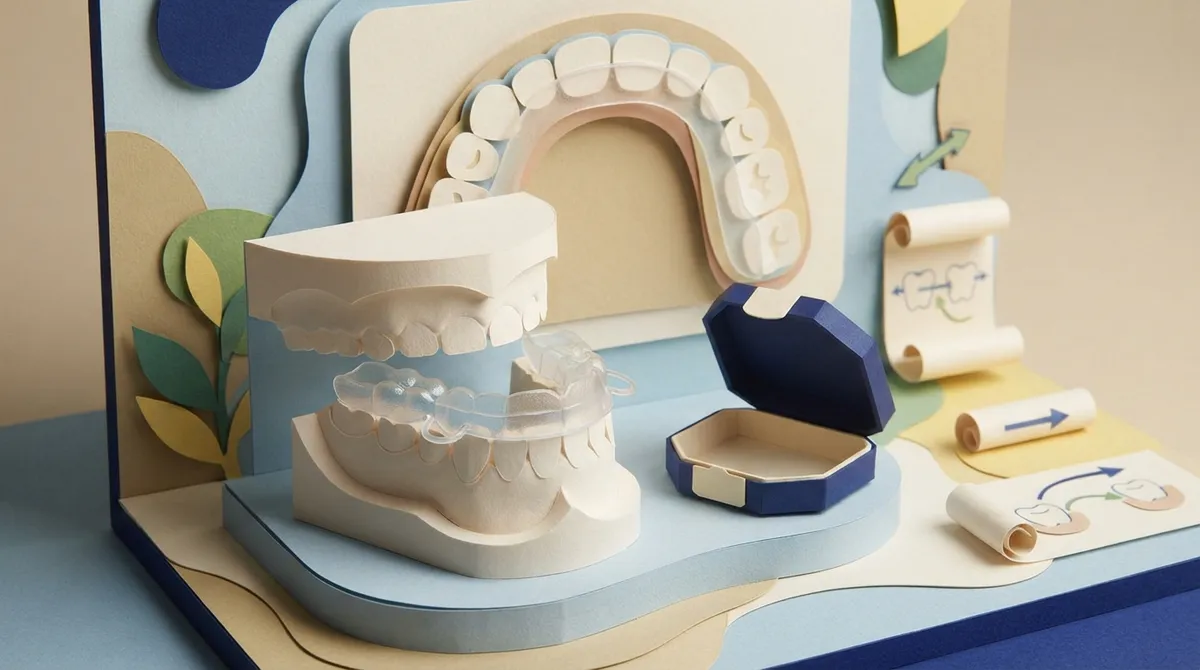
An orthodontic retainer is a custom-made appliance that holds your teeth in place after braces or clear aligners like Spark™ Clear Aligners finish their job. Think of it as the finishing touch on all that hard work. Without it, your teeth have a sneaky habit of drifting back toward their old positions, a process orthodontists call relapse.
Your teeth are held in place by ligaments and bone that need time to adjust to their new positions. A retainer gives that tissue the time it needs to settle in. Skipping this step is a bit like painting a room and never letting it dry before you move the furniture back in.
Mistake #1: Thinking Retainers Are Only Needed for a Few Months
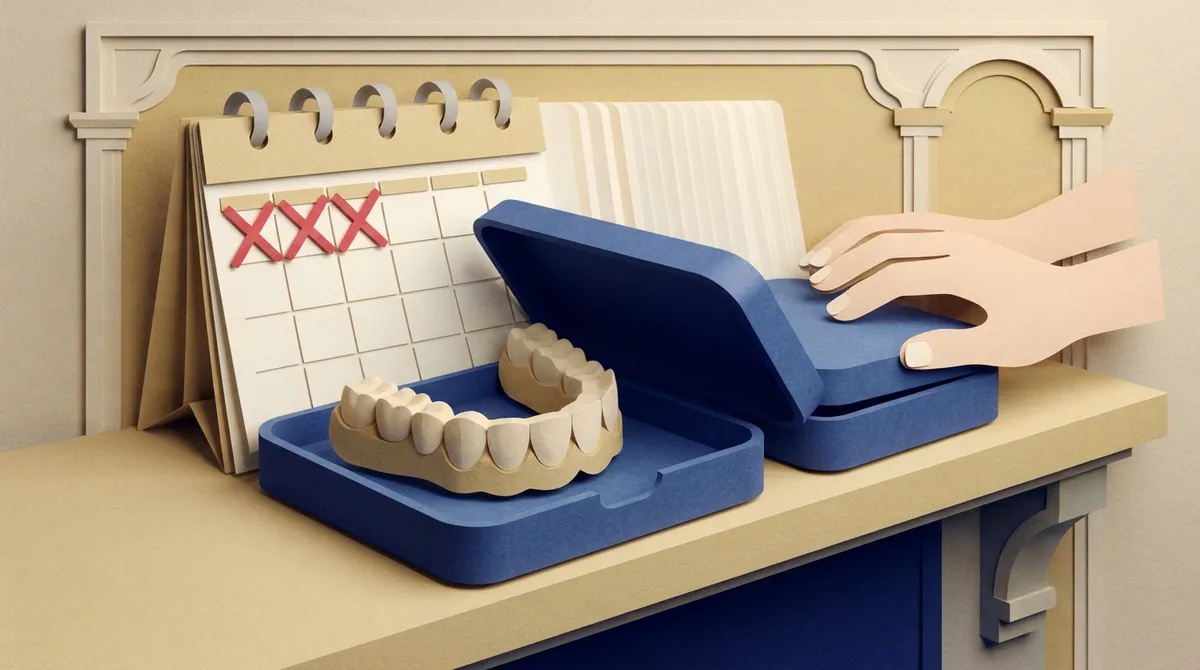
This is probably the biggest myth out there. Many patients believe they only need to wear a retainer for a few weeks or months after treatment. In reality, retention is usually a long-term commitment, and for many people, it becomes a lifelong habit.
Most orthodontists, including our team at Brockway Orthodontics, recommend full-time wear for an initial period. After that, patients typically move to nighttime or part-time wear that continues indefinitely. The exact schedule depends on your age, your bite, your gum health, and how your teeth moved during treatment.
- Full-time wear often lasts several months right after treatment ends.
- Nighttime wear usually continues for years, sometimes for life.
- Your orthodontist will adjust your schedule based on how your smile holds steady over time.
If you skip this step or quit too early, your teeth can shift again. Studies show teeth naturally want to move throughout life, even without braces, so retainers act like a safety net for your smile.
Mistake #2: Not Knowing the Difference Between Retainer Types
Not all retainers are the same, and using the wrong care routine for your specific type can cause problems. Here is a simple breakdown of the three main types you might get from your orthodontist.
| Retainer Type | What It’s Made Of | Best For | Typical Cost Range |
|---|---|---|---|
| Hawley Retainer | Acrylic base with a metal wire | Durability and adjustability | $150–$300 |
| Clear (Essix) Retainer | Transparent plastic tray | A nearly invisible look | $100–$300 |
| Fixed Bonded Retainer | Thin wire bonded behind teeth | Patients who worry about compliance | $250–$700 per arch |
Hawley retainers use acrylic and a wire, and they tend to last a long time if you take care of them. Clear plastic retainers are see-through trays that snap over your teeth, similar to the aligners many patients already know and love. Fixed retainers are thin wires bonded to the back of your teeth, so you do not have to remember to put them in every night.
Each type comes with its own care instructions. Mixing up how you clean or handle them is a common mistake that leads to cracked trays, loose wires, or bad odors. If you are not sure which type you have or how to care for it, our retainer care page breaks it down in simple terms.
Mistake #3: Skipping Proper Cleaning and Storage
This mistake sneaks up on a lot of patients. Retainers collect bacteria and plaque just like your teeth do, so they need regular cleaning. But using the wrong products or storage habits can actually damage your appliance.
Simple Cleaning Rules to Follow
- Always use cool or lukewarm water. Hot water can warp plastic retainers, ruining the fit.
- Brush gently with a soft toothbrush, or use a cleaning product your orthodontist recommends.
- Avoid bleach, alcohol-based mouthwash, and abrasive toothpaste, since these can damage the material.
- Never put your retainer in the dishwasher, no matter how tempting that sounds.
- Store removable retainers in a ventilated case whenever they are out of your mouth.
For patients with fixed retainers, cleaning looks a little different. You will need to brush carefully around the wire and use floss threaders to get underneath it. Skipping this step can lead to plaque buildup, gum irritation, or even cavities near the bonded area. The American Dental Association recommends daily flossing habits for anyone with a fixed dental appliance, and that advice absolutely applies here too.
Mistake #4: Ignoring Warning Signs and Waiting Too Long to Call
Life gets busy, and sometimes a retainer that feels a little tight or a wire that seems slightly loose gets pushed to the back of your mind. This is where many patients run into trouble. Ignoring small issues can turn into bigger, more expensive problems down the road.
Here are signs that mean it is time to call your orthodontist right away:
- Your retainer feels tight or does not fit like it used to.
- You notice cracks, warping, or a broken wire.
- Your fixed retainer feels loose or wiggly against your teeth.
- You lost your retainer entirely, even for just a few days.
- You feel pain or unusual pressure when wearing it.
- Wear your retainer exactly as your orthodontist recommends, even on busy days.
- Clean it every single day using gentle products, not harsh chemicals.
- Store it in its case the moment you take it out, never in a napkin or pocket.
- Bring it to every checkup so your orthodontist can inspect the fit.
- Call your orthodontist immediately if something feels wrong, rather than waiting it out.
Never try to force a retainer that no longer fits. This can cause discomfort and may not even move your teeth back into place correctly. Instead, reach out to your orthodontic team as soon as something feels off.
This matters even more for fixed retainers. A 2023 systematic review found that bonded retainers fail at a rate of roughly 35% overall, with failure rates climbing the longer they are in place. Short-term failure was about 24%, while long-term failure rose to nearly 54%. That does not mean fixed retainers are a bad choice. It simply means they need regular professional checkups, even though they are sometimes called “permanent.”
Fixed vs. Removable: Which One Is Really Better?
This question comes up a lot, and honestly, there is no single right answer for every patient. Research comparing fixed and removable retainers shows both can do a great job keeping your smile in place. A 2020 meta-analysis found fixed retainers performed slightly better in some measurements, but there was no major difference in relapse after twelve months. A more recent 2023 Cochrane review noted that the evidence is still considered low or very low certainty, mostly because studies do not always follow patients long enough to draw firm conclusions.
Here is a quick comparison to help you think through the pros and cons:
| Feature | Fixed Retainer | Removable Retainer |
|---|---|---|
| Daily Compliance Needed | No, it stays in place | Yes, must be worn as directed |
| Ease of Cleaning | Requires floss threaders | Simple to remove and brush |
| Risk of Loss | Very low | Higher, easy to misplace |
| Long-Term Monitoring | Still needed by orthodontist | Still needed by orthodontist |
Whichever type you choose, the most important thing is showing up for regular checkups so your orthodontist can catch small issues before they become big ones. Dr. Brockway and her team walk every patient through the pros and cons during your first visit and any follow-up appointment.
Why Retention Matters for Every Age Group
Retainers are not just for teenagers finishing up their first round of braces. Adults who complete adult orthodontic treatment need retainers just as much, sometimes even more, since adult teeth can be more prone to shifting. Parents of kids in adolescent treatment should also know that consistent retainer wear helps protect the investment made during braces or aligner treatment.
If you previously wore braces years ago and now notice your teeth shifting again, you are not alone. Many patients come back to us because they stopped wearing their retainer and experienced some relapse. The good news is that treatment options exist to fix this, and getting back on track with a proper retention plan can help protect your results for good.
How Brockway Orthodontics Supports Your Retention Journey
At our Clearwater practice, we do not just hand you a retainer and send you on your way. Dr. Brockway takes time to explain exactly how to wear, clean, and store your retainer so it lasts as long as possible. We also schedule follow-up visits to check that your fixed or removable retainer is doing its job.
Our office uses modern technology, including digital scans, to create retainers that fit precisely and comfortably. This reduces irritation and helps your retainer last longer. If you ever need a repair or replacement, our friendly team makes the process simple and stress-free. You can see what real patients say about their experience by visiting our Google Business Profile for Brockway Orthodontics, where Clearwater families share their honest reviews.
We also stay connected with our community through Facebook and Instagram, sharing tips, smile transformations, and reminders about the importance of retainer care. If you want more general guidance on orthodontic best practices, the Florida Association of Orthodontists also offers helpful patient resources.
Simple Habits That Keep Your Retainer Working
Building a few small habits into your daily routine can make a huge difference in how long your retainer lasts and how well it protects your smile.
These habits sound simple because they are. The hardest part is staying consistent, especially years after your braces come off when the excitement of a new smile has settled into everyday life.
Ready to Protect Your Smile for the Long Run?
Your orthodontist retainer is the final, and honestly one of the most important, steps in your smile journey. Whether you are finishing up braces, wrapping up clear aligner treatment, or dealing with some relapse from years ago, the right retention plan makes all the difference. Our team at Brockway Orthodontics is here to guide you through every step with warmth, patience, and plenty of good humor along the way.
If your retainer does not fit right, feels uncomfortable, or you simply have questions about your care routine, do not wait. Reach out to our friendly Clearwater team today and let us help you keep that beautiful smile exactly where it belongs. Or, if you are ready to talk about your smile goals from scratch, you can always schedule your free consultation online and meet Dr. Brockway in person.
FAQs
Q: What is an orthodontic retainer and why is it needed after braces?
A: An orthodontic retainer is a custom appliance that holds your teeth in their new positions after braces or clear aligners. Without it, your teeth can slowly drift back toward where they started, so think of it as the guardian of all your hard work!
Q: How long do I need to wear my retainer after treatment?
A: Most patients wear their retainer full-time for a few months, then switch to nighttime wear indefinitely. Your exact schedule depends on your age, bite, and how your teeth moved, so your orthodontist will guide you along the way.
Q: What is the difference between a Hawley, clear, and fixed retainer?
A: A Hawley retainer uses acrylic and a wire, a clear retainer is a see-through plastic tray, and a fixed retainer is a thin wire bonded behind your teeth. Each has its own care routine, so it helps to know exactly which type you have!
Q: What should I do if my retainer no longer fits or is lost?
A: Call your orthodontist right away instead of trying to force it back into place. A retainer that no longer fits can mean your teeth have shifted, and your orthodontist can help you get things back on track quickly.
Q: Are fixed retainers better than removable retainers?
A: Both types work well, and research shows no major difference in keeping teeth straight after twelve months. It really comes down to your lifestyle, so chat with your orthodontist about which option fits your daily routine best.
Our Service Area