
Key Takeaways
-
Avoid whitening strips and gels during braces treatment as brackets block the product from reaching enamel underneath, resulting in uneven coloring with visible darker squares where brackets were once removed.
-
Wait 30 days to 3 months after braces are removed before whitening to allow teeth to settle, let adhesive residue be cleaned off, and prevent uneven results or sensitivity.
-
Use gentle fluoride toothpaste and skip charcoal-based products during treatment, as some whitening toothpaste can weaken bracket bond strength; focus on professional cleanings instead.
-
Maintain excellent hygiene with careful brushing around brackets and floss threaders to prevent white spot lesions—chalky marks that form from plaque buildup and persist even after braces come off.
Wondering if you can whiten your teeth while your braces are still on? You’re not alone! This is one of the most common questions we hear at Brockway Orthodontics from patients in Clearwater who want a bright smile without messing up their treatment. The good news? There are safe, smart ways to keep your smile looking fresh during treatment, and even better options once your braces come off.
Let’s clear up the confusion around teeth whitening with braces. We’ll walk through what actually works, what to avoid, and how to plan for that dazzling reveal once your brackets come off. Whether you’re a parent guiding your teen through treatment, a busy professional with Spark™ Clear Aligners, or an adult getting a second chance at a straight smile, this guide has you covered.
1. Understand Why Whitening Strips Don’t Work With Braces
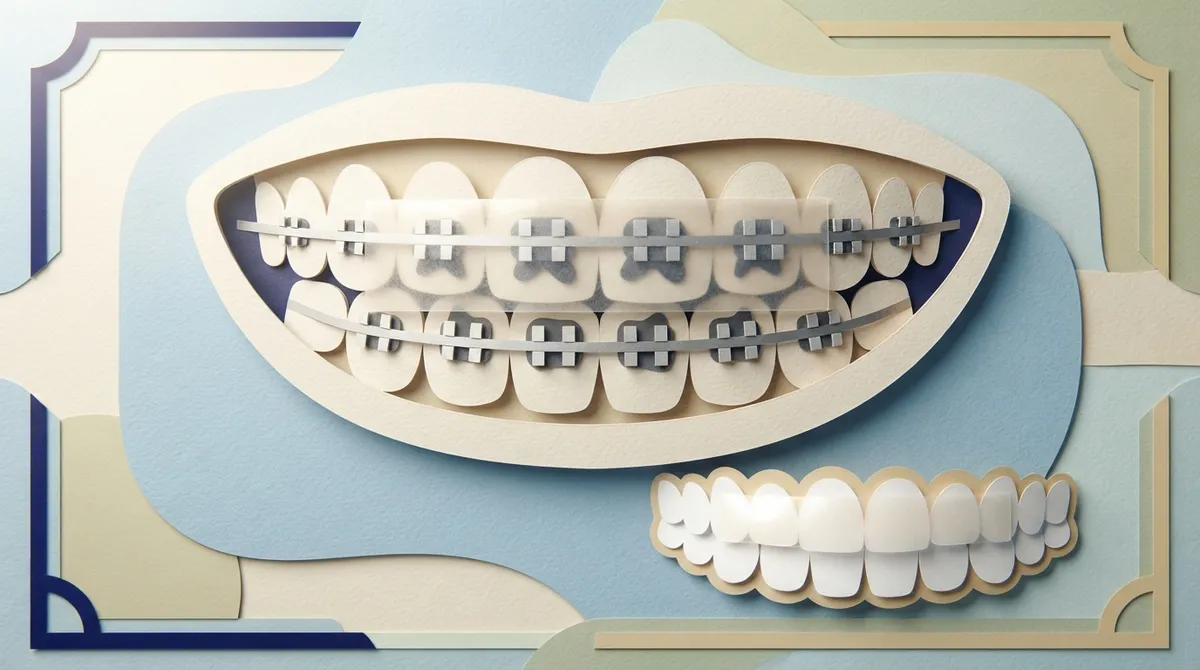
Here’s the honest truth: whitening strips and gels are not a good match for traditional braces. Your brackets cover parts of your teeth. This blocks the whitening product from reaching the enamel underneath.
The result? Uneven color once your braces come off. You might see whiter patches surrounded by darker squares right where your brackets used to be. That’s not the smile reveal anyone wants after months of hard work with braces.
This applies to metal and ceramic braces alike. Because brackets are bonded directly to your teeth, any whitening product applied over them simply cannot do its job evenly.

2. Wait Until After Bracket Removal for Full Whitening
Most orthodontic practices recommend holding off on comprehensive whitening until your braces are removed. This isn’t us being overly cautious. It’s simply the smartest way to get an even, beautiful result.
Many practices suggest waiting about 30 days after your braces come off. Some recommend waiting one to three months, depending on your enamel and gum health. Your treating dentist or orthodontist can help you figure out the right timeline based on your specific mouth.
Why the wait? Your teeth need time to settle after adhesive removal. Any leftover bonding material needs to be cleaned off first. Whitening too soon could lead to uneven results or unnecessary sensitivity.
3. Focus on Professional Cleanings During Treatment
While you wait for the right time to whiten, professional cleanings are your best friend. A cleaning removes plaque and surface stains without any bleaching agents. It’s a safer way to keep your smile looking bright while braces are still doing their job.
Regular cleanings during orthodontic treatment do double duty. They brighten your smile a bit by removing stains, and they protect your teeth from cavities and gum problems. Ask your orthodontic team about scheduling cleanings alongside your regular adjustment visits.
4. Choose the Right Toothpaste (Skip the Charcoal)
Whitening toothpaste can help with surface stains, but don’t expect it to whiten the enamel hiding under your brackets. It’s just not strong enough to reach those areas.
More importantly, some whitening products may not be great for your braces. A 2020 study published in the journal Clinical, Cosmetic and Investigational Dentistry found that toothpaste containing peroxide or activated charcoal could weaken the bond strength between brackets and teeth in lab testing. While real-life results can differ, this is a good reason to be cautious.
Here’s what we recommend instead:
- Use a fluoride toothpaste with gentle abrasivity, not an aggressive whitening formula
- Skip charcoal-based products entirely while your brackets are bonded
- Look for toothpaste with 1,000 to 1,500 parts per million of fluoride for daily protection
- Ask your orthodontist before trying any new whitening product
5. Prevent White Spot Lesions With Great Hygiene
White spot lesions are a different problem from regular staining, and honestly, they’re more concerning. These are chalky white marks that form when plaque sits around your brackets for too long. They can stick around even after your braces come off, and they’re much harder to fix than ordinary stains.
The best defense is simple: keep your teeth clean. This means:
- Brush carefully around every bracket and along your gumline
- Use floss threaders or interdental brushes to clean between teeth and wires
- Rinse with a fluoride mouthwash recommended by your orthodontist
- Visit your orthodontist regularly so we can catch any early signs of trouble
Good habits now save you from bigger headaches later. For more brushing tips, check out our guide on how to brush teeth with braces the right way.
6. Know Your Options With Clear Aligners
If you’re using Spark™ Clear Aligners instead of traditional braces, you actually have a bit more flexibility. Because aligners are removable, some patients can use whitening gel inside their aligner trays in certain approved cases.
That said, this still needs supervision from your orthodontist or dentist. The type of whitening product, the strength, how long you wear it, and when you start all matter. Never experiment on your own without guidance, since misuse can lead to sensitivity or gum irritation.
Curious if this option fits your treatment plan? Our team can walk you through the details during your visit. Book appointment online to talk with Dr. Brockway about your specific situation.
7. Watch Out for Sensitivity and Gum Irritation
Peroxide-based whitening products come with some common side effects. Tooth sensitivity and gum irritation top the list, according to guidance from the American Dental Association. These risks can increase if your enamel is already weakened or your gums are inflamed from braces.
If you notice increased sensitivity or gum discomfort during or after any whitening attempt, stop using the product and reach out to your orthodontist right away. It’s always better to check with a professional than to guess.
8. Plan Your Post-Braces Whitening Strategy Early
Just because you can’t whiten now doesn’t mean you can’t plan for it. Talk to your orthodontist about what to expect once your braces come off. This way, you’ll know exactly what steps to take for a bright, even smile.
Comprehensive bleaching is generally much more predictable after your braces are removed. Your enamel is fully exposed, so whitening agents work evenly across your whole smile. That’s the payoff for being patient during treatment.
| Treatment Type | Whitening During Treatment | Whitening After Treatment |
|---|---|---|
| Traditional Metal Braces | Not recommended | Safe with orthodontist guidance |
| Ceramic (Clear) Braces | Not recommended | Safe with orthodontist guidance |
| Spark™ Clear Aligners | Possible in select cases, supervised | Safe with orthodontist guidance |
9. Ask About Safe Professional Whitening Methods
Once your braces are off and you’ve waited the recommended time, professional whitening is usually your safest and most effective option. A dental professional can control the concentration and timing to protect your enamel and gums.
At-home kits bought off a store shelf don’t always offer the same level of control. Professional guidance helps you avoid overdoing it, which can lead to unnecessary sensitivity. Ask your orthodontist or dentist for a referral or recommendation when you’re ready.
Many of our patients in Clearwater ask us about this step during their final adjustment visits. We’re happy to point you in the right direction so your finished smile looks its absolute best.
10. Partner With an Orthodontist Who Understands the Full Picture
Teeth whitening with braces isn’t a one-size-fits-all topic. It depends on your treatment type, your enamel health, and your goals. That’s why having a trusted orthodontist by your side makes all the difference.
At Brockway Orthodontics, we don’t just focus on straightening your teeth. We care about your whole smile journey, including how it looks and feels once your treatment is complete. Meet Dr. Brockway and see why so many Clearwater families trust her for personalized, friendly care.
We also stay connected with our community through Florida Association of Orthodontists resources to make sure our advice reflects the latest best practices. You can also follow us on Facebook or Instagram for smile tips and patient stories.
Bringing It All Together
Braces and clear aligners do amazing things for your smile’s alignment. But a truly radiant smile also means healthy, evenly colored enamel. The key during treatment is simple: focus on cleaning, not bleaching. Save the whitening for after your braces come off, when it can actually work the way it’s supposed to.
Good hygiene habits, regular cleanings, and patience now will pay off big time later. And when you’re ready for that final whitening step, your orthodontist can help guide you toward safe, effective options.
If you’re in Clearwater and looking for a trusted, friendly orthodontist who cares about your whole smile journey, we’d love to meet you. Check out our services to learn more about braces and clear aligner options for every age. You can also see what our Brockway Orthodontics patients say by visiting us on Google — Visit us on Google — Brockway Orthodontics.
Ready to get started or have questions about your treatment plan? Contact us today, and let’s build your brightest, healthiest smile together.
FAQs
Q: Can you whiten your teeth while wearing braces?
A: Whitening strips and gels aren’t a great match for traditional braces since brackets block the whitening agent from reaching the enamel underneath. This can leave you with uneven color once your braces come off, so it’s best to focus on cleaning and stain prevention until treatment is complete.
Q: Is whitening toothpaste safe to use with braces?
A: Whitening toothpaste can help with light surface stains, but it won’t whiten the enamel hidden under your brackets. We recommend sticking with a gentle fluoride toothpaste instead of aggressive whitening or charcoal formulas, since some products may affect bracket bond strength.
Q: How long after braces are removed should I wait before whitening?
A: Many orthodontic practices suggest waiting about 30 days after bracket removal, though some recommend one to three months depending on your enamel and gum health. Your orthodontist or dentist can help you find the right timeline based on your unique smile.
Q: Can I whiten my teeth with clear aligners?
A: Clear aligners like Spark offer more flexibility since they’re removable, and some patients can use whitening gel inside their trays in select cases. This should always be supervised by your orthodontist to avoid sensitivity or gum irritation.
Q: How can I prevent white spots around my brackets?
A: White spot lesions form when plaque sits around brackets too long, so consistent brushing, flossing with threaders, and using fluoride products are your best defense. Regular check-ins with your orthodontist help catch any early signs before they become a bigger issue.
Our Service Area