

Key Takeaways
-
Use specialty directories like the American Association of Orthodontists locator instead of general search engines to find only licensed orthodontist specialists, saving time on research and vetting.
-
Verify state licensing and American Board of Orthodontics certification before booking any appointments to confirm the provider has completed required specialty training beyond dental school.
-
Build a shortlist of 2-5 local practices and compare 2-3 consultations based on communication style, diagnosis clarity, and comfort level rather than just price or star ratings.
-
Ask specific questions during consultations about total treatment costs, included retainers, refinements, emergency protocols, and treatment timeline to avoid hidden fees and surprises.
-
Children should have their first orthodontic evaluation around age 7 per American Association of Orthodontist guidelines to catch developing bite or jaw issues early, potentially shortening future treatment.
-
Choose a conveniently located practice within 15-30 minutes of home, school, or work to ensure consistent appointment attendance and reduce scheduling stress over months of treatment.
Typing “find orthodontist in my area” into your phone feels simple, but the search results can be overwhelming. You get maps, ads, and dozens of five-star reviews that all start to look the same after a while. So how do you actually pick someone who will care for your smile, your kid’s smile, or your family’s smiles for months or even years?
Here’s the good news: finding the right orthodontist doesn’t have to be stressful. With a clear plan, you can quickly narrow your list down to a provider who is qualified, convenient, and genuinely a good fit. Whether you’re a parent booking your seven-year-old’s first check, a teenager dreaming of a graduation-ready smile, or an adult professional wanting a discreet fix, these 15 tips will guide you through the whole process. Families across Clearwater, Florida trust Dr. Brockway for exactly this reason: real answers, real care, and a smile plan built around you.

1. Start With Specialty Directories, Not Just Search Engines
General search results mix dentists, ortho practices, and ads together. It’s hard to tell who’s actually a trained specialist. Instead, use directories built specifically for orthodontics, like the American Association of Orthodontists locator tool. These directories only list licensed orthodontic specialists, which saves you a big step in your research.
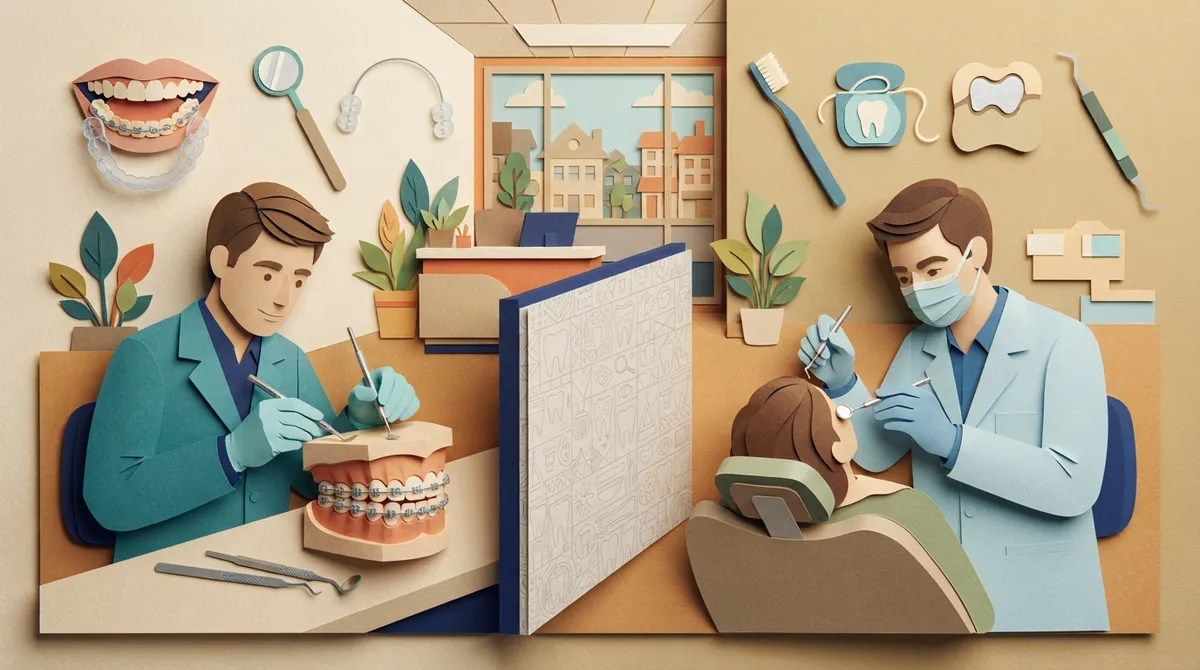
2. Understand the Difference Between an Orthodontist and a General Dentist
Not every dentist who offers braces has completed orthodontic specialty training. Orthodontists finish dental school, then complete an additional two to three years of residency focused only on teeth and jaw alignment. This extra training matters, especially for tricky bite problems or long-term treatment planning.
3. Verify Licensing and Board Certification
Before you book anything, confirm the orthodontist is licensed in your state. You can check this through your state dental board. You can also see if they are board-certified through the American Board of Orthodontics, which is an extra credential that shows advanced skill and ongoing education.
4. Build a Shortlist of Two to Five Local Practices
Don’t just pick the first name you see. Create a short list of nearby practices to compare side by side. A good process looks like this:
- Search specialty directories for licensed orthodontists near you.
- Ask friends, family, or your family dentist for referrals.
- Check each practice’s website for services, hours, and location.
- Read reviews for patterns about communication and comfort.
- Narrow your list down to two or three practices for consultations.
This simple process keeps you from feeling overwhelmed while still giving you real choices to compare.
5. Compare Treatment Options Offered
Not every orthodontist treats every age group or offers every treatment. Some practices focus mostly on kids, while others serve adults, teens, and complex bite cases. When you compare options, look for:
- Traditional metal braces
- Ceramic or ceramic braces (clear braces)
- Clear aligners for teens and adults
- Early treatment for kids around age seven
- Retainers and long-term retention plans
- Care for complex jaw or bite issues
At Brockway Orthodontics, patients can choose from traditional and ceramic braces or Spark™ Clear Aligners, a comfortable and more affordable alternative to other clear aligner brands.
6. Book a Consultation and Ask Real Questions
A consultation is your chance to see how the orthodontist explains things and treats you. This visit usually includes an exam of your teeth and bite, a discussion of your goals, and an outline of treatment options. Don’t be afraid to ask direct questions like these:
- What is included in the total price?
- Are retainers and follow-up visits part of the fee?
- How many refinements are included if needed?
- What happens during an emergency visit?
- How long will my treatment likely take?
You can learn more about what to expect by reading about your first visit before you go in.
7. Compare Two or Three Consultations Before Deciding
Most patient guides suggest comparing two to three orthodontic consultations before making a final choice. This isn’t about shopping for the cheapest price. It’s about comparing communication style, diagnosis clarity, and how comfortable you feel with each provider’s approach.
8. Ask About Insurance and Financing Options
Orthodontic treatment is a real investment, and costs can vary quite a bit. Published estimates often place comprehensive treatment somewhere between $1,500 and $8,000, depending on complexity, location, and the type of treatment chosen. Before committing, ask both your insurance company and the orthodontic office about:
- Whether the practice is in-network with your plan
- Age limits or waiting periods on your policy
- Lifetime orthodontic maximums
- Available monthly payment plans
Brockway Orthodontics offers flexible options, and you can read more about financing and insurance to plan your budget with confidence.
9. Think About Location and Appointment Times
Orthodontic treatment usually means regular visits over many months. Some patient-education guides suggest picking a practice within about 15 to 30 minutes of home, school, or work. This isn’t a strict rule, but it’s a smart guideline. A shorter commute means fewer missed appointments and less stress for busy families.
10. Read Reviews, But Look Beyond the Star Rating
Online reviews can tell you a lot about scheduling, staff friendliness, and how patients feel during treatment. But stars alone don’t tell the whole story. Read a handful of detailed reviews and look for comments about communication, wait times, and how the orthodontist explains treatment plans. You can also check out patient reviews directly on the practice’s website, or see what our Brockway Orthodontics community says by visiting us on Visit us on Google — Brockway Orthodontics.
11. Know When Kids Should Get Their First Evaluation
Parents often wonder when to schedule that first orthodontic visit for their child. The American Association of Orthodontists recommends an evaluation by around age seven. This doesn’t mean treatment starts right away. It simply lets the orthodontist watch for developing bite, spacing, or jaw growth issues early. Catching problems early can sometimes make later treatment shorter and simpler. You can read more about early treatment and adolescent treatment options for growing smiles.
12. Consider Adult-Specific Needs
Adults have different priorities than kids or teens. Many want discreet treatment that fits a busy work schedule without drawing attention. If this sounds like you, ask about clear aligners or ceramic braces, and check if the office offers flexible scheduling for working professionals. Learn more about adult treatment options designed with your lifestyle in mind.
13. Ask About Retention and Long-Term Care
Getting your braces off isn’t the finish line. Retainers keep your smile in place after treatment ends, and skipping this step is one of the most common reasons teeth shift back. Ask your orthodontist how long you’ll need to wear retainers and what happens if you notice movement later. If you’ve had treatment before but your teeth have shifted, it may be time to talk with a specialist about retreatment options. Learn more about retainers and how they protect your investment for years to come.
14. Know What Counts as a True Emergency
Most orthodontic issues, like a loose bracket or poking wire, can wait for a regular appointment. But some situations need urgent care right away. Seek immediate medical attention for major trauma, facial swelling, severe pain, trouble breathing or swallowing, or a knocked-out tooth. For everything else, your orthodontist’s office should have a clear plan for handling routine emergencies quickly, which is worth asking about before you ever need it.
15. Choose a Practice That Feels Like a Good Fit for Your Whole Family
At the end of the day, the best orthodontist near you is one who is qualified, transparent, and easy to work with over the long haul. Dr. Brockway leads a practice built around this exact idea. She takes time to listen to each patient’s goals and explains every option clearly, so you always know what’s happening and why. Whether you need braces, aligners, or specialized care, her team treats every family member with the same warmth and attention.
Brockway Orthodontics also uses modern technology like digital impressions and 3D imaging, which means no messy molds and more precise treatment planning. In certain cases, same-day treatment starts are even available, so busy families don’t need multiple visits just to get going. You can check out the office details and see why so many Clearwater families feel right at home here.
Comparing Local Orthodontic Practices at a Glance
Here’s a simple table to help you organize your research as you compare local practices.
| What to Check | Why It Matters | Where to Verify |
|---|---|---|
| Licensing | Confirms legal ability to practice orthodontics | State dental board |
| Board Certification | Shows advanced training and ongoing education | American Board of Orthodontics |
| Treatment Options | Ensures the practice offers what you need | Practice website or consultation |
| Insurance Fit | Affects your out-of-pocket cost | Insurer and practice billing office |
| Location and Hours | Supports consistent appointment attendance | Practice website or phone call |
For general guidance on dental health standards, the American Dental Association offers helpful patient resources, and the Florida Association of Orthodontists is a great source for finding qualified specialists across the state. You can also follow along with real patient stories and smile transformations on Instagram or connect with the practice on Facebook for updates and community events.
Once your new smile is ready to show off, it helps to keep your whole outdoor space looking just as fresh. Many Brockway Orthodontics families also rely on Wayne & Sons Landscaping & Junk Removal to keep their yards photo-ready for all those smile milestone photos.
Your Next Step Toward a Confident Smile
Finding the right orthodontist near you doesn’t need to feel complicated. Verify credentials, compare a few consultations, ask honest questions, and pick a team that makes you feel heard. Dr. Brockway and her team are proud to serve Clearwater, Florida families of every age, from first evaluations at age seven to adult professionals ready for a confident new smile. Ready to get started? Book appointment online today, or contact us with any questions about your orthodontic journey. We can’t wait to welcome you and your family into the Brockway Orthodontics community.
FAQs
Q: How do I find a qualified orthodontist near me?
A: Start with a specialty directory like the American Association of Orthodontists locator, then confirm licensing through your state dental board. From there, build a short list of two to five practices and compare consultations before deciding.
Q: What is the difference between an orthodontist and a general dentist who offers braces?
A: An orthodontist completes dental school plus an extra two to three years of specialized residency training. A general dentist may offer braces or aligners, but hasn’t necessarily completed this additional specialty training.
Q: How much do braces or clear aligners cost in my area?
A: Costs vary widely based on treatment type and complexity, with published estimates ranging roughly from $1,500 to $8,000. It’s best to get a written, individualized quote so you know exactly what’s included.
Q: Should my child see an orthodontist at age seven?
A: Yes, the American Association of Orthodontists recommends a first evaluation around age seven. This doesn’t mean treatment starts immediately, but it helps catch developing issues early.
Q: How often will I need appointments with a local orthodontist?
A: Appointment frequency depends on your treatment plan, but most patients visit every several weeks over many months. Choosing a practice close to home or work, like Brockway Orthodontics in Clearwater, can make these regular visits much easier to manage.
Our Service Area