Key Takeaways
-
Wear your retainer full-time for the first few months after Invisalign, then switch to nighttime-only wear indefinitely, as teeth can shift at any age due to gingival fiber rebound and natural aging changes.
-
Even skipping retainer wear for a few days can cause teeth to shift, with research showing approximately 40% recurrence risk after two years for removable retention devices if wear is inconsistent.
-
Clear plastic retainers (Vivera, Essix) last 6-12 months with proper care; replace immediately if cracked, loose, or lost rather than going without, as gaps in wear allow teeth to drift.
-
If your retainer suddenly feels tight or hard to seat, do not force it—contact your orthodontist immediately, as this signals teeth have shifted and may require adjustment or replacement.
-
Clean your retainer with cool water and a soft brush, avoid hot water and harsh chemicals, store it in its case when not wearing it, and bring it to every dental appointment for fit checks.
-
Fixed bonded retainers require extra cleaning with floss threaders or water flossers to prevent food and plaque buildup, with bond-failure rates ranging from 3.5% to 53%, making regular checkups essential.
You finally finished your Invisalign treatment. Your teeth look amazing, and you cannot stop smiling in every photo. But here is a little secret nobody tells you loudly enough: the real work of keeping that smile straight starts now. Retainers after Invisalign are not a boring afterthought. They are the key to protecting everything you just worked so hard to achieve.
At Brockway Orthodontics in Clearwater, we see this all the time. Patients finish their Spark™ Clear Aligners or Invisalign treatment feeling thrilled, then wonder why they still need to wear something at night. We get it. But think of retainers like sunscreen for your smile. You would not skip sunscreen after a great tan, right? Let us walk through everything you need to know, in simple terms, so you can keep that beautiful smile for years to come.
Why Teeth Move Even After Invisalign Works
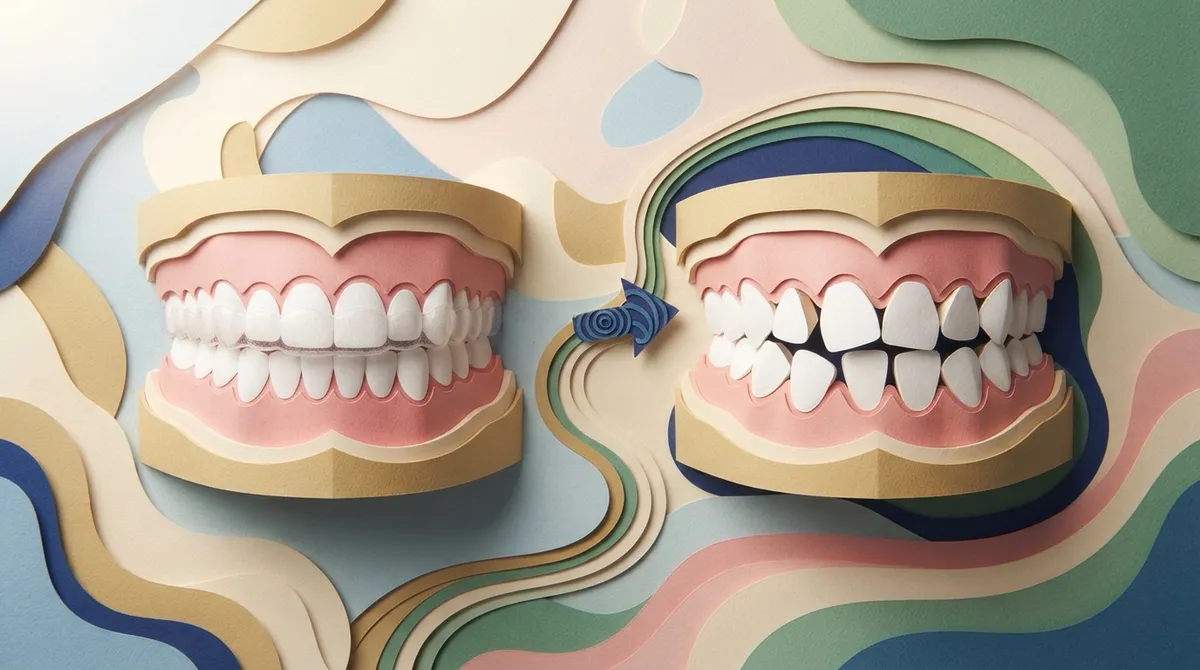
Your teeth are not glued in place. They sit in bone and gum tissue that can shift over time. Even after your teeth look perfectly straight, tiny fibers around your gums are still adjusting. Orthodontists call this gingival fiber rebound, and it can gently pull teeth back toward their old positions.
Other factors play a role too. Your jaw and face keep changing slightly as you age. The natural force from chewing and biting also pushes on your teeth every single day. None of this means your treatment failed. It just means your body is not finished changing, and your retainer is there to hold the line.
Common Reasons Teeth Shift Over Time
- Gum and ligament fibers slowly pulling teeth back toward old positions
- Natural aging changes in your jaw and facial bones
- Everyday biting and chewing forces on your teeth
- Grinding or clenching your teeth, especially at night
- Skipping retainer wear, even for a few weeks
How Long Do You Really Need to Wear a Retainer After Invisalign?
This is the question we hear more than any other. The honest answer is that your orthodontist should set your specific schedule, since every smile is different. That said, there is a pretty common pattern most patients follow.
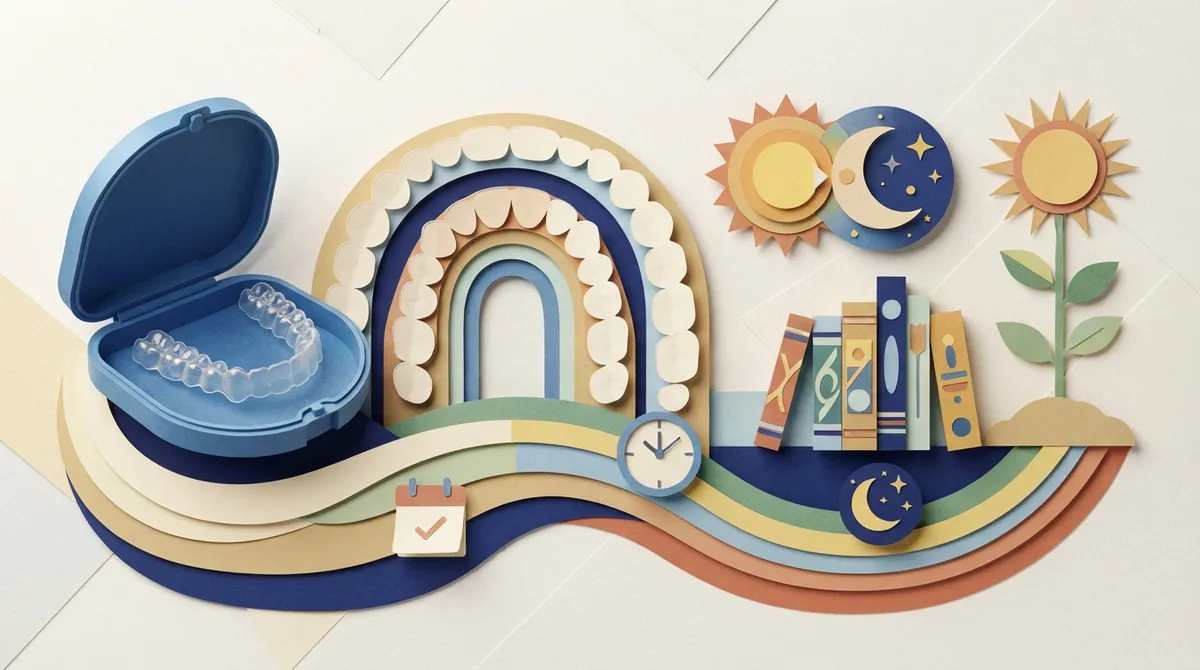
- Full-time wear right after treatment. Most patients wear their retainer nearly all day and night for the first few months. You only take it out to eat, drink anything besides water, and brush your teeth.
- Nighttime-only wear once things stabilize. After your orthodontist confirms your teeth have settled, you typically shift to wearing your retainer only while you sleep.
- Long-term, often lifelong, nighttime wear. Many orthodontists recommend continuing nighttime retainer wear indefinitely, since there is no proven age when teeth stop moving.
The American Association of Orthodontists describes retention as an ongoing part of orthodontic care, not a short final step. That might sound like a lot, but wearing a retainer while you sleep is a small price to pay for a smile you love. If you are unsure about your own schedule, our retainer page breaks down what to expect after treatment at our Clearwater office.
Types of Retainers After Invisalign Treatment
Not all retainers are the same, and your orthodontist will pick the one that fits your bite and your lifestyle. Here is a quick breakdown of the most common options.
| Retainer Type | What It Is | Best For |
|---|---|---|
| Clear Vacuum-Formed (Vivera, Essix) | Thin, clear plastic trays molded to your teeth | Patients who want a nearly invisible option |
| Hawley Retainer | Acrylic base with a metal wire across the front teeth | Patients who need small adjustments or added durability |
| Fixed (Bonded) Retainer | Thin wire bonded behind select teeth | Patients who want continuous retention without daily removal |
A 2023 systematic review of orthodontic relapse found that vacuum-formed and Hawley retainers work about equally well, as long as you actually wear them as directed. The same review also found that full-time wear during the active retention phase works better than only wearing your retainer at night from the start. That is a strong reminder to follow your orthodontist’s exact instructions rather than guessing on your own.
Fixed Retainers Need Extra Cleaning Attention
Fixed retainers are wonderful because you never have to remember to put them in. But that thin wire behind your teeth can trap food and plaque. You will want to use floss threaders, interdental brushes, or a water flosser to keep that area clean. A systematic review of fixed retainers found bond-failure rates ranging from about 3.5% to 53% for metal retainers, so regular checkups matter to catch any loose spots early.
What Happens If You Skip Retainer Wear
Here is where we get real with you, in the kindest way possible. Skipping your retainer, even for a few days, can allow teeth to start shifting. Some patients notice their retainer feels tight after just a short break. That tightness is often an early warning sign, not something to ignore.
Research paints a clear picture here. One systematic review reported an approximate 40% recurrence risk after two years for removable retention devices. Another review of long-term retention found relapse estimates ranging from about 10% to 90% across different studies, depending on the original bite issue and retainer type. Anterior crowding, meaning crowded front teeth, tends to be especially prone to returning if retainer wear lapses.
The takeaway? Consistency matters far more than perfection. A missed night here and there is not the end of the world, but a pattern of skipping your retainer puts your results at real risk. If your retainer suddenly feels tight, snug, or hard to seat, do not force it. Reach out to your orthodontist right away instead.
How to Clean and Care for Your Retainer
Good retainer care is simple once it becomes a habit. Think of it like caring for a nice pair of glasses. A little attention goes a long way.
- Rinse your retainer with cool or lukewarm water, never hot water, since heat can warp the plastic
- Brush gently with a soft toothbrush or use an orthodontist-approved cleaning solution
- Avoid whitening toothpaste or harsh chemicals, which can scratch or cloud clear plastic
- Store your retainer in its case whenever it is not in your mouth
- Keep your retainer away from pets, direct sunlight, and hot cars
- Bring your retainer to every dental and orthodontic appointment for a quick fit check
Invisalign notes that clear plastic retainers like Vivera and Essix typically last around 6 to 12 months, sometimes longer, depending on how well you care for them and whether you grind your teeth at night. If yours ever cracks, feels loose, or simply goes missing, do not wait around. A gap in retainer wear, even a short one, gives your teeth a chance to drift.
Retainers for Every Kind of Patient
One of the best parts of working with a dedicated orthodontist is getting a plan built around your actual life, not a one-size-fits-all approach.
For Parents of Kids and Teens
If your child just finished treatment through our adolescent treatment program, retainer habits matter just as much as brushing teeth. Growing jaws and busy schedules can make consistent wear tricky, so we like to keep instructions clear and easy to follow for the whole family.
For Teens and Young Adults
You worked hard for that graduation-ready smile. A clear retainer is nearly invisible, so wearing it at night will not interfere with your social life or your confidence during the day.
For Adult Professionals
Busy careers do not leave much room for smile setbacks. A nighttime-only retainer schedule fits easily around meetings, travel, and everyday life without anyone noticing.
For Orthodontic Relapse Patients
If you had braces or aligners years ago and your teeth have shifted since then, you are far from alone. Many adults come back for adult treatment after skipping retainer wear long ago. The good news is that retreatment is possible, and this time, we will help you build a retention habit that actually sticks.
For Health-Conscious Individuals
If you have periodontal concerns or a more complex dental history, your retainer plan may need extra attention from both your orthodontist and your dentist. Regular checkups help catch small issues before they become bigger problems.
Signs You Need to See Your Orthodontist About Your Retainer
Do not wait for a small issue to turn into a bigger one. Watch for these signs and reach out promptly if you notice them.
- Your retainer suddenly feels tight or hard to fully seat
- You notice cracks, chips, or warping in clear plastic retainers
- A fixed retainer wire feels loose or has come detached from a tooth
- You have lost your retainer or it has been damaged beyond use
- You feel pain or unusual pressure when wearing your retainer
Our team walks new patients through all of this during their very first appointment, and you can learn more about what that visit looks like on our first visit page. We want you to feel confident, not confused, about your retention plan.
Why Choose Brockway Orthodontics for Your Retention Care
Dr. Brockway believes your orthodontic journey does not end when your Invisalign trays come off. Our Clearwater office offers personalized retainer plans, friendly guidance, and modern technology like digital impressions to make your fittings comfortable and precise. We treat patients of every age, from kids getting their first look at our early treatment options to adults exploring braces for the very first time.
We also know that trust matters when picking an orthodontist. You can browse our full list of services, check out answers to common questions on our FAQ page, or see what our Brockway Orthodontics patients say by visiting us on Instagram or Facebook. For real patient feedback straight from the source, take a look and visit us on Google — Brockway Orthodontics to read reviews from families across Clearwater.
For general guidance on oral health and dental care standards, resources from the American Dental Association and the Florida Association of Orthodontists can also help you understand best practices for maintaining your smile long term.
Your Smile Deserves Long-Term Protection
Finishing Invisalign is a huge accomplishment, and we mean that. But your retainer is what turns a temporary win into a lifelong smile. Wear it as directed, clean it properly, and never ignore warning signs like tightness or damage. Small habits now save you from bigger headaches later.
If you have questions about your retainer, need a replacement, or just want a friendly check-in with our Clearwater team, we are here for you. Book appointment online today, or feel free to contact us with any questions about keeping your smile straight for years to come.
FAQs
Q: How long do I need to wear retainers after Invisalign?
A: Most patients wear their retainer full-time for the first few months, then switch to nighttime-only wear. Many orthodontists recommend continuing nighttime wear indefinitely, since teeth can shift at any age. Your orthodontist will give you a schedule based on your specific smile.
Q: Do I have to wear my Invisalign retainer forever?
A: In most cases, yes, at least while you sleep. There is no reliable age when teeth stop moving, so long-term nighttime wear is the best way to protect your results. Think of it as a small nightly habit that keeps your smile looking its best for years.
Q: How often should Invisalign retainers be replaced?
A: Clear plastic retainers like Vivera or Essix typically last around 6 to 12 months with good care, though this varies based on wear and grinding habits. If your retainer cracks, feels loose, or gets lost, replace it promptly rather than waiting.
Q: What should I do if my retainer no longer fits?
A: Do not force a tight or distorted retainer into place, since this can hurt your teeth or the retainer itself. A tight fit often means your teeth have shifted slightly, so contact your orthodontist right away for guidance.
Q: Can teeth shift if I stop wearing my retainer for a few days?
A: Yes, even a short break from retainer wear can allow teeth to start moving, especially in the first year after treatment. If you skip several days, your retainer may feel snug when you put it back in, which is a sign to reach out to your orthodontist.
Our Service Area