Key Takeaways
-
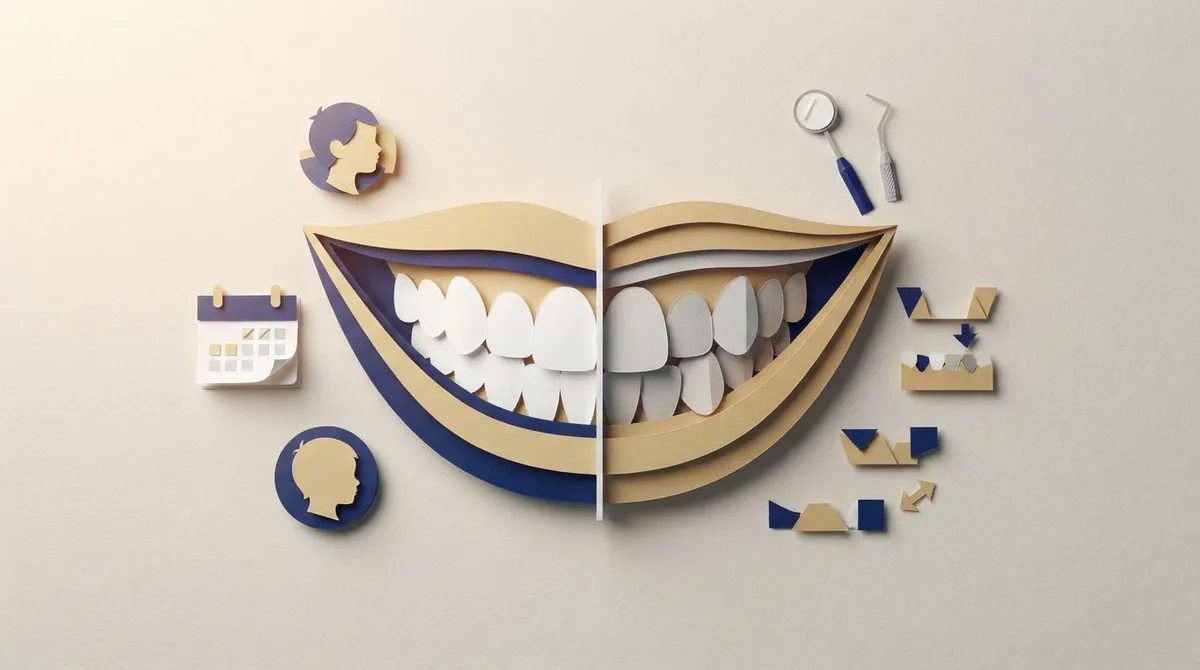
An in-person orthodontic evaluation is the most reliable way to determine if you need treatment; crooked teeth alone don't automatically require braces.
-
The American Association of Orthodontists recommends children have their first check-up by age 7 to identify developing bite or jaw issues early, though this doesn't guarantee braces will be needed.
-
Seven key signs warrant an orthodontist evaluation: crowded/twisted teeth, gaps, overbites, underbites, crossbites, trouble chewing/cleaning, and jaw shifting or clicking.
-
Adults can pursue orthodontic treatment at any age if teeth and gums are healthy; teeth often move even later in life with proper dental foundation.
-
Treatment options vary by case including metal braces, ceramic braces, clear aligners, and expanders; clear aligners aren't suitable for every bite problem despite their popularity.
-
If your teeth are healthy, your bite feels comfortable, and you're satisfied with your smile, orthodontic treatment may not be necessary and regular dental care suffices.
Have you ever caught your smile in a photo and thought, “Hmm, do I need an orthodontist?” You’re in good company. Plenty of parents, teens, and adults ask the same question, and the answer isn’t always as simple as “my teeth look crooked.”
Here’s the good news: you don’t have to guess. Whether you need an orthodontist depends on how your teeth line up, how your top and bottom teeth meet, how your jaw works, and what you want for your smile. Crooked teeth aren’t the only reason to book a visit, and sore teeth aren’t a requirement either.
In this guide, we’ll walk through seven clear signs it may be time for an evaluation. We’ll also cover when kids should first be seen, whether adults can still get treatment, and what happens at a first visit. An evaluation doesn’t automatically mean braces. Sometimes the answer is “not yet,” and sometimes it’s “no.” Let’s dig in!
Do I Need an Orthodontist? The Quick Answer
An orthodontist is a dental specialist who studies how teeth and jaws line up. That alignment problem has a name: malocclusion, which simply means the teeth or jaws don’t meet the way they should. If you’re asking yourself, “do I need an orthodontist,” the most reliable way to find out is an in-person exam.
Here’s a helpful way to think about it. Your dentist keeps your teeth and gums healthy, with cleanings, fillings, and checkups. An orthodontist focuses on position: where your teeth sit and how your bite comes together. If you’re curious how the two roles differ, this friendly breakdown of orthodontist vs. dentist can help.
You don’t always need a referral, either. Many families are surprised to learn that you can go straight to a specialist, as covered in 14 reasons you don’t need a referral to see an orthodontist.
7 Signs It May Be Time to See an Orthodontist
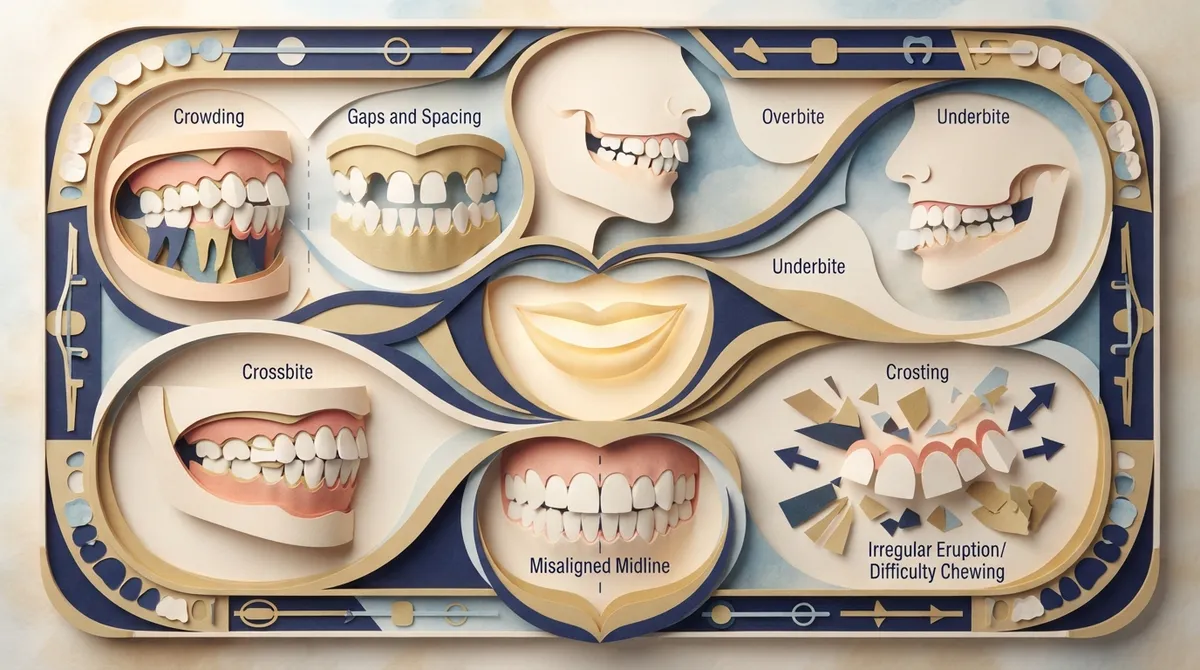
None of these signs alone proves you need treatment. Think of them as helpful nudges to get checked. Here they are:
- Crowded, twisted, or overlapping teeth
- Gaps or spacing between teeth
- An overbite or protruding front teeth
- An underbite
- A crossbite or open bite
- Trouble biting, chewing, or cleaning your teeth
- Jaw shifting, clicking, or noticeable facial asymmetry
1. Crowded, Twisted, or Overlapping Teeth
When teeth don’t have enough room, they can rotate, overlap, or push forward. Crowding can make brushing and flossing harder, because food and plaque love to hide in tight spots. If you feel like your floss keeps snagging, crowding might be the reason.
Modern options can treat crowding in many different ways, depending on how severe it is. If you want to explore the choices, take a peek at the best crowded teeth treatment options.
2. Gaps or Spacing Between Teeth
Some people love their gap, and that’s totally fine! But if spacing bothers you, or if it affects how your teeth come together, an evaluation can tell you what’s causing it and what your choices are. Spacing can come from small teeth, missing teeth, or the way the jaw has developed.
Curious how gaps get closed? Here’s a helpful read on teeth spacing causes and treatments.
3. An Overbite or Protruding Front Teeth
An overbite means your upper front teeth stick out over your lower teeth more than usual. A little overlap is normal. But when the upper teeth are very prominent, they may be more exposed and can feel awkward to close your lips over.
An orthodontist can measure how significant your overbite is and explain whether braces or another approach makes sense. Learn more about how braces fix a deep overbite.
4. An Underbite
With an underbite, the lower front teeth sit in front of the upper teeth. This can affect chewing and, in some children, may be linked to how the jaws are growing. That’s one reason timing matters for younger patients.
Underbites can be different from person to person, so treatment depends on the individual. Here’s a full guide on how to fix an underbite.
5. A Crossbite or Open Bite
A crossbite happens when some upper teeth sit inside the lower teeth when you close. An open bite means some teeth don’t touch at all when your mouth is closed, often leaving a gap you can see between top and bottom.
These bite patterns may affect how evenly your teeth wear and how comfortably you chew. Here’s more on how crossbite correction works.
6. Trouble Biting, Chewing, or Cleaning Your Teeth
If certain teeth never seem to meet, or if you avoid some foods because biting feels off, your tooth position may be playing a part. The same goes for teeth that are so tight or so tipped that you can’t clean them well.
Here’s a friendly tip: if you’re unsure, jot down what bothers you and bring the list to your visit. Small clues like “I always chew on the left side” can help an orthodontist understand what’s going on.
7. Jaw Shifting, Clicking, or Facial Asymmetry
Sometimes the signs aren’t about teeth at all. A jaw that shifts to one side when you close, frequent cheek biting, or a noticeable difference between the two sides of the face can all be worth mentioning. These signs don’t prove a diagnosis on their own, but they do deserve a professional look.
Signs to Watch for in Children
Parents often ask, “Is my child too young?” Good news: it’s rarely too early to get a checkup, and it’s often just a quick peek. The American Association of Orthodontists (AAO) recommends an initial orthodontic check-up by age 7. At that age, kids usually have a mix of baby and adult teeth, which can help reveal developing bite or jaw issues.
Here’s the reassuring part. That screening is not a promise that your child will need braces. Many kids are simply watched over time. Others benefit from earlier help. Signs worth bringing up include:
- Losing baby teeth very early or very late
- Thumb or finger sucking that continues and affects the bite
- A jaw that shifts when closing
- Frequent cheek biting
- Crowded or protruding teeth
- Difficulty chewing or biting
Want to know more about the timing? Check out when your child should first see an orthodontist and this list of 9 signs your child needs braces.
Early Treatment vs. Waiting
Early treatment is helpful for some developing problems, such as certain crossbites, underbites, functional jaw shifts, severe crowding, or harmful habits. But many children who need full braces start later, once more permanent teeth have come in. Timing really depends on your child’s teeth and jaw growth.
| Situation | Often Handled Early? | What It Means |
|---|---|---|
| Certain crossbites or underbites | Sometimes | Early guidance may help jaw growth |
| Severe crowding | Sometimes | May make later treatment simpler |
| Harmful habits (like thumb sucking) | Sometimes | Habit help can protect the bite |
| Mild crowding or spacing | Usually later | Often monitored until more teeth arrive |
Families in our area can learn more about early treatment and how it works.
What About Teens and Adults?
Teens are often ready for treatment once most of their adult teeth are in. If you’re planning around graduation, prom, or that first big photo, an early conversation can help you map out a timeline. Learn more about adolescent treatment.
And adults? You are absolutely not too old. Adults can see an orthodontist at any age. Teeth can often move when the teeth and gums are healthy. If you have gum disease, cavities, or missing teeth, those may need attention first, and an orthodontist can team up with your general dentist to make a plan.
Many adults are choosing treatment these days, and you can see why in why so many adults are getting orthodontic treatment in 2026. Wondering about your own age? Here are 8 truths about being too old for braces. Explore our adult treatment options too.
Had Braces Before? Relapse Is a Real Thing
If you wore braces years ago and your teeth have drifted, you’re not alone. Teeth can shift over time, especially without consistent retainer wear. An evaluation can show whether a touch-up or a full retreatment would help. Learn why retainers matter so much for keeping your results.
How Do Orthodontists Fix These Problems?
Treatment isn’t one-size-fits-all. Depending on your bite, your teeth, and your jaw, an orthodontist may suggest fixed braces, removable appliances, or clear aligners in suitable cases. Aligners are wonderful for many people, but they aren’t right for every problem.
| Option | Best For | Good to Know |
|---|---|---|
| Metal braces | A wide range of alignment and bite concerns | Fixed in place; reliable for many cases |
| Ceramic (clear) braces | Patients who want a less noticeable fixed option | Tooth-colored brackets blend in more |
| Clear aligners | Suitable cases, especially discreet-minded adults and teens | Removable; not right for every bite problem |
| Expanders or other appliances | Certain jaw and growth concerns in kids | Often used in early treatment |
At Brockway Orthodontics in Clearwater, Florida, we offer Spark™ Clear Aligners, a more affordable alternative to Invisalign, along with metal and ceramic braces. Want to compare? See all about braces, or read clear aligners vs. braces.
Braces are often worn for about 1 to 2 years, according to the NHS, though the timeline varies with each case. Treatment can improve alignment and bite, and may make teeth easier to clean or chewing more comfortable. It doesn’t replace regular dental care, and benefits, risks, length, and cost differ from person to person.
What Happens at Your First Orthodontic Visit?
A first visit can feel like a big unknown, so let’s take away the mystery. Here’s what to expect:
- A friendly chat. We listen to your concerns, goals, and dental history.
- A careful exam. Your teeth, bite, and jaw are checked in person.
- Imaging, if needed. Photos, digital scans, or X-rays may be suggested when they’re useful. At Brockway Orthodontics, we use digital impressions instead of messy molds and 3D imaging to help with planning.
- Clear answers. You’ll hear whether treatment is needed now, later, or not at all, plus what your options look like.
- Cost and payment talk. We go over timelines and ways to fit care into your budget.
Dr. Brockway takes time to listen to what you want for your smile and explains everything in a way that’s easy to understand. Read more about Dr. Brockway, see what to expect at your first visit, or peek at your orthodontic consultation.
Thinking About Cost?
Cost is a real concern, and it’s smart to ask early. Many practices offer flexible options, and insurance may help with part of the cost. Explore financing and insurance to see what might work for your family.
When You Probably Don’t Need an Orthodontist Right Now
Let’s be honest: not everyone needs treatment. If your teeth are healthy, your bite feels comfortable, and you’re happy with your smile, you may simply need regular dental care. Mild crookedness that doesn’t bother you or affect your health may not call for braces.
Still, a quick evaluation can give peace of mind. You’ll leave knowing exactly where you stand, and you’ll know if there’s anything worth watching. That’s a win either way!
Your Next Step
So, do you need an orthodontist? If you noticed yourself nodding at any of the seven signs above, an evaluation is a smart, low-pressure next step. And if none of them fit, you’ll still walk away with clear answers.
Brockway Orthodontics is proud to be a go-to orthodontist in Clearwater, Florida for kids, teens, and adults. Curious what our patients think? Visit us on Google — Brockway Orthodontics to read reviews from local families.
Ready to find out for sure? Book your appointment online or contact us with any questions. We can’t wait to meet you and help you feel confident about your smile!
For more general information, you can also visit the Florida Association of Orthodontists, the American Dental Association, and the NHS guide to braces and orthodontics.
FAQs
Q: Do I need to see an orthodontist or just a dentist?
A: Your dentist looks after the overall health of your teeth and gums, while an orthodontist specializes in how your teeth and jaws line up. If you have crowding, gaps, or a bite that feels off, an orthodontist is the right specialist to ask. Don’t worry, your dentist and orthodontist can work together too!
Q: At what age should my child first see an orthodontist?
A: The American Association of Orthodontists recommends a first check-up by age 7. It’s a quick screening, not a sign your child will need braces. Many kids are simply monitored, and treatment begins only when it will help.
Q: Do I need braces if my teeth are crooked but don’t hurt?
A: Not necessarily! Crooked teeth don’t always cause pain, but they can affect how you chew or how easily you clean your teeth. An orthodontic exam can tell you whether treatment would help now, later, or not at all.
Q: Can adults get orthodontic treatment, or is it too late?
A: It’s never too late to ask! Adults can be evaluated at any age, and treatment is often possible when your teeth and gums are healthy. If something like gum disease needs attention first, your orthodontist can coordinate with your dentist.
Q: Will I need X-rays at my orthodontic consultation?
A: Not always. Imaging may be recommended when it’s useful for planning, such as photos, digital scans, or X-rays. Your orthodontist will explain what’s needed and why, so you’re never left guessing.
Our Service Area