

Key Takeaways
-
Routine orthodontic appointments every 6-10 weeks are essential for progress; skipping visits can significantly delay treatment timeline and cause small problems to grow into larger issues.
-
Call your orthodontist's office immediately when brackets loosen, wires shift, or aligners are lost or damaged—don't wait for your next scheduled appointment as delays can slow progress.
-
Braces typically require visits every 6 weeks while clear aligners need appointments every 10 weeks; knowing your specific schedule helps you plan work, school, and family commitments ahead.
-
Prepare for appointments by brushing and flossing beforehand, bringing your aligner case, and noting any sore spots or fit problems to make visits shorter and more productive.
-
Daily habits between appointments—including wearing aligners 20-22 hours per day, careful brushing and flossing, avoiding hard foods, and wearing your retainer—directly impact how smoothly treatment progresses.
-
Adults represent a growing segment of orthodontic patients (1.91 million in 2024); clear aligners often require fewer in-office visits, making treatment more manageable for busy professionals.
Picture this: you finally book your orthodontist appointment, you show up on time, and then life gets busy. A visit gets pushed back. A loose wire gets ignored. Before you know it, your smile plan has slipped off track. Sound familiar? You’re definitely not alone, and the good news is that these slip-ups are easy to fix.
An orthodontic appointment is much more than a quick check-in. It’s the moment your orthodontist looks at your progress, adjusts your braces or aligners, and keeps your treatment moving in the right direction. Whether you’re a parent juggling soccer practice, a teen counting down to graduation, or a busy professional squeezing visits between meetings, every visit matters.
In this friendly guide, we’ll walk through five common mistakes people make with their orthodontic appointments in 2026. We’ll also share what really happens at each type of visit, how often you should go, and what to do when something goes wrong between visits. Let’s get you smiling with confidence!
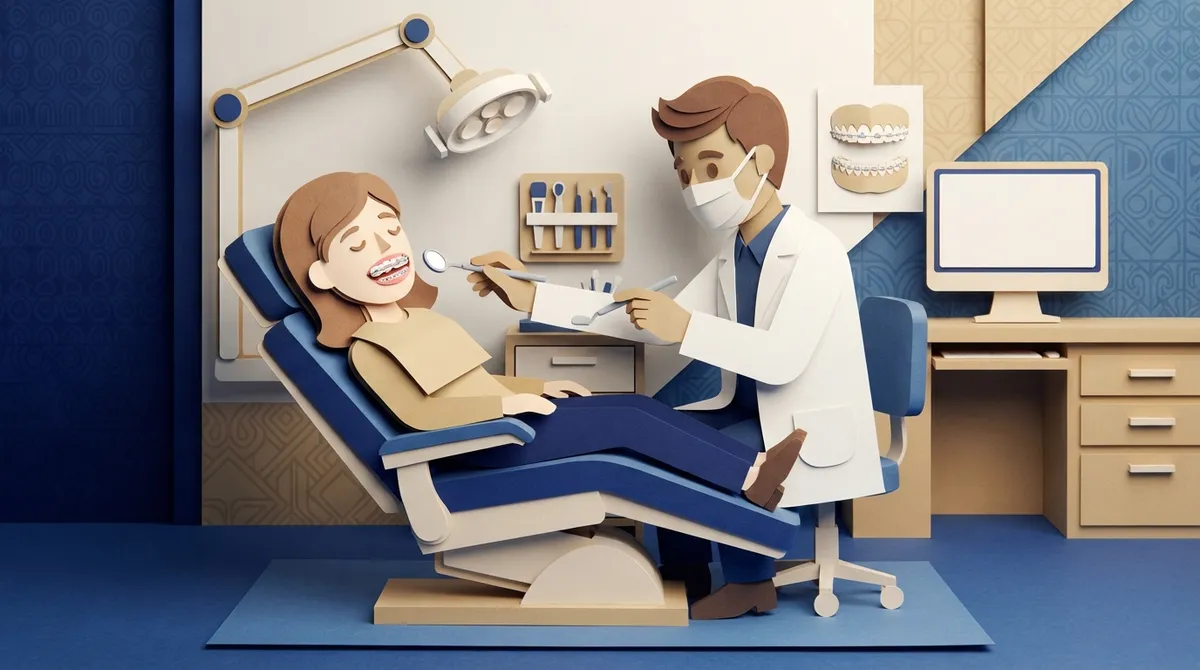
What Is an Orthodontic Appointment, Really?
An orthodontic appointment is a visit to assess, plan, deliver, adjust, or monitor treatment for tooth and jaw alignment. The purpose changes depending on where you are in your journey. Some visits are long and detailed, while others are quick and simple.
Here are the main types of visits you may have:
- Initial consultation: Your orthodontist looks at your teeth, bite, and goals, then explains your options.
- Treatment-planning visit: Records like photos and scans help create your custom plan.
- Appliance delivery: Your braces are placed, or you receive your first aligner trays.
- Routine progress check: Your orthodontist checks movement and adjusts your braces or hands you new aligners.
- Appliance removal: Braces come off, and your retainers are fitted.
- Urgent visit: A broken bracket, poking wire, or damaged aligner gets attention.
If you’re new to all of this, our Your First Visit page walks you through what to expect before you even step through the door.
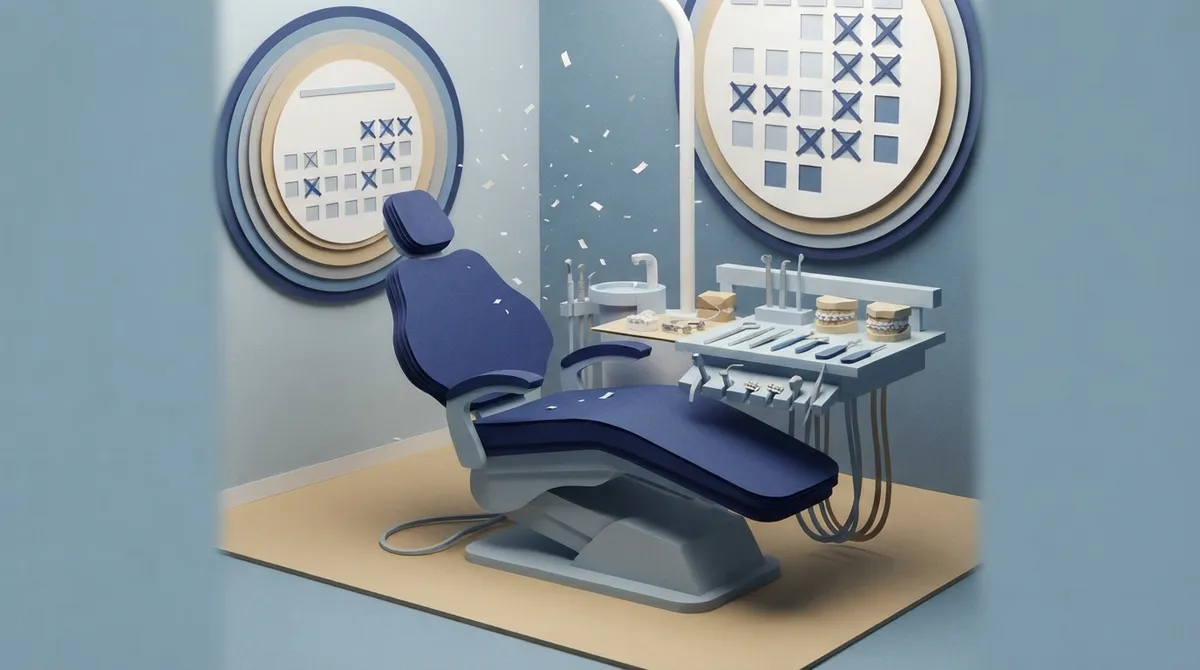
Mistake #1: Skipping or Delaying Routine Visits
This is the big one. It’s tempting to think, “My teeth feel fine, so I can skip this one.” But routine visits are where the real progress happens.
According to the American Association of Orthodontists (AAO), routine visits to adjust braces or pick up new aligners are commonly scheduled about every 6 to 10 weeks. The right schedule is personal to you, so it’s best to follow your orthodontist’s plan rather than guess.
Why Every Visit Counts
At a routine orthodontic appointment, your orthodontist usually does these things:
- Checks how your teeth are moving.
- Looks at the health of your teeth and gums.
- Makes sure your braces or aligners are working as planned.
- Adjusts your wires, brackets, or trays when needed.
- Updates your treatment plan if something changes.
When visits get skipped, small problems can grow. Teeth may stall, brackets may stay loose, and your treatment may take longer than it should. The AAO’s 2025 survey, based on 2024 data, found a median treatment time of 22 months. That’s a population-wide number, not a promise for any one person. But missed visits are one of the easiest ways to stretch your own timeline.
What About Rescheduling?
Life happens, and sometimes you truly need to move a visit. That’s okay! Just call the office as early as you can and rebook quickly. A short delay is very different from skipping altogether.
Mistake #2: Not Knowing What Your Visit Schedule Should Look Like
Many people don’t realize that braces and aligners follow different rhythms. Knowing yours helps you plan work, school, and family calendars ahead of time.
The AAO’s 2025 survey, based on 2024 practice data, found that the median interval between active-treatment appointments was about 6 weeks for braces and 10 weeks for aligners. These are survey medians, not a guarantee, so your own schedule may look different.
| Treatment Type | Typical Visit Interval (AAO survey median) | What Usually Happens |
|---|---|---|
| Braces | About 6 weeks | Wire changes, bracket checks, progress review |
| Clear aligners | About 10 weeks | Fit check, progress review, next sets of trays |
| Retainer phase | As directed by your orthodontist | Fit check and wear guidance |
Braces Visits
With braces, your orthodontist may change or adjust wires and check each bracket. You might feel a little pressure afterward, which is normal. If you’re curious about the process, take a peek at All About Braces.
Aligner Visits
With aligners, visits often involve checking how the trays fit and how your teeth are tracking. You’ll usually leave with your next sets of trays. Our Spark™ Clear Aligners are a popular, budget-friendly option for teens and adults who want a more discreet look.
Here’s a helpful tip: aligners are typically worn 20 to 22 hours a day, according to AAO guidance, unless your orthodontist tells you otherwise. Fewer check-ins don’t mean less effort at home!
Mistake #3: Showing Up Unprepared
A little preparation makes any orthodontic appointment smoother, faster, and more useful. This is especially true for your very first visit, when you’ll have lots of questions.
Before Your First Visit
- Write down your goals. Do you want a straighter smile, a better bite, or both?
- List your questions. Ask about treatment length, comfort, cost, and care.
- Gather your records. Bring dental history, insurance details, and any past orthodontic information.
- Brush and floss. A clean mouth helps your orthodontist see clearly.
- Bring your support person. Parents of kids and teens should plan to attend.
For a deeper look, see How to Prepare for Your First Appointment With Orthodontist.
Before Routine Visits
Before a regular adjustment, take a minute to do a few simple things:
- Brush and floss well, so your orthodontist can check your gums and teeth.
- Bring your aligner case and your latest trays if you wear aligners.
- Note any sore spots, loose brackets, or fit problems.
- Write down questions about food, comfort, or timing.
These small steps can make your visit shorter and far more helpful.
Mistake #4: Waiting Too Long to Call About a Problem
Here’s one that surprises people: you don’t have to wait for your next scheduled visit when something goes wrong. If a bracket loosens, a wire shifts or irritates your mouth, or an aligner is lost or damaged, call your orthodontist’s office.
The team can tell you whether it’s something you can handle at home for a day or two or whether you need an earlier visit. Don’t wait for the next routine appointment if there’s a significant problem. Waiting can slow your progress or cause more discomfort.
Quick Guide: Emergency or Can It Wait?
| Problem | What to Do |
|---|---|
| Loose bracket | Call the office; they’ll advise whether you need an earlier visit |
| Poking or shifted wire | Call the office; orthodontic wax may ease irritation until you’re seen |
| Lost or broken aligner | Call right away so your plan stays on track |
| Severe pain, swelling, or injury | Contact the office immediately |
Want more help deciding what counts as urgent? Read Emergency vs. Routine Orthodontics: Which Do You Need? And if you want to know why DIY fixes are risky, see DIY Wire Fix vs. Orthodontist Visit: What Works Best?
The American Dental Association also shares helpful oral health guidance at ada.org, which is a nice resource to keep handy during treatment.
Mistake #5: Forgetting the Habits That Happen Between Visits
Your orthodontic appointment is only one part of the picture. What you do at home, day after day, shapes how smoothly everything goes. Keeping scheduled visits and following instructions on appliance wear and oral hygiene help your orthodontist monitor progress and solve issues early.
Simple Daily Habits That Help
- Wear your aligners as directed. Aim for the hours your orthodontist recommends.
- Brush and floss carefully. Food loves to hide around brackets and wires.
- Watch what you eat. Hard, sticky, or chewy foods can damage braces.
- Wear your retainer. It protects the results you worked so hard for.
- Keep your case handy. Wrapping aligners in a napkin is a classic way to lose them!
For food ideas that keep you smiling, our friendly guide on what you can eat with braces is a great place to start. And once your braces come off, retainers become your best friend for keeping your smile in place.
How Often Should Kids and Teens Visit?
Parents often ask when to book that first orthodontic appointment for a child. A good rule of thumb is that kids can benefit from an evaluation around age 7, when enough adult teeth have come in for an orthodontist to spot early concerns. That doesn’t mean treatment starts then. In many cases, it’s simply a check-in to see if watching and waiting is best.
You can learn more about Early Treatment and Adolescent Treatment on our site. Teens, especially, often like to know their options so they can look and feel their best for big moments like graduation, dances, or senior photos.
For parents wondering about timing, How to Know When Your Child Should First See an Orthodontist is a helpful read.
Appointments for Adults and Retreatment Patients
Adults are choosing orthodontic care in bigger numbers than ever. The AAO’s 2025 survey, based on 2024 data, estimated about 1.91 million adults were in treatment with AAO-member orthodontists in the United States, up from roughly 1.64 million in 2022. So if you’ve been thinking about it, you’re in great company.
Busy professionals often worry about time. The trick is to plan ahead. Ask about appointment lengths, choose a time of day that works with your calendar, and talk to your orthodontist about how many visits your plan will need. Clear aligners often mean fewer in-office visits, which many working adults love.
If you had braces years ago and your teeth have shifted, you’re not alone either. Relapse is common, especially when retainers weren’t worn as directed. A fresh consultation can show whether a quick tune-up or a full retreatment plan makes sense. Explore Adult Treatment to see what’s possible, or read 8 Truths About Whether You’re Too Old for Braces.
What Makes a Great Orthodontic Appointment Experience?
A great visit isn’t only about the wires and trays. It’s about feeling heard, comfortable, and informed. Look for an office that explains each step in plain language, uses modern tools, and treats you like a person, not a number.
At Brockway Orthodontics, Dr. Brockway takes the time to listen to your concerns and your dreams for your smile. Our Clearwater office uses digital impressions instead of messy molds and 3D imaging to plan treatment precisely. In certain cases, we can even offer same-day treatments so busy families don’t have to juggle extra trips. Learn more about Dr. Brockway and take a look at our office to see where you’ll be smiling.
Curious how others feel about their visits? You can see what our Brockway Orthodontics patients say on Google. You can also keep up with our team and community on Facebook.
Make Your Visits Easier on Your Wallet, Too
Cost is part of every family’s decision. Ask about payment options early so there are no surprises. Our Financing and Insurance page explains how we help make orthodontic care fit your budget. If you’re also interested in growing your own practice or business visibility online, a partner like SEO Rocket offers tools that help local businesses get found.
Ready to Book Your Next Orthodontic Appointment?
Your smile is worth the time, and a little planning goes a long way. Keep your visits, call when something feels off, prepare ahead, and stick with your daily habits. Do those four things, and you’ll be well on your way to the smile you’ve been dreaming about.
Whether you’re starting fresh, continuing treatment, or thinking about retreatment, we’d love to meet you. Book your appointment online today, or contact us with any questions. Let’s make your next orthodontic appointment your easiest one yet!
FAQs
Q: What happens at an orthodontist appointment?
A: It depends on where you are in treatment! Your orthodontist may check tooth movement, look at your gums, adjust your braces, or hand you new aligner trays. At a first visit, you’ll talk about your goals and learn your options.
Q: How often do you need orthodontic appointments with braces or aligners?
A: The AAO says routine visits are commonly about every 6 to 10 weeks. Survey medians show roughly 6 weeks for braces and 10 weeks for aligners, but your own schedule will be personal to you, so follow your orthodontist’s plan.
Q: What should I do if a bracket breaks or a wire is poking me between appointments?
A: Give your orthodontist’s office a call right away. The team can tell you if you can wait a bit or if you need an earlier visit, and you shouldn’t just wait for your next routine appointment if the problem is significant.
Q: Can I skip or reschedule an orthodontic appointment?
A: Rescheduling is okay when life gets busy, just call the office early and rebook quickly. Skipping visits can slow your progress, so it’s best to keep your appointments as planned.
Q: How often should a child have an orthodontic consultation?
A: Many kids benefit from a first evaluation around age 7. After that, your orthodontist will let you know if your child should be monitored over time or if treatment should begin sooner.
Our Service Area