Key Takeaways
-
Brush carefully for 2 minutes after meals and before bed using a 45-degree angle technique above and below brackets to prevent plaque buildup, cavities, and staining around orthodontic appliances.
-
Avoid hard, sticky, crunchy, and chewy foods that can bend wires and pop brackets loose; instead cut items into bite-sized pieces and choose soft alternatives like cooked vegetables and tender meats.
-
Floss or use interdental brushes daily with specialized tools like floss threaders to clean between teeth and around wires, preventing gum inflammation and maintaining oral health during treatment.
-
Wear elastics, aligners, and retainers exactly as prescribed and attend every scheduled appointment, as skipping these can add months to treatment time and compromise final results.
Getting braces or clear aligners is exciting. You’re on your way to a smile you’ll love! But here’s the thing: great results depend on what you do every single day, not just what happens in the orthodontist’s chair. That’s where good orthodontic care instructions come in.
Whether you’re a parent helping your child through treatment, a teen getting ready for graduation photos, or an adult balancing a busy career, these simple habits protect your teeth, your appliances, and your progress. The good news? None of it is hard. It just takes a little routine and a lot of consistency.
At Brockway Orthodontics in Clearwater, Florida, Dr. Brockway and our team love helping families feel confident from day one. Below are eight practical steps to keep your treatment smooth, comfortable, and on schedule. Always remember that your own orthodontist’s advice comes first, since care can differ for braces, removable appliances, and clear aligners.
1. Brush Carefully After Meals and Before Bed
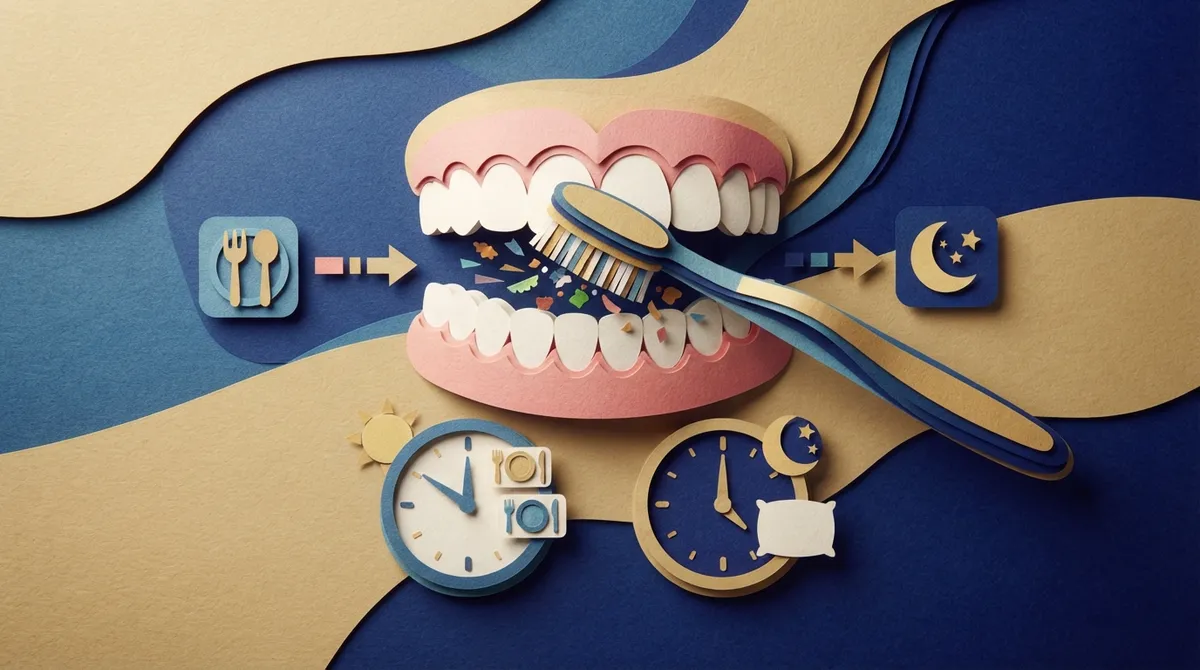
Food loves to hide around brackets and under wires. If it stays there, plaque builds up fast, and that can lead to cavities and stained teeth. A good brushing routine is the foundation of all orthodontic care instructions.
General guidance from the American Association of Orthodontists (AAO) is to brush for about two minutes after meals or snacks and before bed. The NHS suggests brushing in the morning, at night, and after meals. Use fluoride toothpaste either way.
How to Brush With Braces
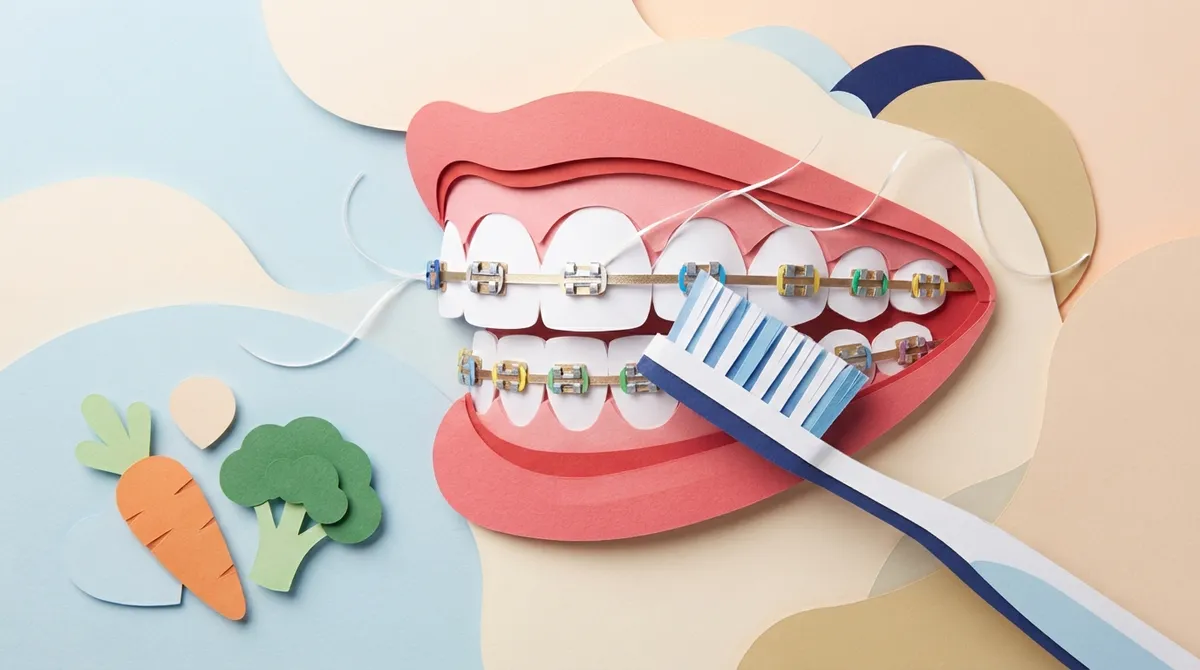
- Hold your toothbrush at a 45-degree angle to the gumline.
- Brush gently above the brackets, then below them.
- Clean the front, back, and chewing surfaces of every tooth.
- Take your time. Rushing means missed spots.
- Rinse well and check your smile in the mirror for leftover food.
Want a deeper walkthrough? Our guide on how to brush teeth with braces like a pro breaks it down step by step.
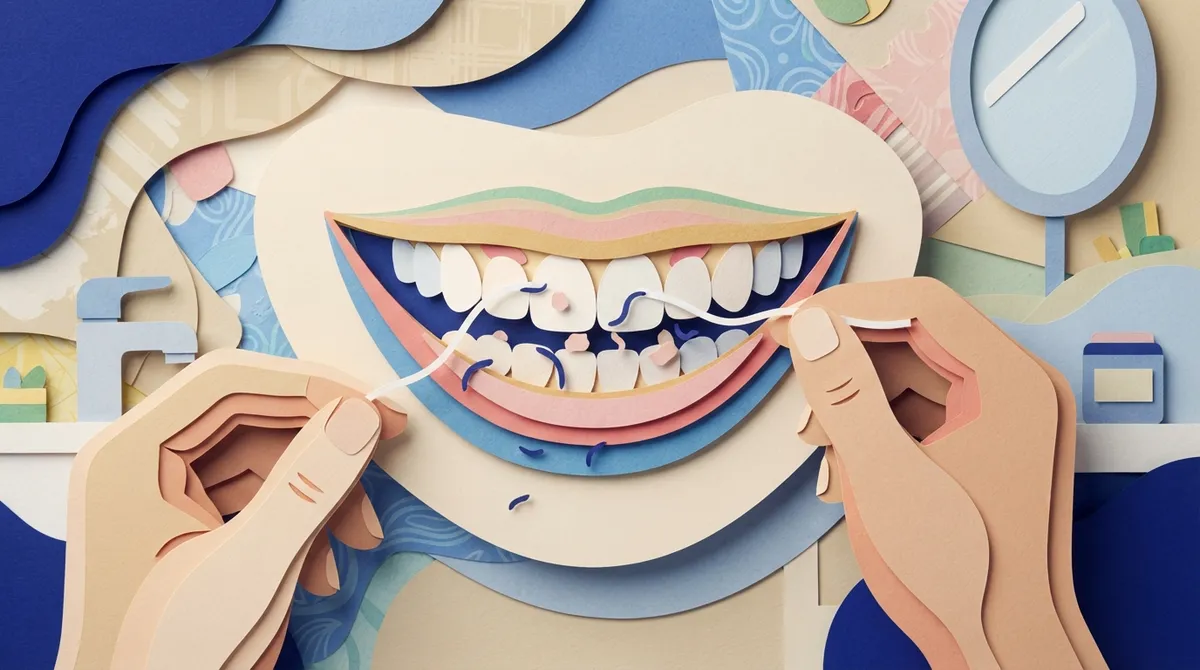
2. Floss and Clean Between Teeth Every Day
Brushing alone can’t reach everywhere. Daily cleaning between your teeth and around your appliances keeps gums healthy and prevents those red, puffy spots that sometimes show up during treatment.
Here are a few handy tools that make it easier:
- Floss threaders: These help you slide floss under the wire.
- Interdental brushes: Tiny brushes that clean around brackets and between teeth. The NHS recommends using one daily.
- Water flossers: A fun, gentle way to rinse away debris.
Flossing with braces takes patience at first. Give yourself a few extra minutes in the evening, and it will soon feel like second nature. For more tips, check out these best tips to brush and floss with braces daily.
3. Choose Braces-Friendly Foods
Your food choices matter more than you might think. Hard, sticky, crunchy, and chewy foods can bend wires, pop brackets loose, and add extra visits to your calendar.
| Food Type | Examples to Avoid | Better Choices |
|---|---|---|
| Hard | Nuts, hard candy, ice | Soft cheeses, yogurt |
| Sticky | Caramel, taffy, gummy candy | Smooth pudding, fruit smoothies |
| Crunchy | Popcorn, chips, raw carrots | Steamed or cooked vegetables |
| Chewy | Bagels, tough meats, jerky | Soft breads, tender chicken |
Don’t give up apples or sandwiches entirely! Just cut them into small, bite-size pieces instead of biting straight in. Also skip chewing on ice, pens, and fingernails, since these hard objects can break your appliance.
Need ideas? Our friendly food guide for braces has plenty of tasty options.
4. Limit Sugary and Acidic Drinks
Soft drinks, sports drinks, and juices can wear down enamel and raise your cavity risk. With braces, sugar tends to sit around brackets, which makes the problem worse.
Water and milk are your best friends during treatment. If you do have a sweet or acidic drink, try these tips:
- Drink it with a meal rather than sipping all day.
- Rinse your mouth with water afterward if you can’t brush right away.
- Use a straw to limit contact with your teeth.
These small habits protect your enamel so your teeth look as good as they feel when the braces come off.
5. Know How to Care for Clear Aligners
If you’re wearing clear aligners like our Spark™ Clear Aligners, your care routine looks a little different. The big rules are simple: wear them as directed, keep them clean, and handle them gently.
- Wear them as prescribed. Aligners only work when they’re in your mouth. Follow your orthodontist’s wear schedule.
- Remove them to eat and drink. Water is usually fine, but other drinks can stain or damage them.
- Clean them daily. Rinse and gently brush them with a soft toothbrush and cool water. Hot water can warp the plastic.
- Brush before putting them back in. Otherwise you trap food and bacteria against your teeth.
- Store them in their case. Wrapping aligners in a napkin is a classic way to lose them!
Spark™ Clear Aligners are a more affordable option for many patients, and they fit beautifully into busy lives. Want to avoid common slip-ups? Read about clear aligner food mistakes that harm your smile.
6. Handle Soreness and Minor Problems the Smart Way
Feeling sore after braces are placed or adjusted is completely normal. Most people notice it for a few days. Soft foods like soup, mashed potatoes, and smoothies can make mealtimes easier while your teeth settle in.
When to Call Your Orthodontist
Reach out to us if you notice any of the following:
- Pain that lasts more than a few days
- Gums that look very red, swollen, or painful
- A broken appliance or one that causes ongoing discomfort
- A loose bracket or wire
- A lost or broken aligner
Please don’t try to fix a broken bracket or wire yourself. DIY repairs can damage your appliance and slow your progress. Tell your orthodontist promptly so they can advise whether you need an appointment. Not sure how urgent it is? This breakdown of emergency vs. routine orthodontics can help you decide.
7. Wear Elastics and Attend Every Appointment
Rubber bands and other prescribed appliances do important work. They guide your bite into the right position, but only if you wear them as directed. Skipping them can add months to your treatment time.
Likewise, your adjustment visits are where the magic happens. Each appointment lets us check your progress and make small changes. Missing visits can delay your results.
- Keep a spare pack of elastics in your bag or car.
- Set phone reminders for changing them.
- Book your next visit before you leave the office.
Not sure what to expect? Our tips for getting the most out of your orthodontics care are a great place to start.
8. Keep Up With Your Dentist and Wear Your Retainer
Your orthodontist straightens your teeth, but your general dentist keeps them healthy. Keep seeing your dentist during treatment. The AAO recommends professional cleanings at least every six months, or more often if your dental team advises it. Individual needs can differ.
Once your braces or aligners come off, your retainer takes over. Teeth naturally want to drift back toward their old spots, and retainers help hold them in place. Follow your orthodontist’s instructions on how long and how often to wear yours, since needs vary from person to person.
To protect your investment:
- Wear your retainer exactly as directed.
- Clean it daily and keep it in its case.
- Keep it away from heat and pets.
- Call us right away if it breaks or goes missing.
Learn more about retainers or read what to do if your retainer breaks.
Quick Daily Checklist for Orthodontic Care
Print this out or snap a photo for your phone. It’s a simple way to stay on track:
- Brush after meals and before bed with fluoride toothpaste
- Floss or use an interdental brush once a day
- Skip hard, sticky, crunchy, and chewy foods
- Choose water or milk over sugary drinks
- Wear elastics, aligners, and retainers as directed
- Keep your dentist and orthodontist visits on the calendar
Care Tips for Every Member of the Family
Every patient is a little different, and that’s okay! Here’s how these orthodontic care instructions fit different life stages:
- Parents of kids and teens: Make brushing a family routine and pack a travel toothbrush kit for school. Learn more about adolescent treatment options.
- Teens and young adults: Keep a retainer case and aligner case handy for sports, trips, and big events.
- Busy professionals: Keep floss and a small brush at your desk so a quick clean after lunch is easy. See our adult treatment options.
- Retreatment patients: Your retainer is your best friend this time around. Stick with it for the long haul.
Ready to Smile With Confidence?
Great orthodontic care comes down to a few steady habits: clean teeth, smart food choices, wearing your appliances, and showing up for your visits. Do these things, and you’ll set yourself up for a healthy, beautiful smile that lasts.
You don’t have to figure it out alone. Dr. Brockway and our friendly team in Clearwater are here to answer questions, explain each step, and cheer you on. Curious what other families think? Visit us on Google — Brockway Orthodontics to read patient reviews. You can also learn more about orthodontic care through the Florida Association of Orthodontists and explore oral health guidance from the American Dental Association.
Ready to take the next step? Book your appointment online or contact us today. We can’t wait to meet you!
FAQs
Q: How should I brush and floss with braces?
A: Brush gently with fluoride toothpaste above and below your brackets for about two minutes, ideally after meals and before bed. Then use floss with a threader or an interdental brush once a day to clean between teeth and around your wires. Go slowly, and you’ll soon get the hang of it!
Q: What should I do if a bracket or wire comes loose?
A: Call your orthodontist right away so they can tell you whether you need an appointment. Please don’t try to fix it yourself, since DIY repairs can damage your appliance and slow your progress. If a wire is poking you, a little orthodontic wax can ease the discomfort until your visit.
Q: How can I relieve soreness after my braces are adjusted?
A: Some soreness is normal and usually fades within a few days. Stick to soft foods like soup, yogurt, and smoothies while your teeth settle in. If pain lasts longer than a few days or feels severe, let your orthodontist know.
Q: How often should I see my dentist during orthodontic treatment?
A: The AAO recommends professional cleanings at least every six months, or more often if your dental team suggests it. Seeing your general dentist keeps your teeth and gums healthy while your orthodontist works on alignment. Your individual needs may vary, so follow the advice of your care team.
Q: Do I really need to wear a retainer after braces?
A: Yes, in most cases! Retainers help keep your teeth from shifting back to their old positions after treatment. Your orthodontist will tell you how long and how often to wear yours, so follow those instructions closely to protect your new smile.
Our Service Area