Key Takeaways
-
Get a clinical exam before choosing: the best option depends on your bite, tooth position, and gum health, not on looks or a digital preview alone.
-
Aligners require consistent wear of about 20–22 hours a day, so they suit disciplined, routine-driven people; braces work continuously without daily compliance.
-
Aligners are removable, making eating and cleaning easier, while braces require careful brushing around brackets and avoiding sticky or hard foods.
-
Research is mixed: aligners often treat mild to moderate cases well, but braces offer more predictable control for complex movements and fine bite details.
-
Aligner accuracy varies widely across studies (roughly 55% to 82%), so results depend on case complexity and how closely you follow the plan.
-
Plan for a retainer after treatment and ask about total cost, timeline, and payment options upfront, since teeth tend to drift back.
Picking a way to straighten your teeth can feel like standing in front of a giant menu. Everyone has an opinion, social media is full of before-and-after photos, and the words “clear aligner vs braces” probably sent you down a long search rabbit hole. Take a deep breath. You are in the right place, and this is a very normal question!
The good news is that both options are proven, well-established ways to move teeth. The tricky part is figuring out which one fits your teeth, your bite, and your daily life. In this guide, we will walk through the decision step by step, in plain language. Whether you are a parent weighing options for your child, a teen planning for a big milestone, or an adult who wants a discreet fix, you will leave with a clear game plan.
At Brockway Orthodontics, we help families in Clearwater make this exact choice every day, and we love seeing people feel confident about it.
Understand What Each Treatment Actually Is
Before you compare, it helps to know what you are comparing. These two options work in very different ways.
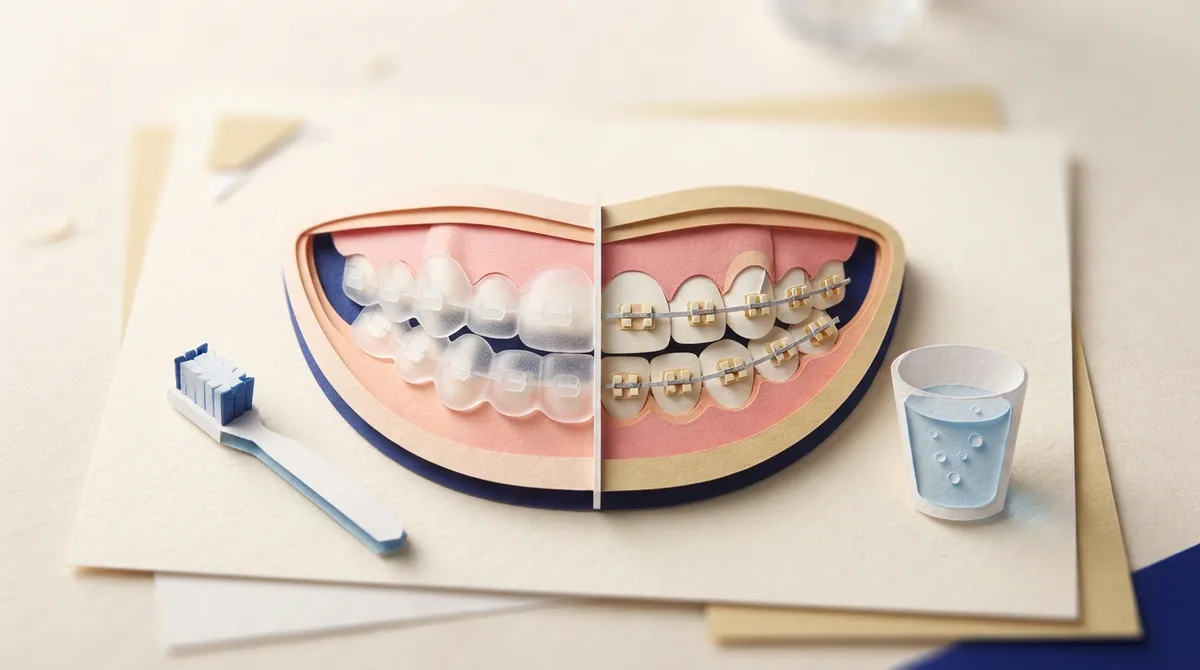
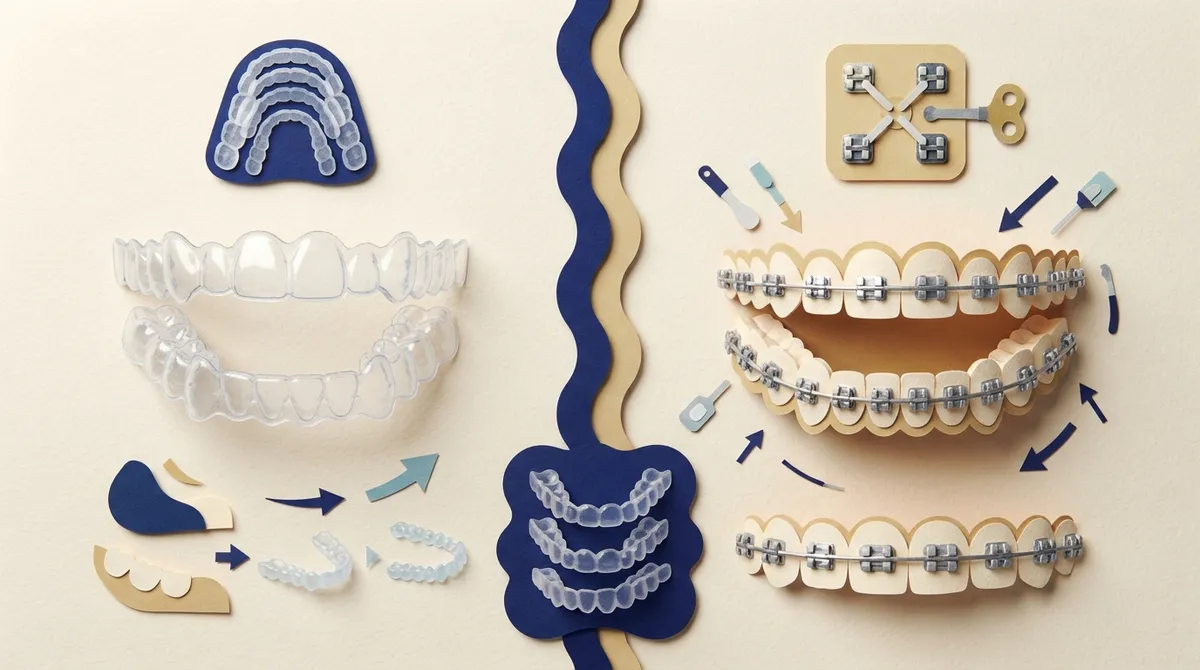
Clear aligners are custom-made, removable plastic trays. You wear one set at a time, and each set nudges your teeth a little closer to the goal. Then you move on to the next set, following the schedule your orthodontist gives you. Our Spark™ Clear Aligners are a great example.
Braces use small brackets attached to your teeth, connected by a wire. The wire applies steady pressure that guides teeth into place. Braces stay on the whole time, so they work around the clock. You can learn more on our All About Braces page.
Both are established orthodontic treatments. Neither one is automatically “better.” The right choice depends on what your teeth need.
Step 1: Get a Real Diagnosis First
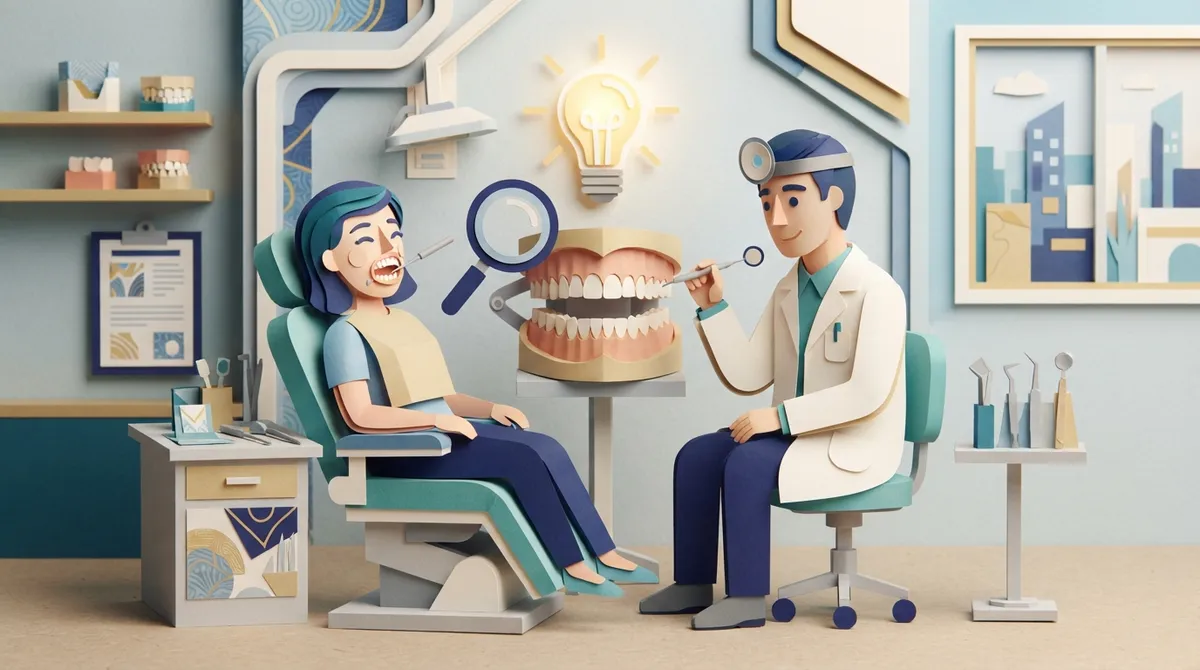
Here is the most important tip in this whole article: do not choose based on looks or a digital preview alone. The best treatment depends on a clinical exam. Your orthodontist will look at:
- Your bite and how your upper and lower teeth meet
- The position of each tooth
- The health of your gums and teeth
- The type of movement your teeth need
A mild gap or slight crowding is very different from a deep overbite or a jaw that needs guidance. After an exam, your orthodontist may recommend aligners, braces, or even a mix of both. Some cases use aligners with small attachments or elastics. Others start with braces and finish with aligners.
A good consultation gives you real answers, not guesses. If you want to know what to expect, see Your First Visit.
Step 2: Compare the Two Side by Side
Here is a quick snapshot of how clear aligner vs braces stack up on the things people ask about most.
| Feature | Clear Aligners | Braces |
|---|---|---|
| Appearance | Nearly invisible | Visible (metal or clear ceramic options) |
| Removable? | Yes, for meals and cleaning | No, fixed the whole time |
| Daily wear | Typically about 20–22 hours | Always working |
| Eating | Remove trays to eat | Some foods to avoid |
| Cleaning | Brush and floss normally | Brush around brackets and wires |
| Best for | Mild to moderate cases | Wide range, including complex cases |
| Depends on you | A lot (consistent wear) | Less (appliance stays on) |
Notice that neither column is a clear winner. It is all about fit.
Step 3: Think About Your Daily Habits
This is where your personality comes in. Be honest with yourself here, because it matters.
Ask yourself these questions
- Am I good at following a routine every single day?
- Do I tend to lose small things like earbuds or water bottles?
- Do I snack or sip drinks all day long?
- Do I want my treatment to be as unnoticeable as possible?
- Do I play a sport or an instrument that makes certain appliances tricky?
Aligners reward people who are consistent. According to the American Association of Orthodontists, aligners are typically worn at least 22 hours a day and are often changed about once a week, though your orthodontist sets the exact schedule. If you forget, lose, or skip trays, treatment can slow down or go off track.
Braces do not need you to remember to put them in. They stay put and keep working. If you know that you are busy and sometimes forgetful, that built-in reliability can be a real comfort.
Step 4: Consider Comfort and Cleaning
Let us be real: both options can feel a little tender at first. Teeth are moving, after all! You may feel pressure or soreness for a few days after a new tray or an adjustment. Braces can also irritate your cheeks and lips until you get used to them, and a bit of orthodontic wax helps.
When it comes to keeping things clean, aligners have a nice advantage. You take them out to brush and floss, so there are no brackets to trap food. You still need to clean your teeth and your trays, though. Braces take more effort, since you have to brush carefully around brackets and wires. Our guide on how to brush teeth with braces makes this much easier.
Eating is another big one. With aligners, you remove them to eat, then brush before putting them back. With braces, you skip sticky, hard, or chewy foods that can break brackets. Check our list of foods you can still enjoy with braces.
Step 5: Look at What the Research Says
You deserve straight talk, so here is what the evidence shows. Studies comparing the two are mixed, and results depend a lot on how complex the case is.
- A 2020 systematic review of 11 comparative studies (887 patients) found that aligners were linked to lower average scores on a bite-quality scale than fixed braces. It also found a higher chance of an unacceptable result by the review’s own standards. The authors noted limits in the research, including bias and inconsistent studies.
- A 2019 review found shorter treatment times with aligners in the studies it included. It also noted that aligners were less strong at certain moves, like controlling tooth rotation, fine bite contacts, and widening the arch.
- A 2024 umbrella review put aligner accuracy at roughly 55% to 82% across the studies it covered. That is a range across many different cases, not a promise for any one person.
What does this mean for you? Aligners can work very well in the right cases. Braces may offer more predictable control for some tricky movements and bite details. And no, it is not true that one method is always faster. Time depends on your case and how closely you follow the plan.
Step 6: Match Your Situation to the Right Option
Different people have different needs. Here is how the choice often plays out for each group.
For parents of kids and teens
Kids are still growing, which can change what treatment makes sense. Younger patients sometimes need early care to guide jaw growth. Braces are often a reliable pick because they do not depend on a child remembering to wear a tray. That said, many responsible teens do great with aligners. Our guides on braces vs. clear aligners for kids and orthodontics for kids can help you decide.
For teens and young adults
If you want a discreet look for prom, graduation, or just everyday life, aligners are a popular pick. Ceramic braces are another low-profile option. Check out teen braces in Clearwater to see what is possible.
For adult professionals
Busy careers and meetings often make a nearly invisible option appealing. Aligners can fit that bill if your case is a good match. If you need more complex movement, braces or a hybrid plan may do the job better. See our adult treatment options for more.
For retreatment after relapse
If your teeth have shifted after earlier treatment, you are not alone. Many adults come back to fix a bit of movement. The right plan depends on how far things have moved, and good retainers can help prevent it from happening again.
For health-conscious patients
If you have gum concerns or a complex dental history, your orthodontist will plan carefully around your oral health. Healthy gums and teeth come first, no matter which path you pick.
Step 7: Plan for the Finish Line
Here is something many people forget to ask about: what happens after treatment. No matter which option you choose, you will generally need a retainer to keep your new smile in place. Teeth like to drift back toward where they started, so retainers are your long-term teammate.
Ask about the retainer plan up front, along with the full cost and timeline. You can explore financing and insurance so there are no surprises. For a deeper side-by-side, see our post on which one is right for you.
Quick Checklist Before You Decide
Use this simple list to feel ready for your visit:
- I know my top goal (looks, speed, comfort, or fixing a bite problem).
- I am honest about how consistent I am with daily habits.
- I have asked about both options, not just one.
- I understand the retainer plan after treatment.
- I have asked about total cost and payment choices.
Finding the right team matters just as much as the treatment itself. Local professional groups like the Florida Association of Orthodontists and the American Dental Association are good places to learn more about care standards. And if you want to hear from real patients, you can see what our Brockway Orthodontics patients say on Google.
Treatment also goes smoother when your home is comfortable, so even small things like a cool, steady home from a trusted Marks Air pro can help you stay relaxed through your orthodontic journey.
Ready to Find Your Best Fit?
The honest answer to “clear aligner vs braces” is that it depends on you. Aligners shine for comfort, easy cleaning, and a discreet look in many mild to moderate cases. Braces offer strong, steady control and work well for a wide range of needs, including complex ones. Many people end up with a plan that borrows from both.
You do not have to figure it out alone. Dr. Brockway takes time to listen to your goals, explains every option in friendly, simple terms, and uses modern tools like digital impressions and 3D imaging to plan your care precisely. You can also meet Dr. Brockway before you come in.
Ready to take the first step? Book your appointment online and let us help you find the option that fits your smile and your life. Questions first? Just contact us. We would love to meet you!
FAQs
Q: Are clear aligners as effective as braces?
A: Clear aligners can work really well in the right cases, especially mild to moderate alignment issues. Braces may offer more predictable control for some complex movements and bite details. An orthodontic exam is the best way to learn which fits your teeth.
Q: How many hours a day do I need to wear clear aligners?
A: Most patients wear aligners about 20 to 22 hours a day, and the American Association of Orthodontists suggests at least 22 hours. You take them out only to eat, brush, and floss. Your orthodontist will give you the exact schedule for your plan.
Q: Are clear aligners faster than braces?
A: Not always! Treatment time depends on your specific case and how closely you follow the plan. Some studies show shorter times with aligners, but the claim that one method is always faster is not supported across the board.
Q: Do clear aligners hurt less than braces?
A: Both can cause some temporary pressure or soreness as your teeth move, especially after a new tray or an adjustment. Braces can also irritate your cheeks and lips at first, while aligners tend to feel smoother. Most discomfort fades within a few days.
Q: How do I know if I am a candidate for clear aligners?
A: The only way to know for sure is a clinical exam. Your orthodontist will check your bite, tooth positions, and gum health, then recommend aligners, braces, or a mix. Book a free consultation and we will walk you through your options.
Our Service Area