Key Takeaways
-
The American Association of Orthodontists recommends a first orthodontic check-up by age 7, and no dentist referral is required to book the visit.
-
Age 7 does not mean braces at age 7; orthodontic treatment most often begins between ages 9 and 14, depending on each child's needs.
-
A first visit is an evaluation with three common outcomes: no treatment needed, monitoring over time, or short early treatment for a specific issue.
-
Book an earlier evaluation if your child has trouble chewing, crowded or blocked-out teeth, jaws that seem off, very early or late baby tooth loss, constant mouth breathing, or lingering thumb-sucking.
-
Prepare by bringing dental and insurance records, noting habits like thumb-sucking or teeth grinding, writing down questions, and keeping the visit framed positively for kids.
-
Ask about the problem found, treatment options, whether teeth may need removal, expected duration, cost, and when the next check-up should happen.
Does the words “first orthodontic visit” make you wonder if your child needs braces right now? Take a deep breath, because the answer is usually no! A first visit is simply a friendly check-up. It helps an orthodontist see how your child’s teeth, bite, and jaws are growing.
Many parents feel unsure about when to book this appointment. Others worry it means a long treatment plan is coming. Here’s the good news: this visit is about information, not commitment. Think of it like a growth chart for your child’s smile.
In this guide, we’ll walk through the right age, what happens during the appointment, the signs to watch for, and how to get ready. Whether you’re a parent of a seven-year-old, a teen, or an adult thinking about treatment yourself, you’ll find clear answers here. At Brockway Orthodontics in Clearwater, we love helping families feel calm and informed from the very first hello. Let’s get started!
When Should You Schedule the First Orthodontic Visit?
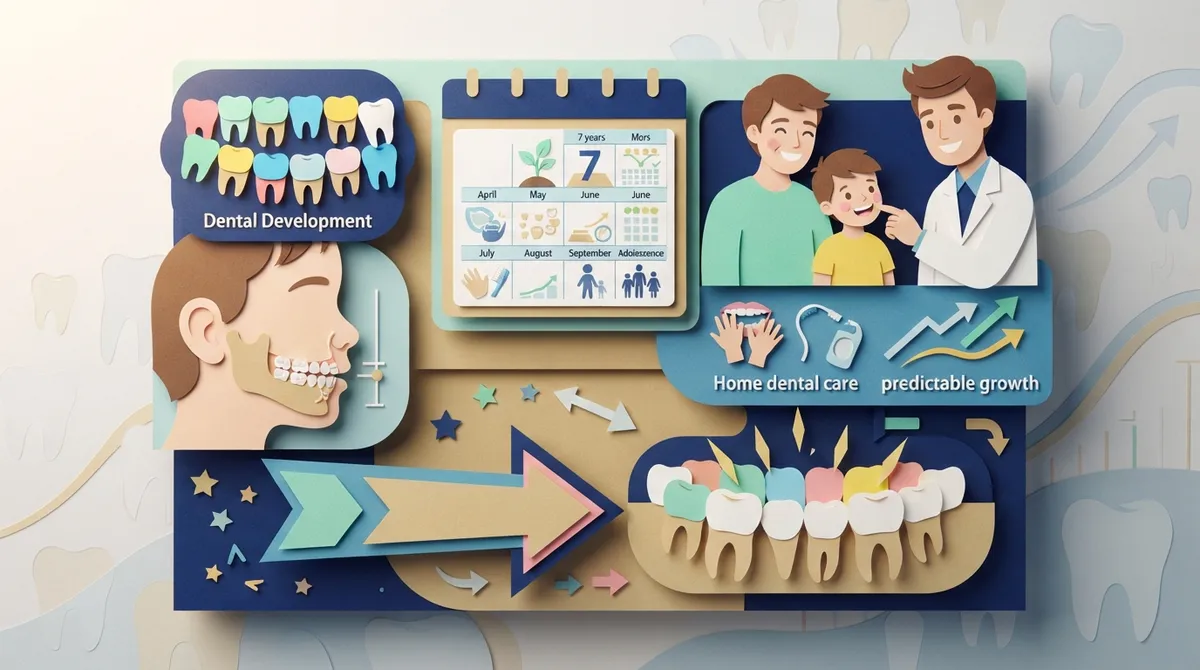
The American Association of Orthodontists (AAO) recommends that children have their first orthodontic check-up by age 7. If you notice a concern sooner, it’s fine to book earlier. You also do not need a dentist referral to schedule this visit.
Why age 7? At this age, most kids have a mix of baby teeth and permanent teeth. That mix gives an orthodontist a great view of how the teeth are coming in. It also shows how the bite and jaws are developing while your child is still growing.
Here’s what matters most: age 7 does not mean braces at age 7. According to the AAO, orthodontic treatment most often begins between ages 9 and 14, depending on each child’s needs. The early visit is about timing and awareness. For a deeper look at timing, you can read our guide on how to know when your child should first see an orthodontist.
Why an Early Check-Up Helps
Catching a problem early gives you more choices. Some issues are easier to guide while a child’s jaw is still growing. Other times, the best plan is simply to watch and wait. Either way, you’ll know where things stand.
One long-term study in the European Journal of Orthodontics found that 58% of children in its sample showed one or more bite problems at age 7. That figure comes from one study group and does not apply to every child. Still, it shows why a quick look can be so useful.
What Happens at a First Orthodontic Visit?
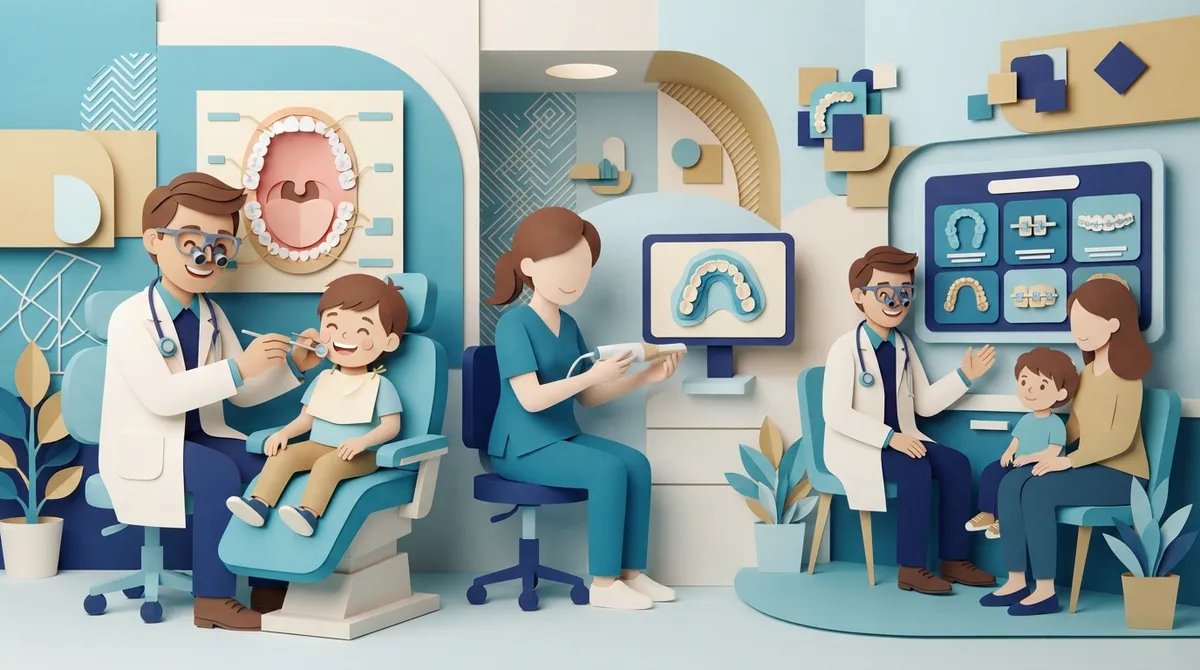
Walking into a new office can feel a little nerve-wracking, especially for kids. Knowing the steps ahead of time makes it much easier. While every practice is a bit different, most first visits follow a similar flow. You can also preview the process on our Your First Visit page.
- A warm welcome and paperwork. You’ll share your child’s dental and medical history. This helps the orthodontist understand the full picture.
- A gentle exam. The orthodontist looks at your child’s teeth, bite, and jaw. They check how teeth are lining up and whether anything looks out of place.
- Photos or imaging, if needed. Pictures of the smile are common. Some kids may need an X-ray, such as a panoramic image, to see teeth that have not come in yet. Imaging needs vary from child to child.
- A friendly talk about findings. The orthodontist explains what they see in plain language. You’ll hear whether treatment is needed now, later, or not at all.
- Next steps and questions. This is your time to ask about options, timing, and cost.
The whole visit is usually relaxed and quick. Kids often leave feeling proud, not scared. For adults and teens, the steps are very similar, and we cover them in our post on what to expect during your orthodontic exam.
The Three Common Outcomes
A first visit is an evaluation, not a promise of braces. Most families walk away with one of three results. Here’s a quick look at each.
| Outcome | What It Means | What Happens Next |
|---|---|---|
| No treatment needed | Teeth and bite are developing well | Regular dental check-ups continue |
| Monitor growth | A small concern may need treatment later | Periodic check-ins to track changes |
| Early treatment | A specific problem is developing now | A short, focused plan to guide growth |
Most children do not need treatment at age 7. If your child does need early care, the orthodontist will explain why timing matters. You can learn more about this path on our Early Treatment page.
Signs Your Child Should Be Seen Sooner
You don’t have to wait until age 7 if something seems off. Trust your instincts as a parent! Here are common reasons to book an evaluation earlier:
- Trouble chewing or biting food
- Crowded teeth or teeth that look blocked out
- Jaws that seem too far forward or too far back
- Baby teeth that fall out very early or very late
- Mouth breathing that happens most of the time
- Thumb-sucking that continues as your child gets older
- Biting the cheek or the roof of the mouth often
If any of these sound familiar, don’t panic. Many of these issues are common and very manageable. You can also explore our list of signs your child needs braces for more detail.
How to Prepare for the Appointment
A little prep goes a long way toward a smooth first orthodontic visit. The goal is to help your child feel safe and curious, not worried.
Tips for Parents
- Keep it positive. Say something like, “We’re going to meet a smile helper who will count your teeth!”
- Bring your records. Have your dental information and insurance details handy.
- Write down your questions. It’s easy to forget them once you’re in the chair.
- Brush and floss first. A clean mouth makes the exam easier for everyone.
- Note any habits. Mention thumb-sucking, mouth breathing, or tooth grinding.
For a full checklist, take a look at our post on how to prepare for your first orthodontist consultation.
Smart Questions to Ask at the Consultation
This visit is your chance to learn. Don’t be shy! A good orthodontist wants you to ask questions and will answer them in simple terms. Consider asking:
- What problem, if any, did you find?
- What treatment options are available for my child?
- Could any teeth need to be removed?
- How long might treatment take?
- What is the estimated cost, and what payment options exist?
- When should we come back for the next check-up?
Fees and insurance coverage vary by practice, location, and treatment plan. Our team is happy to explain your options on our Financing and Insurance page. We also keep a helpful list of answers on our FAQs page.
Is It Only for Kids? First Visits for Teens and Adults
Absolutely not! Many teens and adults have their first orthodontic visit later in life, and that’s perfectly normal. Teens often come in before big events like graduation. Adults come in for comfort, function, or confidence. Some are returning after a past treatment, and that’s welcome too.
For teens, treatment often starts in the middle school or early high school years. We offer options that fit busy lives, including adolescent treatment. For grown-ups, our adult treatment options include discreet choices that work with a busy career.
Curious about whether it’s too late for you? Check out 8 truths about whether you’re too old for braces. Spoiler alert: you probably aren’t!
What Treatments Might Come Up?
If the orthodontist finds a need for treatment, they’ll talk through your choices. Today’s options are more comfortable and varied than ever. Common choices include:
- Metal braces: Reliable, strong, and effective for many bite types. Learn more about all about braces.
- Ceramic (clear) braces: Tooth-colored brackets that blend in more.
- Clear aligners: Nearly invisible trays, such as Spark™ Clear Aligners, a more affordable alternative to other popular brands.
- Retainers: Used after treatment to hold your new smile in place. See our page on retainers.
Not sure which is best? Our guide on braces vs. clear aligners breaks it down in a friendly way.
Why Families Choose Brockway Orthodontics
A first visit sets the tone for your whole experience, so we make it count. At Brockway Orthodontics, we celebrate families! Dr. Brockway takes time to listen to your concerns and your hopes for your smile. You can meet Dr. Brockway and learn about her caring approach.
Our office uses modern tools to keep you comfortable. Digital impressions replace messy molds. 3D imaging helps us plan with precision. In certain cases, we can even offer same-day treatment to fit your busy schedule. Want to see where it all happens? Take a peek at our office.
We’re proud to serve the Clearwater community, and we love building lasting relationships with the families who trust us. You can read what others say by visiting our Brockway Orthodontics location on Google. Staying connected with trusted groups like the Florida Association of Orthodontists also reflects our commitment to quality care.
Common Myths About the First Orthodontic Visit
A few worries come up again and again. Let’s clear them up!
- Myth: My child will get braces right away. Truth: Most children simply get monitored or told they’re doing great.
- Myth: The visit will hurt. Truth: The exam is gentle and non-invasive.
- Myth: We need a referral first. Truth: The AAO says a dentist referral is not required.
- Myth: It’s too early to worry about teeth. Truth: Early awareness is a smart, low-pressure way to plan ahead.
The American Dental Association also stresses the value of regular oral health care at every age, which pairs nicely with good orthodontic planning.
Ready to Book Your First Orthodontic Visit?
A first orthodontic visit is a small step that brings big peace of mind. You’ll learn how your child’s smile is growing, what to expect next, and whether any action is needed. There’s no pressure and no guesswork, just clear answers from a team that cares.
Whether your child is seven, you have a teen with big plans, or you’re an adult ready for a change, we’d love to meet you. Book your appointment online to get started, or contact us with any questions. We can’t wait to help your family smile with confidence!
FAQs
Q: When should my child have their first orthodontic visit?
A: The American Association of Orthodontists recommends a first check-up by age 7, or sooner if you notice a concern. Don’t worry, this doesn’t mean braces right away! It just helps us keep an eye on how your child’s smile is growing.
Q: Do I need a dentist referral to see an orthodontist?
A: Nope! According to AAO guidance, you can book a first orthodontic visit without a dentist referral. You’re welcome to call us directly whenever you have a question about your child’s smile.
Q: Will my child need braces at the first visit?
A: Most likely not. A first visit is an evaluation, and the usual outcomes are no treatment needed, regular monitoring, or a short early treatment for a specific issue. We’ll walk you through everything in plain, friendly language.
Q: Will the orthodontist take X-rays at the first visit?
A: It depends on your child. Some visits include photos or a panoramic X-ray to check for teeth that are missing, extra, or have not come in yet. Imaging is only used when it’s truly helpful for your child’s care.
Q: How much does a first orthodontic consultation cost?
A: Fees and insurance coverage vary by practice, location, and treatment plan. Our team is happy to explain your options and answer cost questions so there are no surprises.
Our Service Area