Key Takeaways
-
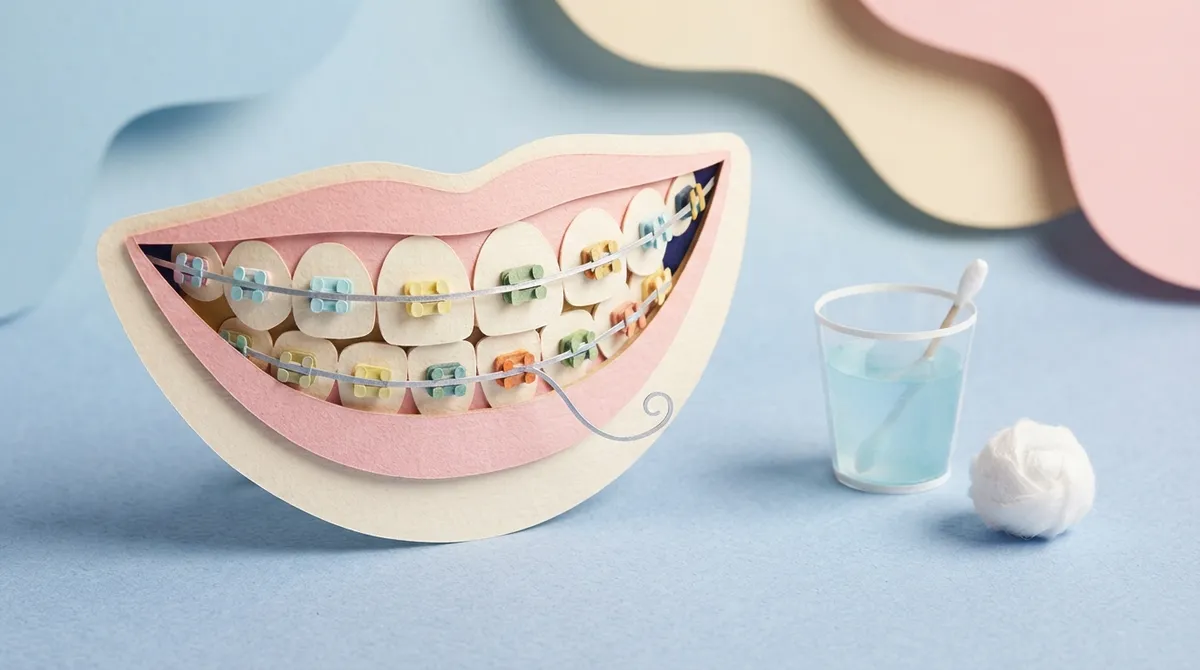
Gently nudge a poking wire away from your cheek or gum with a clean cotton swab or pencil eraser, and stop if it does not move comfortably rather than forcing it.
-
Cover sharp spots with orthodontic relief wax as a temporary barrier, replacing it after meals, but remember it is comfort care and not a repair.
-
Never pull, bend, or cut a loose wire at home, since this can damage brackets, injure tissue, or leave a fragment that could be swallowed or inhaled.
-
Call your orthodontist the same day, especially if the wire has come out of a bracket or tube, has caused a cut or bleeding, or stays painful.
-
Avoid hard, chewy, and sticky foods like candy, nuts, popcorn, and gum until the wire is repaired, and rinse with warm salt water to soothe irritated tissue.
-
Seek urgent care right away for trouble breathing, suspected inhalation of a brace part, significant facial or jaw injury, uncontrolled bleeding, or severe swelling or pain.
It happens to almost everyone with braces. You’re enjoying a snack or brushing your teeth, and suddenly you feel it: a pokey little wire jabbing your cheek. Don’t worry, you are not alone, and it is rarely a true emergency. A loose or poking wire is usually a manageable appliance problem, and a few gentle steps can bring quick comfort.
Whether you are a parent fielding a late-night call from your teen, a college student with a big presentation tomorrow, or an adult professional squeezing in a lunch break, this guide has you covered. We will walk through a safe loose wire fix you can try at home, what to avoid, and when it is time to call your orthodontist. Think of this as a friendly first-aid plan, not a replacement for professional care.
Here are 10 steps that can help you feel better fast and protect your braces while you wait for a repair.
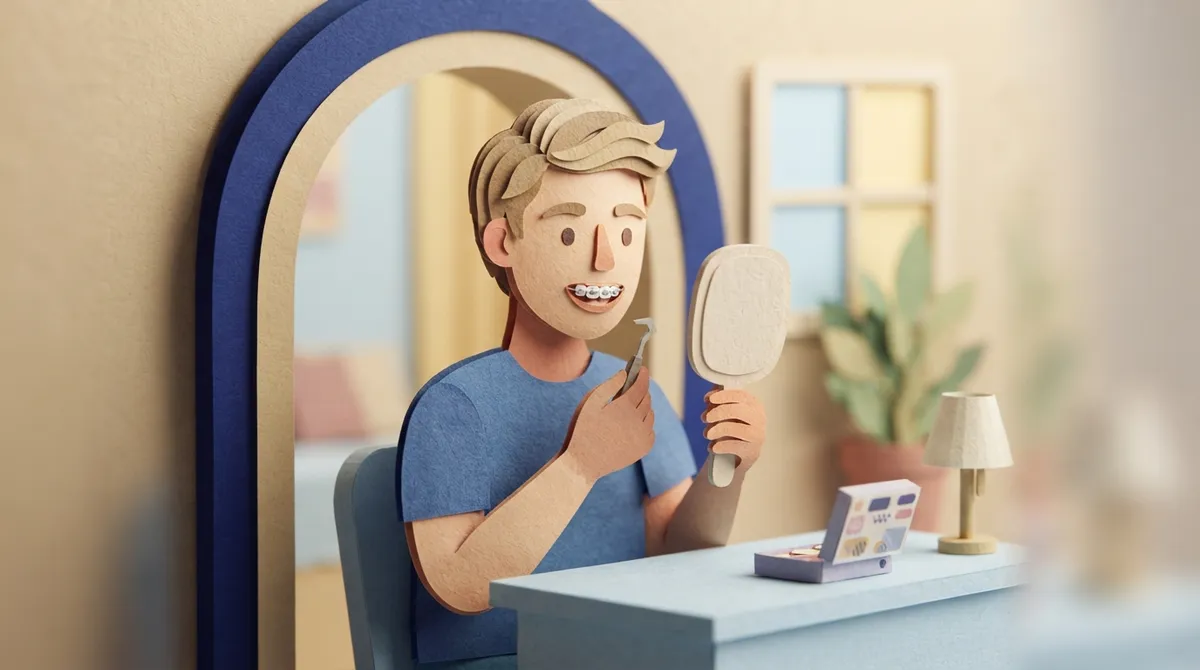
1. Stay Calm and Check What Kind of Problem You Have
Before you do anything, take a breath. A loose wire is annoying, but it is usually not a medical emergency. The first step in any loose wire fix is figuring out what is actually going on in your mouth.
Look in a mirror with good light. Ask yourself a few quick questions:
- Is the wire end sticking out toward the cheek or gum?
- Has the wire slipped out of a bracket or the small tube on a back tooth?
- Is a bracket loose or dangling along with the wire?
- Is there any cut, bleeding, or swelling?
Knowing the answers helps you choose the right next step. It also helps your orthodontic team give better advice when you call. If you are ever unsure whether your problem counts as urgent, our guide on broken bracket vs. poking wire can help you sort it out.

2. Wash Your Hands and Rinse Your Mouth
Clean hands matter here. You are about to touch the inside of your mouth, so wash your hands well with soap and water first. This keeps unwanted germs away from any irritated tissue.
Then rinse your mouth with warm water or a gentle warm salt-water rinse. Salt water can soothe sore spots from a poking wire and keep the area fresh. Mix about half a teaspoon of salt in a cup of warm water, swish gently, and spit.
This simple step takes less than a minute, but it sets you up for a safer, more comfortable fix.
3. Gently Reposition the Wire With a Soft Tool
If the wire end is poking your cheek or gum, you can often nudge it back into a better spot. This is the classic at-home loose wire fix, and the key word is gently.
- Use a clean cotton swab or the clean eraser end of a pencil.
- Find the sharp end of the wire.
- Press it softly toward your teeth, away from your cheek or gum.
- Stop if it does not move comfortably.
You are not trying to bend, straighten, or reshape the wire. You are simply moving it out of the way. If it resists, do not push harder. That is your cue to move on to the next step.
4. Cover Sharp Spots With Orthodontic Wax
Orthodontic relief wax is the unsung hero of every braces kit. If the wire will not move comfortably, cover the sharp area with a small piece of wax. It creates a smooth barrier between the wire and your soft tissue.
Here is how to use it well:
- Pinch off a small piece and roll it into a little ball.
- Dry the wire or bracket with a clean tissue so the wax sticks.
- Press the wax gently over the poking spot.
- Replace it as needed, especially after meals.
Remember that wax is a temporary comfort measure, not a repair. It buys you time and relief, but the wire still needs your orthodontist’s attention. Keep a small container in your backpack, car, or desk drawer so you are never caught off guard.
5. Know What Not to Do
When a wire is bothering you, it is tempting to take matters into your own hands. A few well-meant ideas can actually make things worse. Here is what to skip:
| Don’t Do This | Why It Is a Problem |
|---|---|
| Pull or yank on the wire | Can damage brackets and hurt your gums or cheeks |
| Bend or force the wire | May break the appliance or injure oral tissue |
| Cut the wire at home | Hard to do safely and can create a fragment you might swallow or inhale |
| Use sharp tools or random household items | Risk of cuts and infection |
The takeaway is simple: be gentle and keep it basic. If you want to see how DIY efforts compare with professional care, check out DIY wire fix vs. orthodontist visit.
6. Remove a Loose Wire Fragment Carefully
Sometimes a small piece of wire has already come completely free and is sitting in your mouth. If it is easy to reach, you can take it out carefully.
Use clean tweezers to grasp the fragment and lift it out. Then set it aside and bring it to your orthodontist. Keeping it helps the team understand what happened and decide what repair is needed.
Do not dig around or chase a fragment you cannot see or reach easily. If you think you may have swallowed or inhaled a piece, that is a different situation, and we will cover it in the emergency section below.
7. Soothe Irritated Cheeks and Gums
Even after you move or cover the wire, your cheek or gum might still feel sore. A little comfort care goes a long way.
- Warm salt-water rinses: Swish a few times a day to calm irritated tissue.
- Soft foods: Think yogurt, mashed potatoes, soup, and scrambled eggs.
- Cool treats: A little cold applesauce or a smoothie can feel wonderful.
- Pain relief: Use over-the-counter pain medicine only as directed on the label or by a clinician.
Your mouth is working hard while you wear braces, so be kind to it. Small cuts or sore spots usually settle down once the wire stops rubbing.
8. Adjust Your Eating and Brushing Habits for a Few Days
Hard and sticky foods are a common reason wires shift or break loose in the first place. While you wait for a repair, play it safe. Skip crunchy, chewy, and sticky snacks that could make the wire worse.
A quick guide can help you stay on track:
| Choose These | Avoid These |
|---|---|
| Soft pasta, rice, and eggs | Hard candy and nuts |
| Bananas and cooked veggies | Caramel, taffy, and gum |
| Smoothies and soups | Popcorn and hard pretzels |
Keep brushing, too. Just be gentle around the loose spot so you do not snag the wire. For more ideas, browse our friendly food guide for braces, and see our tips on foods to avoid with braces.
9. Call Your Orthodontist the Same Day
A home loose wire fix is only a bridge to proper care. Even if the wire feels better, it is smart to let your orthodontic office know. They can tell you whether you need an earlier visit or whether it can wait until your next scheduled appointment.
Call promptly if any of these are true:
- The wire stays painful even after you try the steps above.
- It has caused a cut or bleeding.
- The wire has come out of its tube or bracket.
- A bracket is loose or broken along with the wire.
At Brockway Orthodontics, our Clearwater team is happy to help families sort out wire and bracket problems quickly. You can learn more about how we handle urgent needs on our emergency orthodontist page, or read about emergency vs. routine orthodontics to understand what counts as what. If you would like a quick overview of what to do with a bracket issue, see our loose bracket fix guide.
10. Recognize When It Is a Real Emergency
Most loose wires are uncomfortable, not dangerous. Still, a few situations call for urgent medical or dental help right away. Please seek urgent care if you notice any of the following:
- Difficulty breathing or choking
- Suspected inhalation of a brace part
- Significant facial or jaw injury
- Bleeding that will not stop
- Severe swelling or severe pain
- A wire embedded in the tissue that you cannot manage safely
If you are ever unsure, it is always okay to call and ask. Your safety comes first, and our team would much rather hear from you early than have you worry alone. For more on the topic, the American Dental Association offers helpful general oral health guidance, and the Florida Association of Orthodontists is a good resource for learning about orthodontic care in our state.
Quick Reference: Your Loose Wire Fix at a Glance
Need a speedy cheat sheet? Here is the whole plan in one place.
- Check what is wrong and stay calm.
- Wash your hands and rinse with warm salt water.
- Gently nudge the wire with a cotton swab or pencil eraser.
- Cover sharp spots with orthodontic wax.
- Avoid pulling, bending, or cutting the wire.
- Remove any loose fragment with clean tweezers and save it.
- Soothe your mouth with soft foods and salt-water rinses.
- Skip hard and sticky foods until repaired.
- Call your orthodontist the same day.
- Seek urgent help for any true emergency signs.
Tips for Different Patients
Every smile journey looks a little different, so here are a few thoughts tailored to our community.
For Parents of Kids and Teens
Keep a small braces emergency kit in your car or your child’s backpack. Include orthodontic wax, a travel toothbrush, cotton swabs, and our office number. If your child is nervous, remind them that a poking wire is common and very fixable. You can learn more about what to expect in orthodontics for kids.
For Teens and Young Adults
Big event coming up, like prom, graduation, or senior photos? Do not wait if a wire is bothering you. A quick call can often get you in before the big day. Wax in your pocket is a lifesaver in the meantime.
For Adult Professionals and Retreatment Patients
Busy schedule? A loose wire does not have to derail your week. Wax and a quick call to the office can keep you comfortable through meetings while you arrange a repair. If you are returning for retreatment after relapse, we will make the process smooth and personalized. See our adult treatment options for more.
How to Prevent Loose Wires in the Future
A little prevention can save you lots of discomfort. Try these habits to keep your braces happy:
- Follow your food rules and skip hard or sticky snacks.
- Do not chew on pens, ice, or fingernails.
- Wear a mouthguard during sports.
- Brush gently and thoroughly after meals.
- Keep your regular adjustment appointments.
For daily care tips, our All About Braces page is a great place to start, and our guide to brushing with braces can help you keep things clean without snagging wires.
You Do Not Have to Handle It Alone
A loose wire can feel like a big deal in the moment, but it is a very common part of the braces experience. With a clean cotton swab, a bit of wax, and a quick call to your orthodontist, most cases can be made comfortable fast. The goal is simple: protect your mouth, avoid forceful fixes, and get the appliance properly repaired.
Dr. Brockway and our team believe in friendly, clear guidance, so you always know what to do next. Curious about the people behind the care? You can meet Dr. Brockway and learn how we help kids, teens, and adults across Clearwater. Want to hear from patients? You can also read Brockway Orthodontics reviews on Google.
If a wire is bothering you right now, don’t wait and wonder. Contact us and we will help you figure out the best next step, or book your appointment online to get your braces back on track. Your comfort and your confident smile matter to us.
FAQs
Q: How can I fix a loose wire on my braces at home?
A: Wash your hands, then gently press the poking wire toward your teeth with a clean cotton swab or pencil eraser. If it will not move comfortably, cover the sharp spot with orthodontic wax. It is a temporary fix, so be sure to call your orthodontist for a proper repair.
Q: Is it safe to cut a wire that is sticking out of my braces?
A: It is best not to cut it yourself unless your orthodontist specifically tells you to. Cutting can be tricky and may leave a small fragment that could be swallowed or inhaled. Use wax for comfort and give our office a call instead.
Q: Should I call my orthodontist if a wire comes out of a bracket?
A: Yes, please do! A wire that has slipped out of a bracket or tube needs to be repaired, and our team can tell you whether you need to come in sooner or whether it can wait until your next visit.
Q: When is a loose braces wire an emergency?
A: Most loose wires are not emergencies, but get urgent help if you have trouble breathing, think you inhaled a brace part, or have uncontrolled bleeding, severe swelling, severe pain, or a significant injury to your face or jaw. When in doubt, call us and we will guide you.
Our Service Area