Key Takeaways
-
Dry the bracket or wire with a clean tissue or gauze before applying wax, since wax sticks best to a dry surface and a wet surface leads to a weak hold.
-
Pinch off a pea-sized piece, roll it between your fingers for 5-10 seconds to soften it, flatten it slightly, then press it over the irritating spot and smooth the edges.
-
Brush and floss before applying wax to avoid trapping food and plaque underneath, or rinse thoroughly with water if you can't brush.
-
Remove wax before eating so you don't swallow it, then brush and apply a fresh piece afterward; wax can generally be worn overnight.
-
Never reuse wax; replace it whenever it loosens, gets dirty, or after eating and cleaning your teeth.
-
Call your orthodontist if a wire keeps poking, a bracket is loose or broken, pain worsens, or sores don't heal, since wax is only a short-term comfort tool, not a repair.
If you have ever bitten the inside of your cheek on a new bracket, you know how fast a tiny piece of metal can ruin your day. The good news? A little ball of wax can fix it. Knowing how to use orthodontic wax is one of the easiest ways to stay comfortable in your first weeks of braces, and it stays handy long after that.
Orthodontic wax is a soft, safe barrier. It covers a bracket, hook, or wire that rubs your lips or cheeks. It will not fix a broken part, but it gives your mouth a break while you heal or wait for your visit. This friendly guide walks you through nine simple steps, plus common mistakes, helpful tips, and when to call your orthodontist. Whether you are a teen with new braces, a parent helping a child, or an adult professional with a busy schedule, you will find clear, no-stress answers here.

What Is Orthodontic Wax and Why Does It Help?
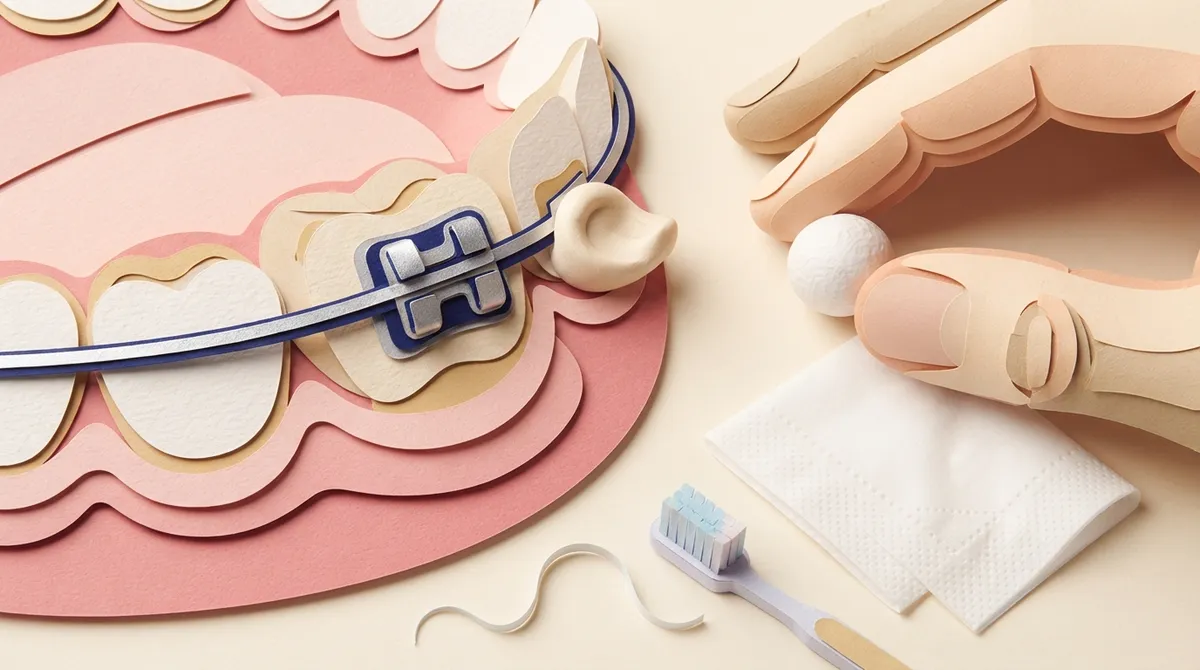
Orthodontic wax is a small, soft piece of food-safe wax. You press it over the part of your braces that is causing irritation. It acts like a cushion between metal and tender skin inside your mouth.
Here is what it does well:
- Reduces friction: It stops brackets and wires from rubbing your cheeks and lips.
- Gives sore spots time to heal: Irritated tissue can calm down when it is not poked all day.
- Offers quick comfort: You can apply it in under a minute, almost anywhere.
What it does not do is repair anything. If a wire is loose or a bracket is broken, wax is only a short-term patch. We will cover when to call for help a little later.
When Do You Need Orthodontic Wax?
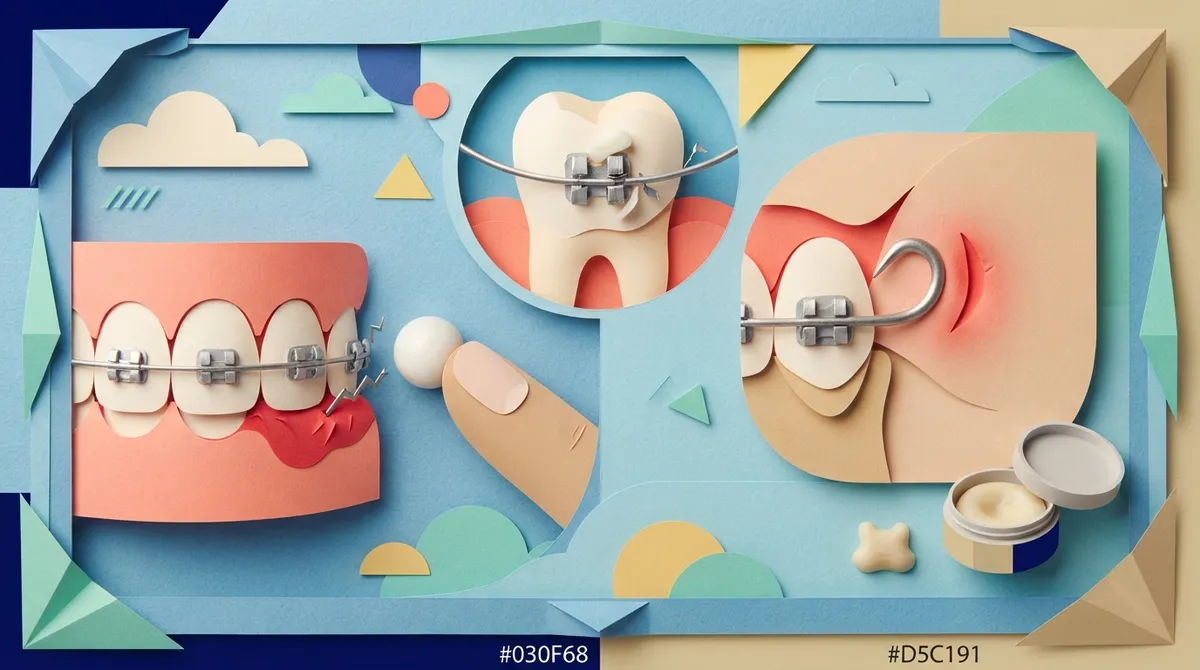
Most people reach for wax during the first few weeks of treatment. Your mouth is still getting used to the new hardware, so rubbing is common. You may also want it after an adjustment visit, when a wire end or bracket edge feels extra sharp.
Wax is also useful with other orthodontic appliances. Some patients use it on expanders or rough edges, too. If something in your mouth feels scratchy, wax is a smart first step. To learn what to expect overall, check out our guide on 14 things to expect your first week with braces.
9 Steps to Use Orthodontic Wax the Right Way
Follow these steps and you will get the best hold and the cleanest result. Think of it as a quick routine you can master in a day or two.
1. Wash and Dry Your Hands
Start with clean hands. This keeps bacteria out of your mouth and keeps the wax clean, too. Soap, warm water, and a quick towel dry are all you need.
2. Brush and Floss First
If you can, brush and floss before you apply wax. This helps avoid trapping food and plaque under the wax. No time to brush? Rinse your mouth well with water instead. Need a refresher on technique? Our 7 smart steps to brush teeth with braces will help.
3. Find the Spot That Is Bothering You
Use your tongue or a clean fingertip to find the irritating part. It may be a bracket corner, a hook, or the end of a wire. A small mirror can help you see it clearly. Knowing the exact spot means you use less wax and get better coverage.
4. Dry the Bracket or Wire
This step is easy to skip, but it matters. Wax sticks best to a dry surface. Dab the area gently with a clean tissue or piece of gauze. You do not need it perfectly dry, just as dry as you can reasonably get it.
5. Pinch Off a Small Piece
Pull off a piece about the size of a small pea. Using too much can feel bulky, and it may make your lips feel pushed out. You can always add more if you need it.
6. Roll It Between Your Fingers
Roll the wax into a small ball. The warmth from your fingers softens it and makes it easier to shape. Give it about five to ten seconds.
7. Flatten It Slightly
Press the ball gently so it becomes a tiny disc or oval. A flatter shape sticks better and feels smoother against your cheek.
8. Press It Over the Irritating Part
Place the wax over the bracket or wire and press it on. Smooth the edges with your fingertip so no rough spots remain. Run your tongue over it. If the sharp edge is still easy to feel, add a tiny bit more wax.
9. Replace It When Needed
Wax does not last forever. Swap it out when it loosens, gets dirty, or after you eat and clean your teeth. Always use a fresh piece rather than reusing an old one.
Quick Reference: Orthodontic Wax Dos and Don’ts
| Do | Don’t |
|---|---|
| Use a pea-sized piece | Use a huge glob that feels bulky |
| Dry the bracket or wire first | Press wax onto a wet surface |
| Roll and soften it in your fingers | Apply hard, cold wax straight from the case |
| Replace with a fresh piece when dirty | Reuse old wax |
| Remove it gently with clean fingers | Pick at it with sharp tools |
| Call your orthodontist if the problem continues | Rely on wax for a broken appliance |
Can You Eat or Sleep With Orthodontic Wax On?
This is one of the most common questions we hear, so let’s clear it up.
Eating With Wax
Advice on eating with wax varies, but the safest habit is simple. Take the wax off before you eat. That way you will not swallow it or knock it loose into your food. After your meal, brush your teeth and put on a fresh piece if you still need it.
Pairing wax with smart food choices also helps your mouth heal. Here is our friendly list of what you can eat with braces.
Sleeping With Wax
Yes, you can generally wear wax overnight. It can keep a poking wire from irritating your cheek while you sleep. Still, a small piece may come loose in the night. If you wake up and find it on your pillow, do not worry. Simply put on a new piece in the morning after you brush.
How to Remove Orthodontic Wax Safely
Taking wax off is easy when you stay gentle. Here is how:
- Wash your hands.
- Peel the wax off with your clean fingers, or lift it with a soft toothbrush.
- Throw it away. Do not reuse it.
- Brush and floss around the area to clear away any leftover bits.
Avoid sharp tools like pins or fingernails scraping at brackets. They can hurt your gums or damage your braces.
Common Orthodontic Wax Mistakes to Avoid
A few small slips can make wax less helpful. Watch out for these:
- Skipping the dry step: Wet metal means a weak hold.
- Using too much: A big lump can bother your lips more than the bracket did.
- Forgetting to clean first: Food stuck under wax can lead to plaque buildup.
- Leaving old wax on for days: It gets dirty and loses its grip.
- Treating it as a cure: Wax is a comfort tool, not a repair.
Bigger braces slip-ups can slow your smile down, too. Read about braces treatment mistakes you should never make to stay on track.
Tips for Different Types of Patients
Every smile is different, so here are a few friendly tips based on who you are.
For Parents Helping Kids
Keep a small wax case in your child’s backpack, your car, and the bathroom drawer. Show them the steps once, and let them practice. Kids learn fast, and most can apply wax on their own within a few days. If your child is just starting out, our guide to orthodontics for kids gives helpful background.
For Teens and Young Adults
Pop a wax case in your pocket or purse before school, sports, or events. A quick fix in the restroom takes less than a minute. If you play an instrument or a contact sport, ask your orthodontist about other protection, too.
For Busy Adult Professionals
Keep wax in your desk, laptop bag, and car. Before a big meeting or presentation, apply a fresh piece so you can focus on the work instead of a sore cheek. Discreet and quick, wax fits right into a busy day. Curious about options? See our page on adult treatment.
When Wax Is Not Enough: Call Your Orthodontist
Wax is a great short-term helper. Still, some problems need a professional. Reach out to your orthodontist if you notice any of the following:
- A wire keeps poking even with wax on it
- A bracket is loose or has come off
- Pain gets worse instead of better
- Sores do not improve after several days
- A broken piece of the appliance is in your mouth
If you ever have a serious injury, or trouble breathing or swallowing, seek urgent care right away. For more guidance, our post on emergency vs. routine orthodontics explains what counts as urgent. You can also learn about broken brackets vs. poking wires.
And please, do not try to bend or cut a wire yourself. A quick visit is safer and keeps your treatment on track. Our guide on DIY wire fixes vs. an orthodontist visit shows why.
How Brockway Orthodontics Can Help
At Brockway Orthodontics in Clearwater, Florida, Dr. Brockway and our team want you to feel comfortable every step of the way. We explain your treatment in plain, friendly language, and we are happy to show you exactly how to apply wax during your visit. Whether you wear metal braces, ceramic braces, or Spark™ Clear Aligners, we tailor care to your needs. Curious about all about braces? We have you covered. You can also see what our patients say by visiting our Brockway Orthodontics page on Google.
Looking for more professional guidance on oral health? The American Dental Association shares helpful everyday tips, and the Florida Association of Orthodontists offers patient resources. You can also keep up with us on Facebook for news and smile inspiration.
Final Thoughts: Comfort Is Within Reach
Learning how to use orthodontic wax is a small skill with a big payoff. A pea-sized piece, a dry bracket, and a gentle press are all it takes to turn a rough day into a comfortable one. Keep a case handy, replace the wax when it gets dirty, and call your orthodontist when a problem sticks around.
Your smile journey should feel good, not painful. If something feels off, or you simply want expert advice, we are here for you. Book your appointment online today, or contact us with any questions. We cannot wait to help you smile with confidence!
FAQs
Q: How do you put orthodontic wax on braces?
A: Wash and dry your hands, then dry the bracket or wire as best you can. Pinch off a pea-sized piece, roll it between your fingers to soften it, flatten it a little, and press it over the part that is rubbing. Smooth the edges so nothing feels sharp!
Q: Can you eat or sleep with orthodontic wax on?
A: You can usually sleep with wax on, which helps if a wire pokes at night. For meals, it is smart to take it off first so you do not swallow it, then brush and add a fresh piece afterward if you need it.
Q: How often should I replace orthodontic wax, and can I reuse it?
A: Replace wax whenever it comes loose, gets dirty, or after you eat and clean your teeth. Please do not reuse it. A fresh piece sticks better and keeps your mouth cleaner.
Q: How do I remove orthodontic wax from braces?
A: Just peel it off gently with clean fingers or lift it with a soft toothbrush, then toss it out. Skip sharp tools, since they can scratch your gums or harm your braces. Brush around the area afterward to clear any leftovers.
Q: When should I call my orthodontist instead of using wax?
A: Call us if a wire keeps poking, a bracket is loose or broken, pain gets worse, or sores do not heal. Wax is only a short-term comfort tool, so we are happy to fix the real problem for you.
Our Service Area