Key Takeaways
-
Teeth can shift throughout adulthood because the ligaments and bone supporting them keep remodeling, so mild crowding, especially of lower front teeth, is common even without treatment.
-
Orthodontic relapse is one of the most common causes of shifting after braces or aligners, and skipping or inconsistently wearing your retainer is a major contributor.
-
If your retainer feels tight, painful, or won't seat fully, do not force it; call your orthodontist, since this usually signals that your teeth have moved.
-
Gum disease (periodontitis) can loosen teeth and change your bite, so bleeding gums, gum recession, or loose teeth warrant a prompt dental evaluation.
-
A missing tooth can cause neighboring teeth to tilt into the gap and opposing teeth to move, so replacing missing teeth helps protect your bite.
-
Grinding or clenching, often at night, can add force that shifts teeth, so ask about a night guard if you notice jaw soreness or worn teeth.
Have you ever looked in the mirror and thought, “Wait, did my bottom teeth always look like that?” You are not alone. Many of us notice small changes in our smiles as the years go by, and it can feel a little surprising. The good news? There are clear reasons behind teeth shifting with age, and there are friendly, effective ways to handle it.
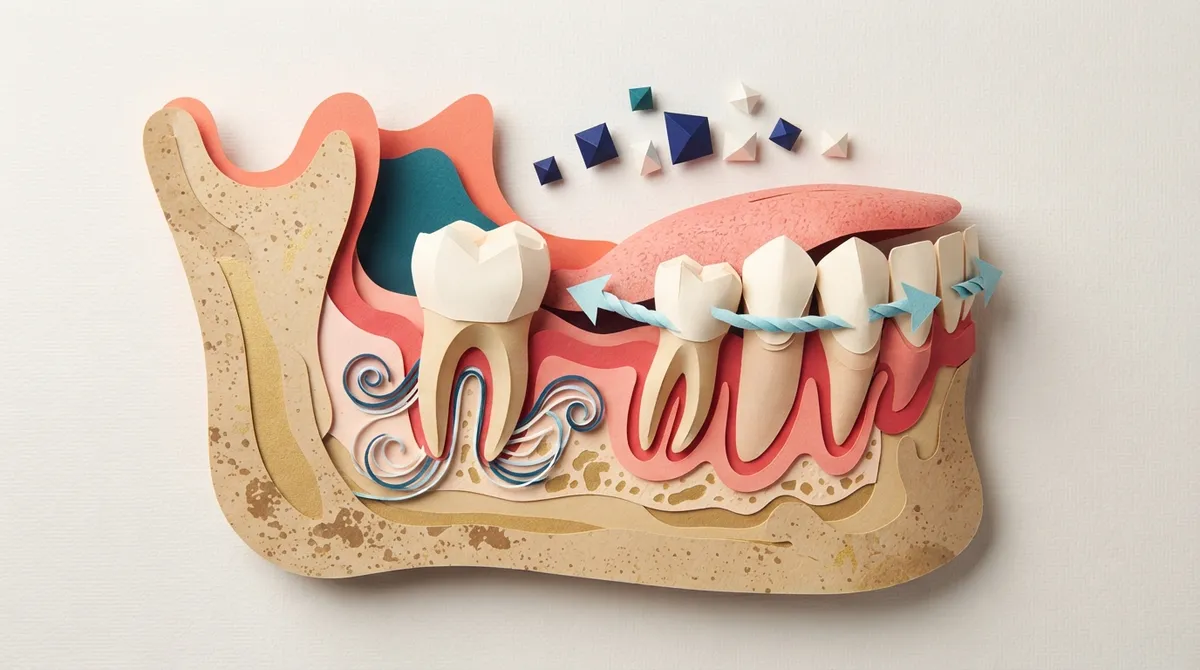
Here is the big picture. Your teeth are not set in concrete. They sit in bone and are held by a stretchy tissue called the periodontal ligament. That tissue stays active your whole life, so your teeth can respond to everyday forces and slowly move over time. Age is part of the story, but it is rarely the whole story.
In this guide, we will walk through seven common reasons teeth move, what signs to watch for, and what you can do about it. Whether you wore braces as a teen, are a parent wondering about your own smile, or simply feel like your teeth look different lately, you will find helpful answers here. Let’s dive in!
Why Teeth Shifting With Age Happens in the First Place
Teeth live in a busy neighborhood. Bone, gums, ligaments, your tongue, your lips, and your bite all push and pull on them every day. Because the tissues around your teeth stay biologically active throughout adulthood, they keep responding to those forces.
For many people, this shows up as mild, gradual change. A common example is crowding of the lower front teeth. The change is usually slow, so you may not notice it until you compare an old photo to a new one.
It is also important to know that age alone does not explain every change. Often, something else is giving the movement a nudge. Let’s look at the top seven reasons.
1. Natural Changes in Supporting Tissues
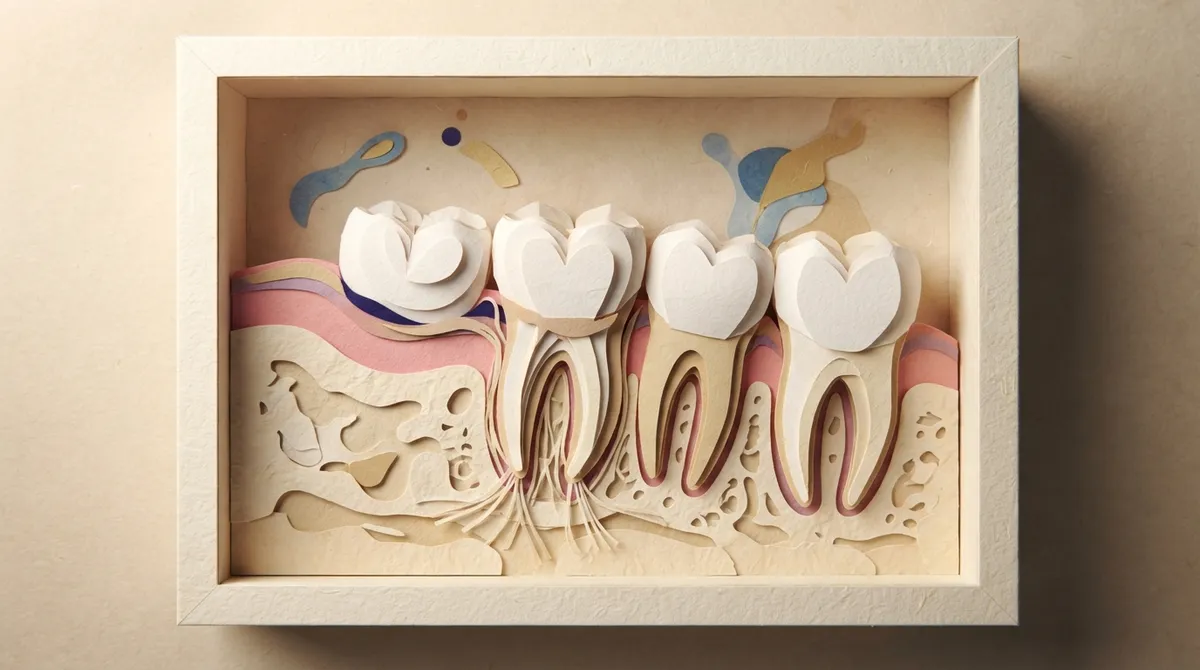
The ligament and bone that hold your teeth keep remodeling all through life. That is the same process that lets braces and aligners work. It also means your teeth can drift a little, even when you are not in treatment.
Most people see this as slight crowding, especially on the bottom front teeth. Dental professionals describe this gradual change as common in adults, though there is no single number that tells us how many people experience it.
The takeaway: a tiny bit of movement can be normal. But if you notice a fast or dramatic change, it is worth a check-up.
2. Orthodontic Relapse After Braces or Aligners
This one is a big deal, especially for our readers who have already had treatment. Orthodontic relapse happens when teeth slowly move back toward their old positions. It is one of the most common reasons for shifting after braces or clear aligners.
Here is the key idea: braces and aligners move teeth, but they do not lock them there forever. Teeth need support while the bone and ligaments settle into their new setup. Without that support, they may wander back.
Signs of Relapse to Watch For
- Lower front teeth starting to overlap again
- Small gaps reopening between teeth
- A retainer that feels tight or no longer slides on easily
- A bite that feels a little “off” compared to right after treatment
If this sounds familiar, take a deep breath. Relapse is common, and it is very treatable. Many adults come back for a quick tune-up and leave smiling again.
3. Not Wearing Your Retainer as Directed
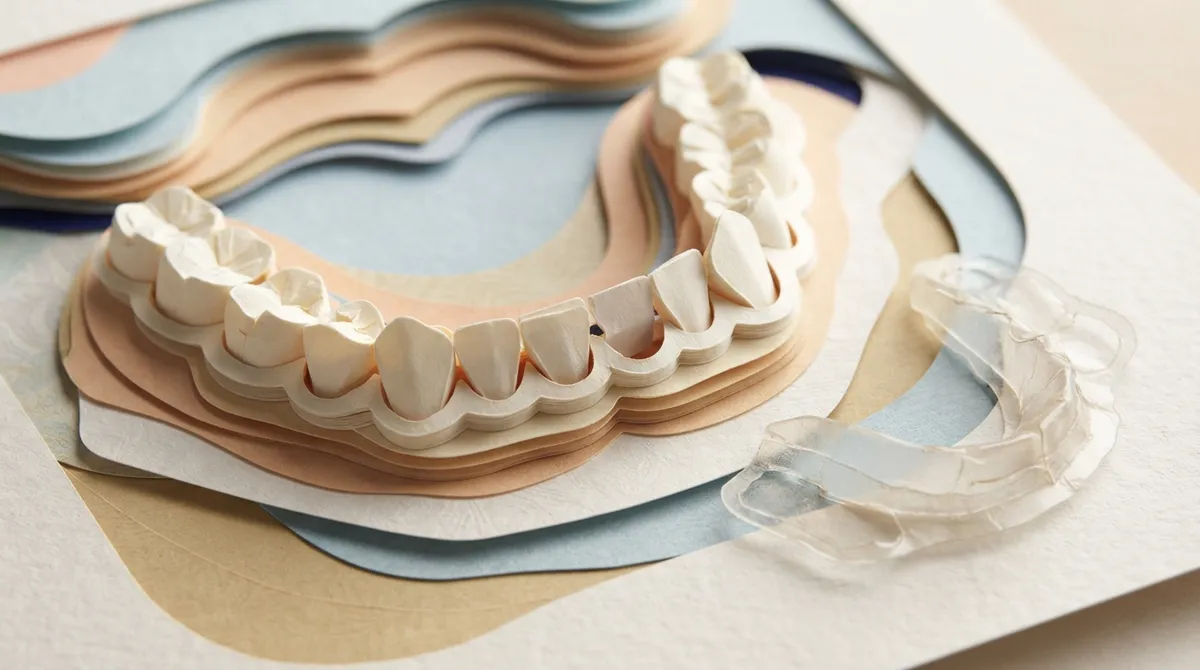
Retainers are the unsung heroes of a lasting smile. They hold your teeth in place while the surrounding tissues adapt. The American Association of Orthodontists notes that many patients need some degree of long-term retainer wear, often at night.
The exact schedule depends on you and your treatment, so your orthodontist should set it. There is no one-size-fits-all plan. You can learn more about options on our retainers page, or read our friendly guide on how to wear a retainer after braces and keep your smile.
Quick Retainer Tips
- Wear your retainer exactly as your orthodontist advised.
- Keep it clean and store it in its case, not a napkin.
- Bring it to your check-ups so we can make sure it still fits well.
- Never force a retainer that hurts or will not seat all the way. Call your orthodontist instead.
If your retainer is lost or damaged, do not wait. Here is a quick guide on what to do if your retainer breaks.
4. Gum Disease and Bone Loss
Healthy gums and bone are the foundation for a steady smile. When that foundation weakens, teeth can move. Periodontitis, a serious form of gum disease, can damage the gums and bone that support your teeth.
In advanced cases, teeth may loosen, spread apart, flare out, or change how they meet when you bite. The CDC reports that about 42% of U.S. adults aged 30 and older had periodontitis during 2009 to 2014, and it became more common with age. That is a population-level number, not a measure of how many people see tooth shifting, but it shows why gum health matters so much.
Warning Signs That Need Attention
- Bleeding or swollen gums
- Gums pulling back (recession)
- Teeth that feel loose
- New spaces or a changing bite, along with any of the above
If you spot these, see your dentist right away. Healthy gums come first, and orthodontic care works best when the foundation is strong. Our team cares about whole-mouth health, so adult treatment always starts with a careful look at your gums and bone.
5. Missing Teeth and Open Spaces
Think of your teeth like a row of friends standing shoulder to shoulder. When one leaves, the others lean in to fill the gap. A missing tooth can let neighboring teeth tilt or drift into the empty space. Over time, this may change your bite.
Teeth on the opposite jaw can also move up or down when they no longer have a partner to meet. That can lead to chewing trouble or uneven wear.
The good news is that this can be addressed. A dentist can talk with you about ways to replace a missing tooth, and an orthodontist can tell you whether moving teeth back into better positions makes sense. If this is on your mind, you may like our post on getting braces with missing teeth.
6. Grinding, Clenching, and Other Bite Forces
Stress, sleep habits, and even daily routines can put extra force on your teeth. Grinding or clenching, often at night, adds pressure that may contribute to changes in tooth position or bite. Injury to a tooth or jaw can do the same.
These factors can team up with age or relapse, which is why shifting is not always easy to pin on one cause. Other habits can play a role too, such as tongue pressure or long-term mouth habits.
If you wake up with a sore jaw, notice flat or worn teeth, or hear grinding from a partner, mention it at your next visit. Simple steps, like a protective night guard, may help protect your smile.
7. Changes in Your Bite Over the Years
Your bite is the way your upper and lower teeth meet. As teeth wear, shift, or change from the factors above, your bite can slowly change too. A deep overbite, crossbite, or crowding that was mild years ago may become more noticeable.
If your bite has changed, treatment can often help. Curious about one common concern? Read how braces fix a deep overbite.
Quick Comparison: Common Causes of Tooth Movement
| Cause | What You May Notice | Best First Step |
|---|---|---|
| Natural tissue changes | Slow, mild crowding, often lower front teeth | Routine check-up and monitoring |
| Orthodontic relapse | Overlap or gaps returning after treatment | Visit your orthodontist; resume retainer wear if advised |
| Skipped retainer wear | Tight or ill-fitting retainer | Do not force it; call your orthodontist |
| Gum disease | Bleeding gums, recession, loose teeth | Prompt dental evaluation |
| Missing tooth | Neighboring teeth tilting into a gap | Discuss replacement and alignment options |
| Grinding or clenching | Jaw soreness, worn teeth | Ask about a night guard and bite check |
What to Do If You Notice Your Teeth Moving
First, do not panic. Small changes are common, and many causes are easy to manage. Here is a simple plan.
- Take photos. Snap a clear smile photo today and compare it later. It helps you see whether changes are speeding up.
- Check your retainer. If it feels tight, painful, or will not fit, stop and call your orthodontist.
- Look at your gums. Bleeding, swelling, or loose teeth call for a dental visit soon.
- Book an exam. An orthodontist or dentist can review your movement pattern, bite, gum health, missing teeth, and treatment history to find the likely cause.
A professional check is the best way to know what is really going on. Not sure what to expect? Here is what happens during an orthodontic exam, and you can also see your first visit at our office.
Treatment Options for Shifted Teeth in Adults
The right fix depends on how much your teeth have moved and why. Here are common paths.
- Clear aligners: A discreet, comfortable option that works well for many mild to moderate cases. Our Spark™ Clear Aligners are a more affordable alternative to Invisalign and are popular with busy professionals.
- Metal or ceramic braces: A strong choice for more complex shifting. Learn more in All About Braces.
- New or updated retainers: Sometimes a fresh retainer is all you need to stop further movement or guide a small shift back.
- Gum care first: If gum disease is part of the picture, treating it comes before moving teeth.
Wondering which path fits your lifestyle? Our comparison of clear aligners vs. braces can help you think it through. And if you are worried about age, take heart: there are many truths about being too old for braces that may surprise you. Healthy teeth can be moved at many ages.
How to Help Prevent Teeth From Shifting
You cannot stop time, but you can give your smile a lot of support. Try these habits.
- Wear your retainer as directed, even years after treatment
- Brush twice a day and floss daily to protect your gums
- Keep up with dental cleanings and orthodontic check-ups
- Replace missing teeth rather than leaving a long-term gap
- Ask about a night guard if you grind or clench
These small steps add up. Prevention is much easier, and often more affordable, than correcting a bigger change later.
A Note for Parents and Teens
If you are a parent, here is a gentle reminder: the habits your child builds during treatment matter for life. Teaching teens to wear their retainers can protect the investment you have both made. Parents often find our guide to adolescent treatment helpful, and for younger kids, check out early treatment.
And for teens and young adults, your smile is worth protecting after the braces come off. Think of your retainer as your smile’s best friend. It keeps all that hard work looking great for graduations, new jobs, and every big moment ahead.
Why Choose Brockway Orthodontics for Shifted Teeth
At Brockway Orthodontics in Clearwater, Florida, we help patients of all ages, including adults coming back for retreatment after relapse. Dr. Brockway takes time to listen to your goals, explain your options in plain language, and build a plan that fits your life. We use modern tools like digital impressions and 3D imaging, so planning is precise and comfortable.
Many patients love that we welcome the whole family. If you want to hear from real people, see what others say by visiting our Brockway Orthodontics location on Google. For professional standards in our field, you can also explore the Florida Association of Orthodontists and the American Dental Association.
Ready to Take the Next Step?
Teeth shifting with age is common, and it is not something you have to simply live with. Whether your change is small and slow or you have noticed a bigger shift after braces, there is a friendly path forward. The sooner you get answers, the more options you tend to have.
Ready to find out what is going on with your smile? Book your appointment online and let our team take a look. Prefer to chat first? You are always welcome to contact us with questions. We cannot wait to help you feel confident and happy with your smile!
FAQs
Q: Is it normal for teeth to shift as you get older?
A: Yes, a little movement is normal. The tissues that hold your teeth stay active throughout life, so mild changes, like slight crowding of the lower front teeth, can happen. If the change is fast or comes with bleeding gums or loose teeth, it is a good idea to get checked.
Q: Can teeth shift years after braces or Invisalign?
A: Absolutely. Orthodontic treatment does not permanently stop future movement, so teeth can drift back toward their old positions if retainers are not worn as directed. Following your orthodontist’s retainer plan is the best way to protect your results.
Q: What should I do if my retainer feels tight or no longer fits?
A: Please do not force it! A retainer that is painful or will not seat fully is a sign your teeth may have moved. Call your orthodontist so they can check your teeth and advise you on the safest next step.
Q: Can gum disease cause teeth to move or become loose?
A: Yes. Periodontitis can damage the gums and bone that support your teeth, which may cause teeth to loosen, spread, or change your bite. If you notice new movement along with bleeding gums, recession, or looseness, see a dental professional promptly.
Q: Can a missing tooth make nearby teeth shift?
A: It sure can. Neighboring teeth may tilt or drift into the empty space, which can change your bite over time. A dentist or orthodontist can talk with you about replacement and alignment options.
Our Service Area