Key Takeaways
-
Traditional metal braces are a system of parts, not one material: stainless-steel brackets and bands, an archwire (nickel-titanium, stainless steel, or beta-titanium), and small ties or clips.
-
Archwire material changes during treatment: flexible nickel-titanium is often used early for gentle pressure, while stiffer stainless steel is typically used later for control and finishing.
-
Many orthodontic metals contain nickel; stainless-steel parts commonly have about 8% nickel and nickel-titanium wire may contain 50% or more, so flag any nickel allergy at your first visit.
-
If you have a nickel sensitivity, options may include titanium or ceramic brackets and nickel-free beta-titanium wires, though most nickel-sensitive patients tolerate stainless steel.
-
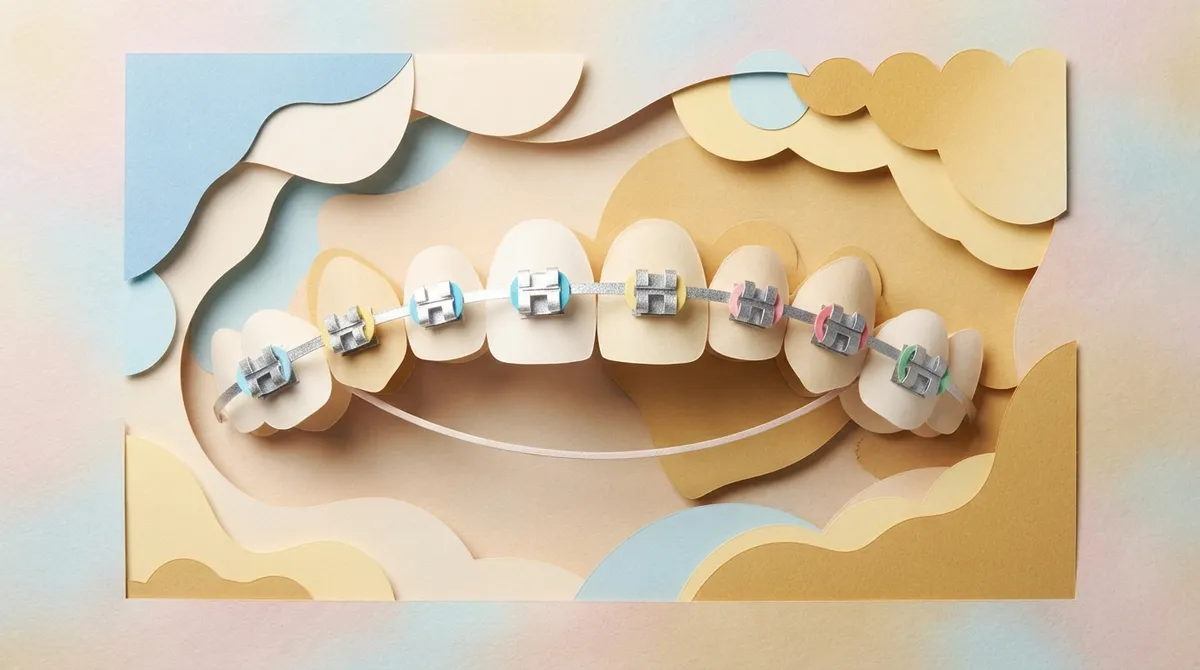
Colorful ties are usually elastomeric rubber-like rings, while some braces use thin metal ties or self-ligating brackets with built-in clips instead.
-
Protect your braces by brushing after meals, flossing daily, avoiding hard or sticky foods that can bend wires or break brackets, and wearing your retainer after treatment.
If you or your child is getting braces, you may be wondering, “What are metal braces made of, anyway?” It is a great question! Those shiny little brackets and wires do some serious work, and knowing what they are made of can help you feel more comfortable about the whole process.
Here is the short answer. Traditional metal braces are not made from one single material. They are a system of parts. Brackets and bands are usually made of medical-grade stainless steel. The archwire may be nickel-titanium, stainless steel, or beta-titanium. Small ties or clips hold the wire in place.
In this guide, we will walk through each part in plain English. We will also talk about nickel allergies, how wires change during treatment, and what to ask your orthodontist. Whether you are a parent, a teen, or an adult thinking about braces, you will leave feeling more confident and informed.
Metal Braces Are a System, Not a Single Material
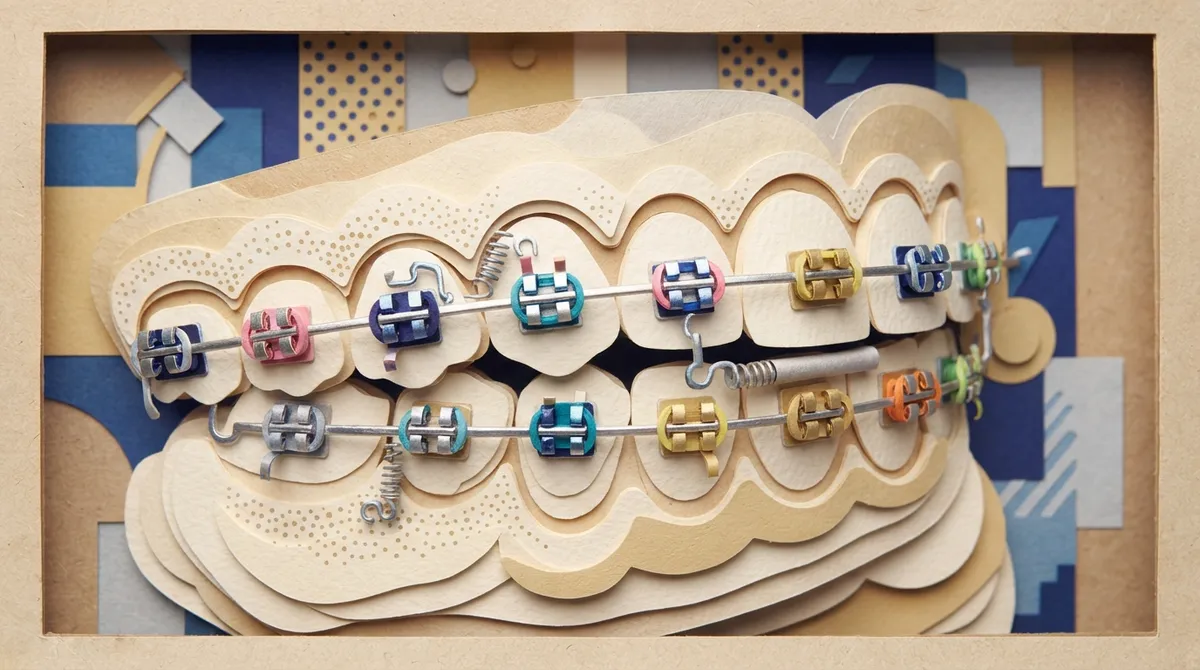
Many people picture braces as one piece of metal glued to the teeth. In real life, braces are a team of small parts working together. Each part has its own job, and each is made from a material chosen for that job.
Here are the main parts of traditional metal braces:
- Brackets: Small squares bonded to the front of each tooth.
- Archwire: The thin wire that runs through the brackets and guides tooth movement.
- Ligatures or clips: The tiny ties or built-in clips that hold the wire in the bracket.
- Molar bands: Metal rings that wrap around back teeth in some cases.
The exact mix of materials can change from patient to patient. It can even change during your own treatment. Your orthodontist picks parts based on the forces and tooth movements your smile needs. If you want the big picture of how it all fits together, our page on all about braces is a great place to start.
What Are Metal Braces Made Of? Part by Part
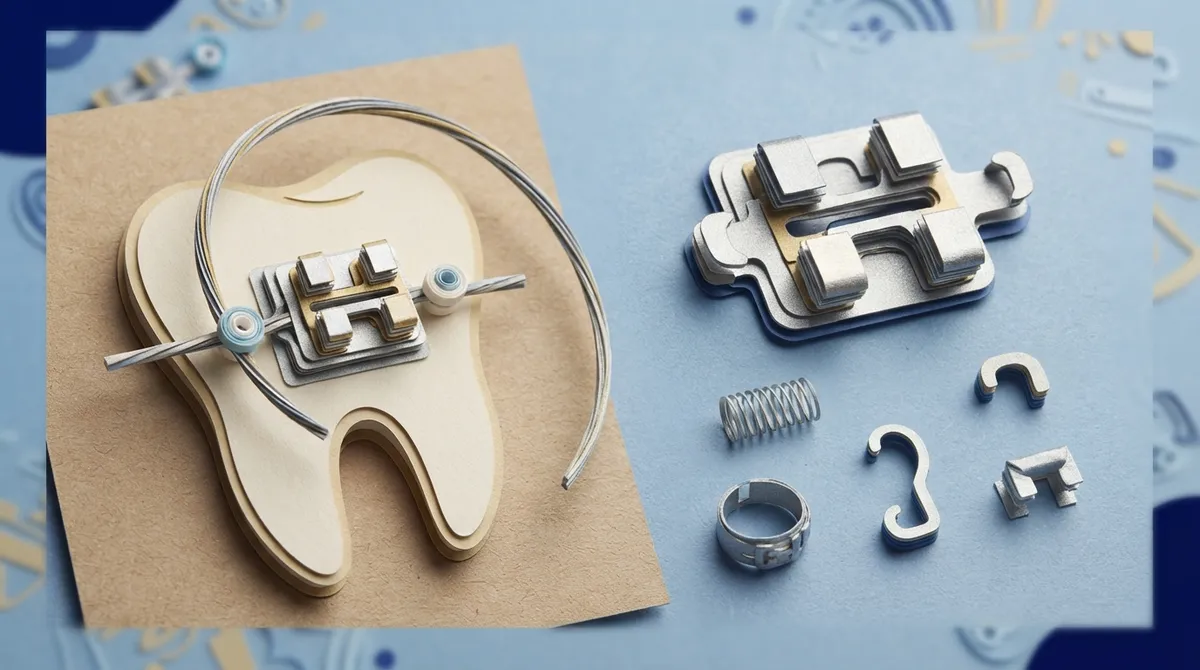
Now let’s answer the big question in detail. Here is a quick look at each part and what it is usually made from.
| Braces Part | Common Materials | What It Does |
|---|---|---|
| Brackets | Medical-grade stainless steel | Anchor the wire to each tooth |
| Molar bands | Stainless steel | Wrap around back teeth for extra grip |
| Archwire | Nickel-titanium, stainless steel, beta-titanium (TMA) | Applies steady pressure to move teeth |
| Ligatures | Elastomeric (rubber-like) rings or metal ties | Hold the wire inside the bracket |
| Self-ligating clips | Built-in metal clip (designs vary) | Replace separate ties on some brackets |
Let’s break these down so each one makes sense.
Brackets and Bands: Stainless Steel
Brackets and molar bands are commonly made from medical-grade stainless steel. Stainless steel is a metal mix, called an alloy. It contains iron and chromium, and often some nickel too. The exact recipe varies by product and manufacturer.
Why stainless steel? It is strong, it resists rust, and it holds up well to chewing, brushing, and daily life in your mouth. That is why metal braces are known for being tough and dependable.
Archwires: The Part That Changes
The archwire is where things get interesting. Your wire is not always the same from start to finish. Your orthodontist swaps it out at different stages, and each type has a different personality.
- Nickel-titanium (NiTi): Flexible and springy. It is often used early because it gives lighter, steady pressure while teeth are still crooked.
- Stainless steel: Stiffer and stronger. It is often used later for control and finishing touches.
- Beta-titanium (TMA): Also called titanium-molybdenum alloy. It sits between NiTi and steel in stiffness and does not contain nickel.
- Cobalt-chromium: Another option your orthodontist may choose for specific needs.
Think of it like a workout plan. You start with gentle moves, then work up to stronger, more precise ones. A 2023 systematic review of orthodontic metallurgy found nickel-titanium was the most commonly used wire alloy among the studies it reviewed, with stainless steel a close second.
Ties and Clips: Holding It All Together
The little ties on your braces are called ligatures. Many are small elastomeric rings. That is a fancy word for rubber-like. They come in lots of colors, which makes them a fun way for kids and teens to show off their style.
Some ties are thin metal wires instead. Other braces use self-ligating brackets, which have a built-in clip and skip the separate tie. Designs and materials vary by product, so ask your orthodontist what they use.
Does Metal Braces Material Contain Nickel?
Yes, many orthodontic metals contain some nickel. This matters because nickel is a common cause of metal allergies. Let’s look at the numbers.
The British Orthodontic Society reports that stainless-steel orthodontic parts commonly contain about 8% nickel. Nickel-titanium wire may contain 50% or more nickel by alloy composition. These are general figures, not exact specs for every product.
Here is the good news. According to the same guidance, most nickel-sensitive patients tolerate stainless-steel parts inside the mouth. Still, every person is different, so it is smart to have a conversation with your orthodontist. If you want to read more on the topic, this overview on allergy and orthodontics from the National Institutes of Health is a helpful resource.
What If You Have a Nickel Allergy?
If you know or suspect you have a nickel allergy, please tell your orthodontist at your very first visit. You can learn what to expect at your first visit with us. It is a simple step that helps keep you comfortable.
Here is what you can do:
- Share your history. Mention any reactions to jewelry, watches, belt buckles, or earrings.
- Ask about options. Titanium or ceramic brackets may be possible, depending on your needs.
- Discuss wire choices. Nickel-free options such as beta-titanium or pure titanium may be available.
- Don’t assume the worst. Stainless steel is often fine, but your orthodontist will assess you individually.
- Speak up during treatment. If you notice mouth irritation, swelling, or a rash, call your orthodontist.
The right answer depends on your health and your treatment plan. A friendly chat up front can save you a lot of worry later.
Why Orthodontists Still Love Metal Braces
Metal braces have been around for a long time, and for good reason. They are reliable, strong, and effective for many bite and alignment problems, from mild crowding to more complex cases.
Here are some reasons families choose them:
- Strength: Stainless steel stands up well to active kids and busy adults.
- Versatility: They can handle many different tooth movements.
- Fun factor: Colorful ties let kids and teens make braces their own.
- Value: They are often a budget-friendly choice. Our guide to metal braces benefits, cost, and what to expect in 2026 goes deeper on this.
If you are weighing your choices, you may also enjoy our comparison of metal vs. clear braces for adults. Every smile is different, and there is no single best answer for everyone.
Metal Braces vs. Other Options at a Glance
Metal braces are one of several ways to straighten teeth. At Brockway Orthodontics, we offer metal braces, ceramic (clear) braces, and Spark™ Clear Aligners, a more affordable alternative to Invisalign. Here is a simple comparison.
| Option | Main Materials | Visibility | Good For |
|---|---|---|---|
| Metal braces | Stainless steel brackets, metal archwire | Most visible | Wide range of cases, active kids and teens |
| Ceramic braces | Tooth-colored ceramic brackets, archwire | Less visible | Teens and adults wanting a subtle look |
| Spark™ Clear Aligners | Clear plastic aligner trays | Nearly invisible | Mild to moderate cases, removable convenience |
Not sure which fits you? Our friendly guide on braces vs. clear aligners can help you think it through.
Tips for Living Well With Metal Braces
Knowing what your braces are made of also helps you care for them. Strong materials still need good habits. A few easy tips go a long way.
- Brush after meals. Food loves to hide around brackets and wires.
- Floss daily. Floss threaders or water flossers can make it easier.
- Avoid very hard or sticky foods. They can bend wires or pop off brackets. See our list of foods to avoid with braces.
- Use orthodontic wax. If a wire pokes your cheek, a little wax brings quick relief.
- Keep your appointments. Regular visits keep your treatment on track.
- Wear your retainer. After braces, retainers help keep your new smile in place.
If a bracket breaks or a wire pokes, don’t panic. Give us a call, and we will help you sort out next steps.
Who Can Get Metal Braces?
Almost anyone can! Metal braces work for kids, teens, and adults. Parents often ask when to start, and the answer depends on your child’s growth and bite. Our pages on adolescent treatment and adult treatment explain how care can differ by age.
If you are an adult who had braces before and your teeth have shifted, you are not alone. Relapse is common, especially without steady retainer wear. Retreatment is very possible, and many adults are glad they took the step.
Curious about the wider picture? Our article on types of braces explains your options in more detail.
The Brockway Orthodontics Difference
At Brockway Orthodontics, we believe understanding your treatment is the key to feeling confident about it. Dr. Brockway takes time to listen, explain your options in friendly, simple terms, and build a plan that fits your life.
Our Clearwater, FL practice uses modern tools like digital impressions and 3D imaging, so there are no messy molds. In certain cases, we can even offer same-day treatments for busy families. If you want to learn how we care for patients of all ages, explore our services.
You can also see what our patients say. Visit Visit us on Google — Brockway Orthodontics to read reviews and get a feel for our welcoming team. We are proud to serve Clearwater families, and we would love to meet yours.
Ready to Start Your Smile Journey?
So, what are metal braces made of? In short, stainless-steel brackets and bands, a changing archwire (often nickel-titanium early and stainless steel later), and small ties or clips. It is a thoughtful mix of materials, chosen to move your teeth safely and steadily.
If you have questions about materials, allergies, or which type of braces is right for you, we are happy to help. Our team will walk you through everything with a smile. For more trusted dental information, the American Dental Association is another handy resource.
Ready for the next step? Book your free consultation online and let’s talk about your best smile. You can also contact us with any questions. We cannot wait to meet you!
FAQs
Q: Are metal braces made of stainless steel?
A: Yes, the brackets and molar bands on traditional braces are commonly made from medical-grade stainless steel. The archwire may be stainless steel too, or it may be nickel-titanium or beta-titanium depending on your treatment stage.
Q: Do metal braces contain nickel?
A: Many do. The British Orthodontic Society reports about 8% nickel in common stainless-steel parts and 50% or more in nickel-titanium wires, though exact amounts vary by product. If you have a nickel allergy, let your orthodontist know so they can pick the right materials for you.
Q: Can you get braces if you have a nickel allergy?
A: Yes, in many cases you can! Options may include titanium or ceramic brackets and nickel-free wires like beta-titanium. Most nickel-sensitive patients also tolerate stainless steel, but your orthodontist will check what is best for you.
Q: What is the difference between stainless-steel and nickel-titanium braces wires?
A: Nickel-titanium wire is flexible and gives light, steady pressure, so it is often used early in treatment. Stainless-steel wire is stiffer and offers more control, so it is often used later for finishing touches.
Q: What are the colored bands on braces made of?
A: The colorful ties are usually small elastomeric rings, which are rubber-like and come in many fun colors. Some braces use thin metal ties instead, and others use self-ligating brackets with a built-in clip.
Our Service Area