Key Takeaways
-
Cavities should be treated before braces or aligners go on, because decay doesn't heal on its own and can worsen once appliances make cleaning harder.
-
Brackets and wires trap plaque and food, raising the risk of new decay and white spots (enamel demineralization) during treatment.
-
A pre-treatment dental exam and cleaning helps catch cavities, gum problems, and other issues that could delay or complicate your orthodontic plan.
-
Fixing a cavity before braces is usually simpler and cheaper than treating it mid-treatment, which may require adjusting wires or brackets and can pause progress.
-
Keep seeing your general dentist during orthodontic treatment, since orthodontists focus on tooth movement and bite, not routine cavity checks and cleanings.
-
Brush with fluoride toothpaste, clean carefully around brackets, floss daily, and limit frequent sugary foods and drinks to protect your teeth throughout treatment.
Picture this: you’re excited to finally start your smile journey. You’ve picked out your braces or aligners, you’ve imagined the “after” photos, and then someone mentions a cavity. Suddenly, the plan hits a speed bump. We totally get how that feels, and we promise it’s a very common (and very fixable) situation.
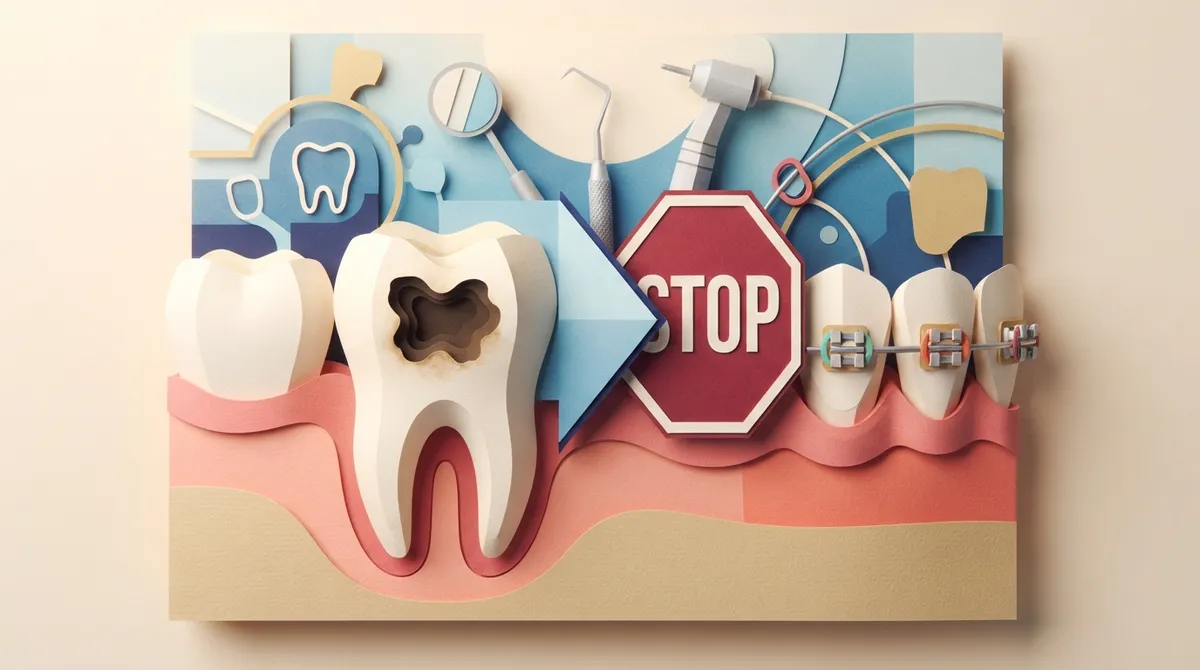
Here’s the good news: taking care of a cavity first is one of the smartest things you can do for your smile. Why cavities need attention before orthodontic treatment comes down to a simple idea. Braces and aligners work best on healthy teeth. Active decay can grow, cause pain, and turn into a bigger problem once appliances are in place.
In this friendly guide, we’ll walk through why decay should be handled first, what happens if it isn’t, how it can affect your timeline, and how to keep your teeth strong during treatment. Whether you’re a parent planning for your child, a teen eyeing a big milestone, or an adult ready for a change, this one is for you.
Why Cavities Should Be Treated Before Braces or Aligners
Orthodontic treatment generally begins only after active dental disease, including cavities, has been checked and treated. The American Association of Orthodontists notes that in many cases, dental conditions like cavities must be treated before orthodontic treatment starts. They also recommend a dental checkup and cleaning before braces.
Think of it like painting a house. You wouldn’t paint over a crack in the wall. You’d fix the crack first so the paint job lasts. Your teeth work the same way. Braces move teeth through bone, and they need a healthy foundation to do that well.
Here are the main reasons decay needs attention first:
- Decay doesn’t heal on its own. A cavity keeps growing until it’s treated.
- Braces make cleaning harder. Brackets and wires create tiny spots where plaque can hide.
- Pain and infection can interrupt care. A problem tooth can force a pause in treatment.
- Brackets need a solid surface. A tooth may need a filling before a bracket can be attached.
At Brockway Orthodontics, we want your treatment to run smoothly from day one. That starts with making sure your teeth are ready.

How Common Are Cavities, Really?
If you’re feeling a little embarrassed about a cavity, please don’t be. Tooth decay is one of the most common health conditions in the country. Here’s what national data shows:
| Age Group | Finding (CDC Oral Health Surveillance Report) |
|---|---|
| Children ages 2-5 | About 11% had untreated decay in primary teeth |
| Children ages 6-9 | Nearly 17% had untreated decay; about 50% had experienced decay, fillings, or missing teeth due to decay |
| Adolescents ages 12-19 | About 10% had at least one untreated cavity in permanent teeth |
| Adults ages 20-64 | Nearly 21% had at least one untreated cavity in permanent teeth |
A quick note on these numbers: they come from the CDC’s 2024 Oral Health Surveillance Report, which uses survey data collected from 2017 through March 2020. They are general population estimates, not orthodontic-specific rates. Still, they show that cavities are something almost every family deals with at some point.
The takeaway? You’re in good company, and a dentist can handle most cavities quickly.
What Happens If a Cavity Is Ignored Before Braces?
Let’s be honest about what can go wrong. Skipping a cavity might feel like a way to save time, but it usually does the opposite.
The Cavity Can Get Worse
Untreated decay can progress. A small spot that needs a simple filling today could turn into sensitivity, pain, or infection later. Once the tooth is wrapped in brackets and wires, it’s harder to reach and harder to treat.
Cleaning Gets Tougher
Braces and other appliances make plaque removal more difficult. Food and plaque can get trapped around brackets and wires. That raises the risk of new decay and enamel demineralization, which can show up as white spots on the teeth. Nobody wants a straight smile with a patchy surface!
Treatment Might Get Delayed
If decay or infection shows up mid-treatment, we may need to pause and coordinate with your general dentist. Fixing things upfront helps avoid those surprise detours.
You Could Face a Bigger Dental Bill
A small filling is usually simpler and more affordable than a root canal or crown. Catching problems early is a win for your wallet and your comfort.
How Cavities Can Affect Your Orthodontic Treatment Plan
Every smile is different, so the exact steps depend on what your dentist and orthodontist find. Still, here’s what a cavity can change:
- Timing of your start date. Depending on how serious the decay is, treatment may be delayed until it’s taken care of.
- Restoration before brackets. A tooth may need to be filled or repaired before a bracket can be bonded to it.
- Extra coordination. Your orthodontist may work with your general dentist, who diagnoses decay and provides restorative care.
- A more tailored plan. If a tooth is weak or damaged, we may adjust how we approach that part of your treatment.
The exact timing depends on the cavity’s severity and the clinician’s assessment. A tiny cavity may be filled in one quick visit. A deeper one may take more planning. Either way, your care team will guide you.
The Pre-Treatment Dental Exam: Your Smile’s Safety Check
You might wonder why your orthodontist asks for a dental checkup before braces. It’s not extra paperwork. It’s a safety net.
A pre-treatment exam and cleaning help identify:
- Cavities and early signs of decay
- Gum problems or inflammation
- Other dental issues that could affect treatment
This is also a great time to ask your dentist how to keep your teeth strong through treatment. If you’re new to our practice, your first visit with us is relaxed and friendly, and we’ll explain what to expect every step of the way. You can also read more about what to expect during your orthodontic exam to feel fully prepared.
Why This Matters for Every Age Group
Decay doesn’t care how old you are, but your situation might look a little different depending on where you are in life.
For Parents of Kids and Teens
If your child is heading toward braces, a dental checkup is a smart first step. Kids may skip spots while brushing, and snacks add up fast. Getting cavities handled first sets your child up for a smoother, more comfortable experience. Our guide to orthodontics for kids shares more tips for busy parents, and our adolescent treatment page explains how we care for growing smiles.
For Teens and Young Adults
Big events like graduation and prom are motivating, and we love that energy! The best way to protect your smile goals is to keep your teeth healthy. A quick filling now means fewer interruptions later, so your smile is ready when the big day arrives.
For Adult Professionals
Busy schedule? We hear you. Handling dental work before treatment helps you avoid extra appointments down the road. Many adults also choose discreet options, and you can explore our adult treatment options to see what fits your lifestyle.
For Retreatment Patients
If you’ve had braces before and your teeth have shifted, you may be returning for a second round. Before retreatment, it’s smart to check for new decay or old fillings that need attention. A healthy base makes your investment last longer.
For Health-Conscious Patients
If you already care a lot about oral health, you’ll appreciate how a thorough exam protects your results. Customized care starts with knowing exactly what’s going on in your mouth.
Can You Treat Cavities While Wearing Braces?
Sometimes, yes. If a new cavity pops up during treatment, your dentist can usually fill it. Your orthodontist may need to adjust or temporarily remove a wire or bracket to give your dentist access.
That said, it’s far easier to handle decay before appliances are in place. Fixing a cavity around brackets and wires can take more time and effort. This is exactly why we encourage a clean bill of dental health at the start.
Here’s a quick comparison:
| Situation | Fix Before Braces | Fix During Braces |
|---|---|---|
| Access to the tooth | Easy and open | May require adjusting wires or brackets |
| Risk of treatment pause | Low | Higher |
| Plaque control | Starts on a healthy foundation | Harder around appliances |
| Overall convenience | One clear plan | More coordination needed |
How to Prevent Cavities While in Orthodontic Treatment
Once your treatment begins, daily habits become your superpower. Good hygiene matters even more with braces. Here’s a simple routine to follow:
- Brush carefully with fluoride toothpaste. Take your time and angle the brush to clean around each bracket.
- Clean around appliances. Pay extra attention to the gumline and the edges of brackets and wires.
- Floss or use a recommended aid. Floss threaders or small brushes can help you reach tricky spots. Our tips on how to brush teeth with braces make this much easier.
- Limit frequent sugary foods and drinks. Sipping soda or snacking on sweets all day feeds decay-causing bacteria.
- Report pain or suspected decay quickly. The sooner you tell us, the sooner we can help.
Not sure what to eat? Our friendly food guide for braces has plenty of tasty ideas, and you can also read about foods to avoid with braces to protect your brackets and your enamel.
Don’t Skip Your Regular Dentist
Here’s an important one: orthodontic visits are not a substitute for routine dental checkups. Your orthodontist focuses on tooth movement and bite. Your general dentist focuses on cavities, gums, and cleanings. You need both! Keep your regular dental appointments throughout treatment to catch small problems early. For a deeper look at how these two roles differ, check out orthodontist vs. dentist: which one do you actually need. You can also find general oral health guidance from the American Dental Association.
What About Clear Aligners?
Clear aligners can be easier to remove for cleaning, which many patients love. But they don’t make cavities disappear. In fact, if sugary drinks get trapped under aligners, they can raise the risk of decay. That’s why the same rule applies: treat cavities first, then start your aligners.
At Brockway Orthodontics, we offer Spark™ Clear Aligners as a more affordable alternative to Invisalign, along with metal braces and ceramic (clear) braces. No matter which path you choose, a healthy start gives you the best results. Learn more about all about braces or compare options in our guide to clear aligners vs. braces.
Why Families Trust Brockway Orthodontics
Choosing an orthodontist is a big decision, and we never take that trust lightly. Dr. Brockway takes time to listen to your goals and concerns, then explains your options in a friendly, easy-to-understand way. Our Clearwater office uses modern technology like digital impressions and 3D imaging, so your plan is precise and comfortable.
We work with families of all ages and love being part of the community. If you’d like to see what other patients say, you can visit us on Google — Brockway Orthodontics and read reviews from our Clearwater neighbors. You can also stay connected with the Florida Association of Orthodontists for more trusted orthodontic information.
Ready to Start With a Healthy Foundation?
Treating cavities first isn’t a roadblock. It’s a smart head start. A healthy foundation helps your braces or aligners work smoothly, keeps your teeth strong, and protects the beautiful results you’re working toward.
Here’s a quick recap of what we covered:
- Cavities should be checked and usually treated before orthodontic appliances are placed.
- Braces make cleaning harder, which raises the risk of new decay and white spots.
- A pre-treatment dental exam and cleaning help catch problems early.
- Keep seeing your regular dentist during treatment.
- Daily brushing, flossing, and smart snacking keep your teeth strong.
Not sure where your teeth stand? We’d love to help you figure out your next step. Book your appointment online and let’s talk about your smile goals. Have questions first? Feel free to contact us, and our friendly team will be happy to help. Your best smile is closer than you think!
FAQs
Q: Do cavities need to be filled before getting braces?
A: In most cases, yes! Active decay is usually treated before braces go on, since cavities don’t heal on their own and can get worse once appliances make cleaning harder. Your dentist will decide the best timing based on how serious the cavity is.
Q: Can braces make cavities worse or cause new cavities?
A: Braces don’t cause cavities by themselves, but they do make it easier for plaque and food to hide around brackets and wires. That raises the risk of new decay and white spots. The good news is that careful brushing, flossing, and smart snacking go a long way.
Q: Will a cavity delay my orthodontic treatment?
A: It can, depending on how severe it is. A small cavity may only need a quick filling, while deeper decay or infection may need more time. Treating it first helps you avoid bigger delays later.
Q: Can cavities be treated while wearing braces?
A: Yes, your dentist can usually fill a cavity while you have braces, though your orthodontist may need to adjust a wire or bracket for access. It’s simpler to take care of decay before treatment begins, which is why we recommend a dental checkup first.
Q: Do I still need my regular dentist during orthodontic treatment?
A: Absolutely! Your orthodontist focuses on moving your teeth and improving your bite, while your general dentist checks for cavities and gum health. Keep up your routine dental checkups so small problems get caught early.
Our Service Area