Key Takeaways
-
Aesthetics is the top motivation: in a 2022 study of 257 adult patients, 70.4% named appearance as a reason, while 41.7% wanted a better-fitting bite, showing most adults have multiple motives.
-
About 1 in 3 orthodontic patients is an adult, and AAO member data estimated roughly 1.91 million adults in treatment in 2024, up from about 1.64 million in 2022.
-
Age alone is rarely a barrier: adults in their 30s, 40s, 50s and beyond complete treatment, with gum health, bone support, existing dental work and bite checked at the exam.
-
Orthodontists treated 64% of adult patients in the AAO's 2024 consumer study, versus 22% by dentists and 14% by mail-order providers, and in-person exams help catch hidden gum or bone concerns.
-
Teeth that shifted after earlier braces are common, often from skipped retainer wear, and retreatment is a realistic option; wearing retainers as directed is key to protecting results.
-
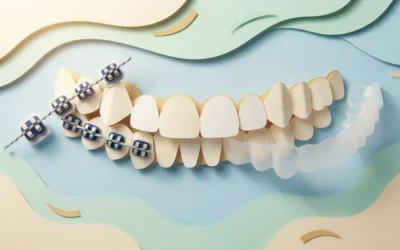
Choose options based on lifestyle: metal, ceramic, lingual braces, or clear aligners differ in visibility, cleaning, eating restrictions, and how consistently you must wear them.
Picture this: you are looking at a photo from a recent event, and your eyes go straight to your teeth. Maybe they look more crowded than they used to. Maybe a gap has opened up. Or maybe you simply keep thinking, “I wish I had done something about this years ago.” If that sounds familiar, you are in very good company.
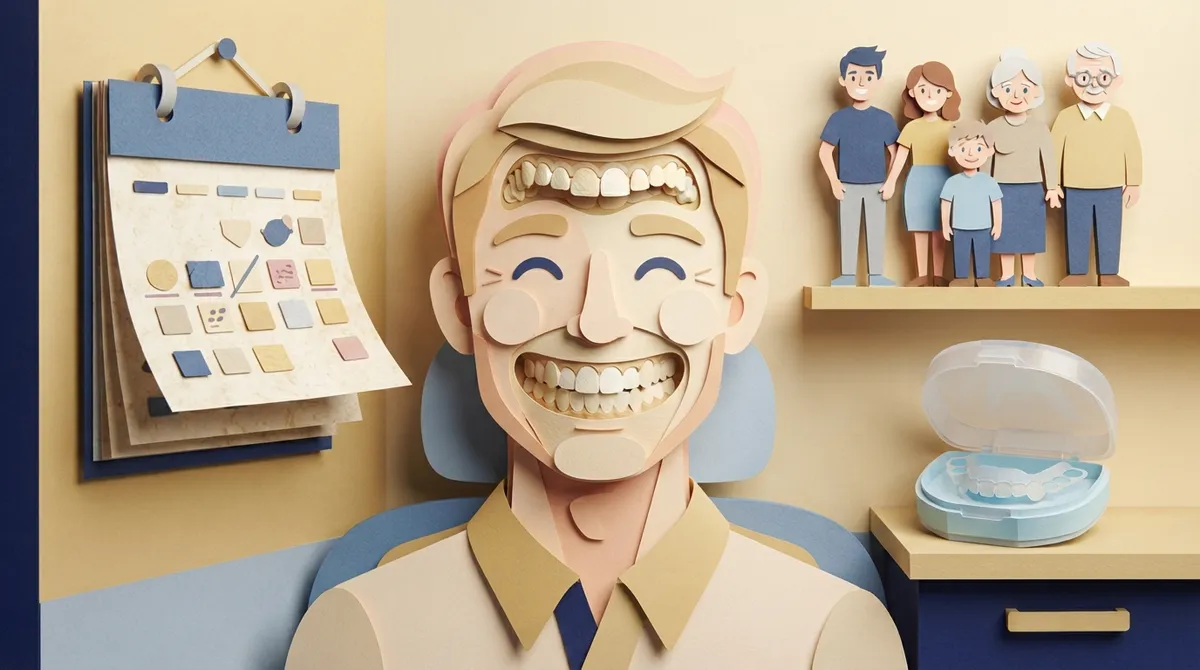
More grown-ups are walking into orthodontic offices than ever before. The American Association of Orthodontists (AAO) reports that about 1 in 3 orthodontic patients is an adult. So if you have been wondering why adults choose orthodontic treatment, the answer is a mix of looks, comfort, health, and confidence.
In this friendly guide, we will walk through the most common reasons adults decide to move forward. We will also show you how to figure out if treatment fits your life, what your options look like, and what to expect along the way. Let’s dive in!
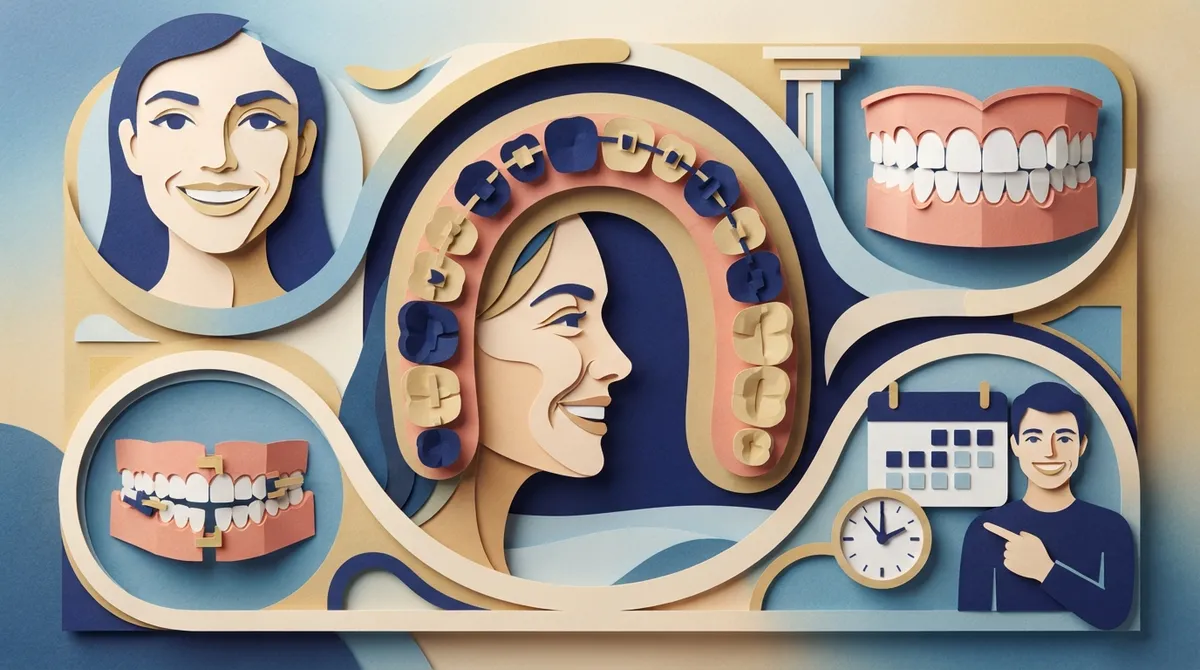
Why Adults Choose Orthodontic Treatment: The Big Picture
There is no single reason adults start treatment. Most people have a few motivations stacked together. Some want a smile they feel proud of. Others want a bite that works better or teeth that are easier to keep clean.
The numbers show just how popular adult care has become. An AAO member survey estimated about 1.91 million adults were in treatment with AAO members in the United States in 2024. That was up from roughly 1.64 million in 2022.
A 2022 study of 257 adult patients gives us a peek at the “why.” Keep in mind this is one study sample, not a national average. Still, the results are interesting:
- Aesthetics: 70.4% of patients named appearance as a reason.
- Bite or occlusion: 41.7% wanted a better-fitting bite.
- Oral hygiene: 14.4% wanted teeth that are easier to clean.
- Impacted teeth: 12.8% needed help with teeth that had not come in properly.
- Prosthetic considerations: 2.7% needed alignment to prepare for other dental work.
Many patients checked more than one box. That is a big clue. Adult orthodontics is rarely just about looks, and rarely just about function. It is usually both.

Step 1: Name Your Reasons
The first step in deciding is getting honest with yourself about what you want. Grab a notebook or open a note on your phone and think through these common motivations.
A Smile You Feel Good About
This is the most common reason, and it is a perfectly good one! Crooked, crowded, or gapped teeth can make you hold back your smile in photos, meetings, or first dates. Straighter teeth often help people feel more relaxed and more like themselves.
Many adults tell us they have wanted braces for years but never made the time. If that is you, you are not behind. You are right on schedule.
A Bite That Works Better
Your bite is how your upper and lower teeth come together. When it is off, you might notice things like trouble chewing certain foods, teeth that wear down unevenly, or speech that feels a little off. Orthodontic treatment can improve alignment and bite function, depending on your situation.
If you are curious about specific bite concerns, our guide on how braces fix a deep overbite explains one common example in plain language.
Teeth That Are Easier to Clean
Crowded teeth have tight spots where a toothbrush and floss struggle to reach. Straighter teeth can make daily cleaning simpler. To be clear, braces are not a magic shield against cavities or gum disease. Good brushing, flossing, and regular dental visits still matter a lot. But better alignment can make your home routine easier.
Teeth That Shifted After Earlier Braces
This one surprises people. You wore braces as a teen, loved the results, and then a few years later things started drifting. Teeth can shift over time, even in people who had treatment as kids. This often happens when retainers were not worn as directed, or simply because teeth naturally move with age.
The good news is that retreatment is a real option. If you are in this boat, check out our page on retainers to learn how to protect your result going forward.
Preparing for Other Dental Work
Sometimes alignment comes first so that crowns, bridges, or implants can be placed well. This is a smaller group of patients, but an important one. Your orthodontist and dentist can work together on a plan that makes sense for you.
Step 2: Understand That Age Is Not the Barrier
Here is a question we hear all the time: “Am I too old?” The short answer is that healthy teeth can be moved at many ages. Adults in their 30s, 40s, 50s, and beyond successfully complete treatment.
What matters more than your birthday is your oral health. Before starting, your orthodontist checks:
- The health of your gums and the bone that supports your teeth
- Existing dental work like crowns, bridges, or fillings
- Any cavities or other conditions that need attention first
- Your bite and jaw relationship
If you want a deeper look at this topic, we wrote a whole piece called 8 truths about whether you’re too old for braces. And if you are in your 40s, you may enjoy our answers to can adults get braces at 40.
One note for honesty’s sake: adults finish growing, so some complex jaw differences cannot be fixed with braces or aligners alone. In rare cases, coordinated care or even jaw surgery may be part of the plan. A thorough exam tells you where you stand.
Step 3: Explore Your Treatment Options
Gone are the days when braces meant one look for everyone. Today, adults have several choices. The right one depends on your diagnosis and goals, and not every option fits every case.
| Option | How It Looks | Best For | Things to Consider |
|---|---|---|---|
| Metal braces | Visible metal brackets and wires | A wide range of cases, including complex ones | Most noticeable, but very effective and often budget-friendly |
| Ceramic (clear) braces | Tooth-colored brackets that blend in | Adults who want a more discreet fixed option | Need careful cleaning to keep brackets looking fresh |
| Lingual braces | Placed behind the teeth | Adults who want braces hidden from view | Not suitable for every case and can take getting used to |
| Clear aligners | Nearly invisible removable trays | Mild to moderate alignment concerns | Require wearing them most of the day; suitability varies |
At Brockway Orthodontics in Clearwater, we offer metal braces, ceramic braces, and Spark™ Clear Aligners, a more affordable alternative to Invisalign. You can read more about braces on our site, or compare the two main paths in clear aligners vs. braces.
Curious how popular aligners are? In that same 2022 study, 67.7% of participants preferred invisible aligners. That is just one sample, and preferences vary from person to person. The “best” choice is the one that fits your teeth, your habits, and your lifestyle.
Step 4: Think About Your Lifestyle
Adult life is busy. Work meetings, family dinners, travel, video calls. Treatment should fit around all of that, not the other way around.
Here are a few questions to ask yourself:
- How visible do I want my treatment to be? If you present, speak, or meet clients often, a discreet option may matter to you.
- Will I wear removable trays consistently? Aligners only work when they are in your mouth. If you tend to forget, fixed braces might serve you better.
- How do I feel about eating restrictions? Braces mean avoiding some sticky or hard foods. Aligners come out for meals but need cleaning afterward.
- How often can I visit the office? Ask what the visit schedule looks like so you can plan around work.
- What is my budget? Treatment is an investment, so look into payment plans and insurance early.
If money is on your mind, you are not alone. Our page on financing and insurance walks through ways to make care more manageable. For a broader look at your choices, see 7 best ways to straighten teeth for adults in 2026.
Step 5: Get a Real Evaluation
Online articles can teach you a lot, but they cannot replace an in-person exam. A good consultation is where things become clear and personal.
An orthodontist will typically look at your teeth, bite, gums, and supporting structures. They may take photos and X-rays to build a full picture and plan your care. This is also your chance to ask every question on your list. There are no silly questions here!
The AAO’s 2024 consumer study found that orthodontists treated 64% of adult orthodontic patients, compared with 22% treated by dentists and 14% by mail-order providers. Choosing a specialist matters because orthodontists complete extra years of training focused on moving teeth safely. Mail-order options skip the in-person exam, which can be risky if you have hidden gum or bone concerns.
Want to know what to expect? Take a peek at your first visit and our article on what to expect during your orthodontic exam. You can also learn more about Dr. Brockway, who takes the time to listen to your goals and explain your options in a friendly, easy-to-follow way.
Step 6: Plan for Life After Treatment
Here is the part that surprises many adults: finishing active treatment is not the finish line. Retainers are generally needed afterward to help hold your new smile in place. Teeth can drift over time, so retention is a long game.
Think of it like this. Your teeth have spent months learning new positions. A retainer is the gentle reminder that helps them stay put. Your orthodontist will tell you which type fits you and how often to wear it.
If you ever have trouble, we have a quick guide on what to do if your retainer breaks.
A Quick Self-Check: Is Now the Right Time?
Use this simple list as a conversation starter with yourself. If you nod along to a few of these, it may be time to book a consultation:
- You avoid smiling in photos or covering your mouth when you laugh
- Your teeth feel crowded, or food gets stuck in tight spots
- You notice gaps that have grown or teeth that have shifted
- You had braces before and your smile has changed since
- Chewing feels uneven, or some teeth look more worn than others
- You have wanted treatment for a long time but kept putting it off
Wherever you land, remember that every smile story is different. Your goals are valid, whether they are big or small.
Meet Us in Clearwater
At Brockway Orthodontics, we love helping families and adults of all ages feel great about their smiles. We use modern tools like digital impressions instead of messy molds, plus 3D imaging that helps plan your care precisely. In certain cases, same-day treatment may even be possible.
Curious what our patients think? You can visit us on Google — Brockway Orthodontics to read reviews from people in our Clearwater community. If you want to dig deeper into local care, our guide to adult orthodontics in Clearwater is a great next read.
For general information, you can also explore resources from the American Dental Association and the Florida Association of Orthodontists. And for national data on adult care, the AAO shares helpful research at its adult orthodontics page.
Ready to Take the Next Step?
Deciding on treatment is a big step, but you do not have to take it alone. Whether you want a straighter smile, a more comfortable bite, or a fresh start after earlier braces, there is likely a path that fits you. The right plan starts with a conversation.
If you are curious where to begin, we would love to meet you. Book your free consultation online and let us help you see what is possible. Prefer to ask a question first? Just contact us and our friendly team will be happy to help. Your smile story is waiting, and we cannot wait to be part of it!
FAQs
Q: Why do adults get braces or clear aligners?
A: Adults usually have a mix of reasons. Many want a straighter, more confident smile, while others want a better-fitting bite, teeth that are easier to clean, or a fix for teeth that shifted after earlier treatment. It is often a bit of everything!
Q: Is it too late to get orthodontic treatment as an adult?
A: Not at all! Healthy teeth can be moved at many ages, and adults of all ages complete treatment successfully. What matters most is the health of your teeth, gums, and supporting bone, which your orthodontist will check during your exam.
Q: Are clear aligners as effective as braces for adults?
A: Clear aligners work very well for many mild to moderate cases, but they are not the right fit for every smile. More complex bite problems may call for braces, so an in-person evaluation is the best way to find your match.
Q: Why are my teeth shifting years after braces?
A: Teeth naturally want to move over time, even after successful treatment. Not wearing retainers as directed is a common cause, and the good news is that retreatment is often possible if shifting bothers you.
Q: Do adults need to wear retainers after orthodontic treatment?
A: Yes, retainers are generally needed to help keep your results in place. Your orthodontist will recommend the right type and tell you how often to wear it so your new smile stays put.
Our Service Area