Key Takeaways
-
Ceramic braces are less noticeable than metal braces but not invisible, and whether they fit your case depends on a personal exam with your orthodontist.
-
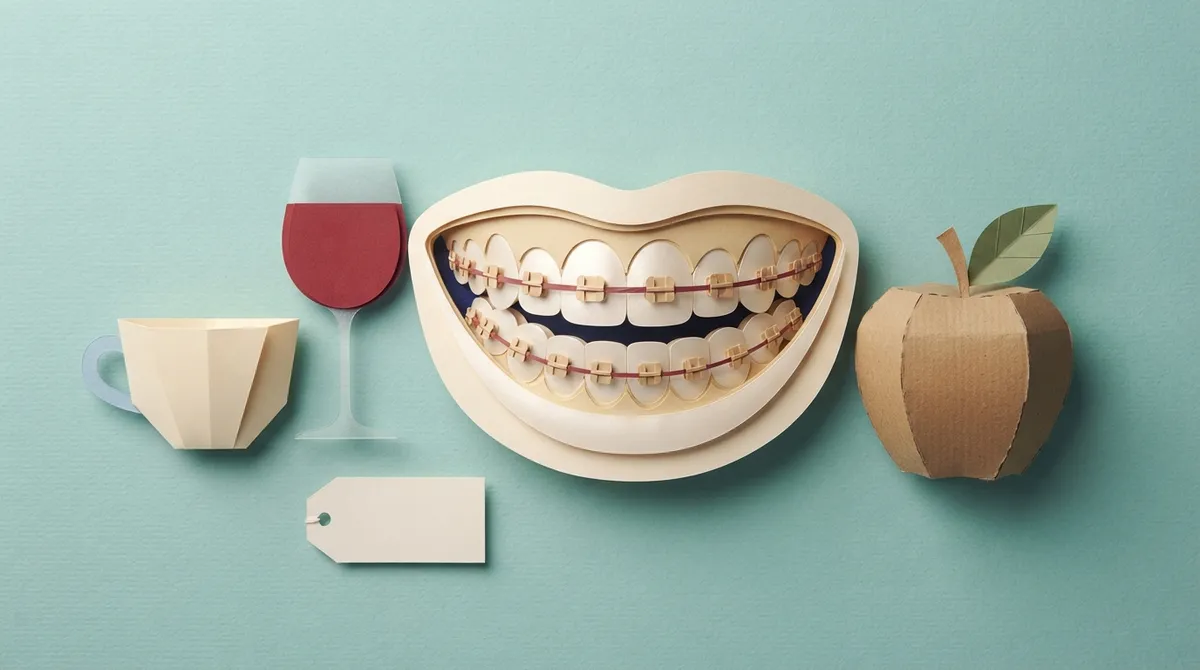
The brackets resist stains, but the elastic ties can discolor from coffee, tea, red wine, and tobacco; your orthodontist replaces them at each adjustment visit.
-
Ceramic brackets are more brittle than metal, so avoid hard foods and never try to remove or adjust them yourself, since improper removal risks enamel damage.
-
Ceramic braces usually cost more than metal, so ask what your quote includes, such as retainers, repairs, and follow-up visits, before you commit.
Thinking about braces as an adult? You are in good company. More grown-ups than ever are finally getting the smile they always wanted, and many of them are asking about ceramic braces. They blend in with your teeth, so they feel like a nice middle ground between metal braces and clear aligners.
But looking discreet is only one piece of the puzzle. Before you commit, it helps to know how these braces really work, what they cost, how to care for them, and who they suit best. This guide covers what adults should know before choosing ceramic braces, in plain and friendly terms, so you can walk into your consultation feeling ready.
Here at Brockway Orthodontics in Clearwater, Florida, we love helping adults make confident choices. Let’s walk through 14 things worth knowing before you decide.
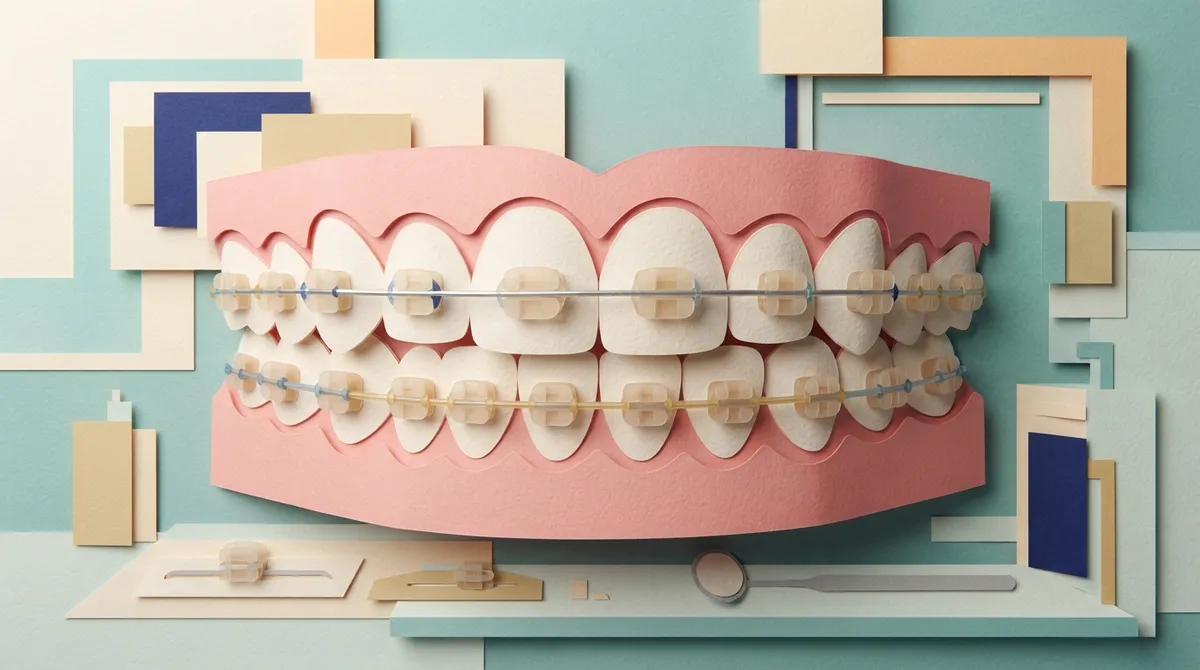
1. What Ceramic Braces Actually Are
Ceramic braces are fixed braces. Small tooth-colored or translucent brackets are bonded to your teeth, and a wire runs through them to guide your teeth into place. The wire is usually metal, though some options are tooth-colored too.
They work much like traditional metal braces. The big difference is the look. Ceramic brackets blend in with your natural tooth shade, so they draw less attention.

2. They Are Less Noticeable, Not Invisible
It is fair to expect a subtle look. It is not fair to expect total invisibility. Up close, people can still see brackets and wires. From a normal conversation distance, though, ceramic braces are far less obvious than metal ones.
If you want an even lower profile, we can talk about other options too. Our guide to metal vs. clear braces for adults is a helpful read.
3. Your Orthodontist Decides If They Fit Your Case
Ceramic braces can fix many common problems, like crowding, gaps, and bite concerns. But not every case is a perfect match. Your orthodontist looks at your bite, the tooth movement needed, your oral health, and your goals.
For some complex movements, another appliance may work better. That is why a personal exam matters more than any online article, including this one. If you are curious about how braces handle bite problems, see how braces fix a deep overbite.
4. Ceramic Brackets Resist Stains, but the Ties Can Stain
Here is a detail many adults miss. The ceramic material itself is generally resistant to discoloration. The small elastic ties that hold the wire in place, however, can stain. Clear or tooth-colored ties may pick up color from:
- Coffee and tea
- Red wine
- Tobacco
- Curry, tomato sauce, and other strongly colored foods
The good news is that your orthodontist replaces the ties at your adjustment visits. If you love your morning latte, you do not have to give it up. Just brush afterward and expect fresh ties each visit.
5. The Brackets Are More Brittle Than Metal
Ceramic is attractive, but it is also more brittle than stainless steel. Brackets can chip or fracture, especially if you bite down on hard foods or use too much force. A broken bracket may need a repair visit and can slow your progress a bit.
The fix is simple. Be gentle with your braces and follow your food guidelines. Our foods to avoid with braces list makes it easy.
6. Treatment Time Depends on Your Case
You may have heard that ceramic braces always take longer. That is not quite accurate. Some ceramic bracket and wire combinations create more friction than metal ones. Whether that changes your timeline depends on the bracket design, the tooth movements planned, and your individual case.
A 2023 review of orthodontic brackets describes ceramic brackets as more attractive than stainless-steel ones, while noting limits like brittleness and friction. It does not claim a universal time difference. Ask your orthodontist for a personal estimate. You can also read how long braces take to work.
7. Cost Is Usually Higher Than Metal Braces
Ceramic braces typically cost more than metal braces. Exact fees vary by location, provider, case complexity, and treatment length. Broad U.S. consumer estimates for adult braces of all types run roughly $3,000 to $10,000 over about one to three years. Those numbers are not ceramic-specific, so treat them as a rough range only.
Here is a quick comparison to help you think it through:
| Factor | Ceramic Braces | Metal Braces |
|---|---|---|
| Appearance | Blends with teeth | Most visible |
| Bracket strength | More brittle | Very durable |
| Staining | Ties can stain | Colored ties optional |
| Typical cost | Often higher | Often lower |
| Removal | Needs extra care | Straightforward |
For a deeper look at pricing, check out how much braces cost in 2026.
8. Ask What Your Fee Includes
A quoted price can mean different things at different offices. Before you start, ask about:
- Retainers after treatment
- Repairs for broken brackets
- Follow-up and adjustment visits
- Insurance coverage
- Payment plans and financing
No surprises is the goal. Our team is happy to walk you through financing and insurance options so you know exactly what to expect.
9. Treat Cavities and Gum Health First
Braces and unhealthy teeth do not mix. If you have active cavities or gum disease, those need to be treated before braces go on. Brackets make plaque harder to remove, so any existing problems can get worse during treatment.
That is especially true for adults who want long-term results. If you have gum concerns, tell your orthodontist early so your plan can be tailored to you.
10. Cleaning Takes Real Effort
Fixed braces create lots of little spots where food and plaque hide. Good habits make a huge difference. Here is a simple routine to follow:
- Brush after meals, angling the bristles toward the brackets and gumline.
- Clean between teeth every day with floss threaders, interdental brushes, or a water flosser.
- Rinse with water after snacks when you cannot brush.
- Keep up with your regular dental cleanings.
- Watch for white spots near brackets and tell us if you see any.
Need a refresher? Our guide on how to brush teeth with braces breaks it down step by step.
11. Removal Needs a Professional Touch
Taking ceramic braces off takes care. Brackets can fracture, and enamel damage is a recognized clinical concern if the technique is poor. A 2021 hospital-based laboratory study of 80 extracted premolars found that enamel surface results after ceramic bracket removal differed depending on the removal technique used. Because it was a lab study, it is not a direct measure of how often injuries happen in real patients.
The takeaway is simple. Never try to remove or adjust brackets yourself. Let your orthodontist use the right method.
12. Consider How Ceramic Braces Compare With Other Options
Ceramic braces are one of several good choices for adults. Each option has its own strengths:
- Ceramic braces: fixed, discreet, and well suited to many tooth movements.
- Metal braces: very strong and often more budget-friendly.
- Clear aligners: removable and nearly invisible, but they rely on you wearing them consistently.
We offer all of these. If aligners sound appealing, learn about our Spark™ Clear Aligners, a more affordable alternative to Invisalign. You can also compare options in traditional braces vs. clear aligners.
13. Your Lifestyle Matters Too
Think about your daily routine. Do you have big presentations, client dinners, or photos coming up? Do you drink a lot of coffee or red wine? Do you play contact sports or chew ice out of habit?
These details can shape which braces make the most sense. Adult professionals often love ceramic braces because they look polished at work. If you want to explore this further, read about ceramic braces in Clearwater.
14. Choose an Orthodontist You Trust
The right orthodontist matters just as much as the right braces. Look for someone who listens, explains your options clearly, and gives you a personal plan. Credentials matter, and so does how comfortable you feel in the office.
At Brockway Orthodontics, Dr. Brockway takes time to hear your goals and make sure you understand every step. We use modern tools like digital impressions and 3D imaging for precise planning, and in some cases we can offer same-day treatment to fit your busy schedule. You can meet Dr. Brockway and see our approach for yourself. For more on adult care, visit our adult treatment page.
You can also see what patients say. Visit our Brockway Orthodontics location on Google and read real reviews from our Clearwater community. For professional standards and oral health guidance, the American Dental Association and the Florida Association of Orthodontists are trusted resources.
Is It Ever Too Late for Braces?
Not at all. Healthy teeth can move at nearly any age, and adults are some of our happiest patients. If you are wondering whether you have waited too long, our post on truths about being too old for braces may put your mind at ease.
Ready to Take the Next Step?
Ceramic braces can be a wonderful choice for adults who want a more discreet fixed option. They look natural, work well for many cases, and give you real control over your results. They also come with trade-offs, like higher cost, more fragile brackets, and ties that can stain. Knowing both sides helps you choose with confidence.
The best next step is a personal exam. Your orthodontist can look at your bite, review your goals, and give you a real estimate for time and cost. Ready to get started? Book your free consultation online and let us help you plan a smile you will love. Questions first? Feel free to contact our friendly team anytime.
FAQs
Q: Are ceramic braces a good choice for adults?
A: For many adults, yes! They are less noticeable than metal braces and can fix many alignment problems. Your orthodontist will check your bite, oral health, and goals to confirm they are the right fit for you.
Q: Do ceramic braces stain?
A: The ceramic brackets themselves resist stains, but the clear or tooth-colored elastic ties can pick up color from coffee, tea, red wine, and tobacco. Don’t worry, your orthodontist swaps in fresh ties at each adjustment visit.
Q: Do ceramic braces take longer than metal braces?
A: Not always. Treatment time depends on the bracket design, the tooth movements needed, and your individual case. Your orthodontist can give you a personal estimate after an exam.
Q: Are ceramic braces more likely to break?
A: Ceramic brackets are more brittle than stainless steel, so they can chip or fracture if you bite hard foods or use too much force. Following your food guidelines and being gentle goes a long way.
Q: How much do ceramic braces cost for adults?
A: Ceramic braces usually cost more than metal braces, and fees vary by location, case complexity, and treatment length. Ask what your quote includes, like retainers and repairs, and check on insurance and payment plans before you start.
Our Service Area