Key Takeaways
-
Clear aligners only work when teeth move as planned, so regular orthodontist check-ups catch tracking problems before they cause delays or bite issues.
-
Poor tracking signs include gaps under the tray, a loose or tight fit that doesn't ease after a day or two, lost attachments, cracked trays, and a sudden change in bite.
-
Never skip ahead to the next tray because a date on your calendar arrives; if the current tray doesn't seat snugly, call your orthodontist first.
-
Remote photo or scan monitoring can reduce some office visits, but a 2024 review found no reliable reduction in treatment time or emergency visits, so it complements rather than replaces in-person care.
-
Wearing trays for the full recommended daily hours is one of the most common reasons teeth stop tracking, making consistent wear the patient's most important contribution.
-
If a tray is loose or damaged, avoid forcing it, keep wearing the previous tray if it still fits, photograph the problem, and call your orthodontist promptly.
You pop in your first set of clear aligners, and everything feels exciting. The trays are snug, the plan looks perfect on screen, and you can almost picture your finished smile. But here’s something many people don’t realize: clear aligners are not a “set it and forget it” treatment. They only work when your teeth move the way the plan says they should. That’s exactly why clear aligner progress needs monitoring.
Think of it like a road trip with a GPS. The route is mapped out, but you still glance at the screen to make sure you haven’t taken a wrong turn. Regular check-ins with your orthodontist do the same job for your smile. They catch small detours early, before they turn into big delays.
In this friendly guide, we’ll walk through what monitoring really involves, what it can catch, and how you can do your part at home. Whether you’re a parent helping a teen, a busy professional, or someone returning for a second round of treatment, you’ll find simple steps you can use right away.

Why Clear Aligner Progress Needs Monitoring
Clear aligners work through a series of trays. Each tray nudges your teeth a tiny bit. The next tray is built on the idea that your teeth reached the spot the last tray was aiming for. If they didn’t, every tray after it starts from the wrong place.
An orthodontist watches for three big things during treatment:
- Tooth movement: Are your teeth tracking, or following the planned path, with each tray?
- Bite changes: Is the way your top and bottom teeth meet shifting the way it should?
- Oral health: Are your gums, teeth, and the tissues in your mouth staying healthy?
The American Association of Orthodontists recommends regular check-ups during aligner treatment. Its patient guidance also warns that treatment without proper supervision can contribute to bite problems and damage to teeth or gums. Monitoring is how we keep your care safe and effective, not just fast.
If you’re still deciding between treatment types, our guide on clear aligners vs. braces can help you compare your options.
What Does “Poor Tracking” Actually Mean?
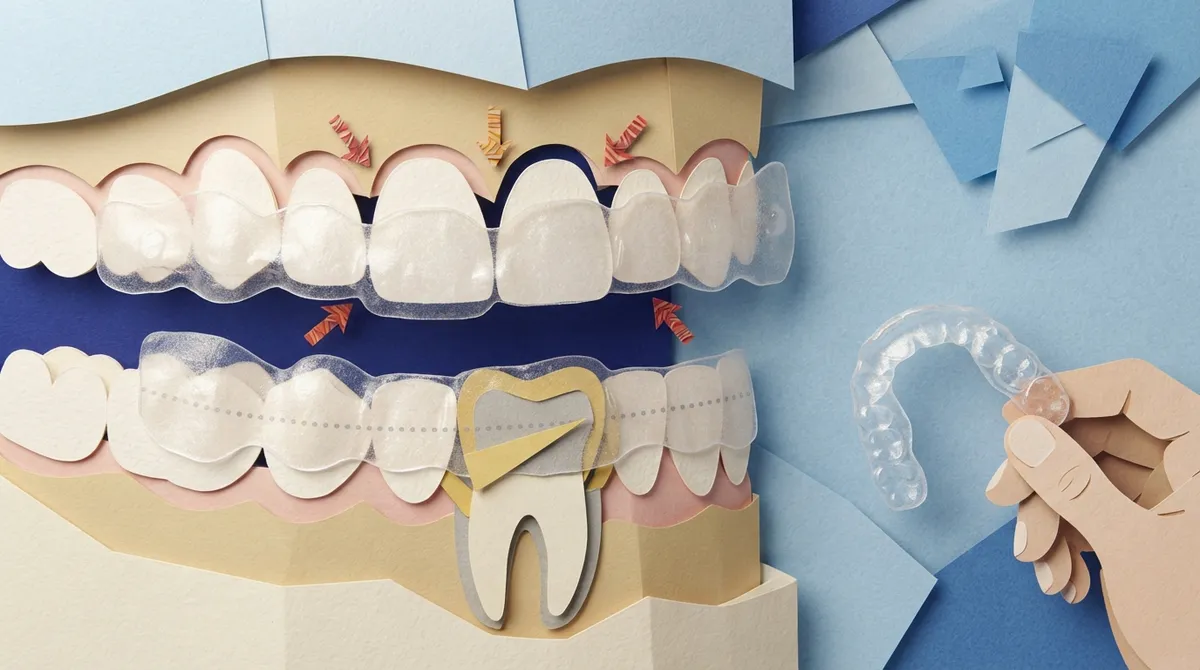
“Tracking” is the word orthodontists use to describe how well your teeth follow the plan. Good tracking means each tray fits snugly and your teeth land where they should. Poor tracking means they didn’t quite get there.
Signs your aligners may not be tracking
- The tray doesn’t sit fully on your teeth, with gaps near the edges or biting surfaces
- Your aligner feels very loose, or very tight in a way that doesn’t ease after a day or two
- An attachment (the small tooth-colored bump bonded to a tooth) has come off
- A tray is cracked, warped, or damaged
- Your bite suddenly feels different or uncomfortable
Poor tracking can happen for lots of reasons. Sometimes the trays weren’t worn long enough each day. Sometimes a tooth is simply more stubborn than the plan expected. It’s not a failure on your part. It’s just information your orthodontist can use.
What happens when tracking goes off course
When teeth fall behind, later trays may fit poorly. Your orthodontist may then choose to:
- Pause and have you wear the current tray a bit longer
- Take a new scan of your teeth
- Order a revised set of trays based on where your teeth are now
- Adjust the overall plan if needed
Catching the issue at a quick check-up is far easier than discovering it months later.
What an Orthodontic Progress Check Looks For
A progress visit isn’t just a quick peek. Here’s what your orthodontist is evaluating.
| What Gets Checked | Why It Matters |
|---|---|
| Tray fit | A well-fitting tray applies the right gentle pressure to move teeth |
| Tooth movement vs. the plan | Shows whether teeth are tracking or falling behind |
| Attachments | Lost or worn attachments can reduce how well a tray grips a tooth |
| Bite changes | Helps confirm your bite is improving, not drifting in the wrong direction |
| Gums and oral hygiene | Healthy gums are essential for safe tooth movement |
| Wear schedule | Confirms trays are worn long enough each day and changed on time |
This is the kind of hands-on, personal review Dr. Brockway provides. She takes time to listen to your concerns, explain what she sees, and make sure you feel informed at every step. You can learn more about her approach on the Meet Dr. Brockway page.
How to Know When to Change to Your Next Tray
It’s tempting to follow the calendar or an app reminder and switch trays right on schedule. But the schedule is a guide, not a guarantee.
Your orthodontist gives you a specific wear schedule and tray-change instructions for your case. Follow those instructions rather than advancing trays just because a date popped up on your phone.
If your current tray doesn’t fit well, don’t jump ahead. Moving to the next tray too soon can put pressure on teeth that aren’t ready, and it can throw off the whole plan. Instead, call your orthodontist and let them take a look.
A simple tray-change checklist
- Wear each tray for the full number of hours your orthodontist recommended each day.
- Check that the current tray sits snugly before switching.
- If it feels loose or isn’t seating, call the office before moving on.
- Keep your old trays in a labeled case in case you need to go back a step.
- Bring all your trays and your case to every appointment.
Can Remote Monitoring Replace Office Visits?
Remote monitoring means sending photos or scans from home so your orthodontic team can review your progress between visits. It can be a handy tool, especially for busy adults and families juggling packed calendars.
Here’s what the research says. A 2024 systematic review that looked at 11 studies found that adding dental monitoring to standard orthodontic care reduced in-office visits by about 1.68 to 3.5 visits. In one retrospective study of 90 clear-aligner patients, the monitored group averaged 7.12 office visits compared to 10.64 in the comparison group.
But there’s an important catch. The same review found that evidence did not show a reliable reduction in treatment time or emergency appointments. And a remote photo or scan can help flag an issue, but it can’t replace a clinician’s judgment or an in-person exam when one is needed.
Remote monitoring works best as a helpful add-on to quality care, not a substitute for it. Your treating orthodontist should always oversee your progress.
How often do orthodontists check progress?
There’s no single schedule for everyone. A 2024 survey of 57 orthodontists found that 71.9% did not routinely use remote monitoring. Progress checks were most commonly scheduled every 8 weeks or every 12 weeks, each at 35.1%. Those numbers show what clinicians reported doing, not a universal rule. Your own schedule depends on your case, your age, and how your teeth are responding.
Why Not Every Smile Is a Fit for Aligners
Clear aligners are fantastic for many people, but they aren’t right for every movement or every case. Some bite problems and complex tooth movements call for a different approach, such as braces. An orthodontist’s exam and ongoing supervision help figure out when treatment needs to change course.
That’s one big reason professional oversight matters. Treatment planned without a thorough exam or follow-up carries more risk. Monitoring is how your orthodontist confirms the plan is still the right plan.
At Brockway Orthodontics, we offer Spark™ Clear Aligners, along with metal and ceramic braces, so we can recommend the option that truly fits your smile instead of squeezing every patient into one box. If you’re curious about how aligners compare, take a look at our guide on Invisalign alternatives.
How to Make Monitoring Work for You
Monitoring is a team effort. Your orthodontist handles the clinical side, and you handle the daily habits. Here’s how to be a star patient.
- Wear your trays as directed. Aligners generally need to stay in for most of the day. Skipping hours is one of the most common reasons teeth stop tracking.
- Keep every scheduled appointment. Even if everything feels fine, small shifts aren’t always noticeable to you.
- Speak up early. If a tray feels off, call right away. A quick fix now beats a long delay later.
- Practice good hygiene. Brush and floss before putting trays back in so food and bacteria don’t get trapped against your teeth.
- Protect your trays. Remove them for eating and drinking anything other than water, and store them in their case, never in a napkin.
- Ask questions. Understanding your plan makes it easier to spot when something isn’t right.
Eating habits matter too. Our post on clear aligner food mistakes shares easy ways to protect both your trays and your teeth.
What to Do If an Aligner Is Loose, Damaged, or Doesn’t Fit
Don’t panic, and don’t try to fix it yourself. Here’s a calm, step-by-step plan.
- Stop and don’t force it. Pushing a tray that won’t seat can hurt your teeth or crack the tray.
- Keep wearing your previous tray if it still fits comfortably, unless your orthodontist says otherwise.
- Take a clear photo of the tray on your teeth, so your team can see the problem.
- Call your orthodontist. They can tell you whether you need a quick visit, a new tray, or a rescan.
- Bring everything to your appointment, including the damaged tray and your previous trays.
If it’s a true emergency, such as a sharp edge, pain, or something poking your mouth, check out our guide to emergency vs. routine orthodontics to figure out what needs attention right away.
Monitoring Tips for Different Kinds of Patients
Everyone’s life looks different, so monitoring does too. Here are a few friendly tips based on who you are.
For parents of children and teens
Teens are busy, and trays get lost in lunch bags and locker rooms. Build a simple routine: a labeled case, a daily check that trays are in, and a calendar reminder for appointments. If your teen is a growing patient, regular visits also help your orthodontist keep an eye on changes as their mouth develops. Learn more about adolescent treatment options.
For adult professionals
Between meetings, travel, and business lunches, it’s easy to leave trays out too long. Set phone reminders for your wear time and keep a spare case in your bag. Remote check-ins, when your orthodontist offers them, can help you fit care into a packed schedule. See our adult treatment page for more.
For patients returning after relapse
If your teeth shifted after earlier treatment, monitoring is even more important. Your orthodontist will want to confirm the new plan is working and that your retention plan will protect your results this time. Good retainers are the final piece of the puzzle.
For health-conscious patients
If you have gum concerns or complex dental needs, regular monitoring helps make sure tooth movement stays gentle and your oral health stays front and center. Share any health changes with your orthodontic team right away.
Why Local, Personal Care Makes a Difference
Monitoring only works if you can actually get to your appointments and feel comfortable asking questions. That’s why having a caring, local team matters. At Brockway Orthodontics, we’re proud to serve Clearwater families with modern tools like digital impressions and 3D imaging, which help us plan and track your treatment precisely. We also celebrate families, so we welcome kids, teens, and adults alike.
Curious what other patients think? You can visit us on Google and read Brockway Orthodontics reviews to see what our Clearwater community has to say. You can also check in with organizations like the American Dental Association for general oral health guidance, and our FAQs page for quick answers about treatment.
Ready to Keep Your Smile on Track?
The big takeaway is simple: clear aligners are a team effort, and regular monitoring is what keeps that team winning. When your orthodontist checks your progress, small problems stay small, your trays keep fitting, and your smile stays on schedule. It’s the difference between hoping your treatment is working and knowing it is.
If you’re starting clear aligners, switching providers, or just wondering whether your current treatment is on track, we’d love to help. Dr. Brockway and our friendly team are ready to listen, explain, and guide you every step of the way. Book your appointment online today, or contact us with any questions. Your best smile is closer than you think!
FAQs
Q: Why do clear aligners need to be monitored by an orthodontist?
A: Clear aligners only work when your teeth move the way the plan expects. An orthodontist checks that your teeth are tracking, your bite is healthy, and your gums are doing well, so small issues get fixed early instead of turning into delays.
Q: What does it mean if my clear aligners are not tracking?
A: It means your teeth haven’t reached the positions the current tray was designed for, so the tray may not fit snugly. Don’t worry, it’s common! Your orthodontist may have you wear the tray longer, take a new scan, or revise your plan.
Q: Can I switch to my next aligner if the current one doesn’t fit properly?
A: It’s best not to. Moving ahead too soon can put pressure on teeth that aren’t ready and throw off your whole plan. Give your orthodontist a call so they can tell you the safest next step.
Q: Can remote monitoring replace in-person orthodontic appointments?
A: Not completely. Remote photos or scans can help flag issues and may reduce some routine office visits, but they don’t replace a clinician’s judgment or an in-person exam when one is needed. Your treating orthodontist should always oversee your progress.
Q: Can clear aligner treatment cause bite, tooth, or gum problems?
A: It can if treatment isn’t properly planned and supervised. The American Association of Orthodontists warns that unsupervised treatment can contribute to bite problems and tooth or gum damage, which is why regular check-ups are so important.
Our Service Area