Key Takeaways
-
Protruding front teeth are usually called increased overjet by orthodontists, meaning the upper front teeth sit too far forward relative to the lower teeth when the back teeth are closed.
-
Causes often combine tooth position, jaw growth differences, inherited traits, and habits like prolonged thumb-sucking, and identifying the mix shapes whether treatment focuses on moving teeth or guiding jaw growth.
-
Overjet greater than about 5 mm and/or lips that don't cover the front teeth well are linked to higher dental injury risk, so a mouthguard during sports is a practical protective step.
-
An orthodontic evaluation does not commit you to treatment; it provides a personalized answer on whether to start now or monitor until growth or tooth development makes treatment more effective.
-
Treatment options range from removable functional appliances for growing children with jaw-related causes, to fixed braces, clear aligners for suitable mild to moderate cases, or monitoring.
-
Results depend on daily habits: thorough brushing and flossing, avoiding hard or sticky foods, and wearing retainers as directed help prevent cavities, breakage, and relapse.
If you’ve ever caught yourself smiling with your lips closed, or watched your child shy away from a school photo, you may already know how much protruding front teeth can affect confidence. The good news? You’re not alone, and there’s a clear, friendly path forward. It starts with an orthodontic evaluation.
Protruding front teeth are one of the most common reasons families come to see an orthodontist. In some cases they’re mostly about appearance. In others, they also raise the risk of chipped teeth during sports or play. An evaluation helps sort out what’s really going on, so you can decide what to do and when.
In this guide, we’ll walk through what protruding front teeth really are, what causes them, what happens during an evaluation, and what treatment options may be on the table. Whether you’re a parent, a teen, or an adult thinking about treatment again, this article is for you.
What Are Protruding Front Teeth?
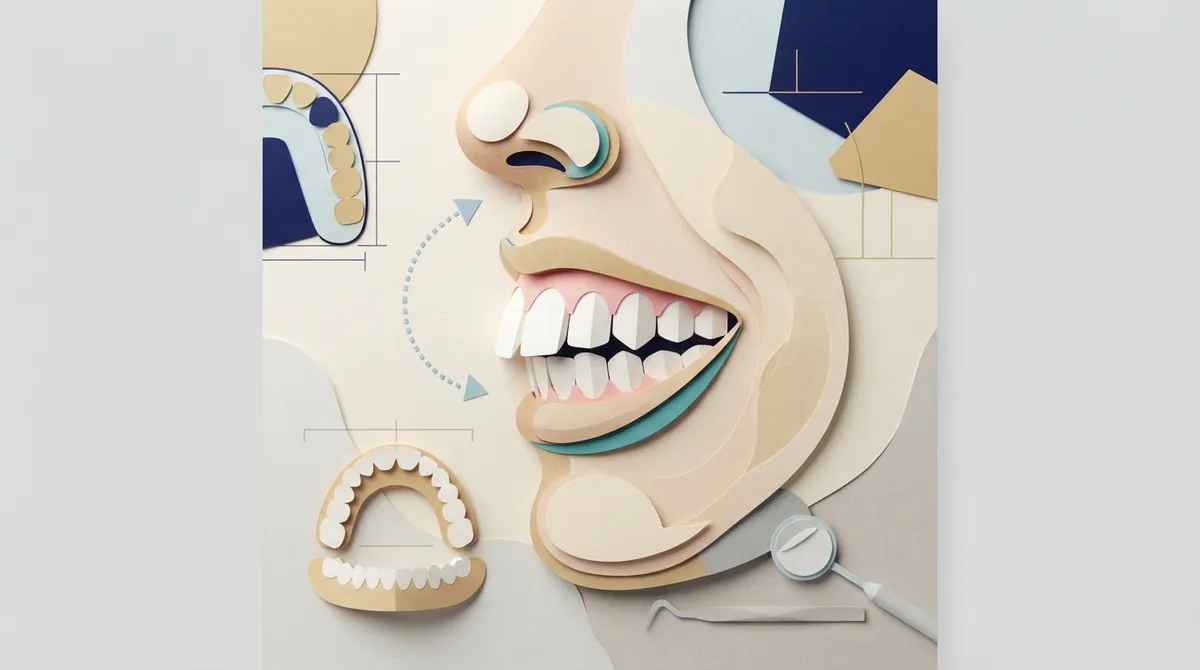
When people say “protruding front teeth,” orthodontists usually call it increased overjet. Overjet is the horizontal distance between your upper and lower front teeth when your back teeth are closed together. A little bit is normal. A lot means the upper teeth stick out farther than expected.
It’s easy to mix up overjet and overbite. They sound alike, but they measure different things:
| Term | What It Measures | Simple Picture |
|---|---|---|
| Overjet | Horizontal distance between upper and lower front teeth | Upper teeth stick out forward |
| Overbite | Vertical overlap of upper teeth over lower teeth | Upper teeth cover too much of lower teeth |
You can have one without the other, or both together. If you’d like to learn more about vertical overlap, our guide on how braces fix a deep overbite is a great companion read.
How Common Is It?
More common than many people think. A 2025 study of children ages 10 to 12 found that 59% had normal overjet. About 30.5% had mildly increased overjet (3 to 4 mm), 7.4% had increased overjet (5 to 6 mm), and 3.1% had severely increased overjet (more than 7 mm). Keep in mind that these numbers describe one study group. They aren’t a universal rule, and estimates vary by age, population, and how overjet is measured.

What Causes Protruding Front Teeth?
There isn’t just one cause. Often it’s a mix of factors, and figuring out the mix is a big part of the evaluation. Common causes include:
- Tooth position: The upper front teeth may simply tilt forward.
- Jaw growth differences: The upper jaw may be positioned forward, or the lower jaw may be smaller or set back.
- Inherited traits: Jaw shape, tooth size, and bite patterns often run in families.
- Habits: Prolonged thumb-sucking, for example, can influence how teeth and jaws develop.
Why does the cause matter? Because it shapes the plan. If the issue is mostly tooth position, treatment may focus on moving teeth. If a jaw relationship is involved, especially in a growing child, the plan may include guiding growth, too.
Why an Orthodontic Evaluation Matters
Protruding front teeth aren’t only a cosmetic concern. They can bring a few practical considerations:
- Higher injury risk: Prominent front teeth are more exposed to accidents. Evidence cited in an NHS England needs assessment links a higher risk of dental injury to overjet greater than about 5 mm and/or lips that don’t cover the teeth well. That’s a risk indicator, not a guarantee.
- Confidence: Many kids and adults feel self-conscious about how their teeth look in photos and conversation.
- Timing questions: Parents often wonder, “Should we treat now or wait?” An evaluation gives a personalized answer.
An evaluation doesn’t commit you to treatment. It simply gives you clear information. Some patients start right away, and others are monitored until growth or tooth development makes treatment a better fit.
What Happens During an Orthodontic Evaluation?
If the idea of an appointment feels a little nerve-racking, take a breath. It’s a relaxed, informative visit. Here’s what typically happens:
- A friendly conversation. We ask about your concerns, your goals, your medical and dental history, and any habits like thumb-sucking or mouth breathing.
- A look at your teeth and bite. The orthodontist checks how your teeth line up, measures overjet, and looks at how your upper and lower teeth meet.
- A check of your jaws and face. We look at the jaw relationship, lip coverage, and facial growth patterns.
- Records, if needed. This may include photographs, digital scans or impressions, and X-rays when clinically indicated.
- A clear discussion. We explain the diagnosis, timing, options, and possible risks, and answer your questions.
At Brockway Orthodontics, we use modern tools like digital impressions and 3D imaging, so there’s no need for messy molds, and your plan can be built with real precision. Curious how the visit flows? Take a peek at what to expect at your first visit, or read about what happens during your orthodontic exam.
Tips for Getting the Most From Your Visit
- Write down your questions ahead of time.
- Bring any past dental records or X-rays if you have them.
- Mention any sports, instruments, or habits that involve your teeth and mouth.
- Parents, bring your child’s questions, too. Kids often have great ones!
When Should a Child See an Orthodontist?
If your child has noticeably prominent front teeth, an early opinion can be really helpful, even if treatment doesn’t start right away. Some children are simply monitored until growth or dental development makes treatment more effective. Others benefit from earlier steps.
The right timing depends on the diagnosis and the goal of treatment. That’s why a quick check-up can ease a lot of worry. Learn more about early treatment or read our parent-friendly guide on when your child should first see an orthodontist.
Treatment Options for Protruding Front Teeth
Every smile is different, so every plan should be, too. Here’s an overview of common approaches:
| Option | Best Known For | Who It May Suit |
|---|---|---|
| Removable functional appliances | Addressing a jaw relationship while a child is still growing | Growing children with a jaw-related cause |
| Fixed braces | Aligning teeth and fine-tuning the bite | Children, teens, and adults |
| Clear aligners | A discreet way to move teeth in suitable cases | Teens and adults with mild to moderate concerns |
| Monitoring | Watching growth and development over time | Children where treatment can wait for a better window |
Braces
Braces are a trusted way to align teeth and refine the bite, and they can be a strong choice for many protruding-teeth cases. Brockway Orthodontics offers both metal braces and ceramic (clear) braces. You can read more in All About Braces.
Clear Aligners
For teens and adults who prefer a more discreet look, clear aligners may be an option, depending on the case. Brockway Orthodontics offers Spark™ Clear Aligners, a more affordable alternative to Invisalign. Not every case suits aligners, so your evaluation will tell you whether they’re a good fit.
Growth-Guiding Appliances
In growing children, a removable functional appliance may be used when the jaw relationship is part of the picture. Fixed braces can then follow to finish aligning the teeth. How long treatment takes varies from person to person.
Treatment for Every Age and Stage
Protruding front teeth don’t only show up in childhood, and you’re never “too late” to ask questions.
- Parents of children and teens: An early look can bring peace of mind. Explore our adolescent treatment options.
- Teens and young adults: Graduations, events, and new chapters are great motivators. Modern options can be more discreet than you might think.
- Adult professionals: Efficient, low-profile options can fit a busy schedule. See our adult treatment page.
- Previous braces patients: If your teeth have shifted since treatment, retreatment may be possible. Relapse is more common than people realize, especially without consistent retainer wear.
Risks and Realistic Expectations
Good orthodontic care means being upfront about the whole picture. Treatment is safe and effective for most people, but it helps to know what to watch for:
- Plaque and decay: Appliances can make cleaning harder. Without good brushing and flossing, plaque can build up and lead to cavities, gum problems, and permanent white marks.
- Discomfort: Some soreness is normal after adjustments and usually settles quickly.
- Appliance damage: Hard or sticky foods can break brackets or wires.
- Relapse: Teeth can drift back if retainers aren’t worn as directed.
- Root shortening: Average root shortening during fixed-appliance treatment is about 1 to 2 mm, which is usually not clinically significant. Individual risk varies.
Good habits make a big difference. Not sure how to brush with braces? Our tips for brushing teeth with braces are an easy place to start.
Protecting Prominent Teeth in the Meantime
While you’re waiting for an evaluation or deciding on a plan, a few simple steps can help protect prominent front teeth:
- Wear a mouthguard during contact sports and active play.
- Avoid chewing on pens, ice, or other hard objects.
- See a dentist or orthodontist promptly after any knock to the mouth.
- Keep up with regular brushing, flossing, and dental check-ups.
If you ever have a broken bracket or a sudden problem, our guide on emergency vs. routine orthodontics can help you decide what to do next.
Cost and Payment Options
Cost is a natural question, and we’re happy to talk about it openly. The price of treatment depends on the complexity of your case and the type of appliance. We offer flexible options, so you can learn more about financing and insurance before you commit to anything. Many families are pleasantly surprised by how manageable a plan can be.
Why Families Choose Brockway Orthodontics
Dr. Brockway is more than a qualified orthodontist in Clearwater, FL. She takes the time to listen to your concerns and your goals, and she explains everything in a friendly, easy-to-understand way. You can meet Dr. Brockway and see why so many local families feel at home in our practice.
We treat the whole family, from kids to teens to adults, and in certain cases we can offer same-day treatments to fit your busy life. If you’d like to hear from other patients, you can see what people are saying on Google — Brockway Orthodontics reviews. For general guidance on oral health, the American Dental Association is a trusted resource, and you can find more about orthodontic care in Florida through the Florida Association of Orthodontists.
Ready to Take the First Step?
Protruding front teeth are common, treatable, and nothing to feel embarrassed about. An orthodontic evaluation is a low-pressure way to understand your options, timing, and next steps, whether you’re thinking about your child, your teen, or yourself.
Ready to find out what’s possible? Book your appointment online or contact our team with any questions. We’d love to help you smile with confidence.
FAQs
Q: What does it mean when front teeth protrude?
A: It usually means the upper front teeth sit farther forward than the lower ones, which orthodontists call increased overjet. It can come from tooth position, jaw growth differences, family traits, or habits like prolonged thumb-sucking. An orthodontic evaluation can pinpoint the cause for you.
Q: When should a child with protruding front teeth see an orthodontist?
A: If your child’s front teeth look noticeably prominent, an early opinion can be really helpful, even if treatment doesn’t begin right away. Some children are simply monitored until growth or dental development makes treatment a better fit. The best timing depends on your child’s diagnosis and goals.
Q: Can braces correct protruding front teeth?
A: Yes, braces can often align the teeth and refine the bite in many protruding-teeth cases. In growing children, a removable functional appliance may be used first if a jaw relationship is involved. Your orthodontist will recommend the right approach after a full evaluation.
Q: Do protruding front teeth increase the risk of dental injury?
A: They can. Research cited by NHS England links a higher injury risk to overjet greater than about 5 mm and/or lips that don’t cover the teeth well. It’s a risk indicator, not a guarantee, and a mouthguard during sports is a smart habit.
Q: What are the risks of orthodontic treatment, and how can I reduce them?
A: Possible risks include plaque buildup, cavities, white marks, soreness, broken appliances, relapse without retainers, and, rarely, noticeable root shortening. Careful brushing and flossing, avoiding hard or sticky foods, keeping appointments, and wearing your retainer as directed all go a long way.
Our Service Area