Key Takeaways
-
Your dental history—past fillings, injuries, habits, and treatments—helps your orthodontist understand how your bite developed and where to look closely during the exam.
-
History is a clue, not proof: a habit or old injury guides what to investigate, but the clinical exam and diagnostic records confirm what's actually happening.
-
Lost teeth from past extractions can cause nearby teeth to drift, changing your bite in ways you may not notice, so mention any removed teeth with rough dates.
-
Tell your orthodontist about any past injuries, even minor or forgotten ones, since trauma can affect tooth color, eruption, or position and may only show up on X-ray.
-
Returning patients should share details of past braces or aligners, retainer use, and when shifting began, which helps distinguish true relapse from normal changes over time.
-
Before your visit, write down your main concerns, past treatments with approximate dates, injuries, habits, medications, and any family history of missing teeth or jaw issues.
Ever wonder why an orthodontist asks so many questions before looking at your teeth? It’s not small talk. Your story matters. Every past filling, childhood habit, and old fall off a bike can help explain how your bite looks and works today.
Think of your bite like a house. You can see the walls and the roof, but you can’t tell why a crack formed without knowing how the house was built and what has happened to it over the years. That’s what how dental history informs a bite assessment is all about. Your history gives your orthodontist the background needed to read what’s in front of them.
This guide is for parents, teens, busy adults, and anyone returning for a second round of treatment. We’ll walk through the questions you may be asked, why each one matters, and how your answers fit together with an exam and records. By the end, you’ll know what to expect and how to get ready. You may even feel a little excited to share your story!
What Is a Bite Assessment?
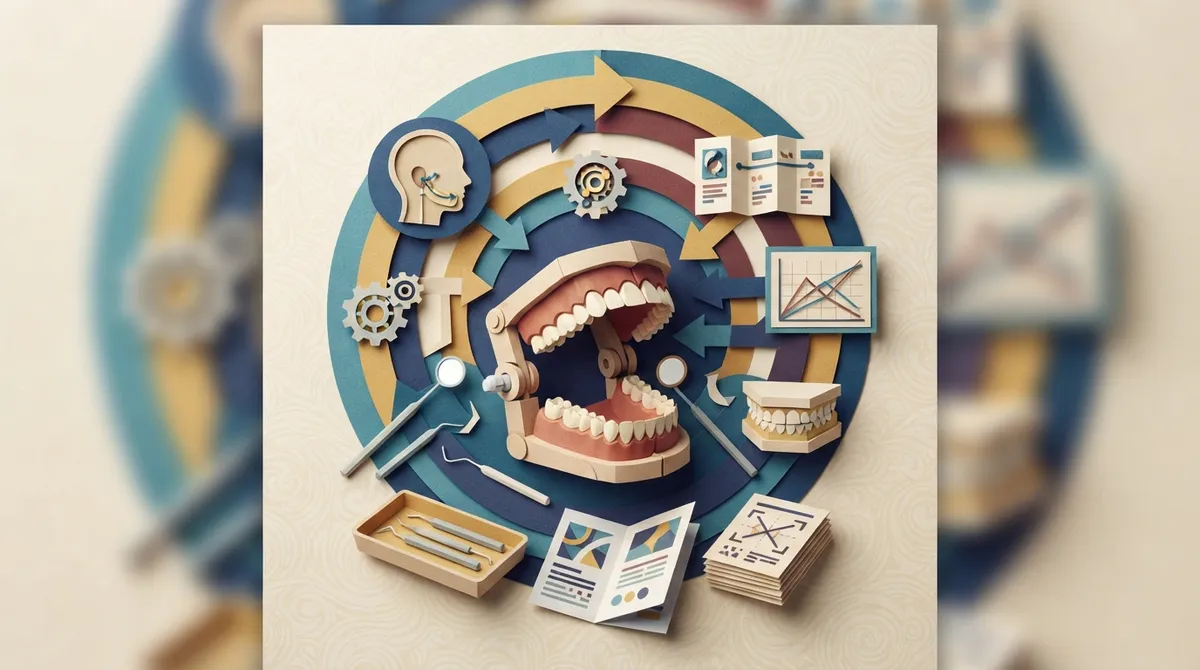
A bite assessment is how an orthodontist checks the way your upper and lower teeth fit together. It looks at your teeth, jaws, and how everything works when you chew, speak, and smile. Orthodontists often call the bite your “occlusion.”
A good assessment combines three things:
- Your history: your dental past, health background, habits, and concerns.
- A clinical exam: a hands-on look at your teeth, gums, jaws, and movement.
- Diagnostic records: photos, scans or models, and X-rays when they’re needed.
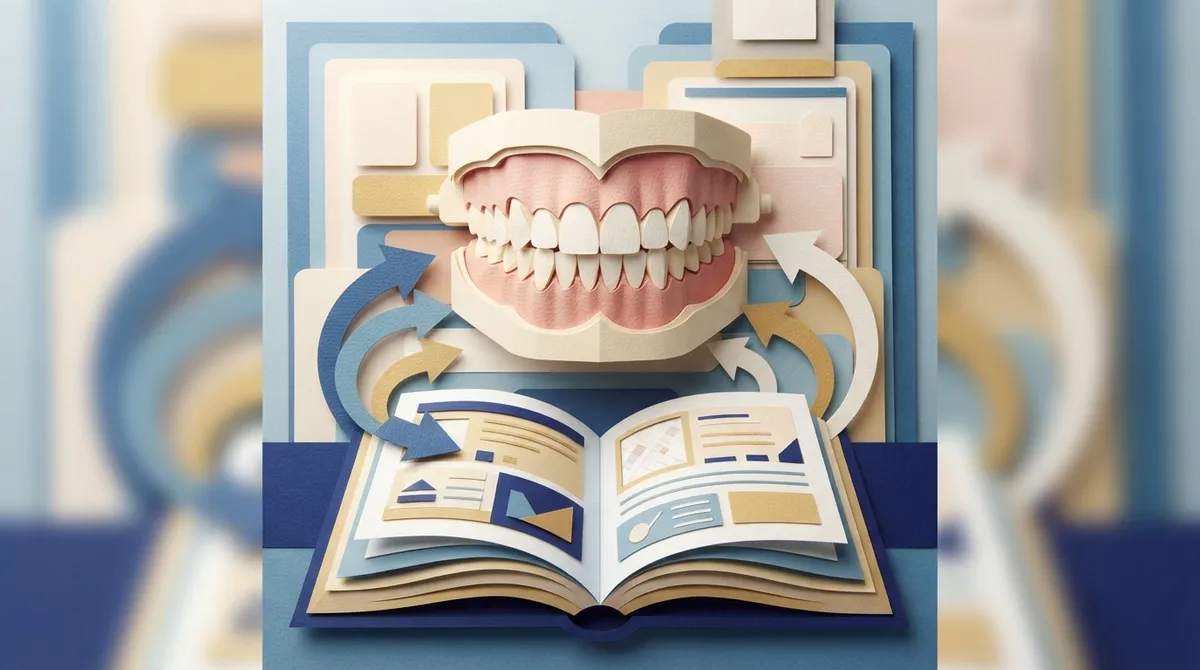
No single piece tells the whole story. History points the way, the exam checks what’s really happening, and records give a closer view. Together, they help shape a plan that fits you.
Why Your Dental History Matters
Your current bite is the result of years of growth, habits, and life events. Looking at it without your history is like reading the last chapter of a book first. You can see how it ended, but not how it got there.
Your history helps your orthodontist:
- Understand how your bite may have developed.
- Know which areas need a closer look during the exam.
- Decide whether X-rays or other records are a good idea.
- Spot factors that may change the treatment plan.
- Set goals that match what you actually care about.
One important note: history guides what to investigate, but it doesn’t replace the exam. A habit or old injury is a clue, not proof. Your orthodontist weighs your history alongside what they see and measure.
The Main Pieces of Your Dental History
Here’s a quick look at the topics most orthodontists cover, and why each one is useful.
| History Topic | What You May Be Asked | Why It Helps the Bite Assessment |
|---|---|---|
| Main concerns | What bothers you most about your smile or bite? | Keeps the plan focused on your goals |
| Past dental care | Fillings, crowns, extractions, ongoing problems? | Shows changes that may affect tooth position and spacing |
| Past orthodontics | Braces or aligners before? How long ago? Did you wear retainers? | Helps explain relapse and what worked or didn’t |
| Injuries | Any blows to the teeth, face, or jaw? | Trauma can affect tooth condition, eruption, or position |
| Habits | Thumb sucking, nail biting, clenching, grinding? | Persistent habits may relate to tooth position and bite |
| Symptoms | Jaw pain, clicking, trouble opening wide? | Guides a closer look at jaw function |
| Health and family | Missing teeth in relatives? Enamel issues? Delayed eruption? | May flag inherited or developmental factors |
Past Dental and Orthodontic Treatment
Let’s start with what has already been done. Fillings, crowns, and lost teeth can all change how teeth sit and meet. If a tooth was removed years ago, nearby teeth may have drifted into the gap. That drift can change your bite in ways you might not notice.
Past orthodontic care matters too. If you wore braces as a teen, your orthodontist will want to know a few things:
- What type of treatment you had.
- How long you wore your retainers, if at all.
- When you first noticed your teeth shifting.
- How you felt about the experience.
If you’re a returning patient, this part of your history is gold. Teeth can shift after treatment, and knowing what happened before helps your orthodontist judge whether you’re seeing true relapse or normal changes over time. If this sounds like you, our guide on how to stop teeth shifting after orthodontic treatment is a helpful read. Don’t feel embarrassed about it, either. Many adults come back for a second round, and we love helping them get their smile back on track.
Injuries to the Teeth, Face, or Jaw
Maybe you took a soccer ball to the face at age 10. Maybe you slipped on a wet pool deck. Those moments can matter years later.
Trauma can affect how a tooth looks, erupts, or sits in the jaw. In some cases, an injured tooth may change color, move out of place, or have changes that show up only on an X-ray. That’s why your orthodontist asks about injuries, even old ones you’ve nearly forgotten.
Here’s a stat to put this in perspective. A 2021 cross-sectional study of Syrian refugee children and adolescents found that 16.5% had a recorded history of dental trauma. That number comes from one specific group, so it isn’t a general rate for everyone. Still, it shows that injuries are common enough that they’re worth asking about.
If you remember an injury, share it. Mention roughly when it happened and whether you saw a dentist afterward. Your orthodontist can then decide if imaging or other follow-up is a good idea.
Oral Habits: Thumbs, Nails, and Clenching
Habits are part of nearly everyone’s story, so there’s no judgment here. Orthodontists ask about them because some habits can be linked to tooth position and bite development.
Common habits include:
- Thumb or finger sucking
- Pacifier use that continued for a long time
- Nail biting or pen chewing
- Teeth clenching or grinding
- Mouth breathing or tongue thrusting
Here’s a key point: a habit in your history is not automatic proof of a cause. Your orthodontist looks at your habits alongside what they see in your mouth. A child who sucked a thumb may have a perfectly normal bite, while another child with a similar history might show changes. The exam sorts it out.
For parents, this is especially useful. If your child still has a habit, tell your orthodontist. It can help shape the timing and type of care. Our page on early treatment explains how young patients are evaluated while their smiles are still developing.
Medical, Dental, and Family Background
Your family tree can offer clues, too. Some dental traits run in families, and your orthodontist may ask about:
- Missing teeth in parents or siblings
- Crowding, gaps, or jaw differences that run in the family
- Enamel problems
- Late-erupting teeth
- General health conditions and medicines you take
These details can flag things that need a closer look. For example, if several relatives were born without certain teeth, your orthodontist may check carefully for the same pattern. Likewise, health conditions and medicines can matter when planning treatment, so share them openly.
For kids, developmental history is a big deal. When baby teeth came in, when they fell out, and whether any were lost early all help your orthodontist understand where your child is on the road to a full set of adult teeth. If you’d like to see how that timing works, read about when your child should see an orthodontist.
Symptoms and Jaw Function
Your bite isn’t just about how teeth look. It’s also about how everything moves. That’s why your orthodontist may ask about symptoms like:
- Jaw soreness, especially in the morning
- Clicking or popping when you open or close
- Trouble opening wide
- Headaches that seem tied to chewing or clenching
- Difficulty biting into certain foods
During the exam, your orthodontist may watch how your jaw opens and closes, listen for joint sounds, and check whether your jaw shifts when your teeth meet. Here’s an important reminder: a history of symptoms does not on its own prove a jaw-joint diagnosis. It simply tells your orthodontist where to look more closely. If something needs more attention, they can talk with you about next steps.
How History Fits With the Exam
Once your story is on the table, the hands-on exam begins. Your orthodontist checks your bite in three directions, and your history helps explain what they find.
Front-to-Back Relationships
This looks at how your upper and lower teeth line up from front to back. It includes overjet, which is how far the upper front teeth stick out, and how your molars and canines meet. Your history of habits, family traits, or past treatment can help explain what shows up here.
Vertical Overlap
This checks how much your upper teeth cover your lower teeth. Too much overlap is a deep overbite. Too little, or a gap between the front teeth when you bite, is an open bite. If you want to learn more about one common pattern, see how braces fix a deep overbite.
Side-to-Side Relationships
This looks at width and alignment, including crossbites and whether the centers of your upper and lower teeth line up. A past injury or a long-standing habit may be a clue to a side-to-side issue, so your history comes into play here too.
Your orthodontist also checks tooth alignment, gum health, oral hygiene, and the way your jaws and face relate to each other. All of it helps build the full picture.
When Records Come Into Play
History guides what to investigate, but records show what’s going on beneath the surface. Depending on your case, your orthodontist may suggest:
- Photos: to capture your smile, face, and teeth from different angles.
- Dental scans or models: to study how your teeth fit together.
- X-rays: to see roots, unerupted teeth, bone, and jaw relationships.
Not everyone needs every record. For example, a child with a past injury might benefit from imaging to check tooth roots, while an adult with only mild crowding may need less. At Brockway Orthodontics, we use modern tools like digital scans instead of messy molds and 3D imaging to plan with precision, which makes the process comfortable and clear. You can learn more about what to expect during your orthodontic exam.
Special Situations: Who Benefits Most From a Careful History?
Parents of Kids and Teens
For growing patients, history is a roadmap. Eruption timing, early tooth loss, and habits all help your orthodontist decide whether to watch and wait or step in early. Bring any notes you have about baby teeth, injuries, or habits. Even a few lines on your phone can help. Our guide to orthodontics for kids covers more of what parents should know.
Adults and Busy Professionals
If you’re juggling work and life, you may want a plan that fits your schedule. Telling your orthodontist about grinding from stress, old dental work, or earlier braces can help streamline your assessment. We also offer adult treatment options designed for busy lives.
Relapse Patients
If your smile has shifted since your last treatment, your history is especially valuable. Share what kind of braces or aligners you had, how you used your retainers, and when you noticed changes. A clear picture of the past helps shape a fresh, personal plan. Learn about retainers and how they protect your results.
Health-Conscious Patients
If you have gum concerns or complex dental needs, your history helps your orthodontist take extra care. Share any gum treatment, sensitivity, or ongoing dental issues so your plan supports both function and long-term oral health.
How Common Are Bite Problems?
Bite differences are very common, though the numbers vary a lot between studies. In that same 2021 study of Syrian refugee children and adolescents, malocclusion was reported in 83.8% of participants. Because the study group and setting are specific, it’s not a general rate for all populations.
A review summarized by the National Elf Service reported mean estimates of 23.8% for Angle Class II and 6.5% for Class III malocclusion across included studies. The review also noted wide variation in methods, so these figures shouldn’t be treated as universal rates. The takeaway? Bite differences are common, and each person’s story is unique. That’s exactly why a personal history is so valuable.
How to Prepare Your Dental History Before Your Visit
A little prep makes your appointment smoother. Here’s a simple way to get ready:
- Write down your main concerns. What do you want to change or protect about your smile?
- List past treatments. Include braces, aligners, extractions, crowns, and fillings, with rough dates.
- Note any injuries. Even small ones count. Mention when they happened.
- Think about habits. Past or present, include thumb sucking, nail biting, clenching, or grinding.
- Gather health details. Bring a list of medicines and any relevant health conditions.
- Ask family. Find out if relatives had missing teeth, crowding, or jaw issues.
- Bring old records if you have them. Past X-rays, retainers, or treatment notes can help a lot.
Don’t worry if you can’t remember everything. Just share what you know. Your orthodontist will fill in the gaps with the exam and records. For a walkthrough of the first appointment, visit our your first visit page.
What History Can’t Do
It’s worth repeating, because it’s easy to overthink. Your history is a guide, not a verdict. A habit doesn’t prove a cause, an old injury doesn’t guarantee a problem, and a family trait doesn’t guarantee the same outcome for you. Your orthodontist uses history to know where to look, then relies on the exam and records to confirm what’s really going on.
This balanced approach keeps your care accurate and personal. It also helps avoid guesswork, which is good news for your time, comfort, and budget.
Getting Care You Can Trust in Clearwater
At Brockway Orthodontics, we believe the best care begins with listening. Dr. Brockway takes time to hear your story, understand your goals, and explain everything in a friendly, easy-to-follow way. Whether you’re a parent planning for your child, a teen eyeing a big milestone, or an adult ready to revisit your smile, we’re here to help. You can explore our services, including Spark™ Clear Aligners, metal braces, and ceramic (clear) braces. Want to see how others feel about us? Visit us on Google — Brockway Orthodontics and read what our patients say.
For general oral health guidance, the American Dental Association offers helpful patient resources, and the Florida Association of Orthodontists shares information about orthodontic care in our state.
Final Thoughts
Your dental history is more than paperwork. It’s the story behind your smile, and it helps your orthodontist read your bite with care and context. From past treatment and injuries to habits, family traits, and jaw symptoms, each detail adds a piece to the puzzle. Combined with a thorough exam and the right records, your history helps shape a plan built just for you.
Ready to share your story? Book your appointment online and let’s start with a friendly conversation about your smile. Prefer to ask a question first? Feel free to contact us. We can’t wait to meet you!
FAQs
Q: What questions does an orthodontist ask about dental history during a bite assessment?
A: Most orthodontists ask about your main concerns, past dental and orthodontic treatment, injuries to the teeth or jaw, habits like thumb sucking or clenching, and any jaw symptoms. They may also ask about your health and family background. Answer as best you can. There are no wrong answers, and every detail helps!
Q: Why does previous orthodontic treatment matter when assessing my bite?
A: Knowing what you had before, and how you wore your retainers, helps your orthodontist understand why your teeth may have shifted. It also shows what worked and what didn’t. It’s a big help if you’re returning for retreatment.
Q: Can childhood habits like thumb sucking affect a bite?
A: They can be linked to tooth position and bite development, especially if they continued for a long time. But a habit alone doesn’t prove a cause. Your orthodontist looks at your history together with a hands-on exam to see what’s really going on.
Q: Why does an orthodontist ask about jaw pain, clicking, or trouble opening wide?
A: Your bite involves how your jaw moves, not just how your teeth look. These questions tell your orthodontist where to look more closely during the exam. A history of symptoms isn’t a diagnosis by itself, just a helpful clue.
Q: Will I need X-rays or scans for a bite assessment?
A: It depends on your case. History and the exam help your orthodontist decide whether photos, digital scans, or X-rays would be useful. They show things you can’t see, like tooth roots and jaw relationships, so they’re used when they add helpful information.
Our Service Area