Key Takeaways
-
Wear a braces-compatible mouthguard for both practices and games, since injuries happen during drills and scrimmages too, not just in games.
-
A standard store-bought mouthguard often doesn't fit over brackets and wires; ask your orthodontist for a guard designed to work with braces and check its fit as teeth move.
-
Do not force a too-small mouthguard over braces, as pressure can damage the hardware.
-
If a bracket or wire breaks during play, stop immediately, rinse gently, check for cuts, and call your orthodontist; seek urgent care for a knocked-out tooth, heavy bleeding, or jaw injury.
-
Rinse your mouthguard before and after each use, let it air-dry, store it in a ventilated case, keep it away from heat, and replace it if it cracks or fits poorly.
-
Pack a small sports kit with orthodontic wax, a travel toothbrush, and floss, and choose braces-friendly snacks and water over sticky chews or sugary sports drinks.
Picture this: it’s a Friday night game, the crowd is loud, and your teen is flying down the field with a big smile on their face. Then comes a hard bump, a stray elbow, or a ball to the face. Suddenly that smile has a cut lip, a bent wire, or a bracket hanging loose. Nobody wants that kind of surprise, and the good news is that most of it can be avoided.
Here is the thing we love telling families at Brockway Orthodontics: braces and school sports can absolutely go together. Your child does not have to sit out the season. They just need a plan. Good braces care during school sports comes down to a few smart habits, and most of them start with the right gear and the right routine.
In this friendly guide, we will walk through the three biggest mistakes athletes with braces make, how to avoid them, and what to do if something goes wrong on the field. Whether you are a parent cheering from the bleachers or a teen lacing up for tryouts, you will leave with simple, practical steps you can use right away.

Can You Play School Sports With Braces?
Yes, you can! Students can generally keep playing their favorite sports while wearing braces. The American Association of Orthodontists (AAO) advises athletes with braces to wear a mouthguard and to ask their orthodontist which type is right for them.
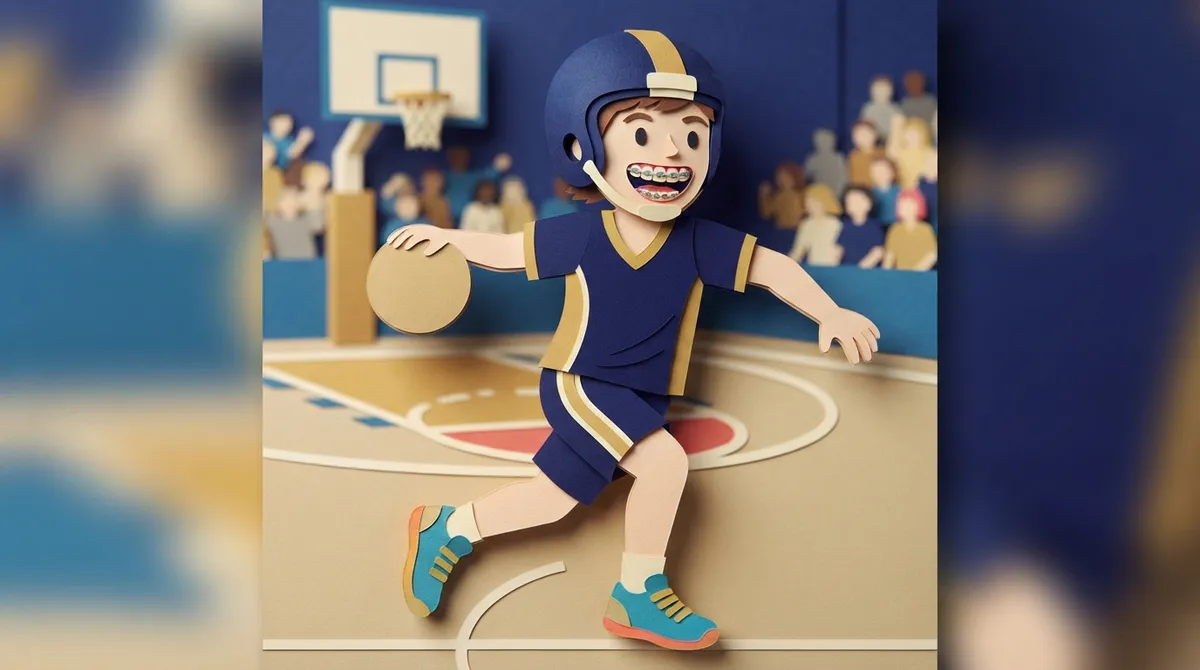
Braces do not stop anyone from running, kicking, shooting, or swimming. What they do change is the way we think about protection. Brackets and wires sit right against the lips and cheeks. A hit to the mouth can press soft tissue into that hardware, which can cause painful cuts. That is why a mouthguard matters even more when you have braces than when you do not.
Here are the sports where families often ask about risk:
- Football, hockey, and lacrosse: Contact and high-speed play make a mouthguard a must.
- Basketball and soccer: Elbows, heads, and balls can land on the face quickly.
- Wrestling: NFHS rules require wrestlers with braces to wear a mouthguard.
- Baseball, softball, and volleyball: A fast ball can cause a dental injury in a split second.
- Gymnastics, cheerleading, and skateboarding: Falls happen, even to the most skilled athletes.
The American Dental Association (ADA) notes that football, field and ice hockey, and lacrosse commonly require mouthguards under NFHS and NCAA rules. Requirements can vary by sport and league, so it is smart to check your school’s current rulebook. But here is the big takeaway: dental injuries are not limited to “rough” sports. They can happen almost anywhere.
Mistake #1: Skipping the Right Mouthguard
The first and most common mistake is skipping a mouthguard altogether, or grabbing the wrong one. Some teens think mouthguards are only for games. Others figure a regular one from the sporting goods store will do the trick. Let’s clear both of those up.
Why a Mouthguard Matters So Much
The research is pretty eye-opening. According to the ADA, a 2007 meta-analysis of team contact-sport studies found that athletes who did not wear a mouthguard had 1.6 to 1.9 times the risk of orofacial injury compared with mouthguard users. A 2019 systematic review reported dental trauma in about 7.5% to 7.75% of mouthguard users, compared with roughly 48% to 59% of non-users. Estimates vary by study, but the message is clear: a mouthguard makes a real difference.
An AAO survey from 2017 found that 99% of surveyed parents believed youth in organized sports should be required to wear mouthguards. Yet 37% said their own child never wore one. That gap is exactly what we want to help close. This is a parent-opinion survey, not an injury-rate study, but it shows how many families know the right answer and still need a little help putting it into practice.
Wear It at Practice, Too
Here is a sneaky one. Many athletes only put their mouthguard in on game day. But practices involve drills, scrimmages, and plenty of bumps. Injuries do not check the calendar. Wear the mouthguard at both practices and games, even in sports where your school does not require one.
Why a Regular Mouthguard Often Does Not Work
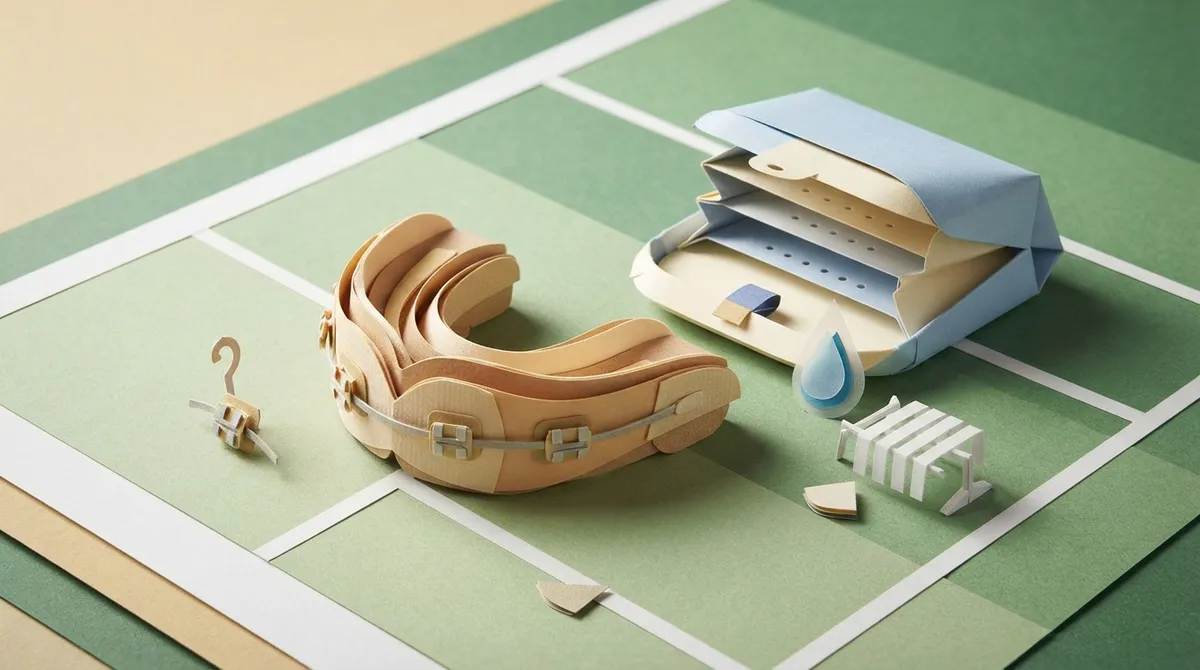
A standard mouthguard is not made with braces in mind. If it does not fit comfortably and securely, do not force it over your braces. Squeezing a too-small guard onto brackets and wires can put pressure on the hardware and may cause damage. A good braces-compatible mouthguard should:
- Fit over the brackets and wires with room to spare
- Cover the teeth and braces fully
- Help protect the lips and cheeks from cuts
- Stay in place without constant biting or clenching
- Feel comfortable enough to wear for a whole practice
Your orthodontist can recommend an orthodontic mouthguard designed to work with braces. Because teeth move during treatment, fit may need to be checked from time to time. A guard that fit perfectly in month one may feel snug or loose by month six.
Mistake #2: Forgetting to Clean and Check the Mouthguard
Mistake number two is a quiet one. The mouthguard goes in the gym bag, gets tossed around, and stays there for days. By the time it comes out again, it is dirty, warped, or cracked. A mouthguard is only helpful if it is clean and in good shape.
Simple Cleaning and Storage Steps
Taking care of a mouthguard does not take long. Here is an easy routine to follow:
- Rinse it with cool water before and after every use.
- Clean it regularly following the care instructions that came with it, such as brushing gently with a soft toothbrush and mild soap.
- Let it air-dry completely before storing it.
- Store it in a ventilated case so air can move around it and it stays protected in your bag.
- Keep it away from heat, including hot water, hot cars, and direct sunlight. Heat can distort the shape.
- Never share it with a teammate, sibling, or friend.
That heat tip matters. It is similar to what we tell patients about aligners and retainers. If you want to learn more, read our guide on why hot water can damage clear aligners, because the same idea applies to mouthguards.
When to Replace It
Give the mouthguard a quick check every so often. Look for these warning signs:
- Cracks, tears, or thin spots
- A loose or sloppy fit
- Bite marks that have worn through the material
- A fit that feels tight or uncomfortable as your teeth shift
Growth, orthodontic changes, and dental procedures can all affect fit. If anything feels off, ask your orthodontist to take a look rather than guessing. A damaged guard gives a false sense of safety, and that is worse than no guard at all.
Quick Comparison: Mouthguard Types for Braces
| Type | Fit With Braces | Comfort | Best For |
|---|---|---|---|
| Standard stock guard | Often poor; may not clear brackets | Can feel bulky | Not recommended without orthodontist approval |
| Boil-and-bite guard | May work if made braces-compatible; check with your orthodontist | Moderate | Athletes who need a budget-friendly option |
| Orthodontic or braces-specific guard | Designed to fit over brackets and wires | Good | Most athletes with braces |
| Custom-fitted guard | Made for your mouth; may need updates as teeth move | Very good | Contact sports and long-term wear |
Not sure which one is right? Ask at your next visit. Our team is always happy to talk through the options and help you pick something that works for your sport and your smile.
Mistake #3: Playing On With Damaged Braces
The third mistake is the one that tugs at our heartstrings: the brave athlete who keeps playing after a hit. A loose bracket or a bent wire might not seem like a big deal in the heat of the game. But playing on can make a small problem much bigger.
What To Do if Something Breaks
If an impact causes a loose or broken bracket, a displaced wire, a tooth injury, significant bleeding, or any facial or jaw injury, stop play. Do not try to push through with damaged hardware. Here is what to do:
- Stop playing and let the coach or an adult know.
- Rinse gently with warm water to see what is going on.
- Check for cuts inside the lips and cheeks.
- Call your orthodontist and describe what happened.
- Seek urgent dental or medical care for a knocked-out tooth, heavy bleeding, or a possible jaw injury.
- Follow the clinician’s instructions before returning to play.
Please do not try to bend wires back into place or glue brackets yourself. For a deeper look at what counts as urgent, check out our article on when you need an emergency orthodontist appointment. And if you want to know what to do while you wait for your visit, our post on broken brackets versus poking wires breaks it down in plain language.
Pack a Little Sports Kit
A tiny kit in the gym bag can make a big difference. Consider tucking in:
- Orthodontic wax for sharp or poking spots
- A ventilated mouthguard case
- A travel toothbrush and floss
- Our office phone number saved in your phone
Little things like these help you handle surprises calmly. For more ideas, see our guide to orthodontic emergency fixes to try before panicking.
More Tips for Keeping Your Braces Happy Between Games
Mouthguards are the star of the show, but a few other habits help too. Sports days are long, and teens are often running from class to practice to a game without much time to think about their teeth.
Fuel Up the Braces-Friendly Way
Sports snacks can be tricky with braces. Sticky energy chews, hard granola bars, and crunchy trail mix can bend wires or pop brackets. Choose softer, gentler options instead. We put together a list of braces-friendly snacks for sports practice that your team will actually enjoy.
Keep Brushing and Flossing After Practice
Sweat, sports drinks, and snacks can leave extra sugar and food trapped around brackets. A quick brush after practice helps protect against white spots and cavities. If the schedule is tight, even a rinse with water and a quick brush in the school restroom is better than nothing. Our post on managing braces care between classes has plenty of simple ideas that fit a busy day.
Stay Hydrated With Water
Water is the best choice during and after play. Sugary sports drinks and sodas can sit on teeth and braces for hours. If your athlete loves a sports drink, suggest sipping water afterward to rinse things away.
Keep Your Appointments
Regular visits let your orthodontist check that your braces are in good shape and that your mouthguard still fits well as your teeth shift. Skipping visits during a busy season can slow your progress. Learn more in our article on why orthodontic checkups matter so much.
A Note for Parents and Young Adults
If you are a parent, you are probably juggling carpools, practice schedules, and a hundred other things. Add braces to the mix and it can feel like a lot. Take a breath. A mouthguard, a simple cleaning routine, and a plan for what to do after a hit will cover most of what you need.
If you are a teen or young adult playing club or college sports, the same rules apply. Your orthodontic investment is worth protecting, and a few minutes of care each day keeps your treatment on track. And if you wear clear aligners instead of traditional braces, sports care looks a little different, so be sure to read about playing school sports with clear aligners.
Here at Brockway Orthodontics, we love seeing our patients thrive in sports and keep their smiles healthy at the same time. Dr. Brockway and our team are always glad to help you pick the right mouthguard, check its fit, and answer your questions. You can also see what our patients say by reading reviews on Google for Brockway Orthodontics.
Quick Game-Day Checklist
Print this out, stick it on the fridge, or snap a photo of it. Run through it before every practice and game:
- Mouthguard is clean, dry, and in its case
- Mouthguard still fits comfortably over braces
- Orthodontic wax and a travel toothbrush are in the bag
- Water bottle is filled (skip the sugary drinks)
- Braces-friendly snacks are packed
- Orthodontist’s phone number is saved in your phone
For extra background on dental protection in sports, the American Dental Association shares helpful information on athletic mouth protectors. It is a good resource to bookmark if you want to read more.
Keep Smiling, Keep Playing
Braces and school sports are a winning pair when you have a little know-how. Remember the three mistakes to skip: leaving the mouthguard behind or using the wrong one, forgetting to clean and check it, and playing on with damaged braces. Avoid those, and your athlete is in great shape for the season.
If you have questions about mouthguards, a loose bracket, or how your braces fit into your sports schedule, we are here for you. Book an appointment online or contact our team and we will help your athlete play hard and smile bright.
FAQs
Q: Can you play school sports with braces?
A: Yes, you absolutely can! Most students with braces keep playing their favorite sports all season long. Just wear a mouthguard that fits over your braces and ask your orthodontist which type is best for you.
Q: What kind of mouthguard should I wear with braces?
A: Look for a braces-compatible mouthguard that covers your teeth and brackets and fits comfortably. Your orthodontist can recommend the right option and check the fit as your teeth move during treatment.
Q: Do I need a mouthguard for practice as well as games?
A: Yes, wear it for both! Bumps and falls happen during drills and scrimmages just as easily as in games. Making it a habit every time you play is the safest way to protect your smile.
Q: What should I do if a bracket or wire breaks during a game?
A: Stop playing right away and let a coach or adult know. Then call your orthodontist for guidance, and seek urgent dental or medical care if there is heavy bleeding, a tooth injury, or a possible jaw injury.
Q: How do I clean and store a mouthguard for braces?
A: Rinse it with cool water before and after each use, clean it as directed, and let it air-dry. Store it in a ventilated case, skip the hot water and direct heat, and never share it with anyone.
Our Service Area