Key Takeaways
-
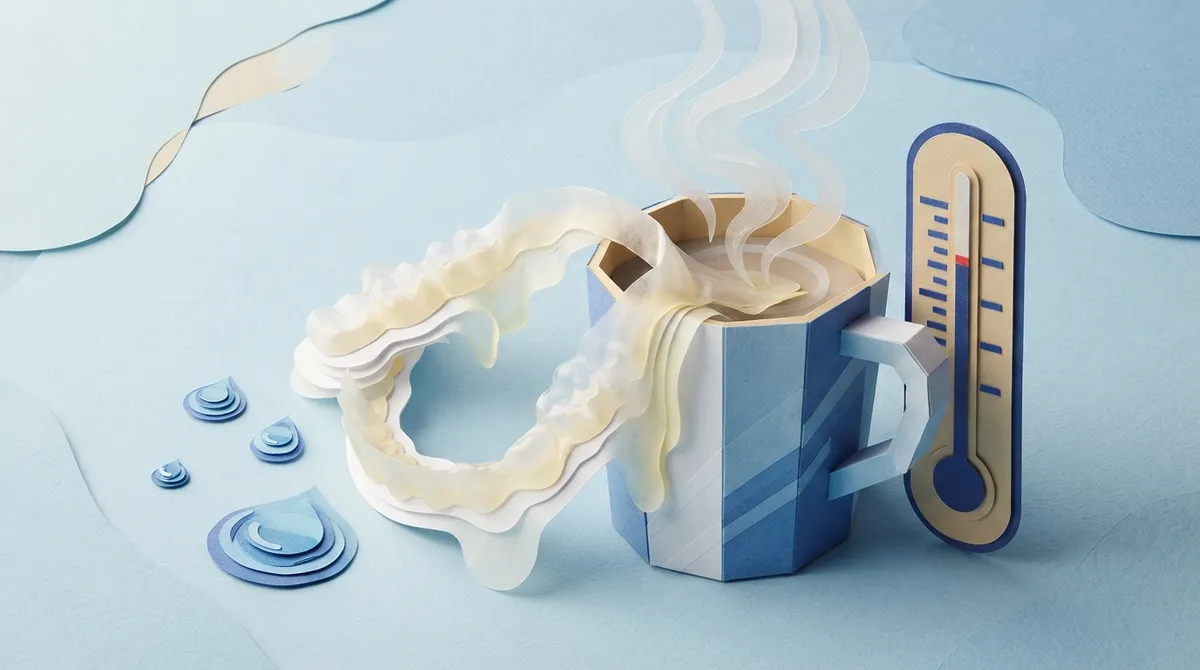
Clear aligners are made from thermoplastic that softens when warm, so hot water can change their shape and cause a poor fit that slows treatment.
-
A 2025 lab study found that aligners soaked in 55°C (131°F) liquids for 45 minutes daily over 14 days changed in size and shape more than those in cooler liquids.
-
There is no universal safe temperature for aligners, so follow your orthodontist's and aligner maker's care instructions and use cool or lukewarm water for cleaning.
-
Avoid common heat sources such as hot tap water, boiling water soaks, dishwashers, microwaves, hairdryers, and hot cars.
-
Remove trays before drinking coffee, tea, or other hot beverages, since heat can warp the plastic and dark drinks can stain it.
-
If a tray has been exposed to hot water, let it cool naturally, avoid reshaping it, and call your orthodontist before moving to the next tray.
You finish a cup of tea, pop your trays back in, and later notice they feel a little snug or just plain off. Sound familiar? You are not alone. Many aligner wearers wonder if a quick rinse under the hot tap really matters. It does, and the reason comes down to simple plastic science.
Here at Brockway Orthodontics in Clearwater, we love helping families, teens, and busy adults keep their treatment on track. So let’s talk about why hot water can damage clear aligners, what heat does to the plastic, and how to clean your trays the safe way. We will also cover what to do if you think you have already made this mistake. No judgment here. It happens to the best of us!

What Are Clear Aligners Made Of?
Clear aligners are made from thermoplastic polymers. That is a fancy way of saying a plastic that holds a shape but can soften when it gets warm. This feature helps manufacturers form each tray to match your teeth. It is also why heat is not your friend.
Each tray is designed to hold a precise shape. That shape applies gentle, controlled force to move your teeth a little at a time. If the shape changes, the force can change too.
Different aligner systems use different materials. Some use a single layer of plastic. Others use multiple layers. That means there is no one-size-fits-all rule for how much heat is too much. Your orthodontist and your aligner maker are your best guides. If you are curious about the aligners we offer, you can read more about Spark™ Clear Aligners.
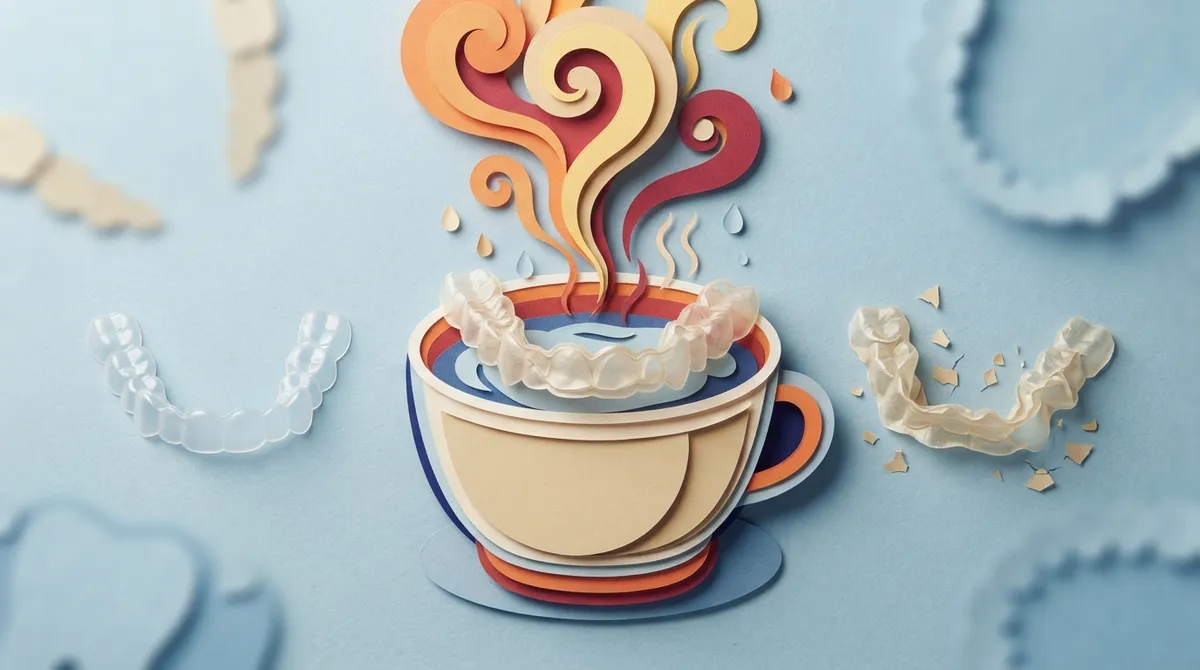
Why Hot Water Can Damage Clear Aligners
So, why does hot water cause trouble? It all comes down to how plastic behaves when it warms up. Heat gives the plastic’s molecular chains more freedom to move. When that happens, the material can soften and shift. Once it cools, it may not return to its original shape.
Even a small change can matter. Your aligners work because they fit your teeth very closely. A tray that has warped a little may not seat all the way down. It may also press on your teeth in the wrong places.
How Heat Changes the Fit
Think of a plastic water bottle left in a hot car. It may look the same at first glance, but it can end up bent or twisted. Aligners are thinner and far more precise. They have much less room for error.
A warped aligner can lead to a few problems:
- The tray may not snap fully onto your teeth
- Pressure may feel uneven or uncomfortable
- Teeth may not move the way your plan expects
- Treatment may take longer if trays stop tracking well
What Research Shows
A 2025 laboratory study tested 100 thermoformed aligners. Some were single-layer and some were multilayer. They were soaked in different liquids, including water and coffee at 55°C (about 131°F). Others were soaked in cooler liquids at 5°C and in water at 37°C.
The aligners were immersed for 45 minutes each day for 14 days. The hot-liquid groups showed noticeably greater changes in size and shape than the cooler groups. That is a strong hint that heat matters.
Here is an important note, though. This was a lab test, not real life. A quick rinse is not the same as a daily 45-minute soak. Still, the study backs up what orthodontists advise: keep heat away from your trays.
What Temperature Is Too Hot for Clear Aligners?
This is one of the most common questions we hear. The honest answer is that there is no single magic number. Different brands and materials respond differently. Exposure time also matters, as does the thickness of each tray.
For that reason, we do not recommend guessing. Instead, follow the care instructions from your orthodontist and the aligner manufacturer. When in doubt, stay cool.
It also helps to know what normal looks like. Aligners are typically worn for about 22 hours a day in a warm, moist mouth at around 37°C (98.6°F). They are designed for that. Water from the hot tap, a boiling kettle, or a steaming mug is a whole different story.
| Situation | Risk Level | What to Do |
|---|---|---|
| Rinsing with cool water | Very low | Safe and recommended |
| Rinsing with lukewarm water | Low | Generally fine for cleaning |
| Hot tap water | Higher | Avoid; can change the plastic |
| Boiling water or steam | High | Never use on aligners |
| Sipping hot tea or coffee with trays in | Higher | Remove trays first |
| Dishwasher, microwave, or hot car | High | Keep trays away from all heat sources |
Everyday Heat Traps to Watch Out For
Hot tap water is the obvious culprit. But heat can sneak in from many places. Here are some common ones we see:
- Hot drinks: Coffee, tea, and hot chocolate can warm your trays quickly if you leave them in.
- Dishwashers: The heat and high-pressure spray are rough on thin plastic.
- Microwaves: Some people try this to “sanitize” trays. Please don’t!
- Hot cars: A case left on the dashboard can get surprisingly warm.
- Boiling water soaks: This is a popular internet hack that can ruin a tray fast.
- Hair dryers and heaters: Drying trays with direct heat can cause warping.
The bonus is that these are all easy to avoid once you know about them. A little habit change goes a long way.
How to Clean Clear Aligners Safely
Good news! Keeping aligners clean does not take fancy gear. Cool or lukewarm water, a soft toothbrush, and a gentle routine are usually enough. For a full walkthrough, take a look at our friendly guide on how to clean clear aligners.
Here is a simple daily routine:
- Take your aligners out and rinse them with cool or lukewarm water right away.
- Brush them gently with a soft toothbrush. Skip harsh or gritty toothpaste, which can scratch the plastic.
- Brush and floss your teeth before putting the trays back in.
- Rinse the trays once more before you wear them again.
- Store them in their case whenever they are out of your mouth.
Use the specific cleaning method recommended for your aligner system. Some brands suggest particular cleaning crystals or solutions. Always check with your orthodontist first.
Tips for Busy Lives
We know life gets hectic. Parents juggle school runs, teens have practices and study groups, and professionals have back-to-back meetings. Here are a few easy ways to protect your trays on the go:
- Keep a travel case in your bag, car, and desk drawer
- Set a phone reminder to rinse trays after meals
- Take aligners out before hot drinks, then rinse and replace after
- Never wrap trays in a napkin, since they often end up in the trash
Can You Drink Hot Coffee or Tea With Aligners In?
The short answer is that it is best to take them out first. Hot drinks can warm the plastic, and sugary or dark drinks can also stain your trays. Orthodontic guidance, including advice from Orthodontic Australia, recommends removing trays before heated drinks because hot liquids can warp plastic and affect fit.
Plain water is fine to sip while wearing your aligners. For anything else, pop them out, enjoy your drink, brush if you can, and put them back. If you want more food and drink pointers, our post on clear aligner food mistakes is a handy read.
What to Do If You Washed Your Aligners in Hot Water
First, take a breath. It is a very common slip, and one rinse is not always a disaster. Still, it is worth paying attention to what happened next.
Here is what we suggest:
- Let the tray cool naturally. Do not run it under cold water to speed things up or try to press it back into shape.
- Check the fit gently. See if it sits fully and evenly on your teeth without much force.
- Look for changes. Notice any bends, waves, or spots that look different.
- Do not try to fix it yourself. Bending or reshaping can make things worse.
- Call your orthodontist. Let us know what happened so we can advise you.
Please do not simply jump ahead to your next tray without talking to us. Moving on too soon can affect your plan. We can look at the tray, check your progress, and tell you whether to keep wearing it, switch, or get a replacement. If you ever want to reach us, you can contact us anytime.
Can a Warped Aligner Affect Your Treatment?
Yes, it can. Clear aligners only work well when they fit well. A distorted tray may not sit all the way down on your teeth. It may also not apply the right amount of force where it is needed.
How much it matters depends on several things. These include the material, how hot the water was, how long the exposure lasted, and the individual tray. A tiny change may do little. A big change could slow your progress.
That is why checking in with your orthodontist is so helpful. We can spot small issues early, before they turn into delays. Catching a problem in week two is far easier than catching it in month four!
Cool Habits for Different Aligner Wearers
Every patient has different needs. Here is how these tips fit different lifestyles.
For Parents of Kids and Teens
Kids can be forgetful, and that is totally normal. Make it a family habit to use cool water only. A fun trick is to label the bathroom tap “cool only” during treatment. Teach your child to put trays in the case, not on a lunch tray. If your child is exploring options, you can read about our adolescent treatment options.
For Teens and Young Adults
Between coffee runs, late-night study sessions, and social events, aligners can get lost or overheated. Keep a case in your backpack and take trays out before that hot latte. Your future smile will thank you!
For Adult Professionals
Busy workdays make it tempting to rinse trays in the office kitchen with hot water. Instead, keep a small bottle of cool water and a travel brush at your desk. Our adult treatment page shares more about discreet options that fit a full schedule.
For Retreatment and Relapse Patients
If you are back for another round of care, you already know how much effort goes into a great smile. Protect that investment by caring for your retainers and aligners the right way. Heat can warp retainers too, so the same cool-water rule applies. You can learn more about retainers on our site.
Why Care From a Trusted Orthodontist Makes a Difference
At Brockway Orthodontics, we believe education is part of great care. Dr. Brockway takes time to listen, explain, and make sure you feel confident about every step. Whether you wear braces or clear aligners, we want you to know exactly how to care for your treatment. You can learn more about Dr. Brockway and our approach on our site.
We use modern tools like digital impressions and 3D imaging to plan your care. We also offer Spark™ Clear Aligners, which are a more affordable alternative to other well-known options. You can see what other patients say by checking out our Brockway Orthodontics reviews on Google. Families across Clearwater trust us for friendly, personalized care.
For general oral health guidance, resources from the American Dental Association are also a helpful place to learn more. And if you want to learn more about orthodontic standards in our state, the Florida Association of Orthodontists is a good resource.
Quick Recap: Keep Your Aligners Cool
Let’s wrap up the big ideas in one place:
- Clear aligners are made of heat-sensitive thermoplastic
- Hot water can soften and warp trays, changing the fit
- A poor fit can slow your progress and affect comfort
- There is no universal safe temperature, so follow your orthodontist’s advice
- Use cool or lukewarm water for cleaning
- Remove trays before hot drinks
- Avoid dishwashers, microwaves, boiling water, and hot cars
- If you think a tray warped, call your orthodontist instead of fixing it yourself
Protect Your Smile With the Right Care
Hot water may feel like the best way to get things squeaky clean, but your aligners prefer it cool. A few simple habits can protect your trays and keep your treatment moving smoothly. And if something goes wrong, we are always here to help.
Have questions about your aligners, or thinking about starting treatment? We would love to meet you. Book your appointment online and let’s get your smile journey started the right way.
FAQs
Q: Can hot water warp clear aligners?
A: Yes, it can! Clear aligners are made from heat-sensitive plastic, so hot water may soften them and change their shape. Even a small change can affect how well your trays fit, so stick with cool or lukewarm water.
Q: Can I rinse my aligners with lukewarm water?
A: In general, yes. Cool or lukewarm water is the safest choice for rinsing and cleaning. Just be sure to follow the specific instructions from your orthodontist and your aligner maker, since materials can vary.
Q: Can I drink hot coffee or tea while wearing clear aligners?
A: It is best to take your aligners out first. Hot drinks can warm and warp the plastic, and coffee and tea can stain it too. Enjoy your drink, rinse your mouth, and then pop your trays back in.
Q: What should I do if I accidentally washed my aligners in hot water?
A: Don’t worry, it happens! Let the tray cool on its own, check that it still fits evenly, and avoid trying to reshape it. Then give our office a call so we can tell you whether to keep wearing it or swap it out.
Q: Should I move on to my next aligner if my current one has been exposed to heat?
A: Please check with your orthodontist before switching trays. Moving ahead too soon could affect your treatment plan. We can look at your tray and your progress and guide you on the best next step.
Our Service Area