Key Takeaways
-
The first braces timeline is a forecast, not a guarantee; teeth respond differently in every mouth, and orthodontists may adjust the plan as treatment progresses.
-
Missed or widely spaced adjustment visits can stall tooth movement, so book your next appointment before leaving and call right away to reschedule any missed one.
-
Skipped or inconsistent elastic wear can add months to treatment, so use daily reminders and keep a spare supply, but never wear elastics longer or double up without advice.
-
Broken or loose brackets and wires interrupt planned movement; avoid hard, sticky foods and wear a mouthguard during sports, and call your practice instead of repairing at home.
-
Plaque buildup, gum inflammation, or cavities may force your orthodontist to pause tooth movement, so brush after meals, floss daily, and keep regular dental check-ups.
-
Age is not a major factor: a 2020 systematic review found no significant overall difference in fixed-brace treatment time between adults and adolescents, so case complexity and compliance matter more.
You were so excited at your first visit. Your orthodontist gave you a timeline, you marked your calendar, and you pictured that big smile on the day the braces come off. Then a few months slip past the date, and you start to wonder, what happened?
First, take a deep breath. You are far from alone, and a longer timeline does not mean something is wrong with you or your teeth. It is one of the most common questions we hear from patients of every age.
The truth is simple. Why braces treatment may take longer than expected comes down to one big idea: the first estimate is a forecast, not a guarantee. Teeth are alive, and every mouth responds in its own way. In this friendly guide, we will walk through the most common reasons for a longer journey, what you can control, and what to do if your treatment feels stuck. We will also share how our team at Brockway Orthodontics keeps every patient on track.

How Long Do Braces Usually Take?
Before we talk about delays, let’s set a fair starting point. The American Association of Orthodontists says most people wear braces for about 12 to 24 months. They also note that the time varies, and more complex treatment can take longer.
Other sources give slightly different numbers. A 2020 systematic review in Progress in Orthodontics described an average of about 24.9 months for fixed braces. NHS patient information often gives an 18 to 24 month average, and some NHS sources mention a typical range of two to three years.
Why so many different numbers? Because every group of patients is different. Some people need a small fix, and others need a big bite change. These numbers are helpful averages, but they are not a promise for you.
| Source | Typical Braces Timeline |
|---|---|
| American Association of Orthodontists | About 12 to 24 months |
| Systematic review (Progress in Orthodontics, 2020) | About 24.9 months average |
| NHS patient information | 18 to 24 months average; 2 to 3 years in some guidance |
If you want a deeper look at timelines, our guide on 7 timelines that answer how long braces really take breaks it down even more.
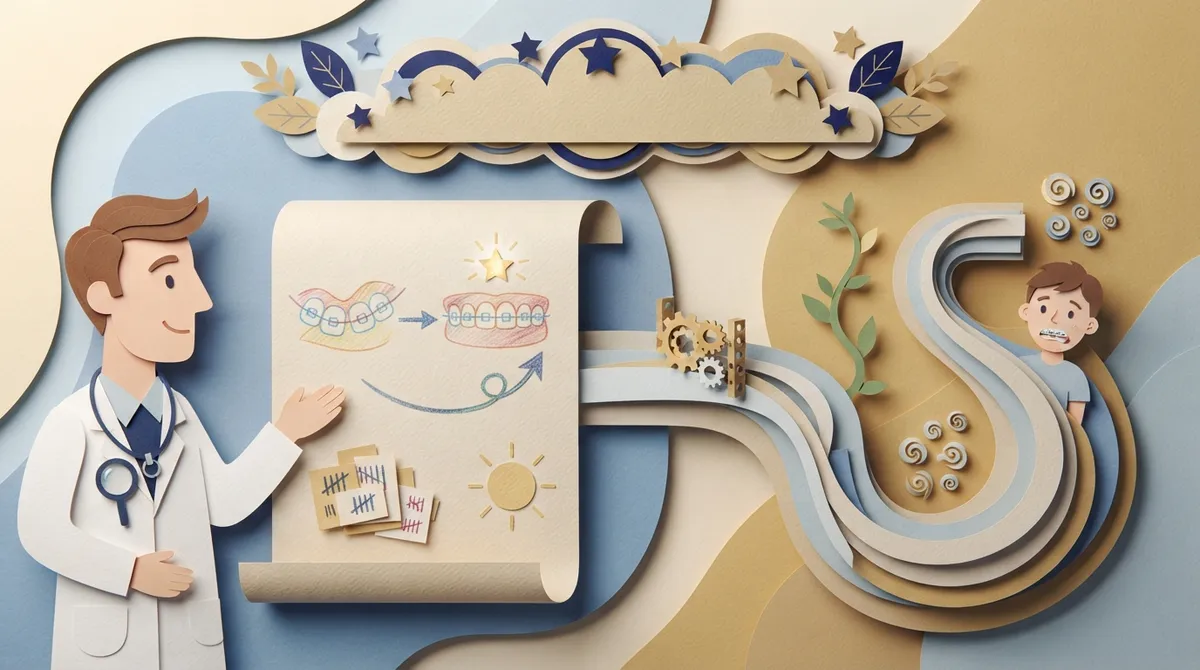
Your First Estimate Is a Forecast, Not a Guarantee
Think of your treatment estimate like a weather forecast. A good forecaster uses the best information available, but the sky can still surprise you. Your orthodontist does the same thing.
At the start, your orthodontist looks at your bite, your x-rays, your scans, and your goals. Then they predict how long the work should take. But teeth do not always move on a perfect schedule. As treatment goes on, your orthodontist may adjust the plan based on how your teeth respond.
That is not a failure. It is actually good care. A thoughtful orthodontist watches your progress and changes the plan so the final result is healthy and stable. A rushed result that does not last is no gift at all.
Reason 1: Your Case Is More Complex Than It First Looked
Some cases are simply more involved. How long treatment takes depends on the type of bite problem, how many teeth need to move, and how far they need to travel.
Here are a few things that can make treatment longer:
- Substantial bite correction, such as a deep overbite or underbite
- Teeth that are far out of place or badly rotated
- Heavy crowding or large gaps to close
- Treatment that includes jaw surgery
Sometimes a complex need becomes clearer only once treatment is underway. A tooth may move more slowly than hoped, or a bite may need extra steps. Your treating orthodontist is the best person to explain which parts of your case affect your timeline.
If you are curious how bite problems are handled, you might enjoy our article on how braces fix a deep overbite. And if you want to understand how complexity can shape the overall plan, read our Clearwater guide to comprehensive orthodontic treatment.
Reason 2: Missed or Spread-Out Appointments
Adjustment visits are the engine of your treatment. At each one, your orthodontist checks how your teeth are moving and makes the next planned change. The American Association of Orthodontists says visits are typically every 4 to 12 weeks depending on your stage. Many NHS sources commonly suggest about every 6 to 8 weeks.
When visits get missed or pushed far apart, your teeth may sit still while the clock keeps ticking. Your wires may need changing, but they stay the same. Small problems can go unnoticed, and progress slows down.
We get it. Life is busy. Soccer practice, work deadlines, school exams, and family trips all fight for your calendar. If you miss a visit, please do not feel guilty. Just call us right away so we can get you back on the schedule. Our team has a helpful article on what to do after a missed orthodontist appointment if you want a quick refresher.
Also, if you finish a visit and no follow-up has been booked, ask about it before you leave. Your treating practice’s schedule always comes first.
Reason 3: Broken or Loose Brackets and Wires
Braces are strong, but they are not invincible. A bracket can pop off. A wire can slip out of place. Either one can interrupt the planned tooth movement.
Here is why it matters. When a bracket is loose, that tooth is not getting the gentle push it needs. It can drift, and your orthodontist may need an extra visit just to repair it. Repeated breakages can add real time to your treatment.
Common causes include:
- Biting hard or sticky foods like caramel, hard candy, or ice
- Chewing on pens, nails, or other objects
- Contact during sports without a mouthguard
Please do not try to fix a broken brace yourself. Call your orthodontic practice for advice. We can often tell you what to do at home until you are seen. If you want to know what counts as urgent, take a look at broken bracket vs. poking wire and our 7 orthodontic emergency fixes to try before panicking.
Reason 4: Not Wearing Elastics or Removable Appliances as Directed
Rubber bands and removable appliances are powerful helpers. They guide your bite into the right position. But they only work when you wear them the way your orthodontist asked.
If elastics get skipped or worn on and off, tooth movement slows down. Some bite changes simply cannot happen without them. That can stretch treatment by months.
Here is an important tip. Do not double up or wear them longer than directed, thinking you will speed things up. More is not always better, and it can cause problems. Always follow the plan your orthodontist gave you, and ask before changing anything.
Struggling to remember? You are in good company. Try these simple habits:
- Keep a spare pack of elastics in your backpack, car, and bathroom.
- Set a daily phone reminder for changing them.
- Link the habit to something you already do, like brushing your teeth.
- Ask your orthodontist if you are unsure about your wear time.
Our article on 3 rubber band mistakes that slow your braces has even more tips. And if you use aligners, how to keep your clear aligner timeline on track is a great read.
Reason 5: Oral Health Concerns Along the Way
Healthy teeth and gums are the foundation of safe treatment. If cleaning slips, plaque can build up around brackets. That can lead to gum inflammation, cavities, or white spots on the teeth.
When those problems appear, your orthodontist may need to pause and address them before tooth movement continues. It is the safe choice, but it can add time.
The good news is that this one is very much in your hands. Here are some simple ways to protect your teeth during treatment:
- Brush after meals and before bed, paying attention to the gumline
- Floss daily with a floss threader or water flosser
- Keep up with regular dental check-ups
- Limit sugary drinks and snacks
Need help with technique? We have friendly guides on how to brush teeth with braces and 7 brushing mistakes that wreck braces. You can also read about why cavities need attention before orthodontic treatment.
Does Age Make Braces Take Longer?
Many adults worry that their age will slow things down. Here is some reassuring news. A 2020 systematic review and meta-analysis found no significant overall difference in fixed-brace treatment time between adults and adolescents. The review looked at 11 studies with 2,969 adolescents and 1,380 adults. The authors did note that the quality of the evidence was limited, so we should be careful about big claims.
What matters more is the complexity of your case and how well you follow your plan. A teen who skips elastics may take longer than an adult who follows every instruction. And an adult with a simple case may finish faster than a teen with a tricky bite.
If you are an adult thinking about treatment, or you are returning after a past round, you are in the right place. Our post on 14 facts that prove adults can get braces may boost your confidence.
Quick Reference: What Slows Treatment and What Helps
| What Can Slow Treatment | What Helps Keep You on Track |
|---|---|
| Complex bite or tooth movement | Ask your orthodontist to explain your timeline and any changes |
| Missed or widely spaced visits | Book your next visit before you leave and reschedule missed ones quickly |
| Broken brackets or wires | Avoid hard or sticky foods and call us if something breaks |
| Skipped elastics or aligner wear | Wear them exactly as directed and use reminders |
| Plaque, gum issues, or decay | Brush, floss, and keep regular dental check-ups |
What to Do If Your Treatment Seems Stalled
If you feel like nothing is changing, you do not have to wait in silence. Here is a simple plan you can follow:
- Write down your questions. Note how long you have been in treatment and what feels different from the original plan.
- Call your orthodontist. Ask for a progress check rather than waiting for the next routine visit.
- Ask for a revised estimate. Your orthodontist can look at your current progress and share an updated timeline.
- Ask what you can do. There may be clear steps, like wearing elastics more consistently or improving cleaning.
- Avoid DIY fixes. Never try to speed things up on your own or repair appliances at home.
Remember, your orthodontist wants you to finish happy and healthy. A clear conversation often clears up worries fast. It also helps to know how orthodontists track braces progress, so you know what to look for at each visit.
When Should You Call Your Orthodontist Right Away?
Some situations should not wait. Reach out to your practice promptly if:
- A bracket, wire, or band is loose or broken
- You missed an appointment and no new one is booked
- You lost an elastic supply or a removable appliance
- You notice swollen gums, sore spots, or white marks on your teeth
- Your progress feels very different from what you were told
Acting fast keeps small problems from turning into big delays. Our guide on 15 orthodontic emergencies mistakes that cost you time shows how quick action saves weeks.
How Brockway Orthodontics Helps Keep You on Track
At Brockway Orthodontics in Clearwater, we want your treatment to feel clear and calm. Dr. Brockway takes time to listen to your goals and explain your plan in simple, friendly language. If your timeline needs to change, we will tell you why and what we can do together.
We also use modern tools like digital impressions and 3D imaging to plan with care and track your progress. We offer metal braces, ceramic braces, and Spark Clear Aligners, so we can fit a plan to your life and your smile. Want to know what to expect from the practice? Take a look at who the Brockway orthodontist in Clearwater, FL is, or see what neighbors say when you visit us on Google — Brockway Orthodontics.
For more on how professional guidance matters, the American Dental Association offers helpful public resources on oral health. You can also learn about specialist care through the Florida Association of Orthodontists. And the American Association of Orthodontists offers helpful general information on braces and treatment time for patients and families.
A Gentle Reminder: Slower Can Still Mean Better
It is natural to feel frustrated when your finish line moves. But a few extra months is a small price for a smile that lasts for life. Teeth that move at a healthy pace and are held in place with good retainers stay beautiful far longer than teeth rushed to the finish.
Your part matters, too. Go to your visits. Wear your elastics. Protect your braces. Keep your teeth clean. Do those four things, and you give your treatment its best chance to finish on time.
Ready to Talk About Your Timeline?
If your braces journey feels longer than you hoped, or you are thinking about starting treatment, we would love to chat. Let’s look at your smile together, answer your questions, and build a plan that makes sense for you. Book your free consultation online or contact us with any questions. We are here to help you smile with confidence.
FAQs
Q: How long do braces usually take to work?
A: Most people wear braces for about 12 to 24 months, according to the American Association of Orthodontists. Your own timeline depends on your bite, your teeth, and how well treatment goes, so your orthodontist can give you the best estimate.
Q: Can missing orthodontist appointments make braces take longer?
A: Yes, it can! Adjustment visits are when your orthodontist checks progress and makes planned changes, so missed or widely spaced visits can slow things down. If you miss one, just call us right away and we will get you back on track.
Q: Do broken brackets or wires delay braces treatment?
A: They can. A broken or loose bracket or wire interrupts planned tooth movement and may need an extra repair visit. Call your orthodontic practice for advice instead of fixing it yourself.
Q: Does age affect how long braces treatment takes?
A: Not as much as many people think. A 2020 systematic review found no significant overall difference in fixed-brace treatment time between adults and adolescents, though the evidence quality was limited. Case complexity and following instructions matter more.
Q: What should I do if my braces treatment seems stalled?
A: Reach out to your orthodontist and ask for a progress check and a revised estimate. They can explain what is happening and suggest helpful steps, like wearing elastics as directed or improving brushing. Please avoid trying to speed things up on your own.
Our Service Area