by Eric Pulizzano | Nov 8, 2026 | Blog
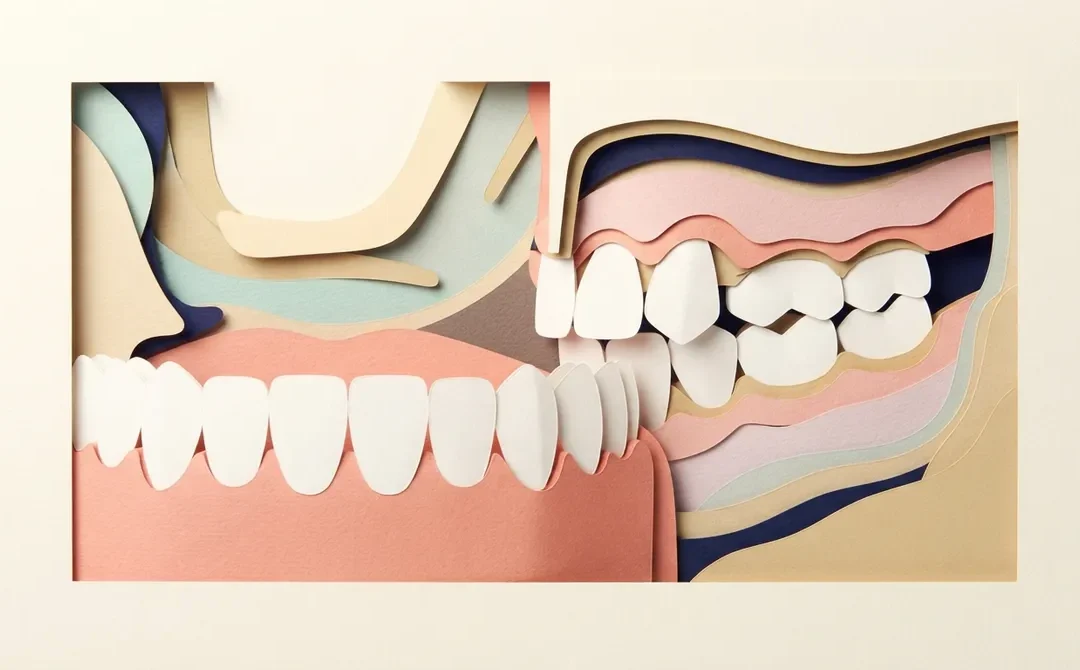
Key TakeawaysA straight smile and a healthy bite are different: alignment describes how teeth look, while occlusion describes how upper and lower teeth and jaws meet when you close your mouth.Jaw size or position mismatches are a major hidden cause, such as a...
by Eric Pulizzano | Nov 8, 2026 | Blog
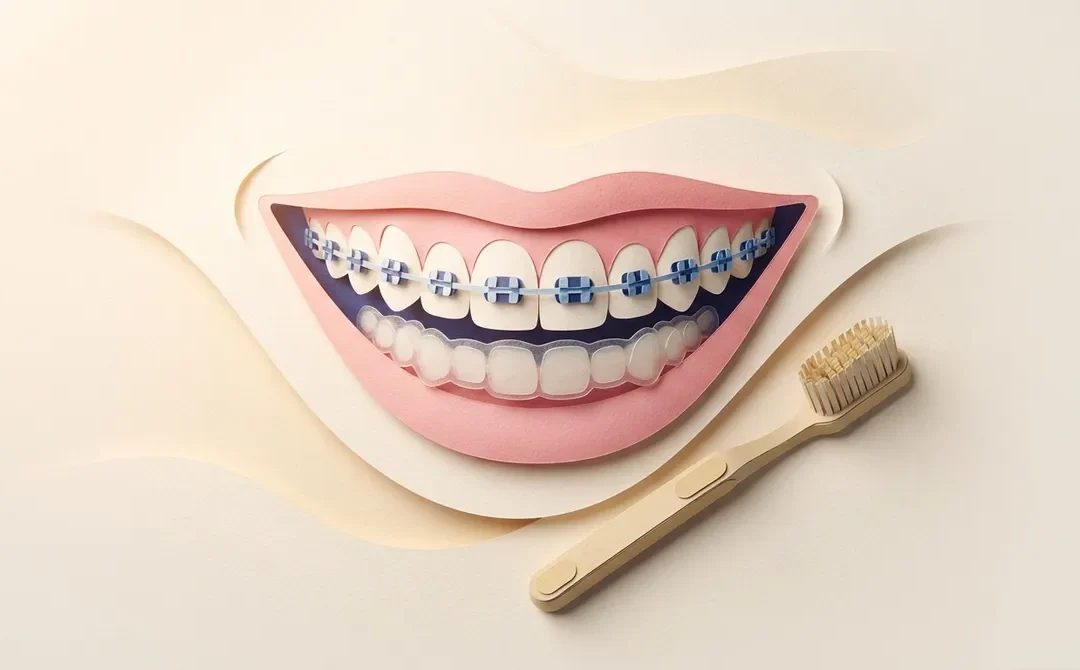
Key TakeawaysAdults in their thirties can start orthodontic treatment; there is no upper age limit, and candidacy depends on healthy teeth, gums, and supporting bone rather than age.Resolve gum disease, untreated cavities, and plaque buildup with your dentist or...
by Eric Pulizzano | Nov 8, 2026 | Blog
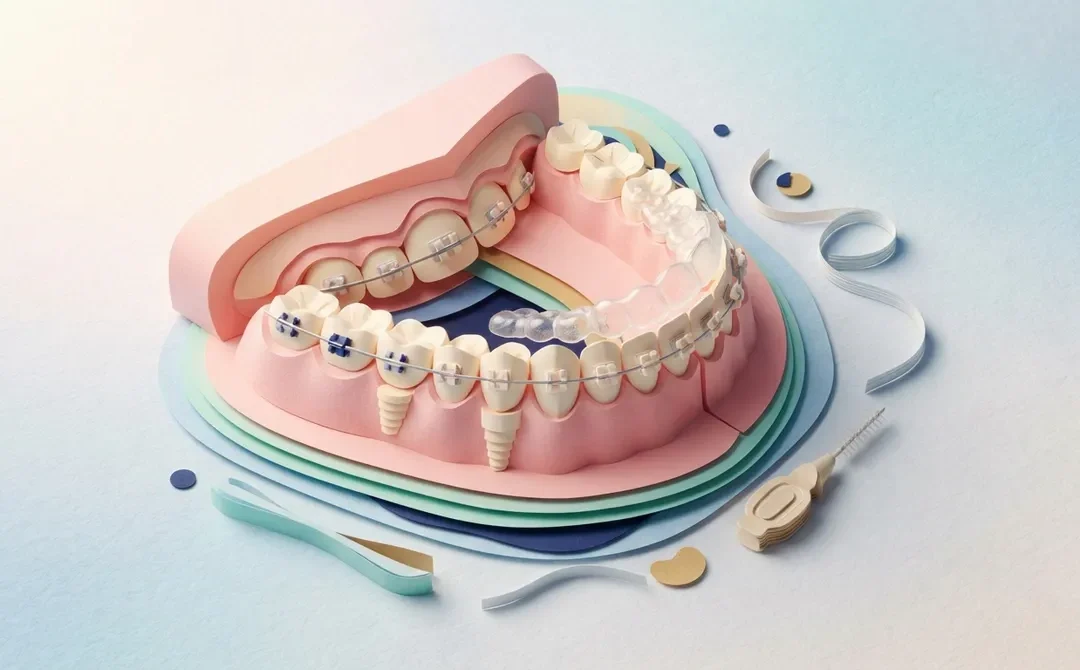
Key TakeawaysActive cavities should be treated before braces or aligners begin, since brackets and wires make cleaning harder and decay can grow faster during treatment.Gingivitis often improves with better hygiene and a professional cleaning, while periodontitis must...
by Eric Pulizzano | Nov 8, 2026 | Blog
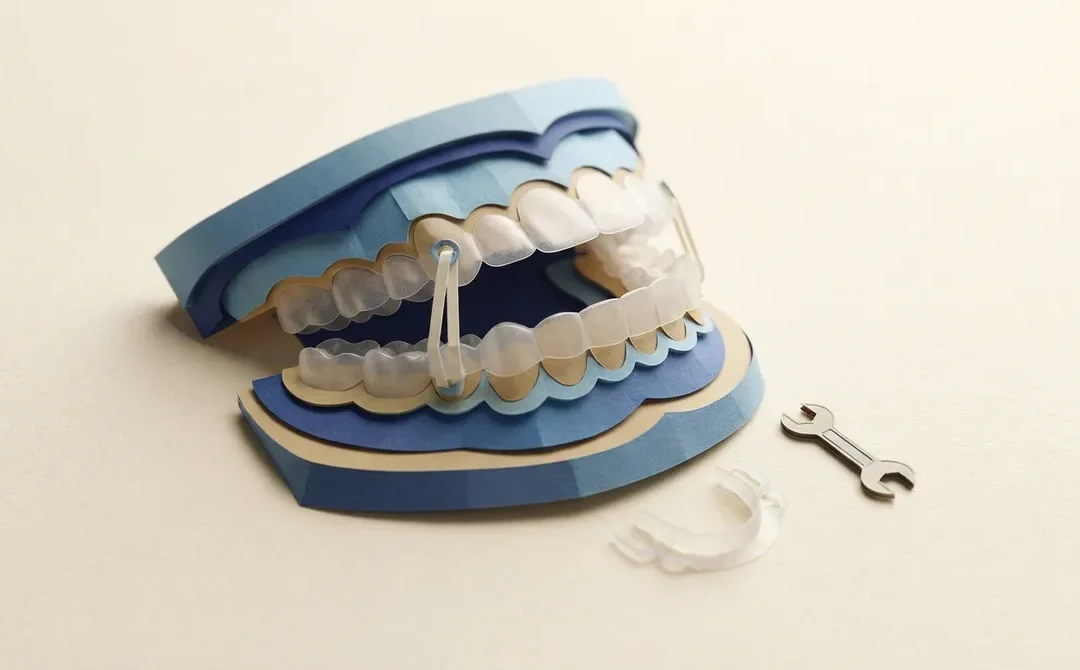
Key TakeawaysBite changes during orthodontic treatment are usually a normal stage: braces and aligners move teeth on purpose, so how the upper and lower teeth meet shifts temporarily before the final fit.Clear aligners cover the chewing surfaces and can act like a...
by Eric Pulizzano | Nov 7, 2026 | Blog
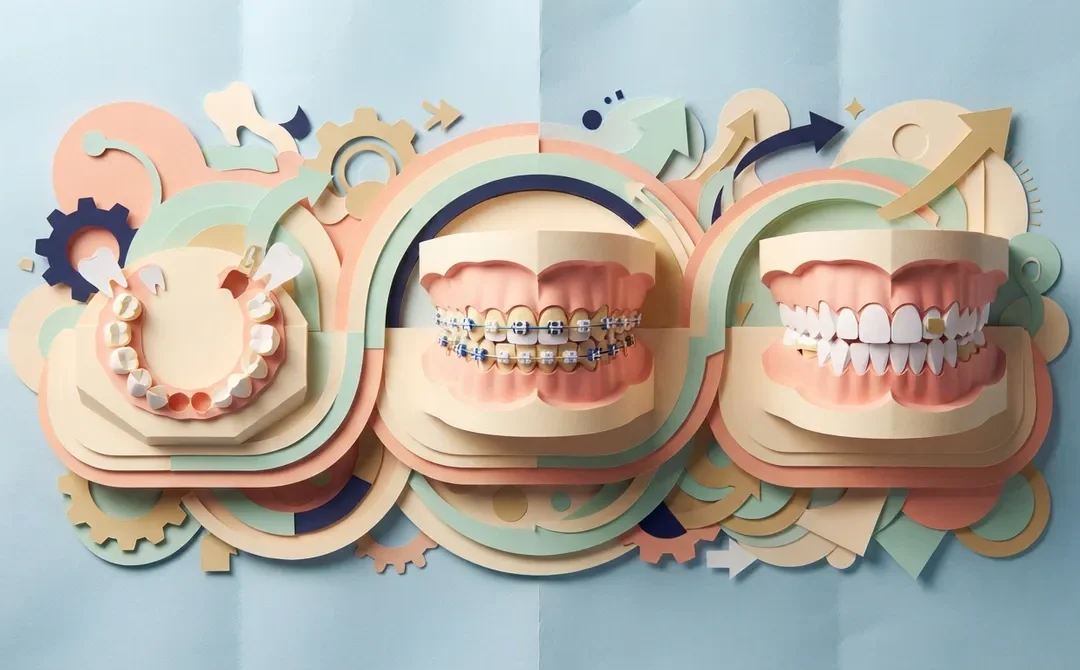
Key TakeawaysAge matters in orthodontics because of dental development, jaw growth, and overall oral health, not a magic birthday, so a personal exam matters more than any age rule.The AAO recommends an initial orthodontic check-up by age 7, which is a screening visit...
by Eric Pulizzano | Nov 7, 2026 | Blog
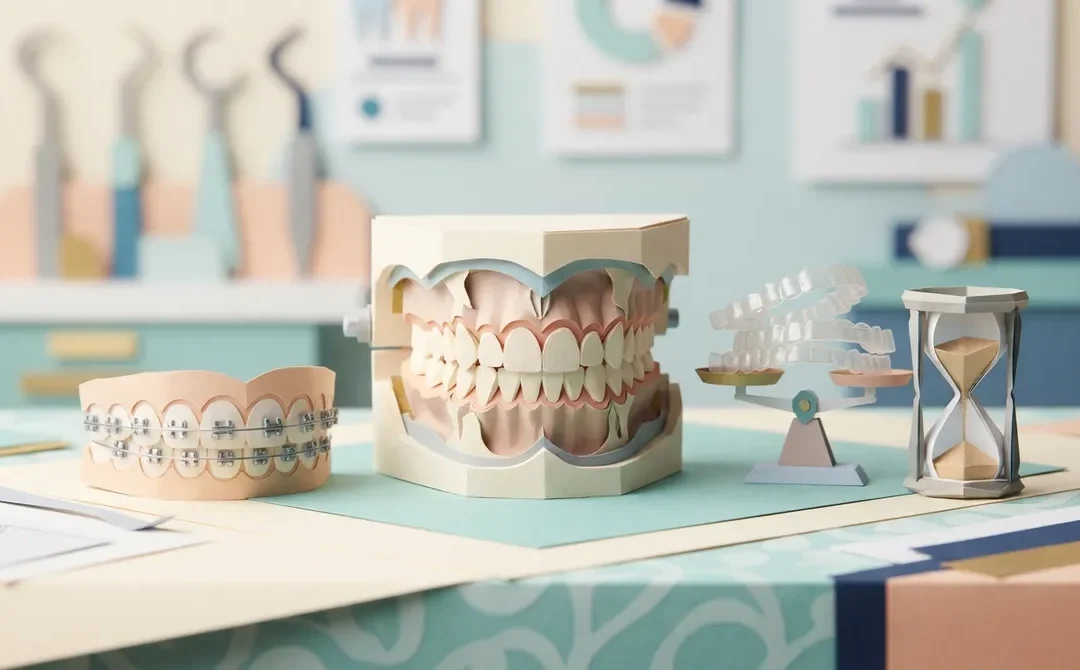
Key TakeawaysNeither braces nor clear aligners are automatically faster; research on mild-to-moderate crowding found low-certainty evidence of no significant difference between them.Your diagnosis, bite complexity, and habits shape your timeline more than the...
