Key Takeaways
-
Bite changes during orthodontic treatment are usually a normal stage: braces and aligners move teeth on purpose, so how the upper and lower teeth meet shifts temporarily before the final fit.
-
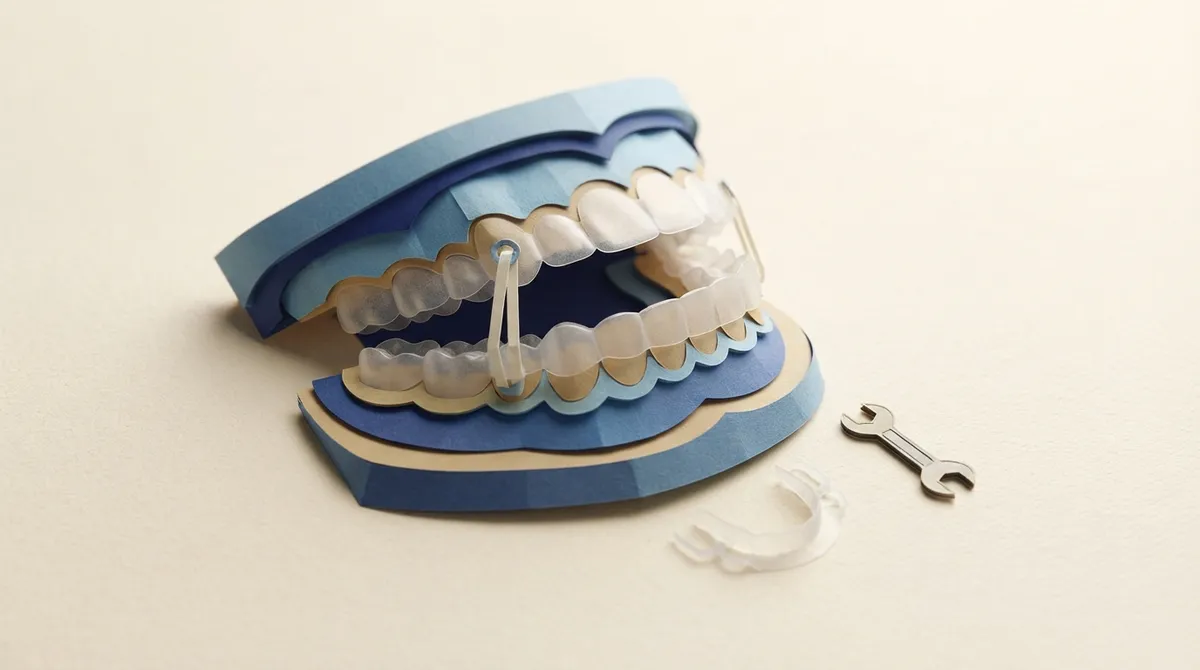
Clear aligners cover the chewing surfaces and can act like a thin bite block, which may reduce back-tooth contacts for a while; this varies by patient and plan.
-
Elastics and bite turbos are sometimes used deliberately to correct problems like deep bite, open bite, or crossbite, so a temporary bite change may be part of the plan.
-
Some bite settling continues after active treatment ends, and skipping retainers raises the risk of relapse, so following your retention plan protects your results.
-
Call your orthodontist if bite changes are painful, worsening, or make chewing hard, or if you have a broken bracket, poking wire, or cracked aligner; never adjust appliances yourself.
-
Wear appliances as directed, keep appointments, eat softer foods after adjustments, and bring written questions to visits to make bite changes easier to live with.
Have you ever bitten down in the middle of treatment and thought, “Wait, my teeth don’t meet the way they used to”? Take a deep breath. You are in good company, and in most cases, it is not a sign that anything has gone wrong. Understanding why bite changes can occur during orthodontic treatment can turn that moment of worry into a moment of “oh, that makes sense!”
Your bite, which orthodontists call occlusion, is simply how your upper and lower teeth fit together. When braces or aligners move your teeth on purpose, the way they touch has to change too. Think of it like rearranging furniture in a room. For a little while, things look and feel different before everything lands in its final spot.
In this friendly guide, we will walk through nine common reasons your bite may feel different, what is usually normal, and when it is smart to call your orthodontist. Whether you are a parent helping a child, a teen heading into a big year, or an adult balancing work and treatment, this one is for you.
1. Your Teeth Are Moving on Purpose
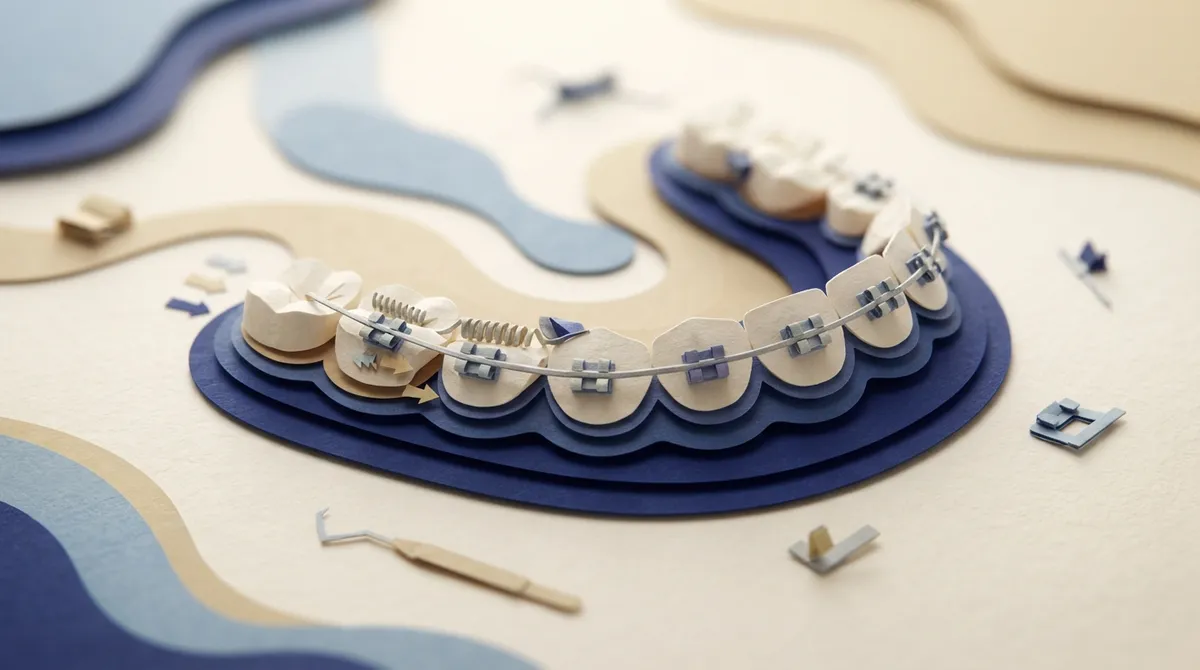
This is the big one. Braces and aligners work by applying gentle, steady forces that reposition teeth. As teeth shift, their contact points change. A tooth that used to meet its partner on the other jaw may not touch for a while, and another tooth may meet sooner than before.
The bite passes through temporary stages before the planned final fit is reached. That means a feeling of “off” in the middle of treatment is often a sign that things are moving, not a sign of a problem.
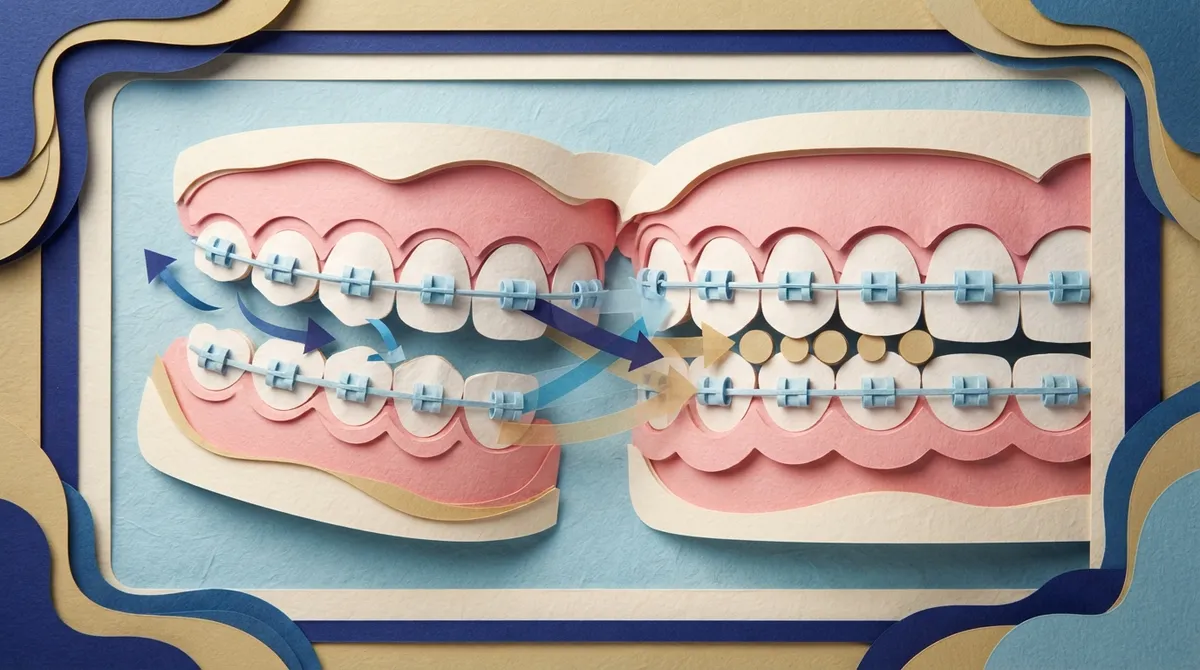
2. Treatment Mechanics Redistribute Tooth Contacts
Braces, wires, elastics, attachments, and bite turbos all apply forces to reposition teeth. While this is happening, some teeth may touch sooner than others. Your back teeth may feel lighter or heavier on one side. You might notice you chew differently than usual.
Research backs this up. A 2025 thesis comparing back-tooth contacts reported decreases of roughly 54% to 75% during treatment in both clear aligner and fixed brace groups. Contacts increased during early retention but had not returned to pretreatment levels by six months. Those results are specific to that study, but they show how common it is for contacts to change.
3. Clear Aligners Can Act Like a Temporary Bite Block
Clear aligners cover the chewing surfaces of your teeth. Because of that plastic layer, they can act like a small cushion between your upper and lower teeth. Their thickness and the planned tooth movements may change how your back teeth meet.
Some patients notice fewer back-tooth contacts or a temporary open-bite tendency in the back during or after aligner treatment. This is not guaranteed, and it should be viewed in the context of your own plan. A 2026 cross-sectional study of clear aligner treatment found that the number of contacts and contact area decreased during treatment, with slight recovery after three months of nighttime aligner use. The study reported no jaw joint signs or symptoms in its participants, though that finding should not be applied to everyone.
If you are curious how aligners do their work, our guide on how removable aligners straighten teeth breaks it down in simple steps.
4. Your Orthodontist Is Changing the Bite on Purpose
Sometimes the bite is not just shifting along the way. It is being changed deliberately. Orthodontists may use elastics, bite turbos, or other tools to fix problems such as a deep bite, open bite, crossbite, or an uneven relationship between the upper and lower jaws.
A temporary change can be part of the plan. If you want to know more about the problems your orthodontist may be correcting, these reads can help:
- Deep bite vs overbite: what is the real difference
- What crossbite treatment is and whether you need it
- Signs you need an orthodontist for open bite
5. Elastics and Bite Turbos Change Which Teeth Touch
Rubber bands and small bite turbos are tiny tools with a big job. Elastics pull the upper and lower arches toward better alignment. Bite turbos are little raised pads, usually on the back of the upper front teeth, that gently keep certain teeth from meeting so that other teeth can move freely.
While these tools are in place, you might feel like you are biting on only a few teeth. That is normal for that stage. Wearing elastics as directed matters a lot here. Skipping them can slow progress, as we explain in our post on rubber band mistakes that slow your braces.
6. Different Stages Feel Different
Treatment is not one long, steady feeling. It moves in phases, and your bite may feel different in each one. Early on, you may feel pressure as teeth begin to shift. In the middle, contacts may be light while teeth line up. Toward the end, teeth begin to come together in their final positions.
Here is a simple look at what you might notice at each stage:
| Treatment Stage | What You May Notice | Why It Happens |
|---|---|---|
| Early | Pressure, sore teeth, odd chewing | Teeth start responding to gentle forces |
| Middle | Fewer back-tooth contacts, uneven feel | Teeth realign and elastics or aligners redistribute contact |
| Finishing | Teeth begin meeting more evenly | Final bite detailing and settling begin |
| Retention | Teeth slowly settle closer together | Teeth adapt to the final positions |
If you want a friendly walk-through of the whole journey, take a look at what you should expect with braces at every step.
7. Teeth Need Time to Settle After Treatment
Even when braces come off or your last aligner is done, your bite is not quite finished. Teeth often need time to settle into closer, snugger contacts. NHS patient information describes this settling after braces and notes that retainers help limit relapse. The timing and amount of settling vary from person to person.
That is one reason retainers matter so much. If you are about to reach the finish line, our tips on preparing for braces removal day can help you feel ready.
8. Skipping Your Retainer Can Let Teeth Drift
After treatment, teeth can shift back toward where they started. This is called relapse. It is more likely if retainers are not worn as directed. Natural tooth movement can also continue over time, which is why follow-up and your orthodontist’s retention plan matter.
The British Orthodontic Society’s 2023 patient-risk guidance says some movement after treatment is expected and that retention is needed for most patients. It also points out that spacing, rotations, and increased overbite have a relatively high chance of relapse. For adults who have already been through this once, retreatment is a real option, and there are friendly ways to explore it. Our guide on orthodontic relapse warning signs shows the clues that teeth may be moving.
Not sure which retainer fits you? Compare fixed and removable retainers or learn how to care for your dental retainer the right way.
9. Normal Change vs. a Change That Needs a Call
Most bite changes are part of the process. But some are worth a quick call to your care team. Here is a handy way to tell the difference.
Usually Normal
- Back teeth feel like they are not touching fully during treatment
- Teeth feel sore or tender after an adjustment
- Your bite feels different for a few days after new elastics or a new aligner
- Chewing feels a little awkward in the middle of treatment
Time to Call Your Orthodontist
- A bite change that is painful or getting worse
- Trouble chewing normally that does not ease up
- Teeth that are unable to meet the way your orthodontist expects
- A broken bracket, poking wire, or cracked aligner
Please do not adjust your appliances yourself or stop wearing aligners or elastics without professional advice. If something feels urgent, our guide on when you need an emergency orthodontist appointment can point you in the right direction.
A Quick Note on Bite Correction Results
Many bite problems can be improved with the right plan. For example, a 2026 scoping review reported that clear aligner treatment achieved roughly 58.3% to 90% of planned front open-bite correction in the studies it reviewed. That is a range for how well treatment worked, not a rate of complications. It simply shows that results vary, which is why a plan built around you matters.
If you are curious about how orthodontists measure progress, read about ways orthodontists track braces progress.
How to Make Bite Changes Easier to Live With
A few simple habits can help you feel more comfortable while your bite adjusts:
- Wear your appliances as directed. Consistency keeps teeth moving as planned.
- Keep every appointment. Regular checkups let your orthodontist spot and guide changes early.
- Eat softer foods after adjustments. Tender teeth appreciate a little kindness.
- Use orthodontic wax or a gentle rinse if needed. Small comforts can make a big difference.
- Write down questions. Bring them to your next visit so nothing gets forgotten.
Checkups really do matter. Learn more about why orthodontic checkups matter so much.
Why Personalized Care Makes the Difference
Every smile is different, which means every bite path is different too. At Brockway Orthodontics in Clearwater, Florida, Dr. Brockway takes time to explain what each stage of your treatment should feel like, so you are never left guessing. Using digital impressions and 3D imaging, the team plans your movements carefully and can spot anything that needs attention. You can learn more about intraoral scanning for orthodontics to see how modern tools help.
Families trust the practice for kids, teens, and adults, with options like metal braces, ceramic braces, and Spark™ Clear Aligners. If you want a trusted local view, you can see what our Brockway Orthodontics patients say on Google. Looking for guidance on picking the right path? Our comparison of braces vs clear aligners in Clearwater is a great place to start.
Professional organizations like the Florida Association of Orthodontists and the American Dental Association also offer helpful patient resources if you want to read more about oral health and orthodontic care.
Final Thoughts: A Different Bite Is Often a Good Sign
Understanding why bite changes can occur during orthodontic treatment takes a lot of the worry out of the process. Teeth are moving, tools are working, and your bite is traveling through stages on its way to the final fit. Most of the time, that odd feeling means your treatment is doing its job.
Still, you know your mouth best. If a change feels painful, keeps getting worse, or makes normal chewing hard, reach out. Your orthodontist can tell the difference between an expected stage and something that needs a small adjustment.
Ready to talk about your smile or your child’s? Book your appointment online or contact our friendly team with any questions. We would love to help you feel confident and comfortable every step of the way.
FAQs
Q: Is it normal for my bite to feel different while wearing braces?
A: Yes, it is very common! Braces move your teeth on purpose, so the way your upper and lower teeth touch changes along the way. Your bite goes through temporary stages before it reaches the final fit your orthodontist planned.
Q: Why do my back teeth not touch during clear aligner treatment?
A: Clear aligners cover the chewing surfaces of your teeth, so they can act like a thin bite block. Their thickness and the planned tooth movements can reduce back-tooth contact for a while. Your orthodontist can tell you whether this fits your plan.
Q: How long does it take for teeth to settle after braces or aligners?
A: It varies from person to person. Teeth often need some time to settle into snugger contacts after active treatment, and wearing your retainer as directed helps. Your orthodontist can give you a timeline that fits your smile.
Q: What should I do if my bite suddenly feels uneven or painful?
A: Give your orthodontist a call. A bite change that is painful, getting worse, or makes chewing hard should be checked. Please do not adjust appliances or stop wearing aligners or elastics on your own.
Q: Can not wearing my retainer change my bite after treatment?
A: Yes. Teeth can drift back toward their old positions when retainers are not worn as directed. Following your retention plan is the best way to protect the smile and bite you worked hard to get.
Our Service Area