Key Takeaways
-
Treatment typically takes 18-30 months for traditional braces, but limited cases addressing minor crowding can be completed in 6-12 months; your orthodontist must evaluate which category applies to you.
-
Surgical acceleration techniques like corticotomy show only modest short-term gains (2mm more movement at 3 months) with insufficient long-term data, so they aren't standard and carry additional cost and healing time.
-
Clear aligners don't inherently move teeth faster than braces; success depends on case complexity and patient compliance (wearing aligners 20-22 hours daily and keeping appointments), not the appliance type.
-
Patient responsibility directly impacts treatment speed: missing appointments, poor hygiene, and not wearing elastics as directed can significantly delay progress and cause complications.
-
Moving teeth too fast risks permanent damage including root resorption, enamel decalcification, gum recession, and relapse; a responsible orthodontist balances speed with long-term oral health rather than chasing unrealistic timelines.
-
Retainers are non-negotiable after active treatment ends because teeth naturally shift back; skipping this step can undo months or years of progress in a surprisingly short time.
You want a straighter smile, and you want it fast. Maybe you have a wedding coming up. Maybe you’re a busy professional who doesn’t want to wear braces for years. Or maybe you’re a parent wondering if your teen can get through treatment before high school graduation. Whatever your reason, you’ve probably searched for “quick orthodontic treatment” hoping for a shortcut. Good news: there are real ways to speed things up safely. But there’s also a lot of hype out there that promises more than it can deliver.
At Brockway Orthodontics in Clearwater, Florida, we get asked about fast treatment options all the time. Dr. Brockway believes in being honest with every patient about what’s realistic. This article will walk you through what quick orthodontic treatment actually means, what the research says, and how you can move through your treatment as efficiently as possible without hurting your teeth or gums.
What Does “Quick Orthodontic Treatment” Really Mean?
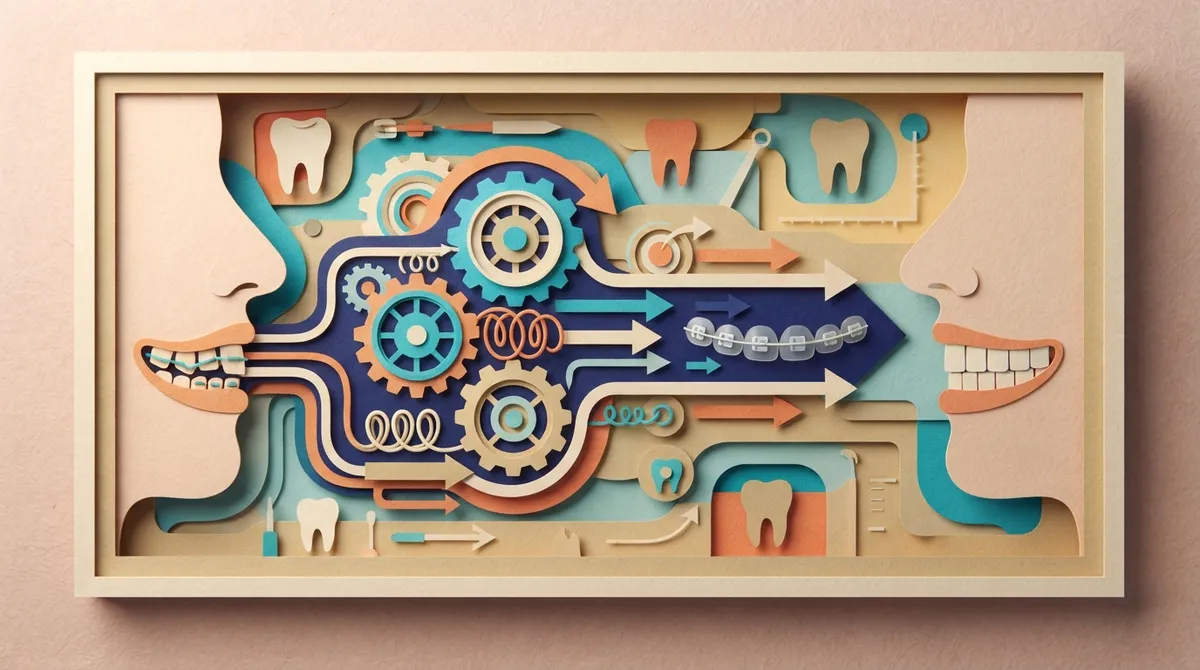
Quick orthodontic treatment doesn’t mean your teeth move overnight. It means finding ways to shorten the total time you’re in braces or aligners. Your teeth are living tissue attached to bone. They need time to move safely into new positions.
How fast your treatment goes depends on several things:
- Your age and how your bone responds to pressure
- How complex your bite problem is
- The health of your gums and teeth
- Which type of appliance you use
- How well you follow your orthodontist’s instructions
According to NHS guidance on braces and orthodontics, treatment usually takes about 12 months to 2.5 years. Most patients need checkups every 4 to 10 weeks so your orthodontist can track progress and make adjustments.
Comprehensive vs. Limited Treatment
Not every case needs the same amount of time. Limited treatment might work for minor crowding in your front teeth. But it usually won’t fix bite problems, jaw issues, or teeth that haven’t come in properly. A full exam with Dr. Brockway is the only way to know which category you fall into.
How Long Does Traditional Treatment Usually Take?
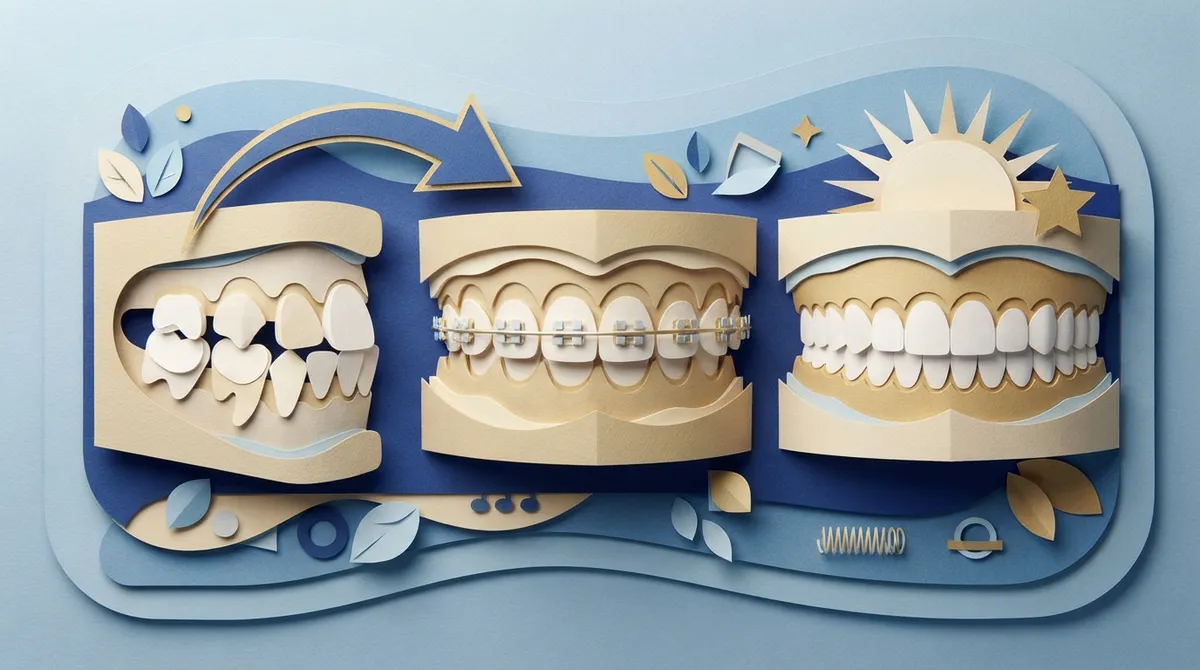
A lot of patients are surprised when they learn how long braces typically last. A 2023 review on accelerated orthodontics found that conventional treatment commonly runs 18 to 30 months. That’s a wide range, and it depends heavily on your specific case.
Here’s a quick breakdown of typical treatment timelines based on current research and clinical guidance:
| Treatment Type | Typical Duration | Best For |
|---|---|---|
| Limited/Minor Treatment | 6-12 months | Small alignment issues, mostly cosmetic |
| Traditional Fixed Braces | 18-30 months | Moderate to complex bite and alignment issues |
| Clear Aligners (like Spark™) | 12-24 months | Mild to moderate crowding or spacing |
| Surgically Accelerated Options | Varies, often shorter active phase | Select adult cases with specific needs |
Remember, these are averages. Your treatment plan from our orthodontic services will be tailored specifically to your mouth and your goals.
Can Clear Aligners Speed Up Treatment?
Many patients ask if clear aligners work faster than metal braces. The honest answer? It depends on your case, not just the appliance. Spark™ Clear Aligners can be a great option for many patients, offering a more affordable path than some other clear aligner brands while still delivering great results.
Aligners tend to work well for mild to moderate crowding or spacing. But research hasn’t shown that any single appliance type guarantees faster results. What matters more is:
- How closely your case matches what the appliance was designed for
- Your commitment to wearing aligners 20-22 hours a day
- Regular checkups to catch any issues early
- Good oral hygiene throughout treatment
If you’re deciding between traditional braces and clear aligners, your orthodontist can help you weigh the pros and cons based on your specific smile goals.
What Is Accelerated Orthodontics?
Accelerated orthodontics refers to techniques designed to speed up how fast your teeth move through bone. These methods fall into two main categories: surgical and non-surgical.
Surgical Acceleration Techniques
Some orthodontists use minor surgical procedures to stimulate bone remodeling, which can help teeth move faster. These include:
- Corticotomy: Small cuts made in the bone around teeth to encourage faster movement
- Piezocision: A less invasive version using tiny incisions and specialized instruments
- Micro-osteoperforation: Small holes made in the bone to trigger a healing response that speeds tooth movement
A 2025 Cochrane review looked closely at surgically assisted orthodontics. It found these techniques produced slightly faster tooth movement in the short term, about 0.61 mm more movement at one month and 2.03 mm more at three months compared to regular treatment. However, the review rated this evidence as low quality. Researchers still don’t know for sure how much these techniques shorten total treatment time, and they didn’t have enough data on side effects.
Non-Surgical Speed Claims
You’ve probably seen ads for vibration devices, laser treatments, or special aligner systems that claim to cut treatment time. A 2020 review on accelerated orthodontics found that solid evidence was missing for many of these marketed devices. Self-ligating braces, in particular, haven’t consistently shown shorter treatment times in careful studies.
A separate systematic review found some low to moderate quality evidence that low-level laser therapy might help speed up movement. But researchers agreed more studies are needed before recommending these tools as standard practice.
Is Surgical Acceleration Right for You?
Surgical acceleration isn’t for everyone. It usually costs more, involves some discomfort, and requires healing time. Not every patient is a good candidate.
You may not be a good fit for accelerated techniques if you have:
- Active gum disease that needs treatment first
- Certain medical conditions affecting bone health
- Medications that impact bone metabolism
- Concerns about additional surgical risk
A 2022 systematic review found that current studies didn’t show major harm to gums, root length, or tooth health after surgically accelerated orthodontics. But the review also pointed out that sample sizes and follow-up times were too small to fully confirm long-term safety. This is exactly why a thorough evaluation matters before jumping into any accelerated option.
Steps to Help Your Treatment Finish Faster
Even without special acceleration techniques, you have real control over how smoothly your treatment goes. Here’s how to help things move along:
- Keep every appointment. Missing visits can delay adjustments and slow your progress.
- Wear your aligners or elastics exactly as instructed. Skipping hours adds up fast.
- Brush and floss carefully every day. Poor hygiene can cause problems that delay treatment.
- Avoid foods that damage your appliances. Broken brackets or wires mean extra visits.
- Speak up if something feels wrong. Catching issues early keeps your plan on track.
Following the American Dental Association’s guidance on oral hygiene during orthodontic treatment can also help prevent decay and gum problems that might otherwise slow you down.
The Risks of Moving Teeth Too Fast
It’s tempting to want instant results, but pushing teeth too hard or too fast can cause real damage. Possible risks include:
- Enamel decalcification (white spots on teeth)
- Cavities from trapped food and plaque
- Gum inflammation or recession
- Root resorption, where the tooth root shortens
- Relapse, where teeth shift back after treatment ends
This is why a responsible orthodontist will always balance speed with your long-term oral health. Rushing the process isn’t worth risking damage to your teeth and gums.
Retainers: The Final Step Nobody Should Skip
No matter how fast your active treatment goes, you’ll still need retainers afterward. Teeth naturally want to shift back to their old positions. Wearing your retainer as directed protects the results you worked hard for.
Think of retainers as the final piece of your treatment puzzle. Skipping this step can undo months or years of progress in a surprisingly short time.
What to Expect at a Quick Treatment Consultation
If you’re hoping for faster treatment, your first step is a thorough consultation. During your first visit, a good orthodontist should walk you through:
- Your realistic estimated timeline based on diagnostic records
- What your treatment plan will and won’t correct
- Alternative options you might consider
- Total cost and any financing options
- Retention requirements after treatment ends
- Evidence behind any acceleration technique being suggested
Be cautious of anyone promising guaranteed results in just a few weeks without a proper exam first. Every mouth is different, and real orthodontic care requires real diagnostic work.
Why Choose Brockway Orthodontics for Your Treatment Plan
Dr. Brockway has built her Clearwater practice around listening to patients and creating honest, personalized treatment plans. Whether you’re a parent exploring adolescent treatment for your teen or an adult considering adult treatment options, our team takes time to explain your choices clearly.
We use modern technology, including digital impressions and 3D imaging, to plan your treatment as precisely as possible. This kind of planning can help avoid unnecessary delays and keep your treatment on track. In select cases, we can even offer same-day starts so you don’t have to wait through multiple separate visits just to begin.
We also know that cost matters. Our team can walk you through financing and insurance options so you understand your investment upfront. You can also check out real patient experiences and visit us on Google — Brockway Orthodontics to see what our Clearwater community has to say.
Finding Balance Between Speed and Safety
Quick orthodontic treatment is possible for the right patients with the right approach. But speed should never come at the cost of your oral health. The goal isn’t just a fast finish. It’s a healthy, stable, beautiful smile that lasts.
Organizations like the Florida Association of Orthodontists emphasize that proper diagnosis and individualized treatment planning are essential parts of safe, effective orthodontic care. That’s exactly the standard we hold ourselves to at Brockway Orthodontics.
If you’re curious whether quick orthodontic treatment could work for you, the best next step is a real conversation with an experienced orthodontist. You can learn more about our approach and patient stories by following us on Instagram or connecting with us on Facebook.
Ready to Talk About Your Treatment Timeline?
Every smile journey is different, and yours deserves a plan built just for you. Dr. Brockway and our team are ready to answer your questions, review your options, and help you understand exactly what to expect. Whether you’re hoping for a faster timeline or just want expert guidance on the best path forward, we’re here to help.
Ready to get started? Book your appointment online today and take the first step toward a confident new smile with Brockway Orthodontics in Clearwater, Florida. Have questions before booking? Contact our friendly team anytime.
FAQs
Q: What is the fastest safe orthodontic treatment?
A: The fastest safe option really depends on your specific case. Minor alignment issues can sometimes be treated in 6-12 months, while more complex cases need longer. Your orthodontist can give you a realistic timeline after a full exam, so it’s always worth asking about your specific situation.
Q: Can braces or clear aligners straighten teeth in six months?
A: For very minor cosmetic changes, some patients might see results in six months. But most cases need more time to safely correct bite issues and ensure lasting results. We’d love to take a look at your smile and give you an honest answer at your consultation.
Q: Are quick orthodontic treatments suitable for adults?
A: Absolutely! Many adults are great candidates for efficient treatment plans, especially with options like clear aligners. Your bone density and overall oral health play a role, so a personalized evaluation helps us figure out what timeline works best for you.
Q: Do clear aligners work faster than traditional braces?
A: Not necessarily. Speed depends more on your case complexity than the type of appliance you choose. Both braces and aligners can work efficiently when matched to the right patient, so we’re happy to help you compare options that fit your lifestyle.
Q: Will I still need retainers after quick orthodontic treatment?
A: Yes, retainers are always part of the plan, no matter how fast your active treatment goes! Teeth naturally want to shift back over time, so wearing your retainer protects all the hard work you put into your new smile.
Our Service Area