Key Takeaways
-
Wear your retainer nightly long-term or indefinitely after braces come off, as teeth naturally shift throughout life even without braces; delaying retainer wear increases relapse risk.
-
Brush after every meal with a soft-bristle toothbrush angled at the gumline and floss daily with a threader during braces treatment to prevent cavities, white spots, and gum swelling in hard-to-reach areas.
-
Avoid hard, sticky, and chewy foods like candy, popcorn, caramel, and whole apples during braces wear, as they can bend wires or pop brackets and delay treatment timeline.
-
Clean removable retainers daily with cool water and a soft toothbrush, store in a protective case, and never use hot water or toothpaste; contact your orthodontist immediately if a retainer is lost, broken, or feels tight.
-
Most comprehensive braces treatment takes 12-36 months depending on case complexity, age, and adherence to appointments; sticking to regular 4-8 week adjustments keeps treatment on schedule.
-
Three retainer types exist: clear plastic (discreet), Hawley (adjustable and durable), and fixed/bonded (continuous support); your orthodontist will recommend the best option based on your lifestyle and needs.
Getting braces or a retainer is exciting! You’re on your way to a smile you’ll love. But once those brackets go on or that new retainer arrives, you might wonder what happens next. How do you keep everything clean? What foods should you skip? How long do you really need to wear a retainer after braces come off?
At Brockway Orthodontics in Clearwater, Florida, we’ve helped countless families, teens, and busy adults navigate this journey with confidence. This guide breaks down everything you need to know about braces and retainers, from the moment your treatment starts to the years of retention that follow. Think of this as your friendly roadmap to a smile that lasts a lifetime.
What Are Braces and Retainers, Exactly?
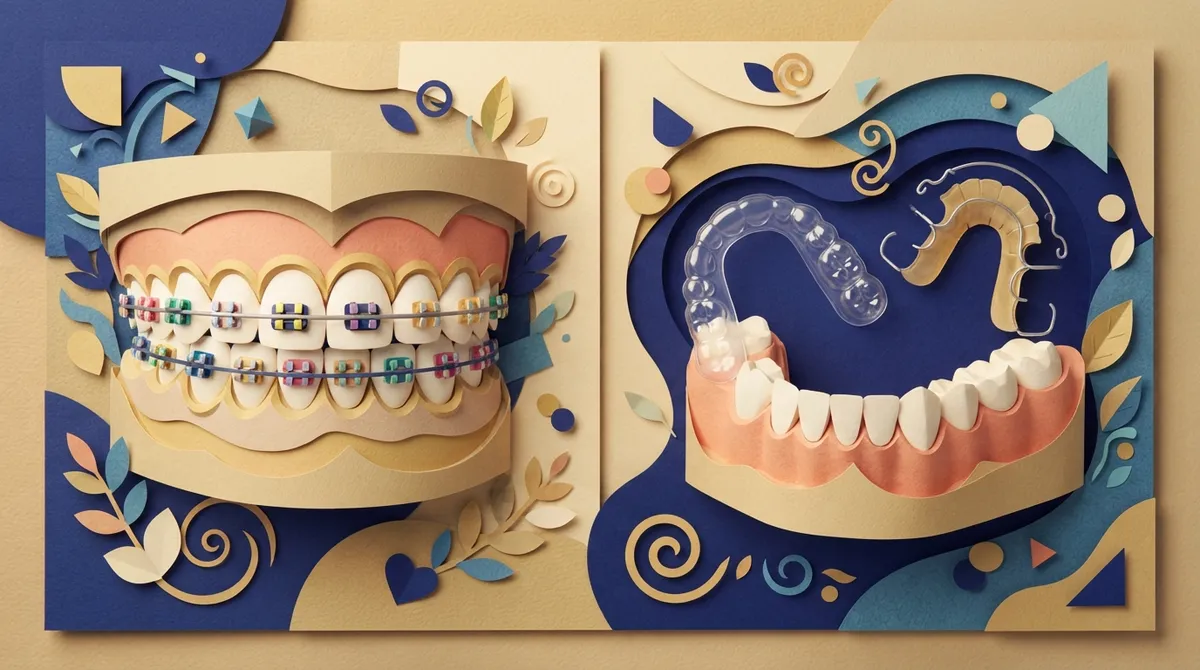
Braces and retainers work together, but they do different jobs. Braces move your teeth into their correct spots. Retainers hold those teeth in place once treatment ends. Understanding this difference helps you know what to expect at each stage of your smile journey.
Braces use gentle, steady pressure to shift teeth over time. They can fix crowding, gaps, crossbites, overbites, and underbites. Retainers step in after your braces come off. They keep your teeth from drifting back to their old positions while your bone and gum tissue settle in around the new alignment.
Common Types of Braces
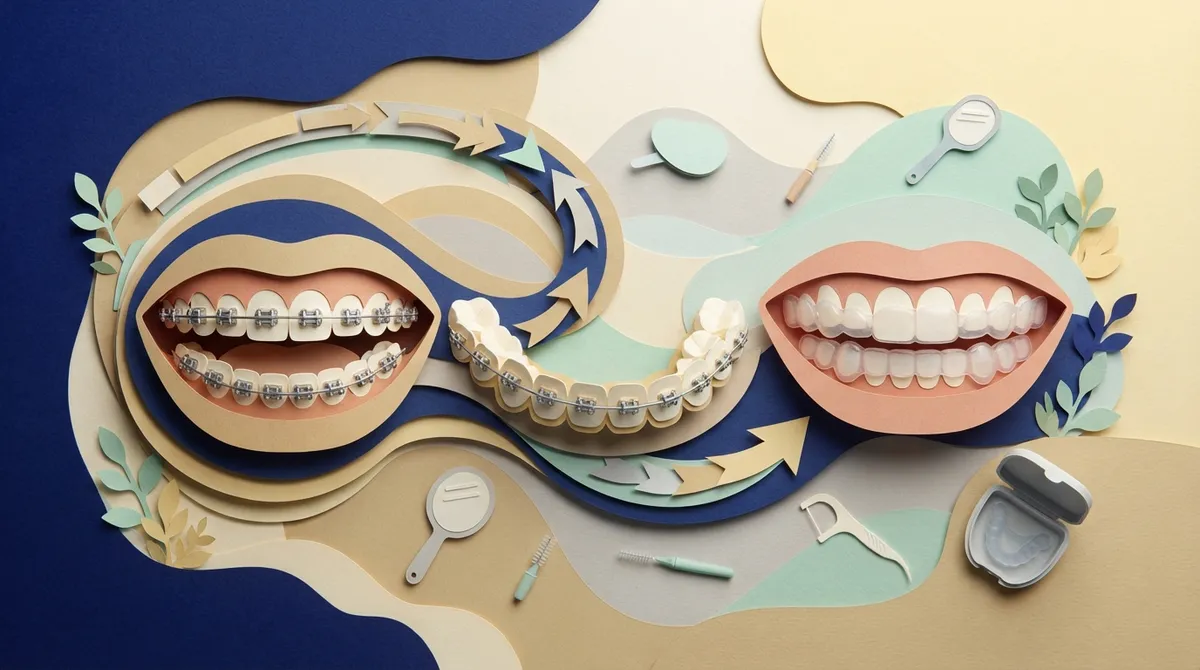
Not all braces look or feel the same. Here’s a quick rundown of the most popular options patients choose today:
- Traditional metal braces: durable, effective, and often the most affordable choice
- Ceramic or tooth-colored braces: blend in with your teeth for a more discreet look
- Self-ligating braces: use a special clip system instead of rubber bands
- Clear aligners: removable trays that gradually shift teeth, great for many adult and teen cases
Every mouth is different, so the best option depends on your bite, your goals, and your lifestyle. Dr. Brockway will walk you through the choices during your first visit and help you pick what fits best.
How Long Will You Wear Braces?
This is one of the top questions we hear from parents and adult patients alike. The honest answer is: it depends. Treatment time varies based on how complex your case is, your age, and how well you follow instructions.
Most comprehensive treatment plans run between 12 and 36 months. Simpler cases may finish faster, while more complex bite issues can take longer. Your orthodontist will give you a personalized estimate after a full exam.
- Initial consultation and X-rays to assess your bite and jaw alignment
- Custom treatment plan based on your specific needs and goals
- Regular adjustment appointments, usually every 4 to 8 weeks
- Progress checks to monitor tooth movement and comfort
- Braces removal once your teeth reach their ideal positions
- Retainer fitting to protect your new smile
Sticking to your appointments and following care instructions can help keep your treatment on schedule. Skipping visits or ignoring guidance often adds extra months to the process.
Keeping Your Teeth Healthy During Braces Treatment
Brackets and wires create tiny nooks where food and plaque like to hide. Without solid brushing habits, this can lead to white spots, cavities, or swollen gums. Good hygiene isn’t optional during treatment. It’s essential.
Daily Hygiene Habits That Matter
- Brush after every meal using a soft-bristle toothbrush angled toward the gumline
- Floss daily with a floss threader or orthodontic flosser to reach under wires
- Rinse with an ADA-approved fluoride mouthwash to strengthen enamel
- Visit your regular dentist for cleanings every six months during treatment
- Use a water flosser if you struggle to reach tight spaces with string floss
The American Dental Association recommends brushing twice daily and flossing once a day, and this becomes even more important when you have braces. Small daily habits add up to a healthier, brighter smile once your braces come off.
Foods to Avoid With Braces
Hard, sticky, and chewy foods can bend wires or pop brackets right off. A broken bracket usually means an extra trip to the office and can slow down your treatment timeline.
- Hard candy, ice, and popcorn
- Sticky treats like caramel and taffy
- Crunchy snacks such as chips and hard pretzels
- Whole apples or corn on the cob (cut them up instead)
- Chewy bagels or crusty bread
If a bracket does break or a wire pokes, don’t panic. Give our Clearwater office a call so we can get you back on track quickly.
Braces vs. Retainers: A Side-by-Side Look
| Feature | Braces | Retainers |
|---|---|---|
| Purpose | Move teeth into new positions | Hold teeth in their corrected spots |
| Wear Time | 12 to 36 months on average | Often nightly, sometimes long-term or lifelong |
| Removable? | No, fixed to teeth | Yes (removable) or no (fixed/bonded) |
| Daily Care | Careful brushing and flossing around brackets | Rinse and clean case, avoid hot water |
| Food Restrictions | Avoid hard, sticky, chewy foods | Remove before eating and drinking (except water) |
Understanding Retainers: Types and Care
Once your braces come off, your smile still needs support. Teeth can shift throughout life, even after successful treatment. That’s why retainers play such an important role in protecting your investment.
Types of Retainers Available
- Clear plastic retainers: nearly invisible, custom-molded to fit snugly over your teeth
- Hawley retainers: a classic design using acrylic and a thin wire, adjustable and durable
- Fixed or bonded retainers: a small wire glued behind your front teeth for continuous, hands-free retention
Each type has pros and cons. Clear retainers are more discreet, while Hawley retainers are easier to adjust. Fixed retainers require no daily effort but need extra care during brushing and flossing. Learn more about your options on our retainers page.
How to Clean and Care for Your Retainer
Retainers need daily attention to stay clean and fit properly. Follow these simple steps to keep yours in great shape:
- Remove your retainer before eating or drinking anything besides water
- Rinse it with cool or lukewarm water right after removing it
- Gently brush it with a soft toothbrush, avoiding toothpaste, which can scratch the surface
- Store it in its protective case whenever it’s not in your mouth
- Never use hot or boiling water, since heat can warp the plastic
- Bring it to checkups so we can inspect it for wear or damage
Fixed retainers need a slightly different routine. You’ll want to floss carefully underneath the wire using a floss threader every day to prevent plaque buildup.
Do You Really Need to Wear a Retainer Forever?
This question comes up constantly, and it’s a fair one. The truth is, teeth naturally shift throughout our lives, even for people who never had braces. Guidance from the Florida Association of Orthodontists generally supports long-term or nightly retention to protect your results.
Many orthodontic practices recommend wearing your retainer every night, with some protocols suggesting at least 10 hours of nightly wear. Your orthodontist will give you a specific schedule based on your case. Some practices provide monitored retention for about a year after treatment, after which ongoing care becomes your responsibility.
Skipping retainer wear increases your risk of relapse, meaning your teeth could slowly drift back toward their old positions. It’s a small nightly habit that protects years of hard work and investment in your smile.
What to Do If Your Retainer Breaks or Doesn’t Fit
Life happens. Retainers get lost, dogs chew them up, or they simply stop fitting the way they used to. Here’s how to handle common retainer problems:
- If it feels unusually tight, your teeth may have shifted slightly, so contact your orthodontist promptly
- If it’s lost or broken, don’t wait weeks to replace it, since teeth can move quickly without support
- Never try to force a retainer that doesn’t fit anymore
- Keep your case in the same spot every day to avoid misplacing it
- Ask about backup retainers if you’ve had issues with loss in the past
Acting fast when something feels off can save you from more extensive treatment down the road. Our team is always ready to help Clearwater patients get back on track quickly.
Braces and Retainers for Every Age and Stage
Orthodontic care isn’t just for teenagers anymore. We proudly serve patients of all ages at our Clearwater practice, each with unique needs and goals.
For Parents of Young Patients
Catching alignment issues early can make a big difference. Early treatment options can guide jaw growth and reduce the need for more complex work later. If your child is showing signs of crowding or bite problems, an early evaluation is a smart first step.
For Teens and Young Adults
Many teens want a treatment that fits their lifestyle and social calendar. Whether it’s traditional metal braces or a more discreet option, our adolescent treatment plans are designed with real teen life in mind, including sports, photos, and big milestones like graduation.
For Adult Professionals
Busy schedules don’t have to stand in the way of a straighter smile. Options like Spark™ Clear Aligners offer a more affordable and discreet alternative to traditional braces, letting adults handle treatment without disrupting their professional lives. Our adult treatment plans focus on efficiency and comfort.
For Patients Returning After Relapse
If you had braces years ago and your teeth have shifted, you’re not alone. This is common, and it’s very treatable. Many adults come back for a refresher treatment to restore the smile they worked hard for the first time.
Why Patients Choose Brockway Orthodontics
Dr. Brockway believes that understanding your treatment is key to feeling confident about your care. Our team takes time to explain every step in simple, friendly terms, so you always know what to expect. We combine modern technology, like digital impressions and 3D imaging, with a warm, personal touch that makes every visit comfortable.
We also know life gets busy, which is why same-day treatment options are available in certain cases. Whether you’re exploring our full range of services or just have a quick question, our team is here to help. You can also see what our Brockway Orthodontics patients have to say by checking out Visit us on Google — Brockway Orthodontics, or connect with us on Facebook.
Your Next Steps Toward a Confident Smile
Braces and retainers work as a team to build and protect a smile you’ll love for years to come. Whether you’re just starting treatment, wondering about retainer options, or dealing with a relapse, the right care plan makes all the difference. Consistent hygiene, smart food choices, and following your orthodontist’s retainer schedule will keep your results looking great long after your braces come off.
Ready to get started or have questions about your treatment options? Book your appointment online today and let our Clearwater team help you build a smile that lasts a lifetime.
FAQs
Q: What is the difference between braces and retainers?
A: Braces actively move your teeth into new, healthier positions using gentle pressure over time. Retainers step in after braces come off to hold those teeth steady while your gums and bone settle around your new smile. Think of braces as the builders and retainers as the guardians of your results!
Q: How long do you need to wear a retainer after braces?
A: Most orthodontists recommend nightly wear, often for a year or more right after treatment, with many patients continuing part-time wear long-term. Your exact schedule depends on your case, so Dr. Brockway will give you personalized guidance at your appointment. We promise it becomes a quick, easy habit before you know it!
Q: Do I have to wear a retainer for life?
A: Since teeth can shift naturally throughout life, many orthodontists suggest wearing a retainer at night indefinitely to protect your smile. It sounds like a lot, but a few nights a week for life is a small trade-off for keeping that beautiful smile you worked so hard for. We’re happy to talk through what makes sense for your specific case.
Q: How should I clean my retainer?
A: Rinse it with cool or lukewarm water, gently brush it with a soft toothbrush, and always store it in its case when it’s not in your mouth. Avoid hot water since it can warp the plastic, and skip the toothpaste, which can scratch the surface. A little daily care goes a long way!
Q: What should I do if my retainer is lost, broken, or no longer fits?
A: Reach out to your orthodontist right away instead of waiting, since teeth can start shifting quickly without support. Never try to force a retainer that feels too tight or doesn’t seem to fit anymore. Our Clearwater team is always ready to help you get a solution fast, so your smile stays right on track.
Our Service Area