Key Takeaways
-
Schedule a first orthodontic evaluation by age 7 for children to catch issues early and guide jaw development, potentially simplifying future treatment and making it shorter.
-
Choose clear aligners if you’re an adult seeking discreet treatment; adults now comprise 25% of orthodontic patients due to nearly invisible, removable aligner technology that fits active lifestyles.
-
Look for practices using modern technology like digital impressions, AI-assisted treatment planning, and intraoral scanning to ensure faster, more accurate treatment with better-fitting appliances.
-
Use FSA/HSA accounts and flexible payment plans to manage costs; many insurance plans now cover orthodontic treatment for both children and adults, including increasingly common clear aligner coverage.
-
Wear retainers exactly as directed after active treatment ends; skipping this step is a top reason for orthodontic relapse and undoing your investment in straightened teeth.
-
Ask your orthodontist about specific treatment recommendations for your case, total costs, technology used, timeline factors, and post-treatment maintenance plans at your first consultation.
Thinking about straightening your teeth? You’re not alone. In 2026, more people than ever are exploring orthodontic care — and the options are better than they’ve ever been. Whether you’re a parent researching braces for your child, a teenager hoping for a confidence boost, or an adult professional wanting a discreet solution, there’s a treatment path designed just for you.
The world of orthodontics has transformed dramatically. Digital technology, clear aligners, and even artificial intelligence are now part of how orthodontists plan and deliver treatment. The global orthodontics market is projected to grow from USD 9.50 billion in 2026 to USD 38.43 billion by 2034 — and that growth is driven by real demand from real people just like you.
This guide will walk you through everything you need to know to choose the right orthodontic care for your unique needs. Let’s dive in!

Understanding What Orthodontic Care Actually Involves
Orthodontic care is more than just getting braces. It’s a specialized branch of dentistry focused on diagnosing, preventing, and treating misaligned teeth and jaws. A qualified orthodontist uses a variety of tools and techniques to help you achieve a healthier, more confident smile.
Did you know that about 50% of the population has some form of malocclusion (misaligned bite) that could benefit from treatment? That’s half of us! And today’s treatments are more comfortable, faster, and more discreet than ever before. You can learn more about the full range of options available by browsing the services offered at Brockway Orthodontics.
The Core Goals of Orthodontic Treatment
- Straightening crooked or crowded teeth
- Correcting bite problems (overbite, underbite, crossbite)
- Closing gaps between teeth
- Improving jaw alignment and function
- Boosting self-confidence through a better smile
- Supporting long-term oral health by making teeth easier to clean
Step 1: Know Your Treatment Options
Before choosing orthodontic care, it helps to understand what’s available. The good news is that modern orthodontics offers something for everyone — regardless of age, lifestyle, or budget.
Traditional Braces
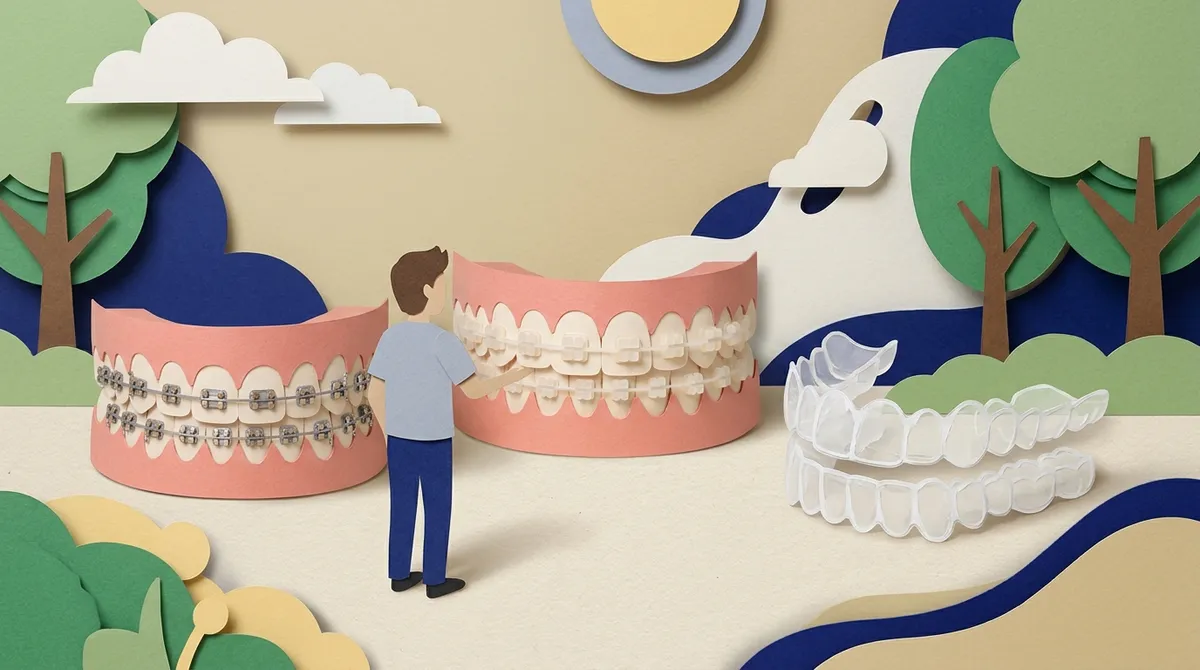
Braces are still one of the most effective tools in orthodontics. They use metal or ceramic brackets bonded to your teeth, connected by wires that gently guide your teeth into position. They’re especially great for complex cases and younger patients. Check out this overview of all about braces to see if this option might be right for you or your child.
Clear Aligners
Clear aligners are the fastest-growing treatment option in orthodontics right now. They’re nearly invisible, removable, and comfortable — making them a favorite among adults and teens alike. Adults now make up about 25% of all orthodontic patients, largely thanks to clear aligner technology. If you’re curious about this option, explore Spark™ Clear Aligners for a premium experience.
Retainers
Retainers are used after active treatment to keep your teeth in their new positions. Skipping this step is one of the top reasons people experience orthodontic relapse. Learn more about retainers and why they matter for your long-term results.
| Treatment Type | Best For | Visibility | Typical Duration |
|---|---|---|---|
| Metal Braces | Complex cases, kids, teens | Visible | 18–36 months |
| Ceramic Braces | Teens and adults wanting discretion | Tooth-colored | 18–30 months |
| Clear Aligners | Adults, mild to moderate cases | Nearly invisible | 6–24 months |
| Retainers | Post-treatment maintenance | Varies | Ongoing |

Step 2: Consider Your Age and Life Stage
One of the biggest factors in choosing the right orthodontic care is where you are in life. Different ages call for different approaches, and a great orthodontist will tailor their recommendations to fit your specific situation.
For Children (Ages 7–12): Early Treatment
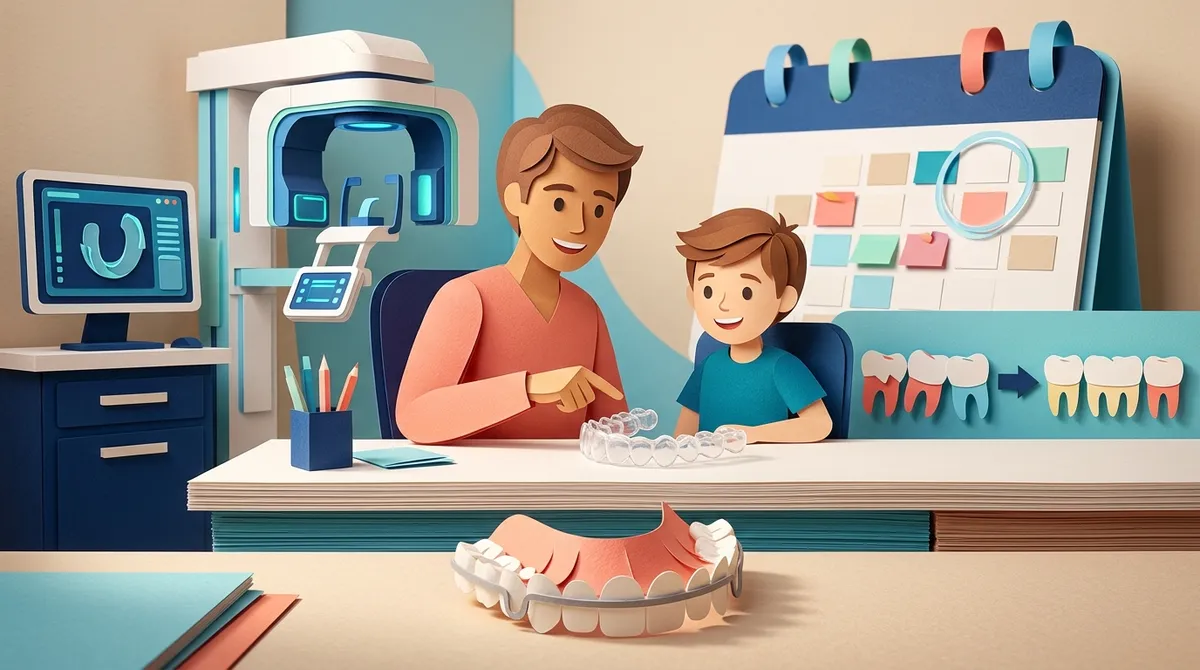
The American Dental Association recommends that children have their first orthodontic evaluation by age 7. This doesn’t mean every child needs treatment right away — but catching issues early can prevent bigger problems later. Early orthodontic treatment can guide jaw growth and make future treatment simpler and shorter.
For Teens: A Great Time to Start
The teenage years are the most common time for orthodontic treatment. Most permanent teeth have come in, and the jaw is still growing — making it an ideal window. Teens today have access to modern braces and aligners that fit their active lifestyles. Explore adolescent orthodontic treatment options designed with teens in mind.
For Adults: It’s Never Too Late
If you missed out on orthodontic care as a kid, don’t worry — adult treatment is incredibly common and effective. From discreet clear aligners to efficient ceramic braces, there are plenty of ways to straighten your smile without disrupting your professional life. Discover the adult orthodontic treatment options available to you today.
| Age Group | Recommended Start | Popular Options | Key Benefit |
|---|---|---|---|
| Children (7–12) | First eval at age 7 | Expanders, early braces | Guides jaw development |
| Teens (13–17) | When permanent teeth erupt | Braces, aligners | Ideal growth window |
| Adults (18+) | Anytime | Clear aligners, ceramic braces | Discreet and effective |
Step 3: Evaluate the Technology Your Orthodontist Uses
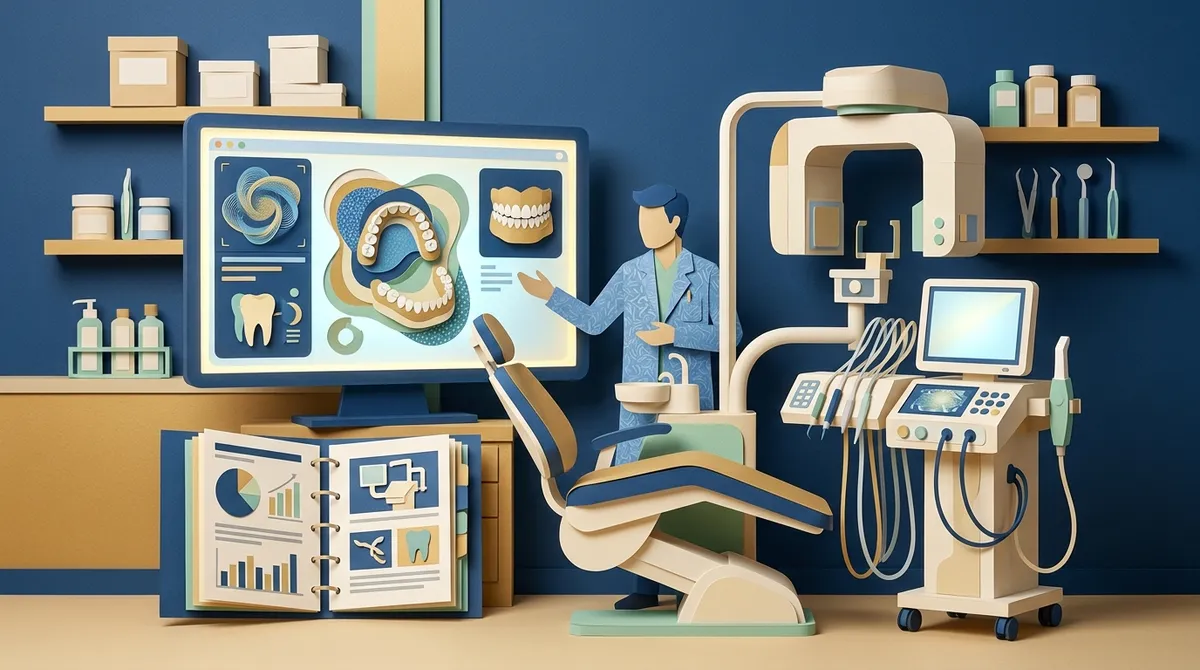
Not all orthodontic practices are created equal. The technology your orthodontist uses can significantly affect the accuracy, comfort, and speed of your treatment. Here are the innovations to look for in 2026:
- Digital Impressions and Intraoral Scanning: Gone are the days of gooey, uncomfortable molds. Modern practices use intraoral scanners to create precise 3D images of your teeth in minutes. This leads to better-fitting appliances and more accurate treatment plans.
- AI-Assisted Treatment Planning: Artificial intelligence is now helping orthodontists analyze complex cases, predict outcomes, and create personalized treatment plans with greater precision than ever before.
- 3D Printing: Custom brackets, aligners, and retainers can now be printed on-site with faster turnaround times and better fit. This technology is revolutionizing how orthodontic appliances are made.
- Teleorthodontics and Remote Monitoring: Some practices now offer virtual check-ins and remote progress tracking through smartphone apps. This reduces the number of in-office visits needed — a huge benefit for busy adults and parents.
When you visit a practice like Brockway Orthodontics’ modern office, you can expect to see these cutting-edge tools in action. Technology-driven care leads to better outcomes and a more comfortable experience overall.
Step 4: Understand the Cost and Insurance Options
Let’s be real — cost matters. Orthodontic care is an investment, but it’s one that pays off in both health and confidence for years to come. The good news is that financing and insurance options are expanding, making treatment more accessible than ever.
- Many dental insurance plans now cover a portion of orthodontic treatment for both children and adults
- Insurance coverage for clear aligners is increasingly common in 2026
- Flexible payment plans allow you to spread the cost over the course of treatment
- FSA (Flexible Spending Accounts) and HSA (Health Savings Accounts) can often be used for orthodontic expenses
- Free consultations at many practices let you get a cost estimate before committing
Check out the financing and insurance information at Brockway Orthodontics to see how you can make treatment work for your budget. Don’t let cost concerns stop you from exploring your options — there’s likely a plan that works for you.
Step 5: Ask the Right Questions at Your First Visit
Your first orthodontic appointment is a critical step. This is your chance to get a thorough evaluation and ask all the questions you’ve been wondering about. A good orthodontist will take time to listen and create a plan tailored to your needs. Learn what to expect during your first visit so you can feel confident and prepared.
Questions to Ask Your Orthodontist
- What treatment options do you recommend for my specific case, and why?
- How long will my treatment take, and what factors could change that timeline?
- What technology do you use to plan and monitor treatment?
- What are the total costs, and what financing options are available?
- How will we maintain my results after active treatment ends?
Step 6: Choose a Practice You Trust
Orthodontic treatment isn’t a one-time appointment — it’s an ongoing relationship. Choosing a practice where you feel comfortable and well cared for makes a huge difference in your overall experience.
Look for an orthodontist with strong credentials, excellent patient reviews, and a warm, welcoming office culture. The Florida Association of Orthodontists is a great resource for finding qualified specialists in your area. You can also check out Brockway Orthodontics on Google to read real patient reviews and get a feel for the practice before your first visit.
Dr. Brockway brings a personalized, compassionate approach to every patient. Whether you’re coming in for a child’s early evaluation or your own adult treatment, you’ll be treated like family. Meet Dr. Brockway and discover why so many Clearwater families trust this practice with their smiles.
What to Expect Throughout Your Orthodontic Journey
Starting orthodontic care is exciting — but it helps to know what the process looks like from start to finish. Here’s a quick overview of the typical journey:
- Initial Consultation: Your orthodontist evaluates your teeth, jaw, and bite using digital scans and X-rays.
- Custom Treatment Plan: A personalized plan is created based on your goals, timeline, and budget.
- Active Treatment: Whether you’re wearing braces or aligners, regular check-ins keep your progress on track.
- Retention Phase: After active treatment, retainers protect your results and prevent relapse.
- Long-Term Maintenance: Ongoing dental care and retainer wear keep your smile looking great for life.
Comparing Orthodontic Care: What Matters Most to You?
| Priority | Best Treatment Match | Key Consideration |
|---|---|---|
| Fastest results | Braces (traditional) | Works well for complex cases |
| Most discreet | Clear aligners | Nearly invisible and removable |
| Most affordable upfront | Metal braces | Often lower base cost |
| Best for active lifestyle | Clear aligners | Removable for sports and eating |
| Best for complex bite issues | Braces | More precise control over movement |
Tips for Getting the Most Out of Your Orthodontic Care
- Follow your orthodontist’s instructions carefully — compliance makes a huge difference in results
- Maintain excellent oral hygiene throughout treatment to protect your teeth and gums
- Wear your aligners for the recommended 20–22 hours per day if using clear aligners
- Attend all scheduled appointments so your orthodontist can make timely adjustments
- Wear your retainer as directed after treatment to preserve your results
- Communicate openly with your orthodontist about any discomfort or concerns
If you’re in the Clearwater, FL area and want to explore your options, consider starting with a free clear aligner consultation to see what’s possible for your smile. And if you’d like to explore all the ways orthodontic treatment can work for your lifestyle, visit our frequently asked questions page for more helpful information. You can also follow along with patient stories and tips on the Brockway Orthodontics Instagram page.
Your Perfect Smile Is Within Reach
Choosing the right orthodontic care doesn’t have to be overwhelming. By understanding your options, considering your age and lifestyle, asking the right questions, and choosing a practice you trust, you can feel confident in your decision. The most important step? Just getting started.
Whether you’re exploring braces for your child, clear aligners for yourself, or retreatment after a relapse, Brockway Orthodontics is here to guide you every step of the way. Our team is passionate about creating beautiful, healthy smiles — and we’d love to help you achieve yours.
Ready to take the first step toward the smile you’ve always wanted? Schedule your free consultation online today and let’s build your personalized treatment plan together. We can’t wait to meet you!
FAQs
Q: How do I know if I need orthodontic care?
A: Great question! If you notice crowded, crooked, or gapped teeth — or if you have trouble biting and chewing comfortably — it’s a good sign to schedule a consultation. An orthodontist can give you a full evaluation and let you know whether treatment would benefit you.
Q: Are clear aligners as effective as braces?
A: For many cases, yes! Clear aligners work wonderfully for mild to moderate alignment issues and are especially popular among adults and teens who prefer a discreet option. For more complex bite corrections, traditional braces may still be the best tool — your orthodontist will help you figure out what’s right for your specific situation.
Q: At what age should my child first see an orthodontist?
A: The American Dental Association recommends a first orthodontic evaluation by age 7. Don’t worry — this doesn’t mean your child will get braces right away! It just means any potential issues can be spotted early, which can make future treatment simpler and more effective.
Q: Is orthodontic care covered by insurance?
A: Many dental insurance plans include orthodontic benefits, especially for children. In 2026, coverage for clear aligners is also becoming more common. It’s always a great idea to check with both your insurance provider and your orthodontic office — many practices also offer flexible payment plans to help make treatment affordable.
Q: How long does orthodontic treatment typically take?
A: Treatment length really depends on the complexity of your case and the type of treatment chosen. On average, braces or clear aligners are worn for anywhere from 6 months to 3 years. Your orthodontist will give you a personalized timeline during your initial consultation — and good news, compliance with wearing your aligners or attending check-ups can actually speed things up!