Key Takeaways
-
Prepare a short, calm one-sentence answer ahead of time, such as "I'm getting orthodontic treatment to straighten my teeth and improve my bite," then practice it out loud until it feels natural.
-
You control how much you share: a brief answer, a joke, or "I'd rather not get into that" is enough, and you can end the conversation by changing the subject.
-
Most questions come from curiosity or from classmates who may need braces themselves, so your calm answers can help others feel less nervous about their own treatment.
-
For teasing, stay cool, use humor, or set a clear boundary, and if it keeps happening, tell a parent, teacher, or school counselor.
-
Correct common myths gently, such as braces not being only for looks and soreness usually lasting just a few days after fittings or adjustments.
-
Tell people that a retainer is needed after braces come off, since it keeps teeth from shifting, and that treatment usually takes about one to two years.
You walk into school with brand-new braces, and suddenly everyone has something to say. “Do they hurt?” “How long do you have to wear them?” “Can you still eat pizza?” If you have braces, you know these questions come fast. The good news? You do not need to feel nervous about them.
Learning how teens can handle questions about braces is really about preparing a few easy answers ahead of time. Once you have them ready, you can reply with a smile and move on with your day. Most questions come from curiosity, and some come from kids who are thinking about braces themselves.
This guide is for teens, and for parents who want to help. You will find simple steps, ready-to-use answers, and tips for the tougher moments. At Brockway Orthodontics, we see teens go from nervous to confident all the time, and you can too.

Why Everyone Asks About Braces
Braces are a big visible change. Friends notice new things, and they get curious. That is normal, and it does not mean anything bad.
Many classmates also have braces or will get them soon. Your answers might help them feel calmer about their own treatment. In a way, you become the friendly expert.
Here are the most common reasons people ask:
- Curiosity: They want to know how braces work and what they feel like.
- Interest: They may need braces too and want your honest take.
- Small talk: Braces are an easy topic to bring up in class or at lunch.
- Misinformation: They have heard a myth and want to check if it is true.
Knowing this can take the pressure off. You are not being judged. Most of the time, you are just being asked a question.
Step-by-Step: How to Answer Braces Questions with Confidence
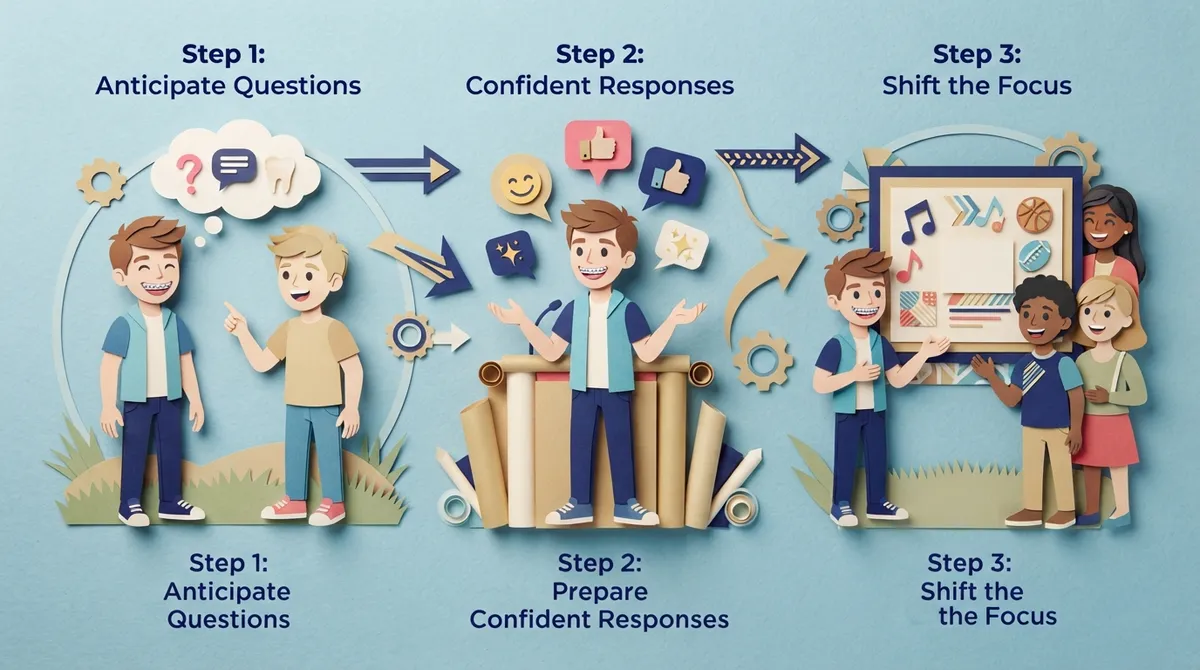
You do not need a speech. A short, calm answer works best. Follow these steps to get comfortable.
- Learn the basics yourself. Ask your orthodontist to explain your plan in simple words. When you understand it, explaining it is easy.
- Write a one-sentence answer. Try: “I’m getting orthodontic treatment to straighten my teeth and improve my bite.” Short and done.
- Practice out loud. Say it in the mirror or to a family member. A few tries makes it feel natural.
- Decide what you want to share. You can say as much or as little as you like. It is your smile and your story.
- Add a little humor if it feels right. A joke can make the moment light. “Yep, I’m collecting wire and rubber bands!” works well.
- Change the subject when you are done. After answering, ask a question back or bring up something else.
You are in charge of the conversation. If a question feels too personal, you can say, “I’d rather not get into that,” and leave it there.
Ready-to-Use Answers for Common Questions
Here are the questions teens hear most, along with easy answers. Mix them up so they sound like you.
“Why do you have braces?”
Braces fix how teeth line up and how the top and bottom teeth meet. Every plan is different, so you do not need to explain every detail. You can say: “My orthodontist made a plan to help my teeth and bite work their best.”
“Do they hurt?”
Be honest. Some pressure or soreness is common for a few days after braces go on or after an adjustment. Cheeks and lips can feel a bit irritated at first, too. You can say: “Sore for a few days, then it gets better.”
If pain is strong or does not go away, tell your orthodontist. It should not just be brushed off as normal.
“How long do you have to wear them?”
Treatment time depends on each person. Many fixed braces cases take about one to two years, though some take more or less. You can say: “My orthodontist gave me an estimate, and it depends on how my teeth respond.” Want a deeper look? Read how long braces take to work.
“What can’t you eat?”
Hard, crunchy, sticky, and chewy foods can bend wires or pop brackets. You can say: “I’m skipping a few foods for now so I don’t break anything.” Our guide on foods to avoid with braces has a full list, and you can also check what you can eat with braces for tasty ideas.
“Are you going to get them off soon?”
Braces are one stage of treatment. After that, a retainer helps keep teeth from shifting. You can say: “Braces first, then a retainer to keep everything in place.” Learn more about retainers.
Quick Answer Chart
Keep this handy for those quick moments in the hallway.
| Question | Short Answer You Can Use | Helpful Extra Fact |
|---|---|---|
| Why do you have braces? | “To straighten my teeth and improve my bite.” | Treatment plans are different for everyone. |
| Do they hurt? | “A little sore at first, then fine.” | Soreness often lasts a few days after a new fitting. |
| How long will you wear them? | “My orthodontist gave me an estimate.” | Many cases take about 1 to 2 years. |
| What can’t you eat? | “Hard and sticky foods for now.” | Cutting food into small pieces helps. |
| Do you need a retainer later? | “Yes, to keep my teeth in place.” | Your orthodontist will explain how to wear it. |
What to Do When Someone Teases You
Most questions are kind. But sometimes a comment is rude or meant to sting. That is hard, and your feelings are valid.
You do not owe anyone an explanation. You can stay calm and short. Here are a few ways to respond:
- Stay cool: “Yep, I have braces. Anyway, what are you up to this weekend?”
- Use humor: “They’re my smile upgrade in progress.”
- Set a boundary: “That’s not funny to me. Let’s talk about something else.”
- Walk away: You do not have to stay in a conversation that feels bad.
Remember that braces are temporary, and the result is a healthy smile that lasts. Plenty of people in your school have braces or have had them, and many adults wear them too.
If teasing keeps happening, talk to a parent, teacher, or school counselor. Asking for help is a smart move, not a weak one.
Clearing Up Common Braces Myths
Sometimes the questions come from things people have heard. You can gently set the record straight.
- Myth: Braces are only for looks. Fact: They also help with bite problems and how teeth work together.
- Myth: You can’t play sports or an instrument. Fact: You can, with a mouthguard for contact sports and a little practice for instruments.
- Myth: Braces hurt the whole time. Fact: Soreness is usually short and happens after fittings or adjustments.
- Myth: Once braces are off, you’re done. Fact: A retainer is needed to keep teeth from shifting.
Correcting a myth feels good, and it keeps you from stressing over it. You can say, “Actually, it’s different than that,” and share one simple fact.
Talking About Care, Cleaning, and Appointments
Friends often wonder how you keep braces clean or why you are leaving early for an appointment. A little knowledge goes a long way here.
Braces need extra cleaning. Brushing with fluoride toothpaste and cleaning around the brackets every day matters. You should also keep going to regular dental checkups during treatment. For step-by-step help, see our tips on how to brush teeth with braces.
Appointments usually happen every 6 to 10 weeks, depending on your plan. Showing up and following instructions, including wearing elastics if your orthodontist asks, helps treatment stay on track. If someone asks why you are out of class, you can say, “Orthodontist visit, just a quick adjustment.”
A broken wire or loose bracket can feel stressful in front of others. Do not panic. Call your orthodontist, and our article on emergency versus routine orthodontics can help you decide what to do.
Tips for Parents Who Want to Help
Parents play a big part in how a teen feels about braces. A little support makes a real difference.
- Listen first. Let your teen share how they feel without rushing to fix it.
- Practice answers together in a relaxed, funny way.
- Stock up on soft snacks for the first week after fittings.
- Celebrate small wins, like a good checkup or great brushing habits.
- Keep a close eye on their mood and step in if teasing continues.
Our team loves working with teens and families. If you would like to learn about options, take a look at our page on adolescent treatment or explore braces for teens.
Braces Options That Fit Teen Life
Many teens ask about their choices too. Knowing your options helps you answer friends with confidence. At Brockway Orthodontics, we offer metal braces, ceramic (clear) braces, and Spark™ Clear Aligners. You can read more about Spark™ Clear Aligners and all about braces.
Each option works a little differently, and the best choice depends on your teeth, your bite, and your lifestyle. Dr. Brockway takes time to listen to your goals and explain things in a friendly, clear way. Our team uses modern tools like digital impressions and 3D imaging to plan your care, so you know what to expect. For general information on oral health, the American Dental Association is another trusted resource.
Build Confidence One Conversation at a Time
Confidence grows with practice. Each time you answer a question calmly, it gets easier. Soon you may not even think about it.
Try these habits to feel more at ease:
- Smile often. A real smile shows you are comfortable.
- Follow your care plan so treatment moves along smoothly.
- Keep your teeth and braces clean so you feel fresh.
- Remind yourself why you started and the smile you are building.
Every teen’s journey is different. Some days feel easy, and some feel awkward. Both are okay. Soon enough, braces become just one small part of who you are.
Ready to Start Your Smile Journey?
Handling braces questions gets easier when you have a few short answers, a calm attitude, and a team that supports you. Remember that you can share as much or as little as you want, and you never need to defend your treatment.
If you are thinking about braces or have questions about your own treatment, we would love to meet you. See what our patients say, and visit us on Google — Brockway Orthodontics for reviews from local families. You can also follow along with us on Instagram for smile stories and tips.
Ready to take the first step? Book your appointment online and let Dr. Brockway and our team help you build a smile you will be proud to show off. Have a question first? Contact us anytime.
FAQs
Q: What should I say when people ask why I have braces?
A: Keep it short and simple. Try, “I’m getting orthodontic treatment to straighten my teeth and improve my bite.” You do not have to share private details, and your orthodontist can help you find words that feel right.
Q: How can I respond if someone makes fun of my braces?
A: Stay calm and keep your answer brief, like “Yep, I have braces. Moving on!” You can also set a boundary or walk away. If it keeps happening, tell a parent, teacher, or counselor so they can help.
Q: Do braces hurt, and what can I tell people about the soreness?
A: Some pressure or tenderness is common for a few days after braces are put on or adjusted. You can tell friends it is a short, mild soreness that fades. If pain is strong or lasts a long time, let your orthodontist know.
Q: How long will I have to wear braces?
A: It depends on your teeth and your treatment plan, but fixed braces are often worn for about one to two years. Following your orthodontist’s instructions, like wearing elastics if prescribed, helps things stay on track. Your orthodontist can give you a personal estimate.
Q: Do I need to wear a retainer after braces come off?
A: Yes, in most cases. A retainer helps keep your teeth from shifting after active treatment ends. Your orthodontist will explain which type you need and how often to wear it.
Our Service Area