Key Takeaways
-
Metal braces use brackets, wires, and elastic ties to apply steady pressure that moves teeth into position through bone remodeling, a natural process that’s been proven effective for decades.
-
Treatment typically takes 2-3 years with regular adjustments every 4-8 weeks, though timeline varies based on case complexity; simple cases finish sooner while complex bite issues take longer.
-
Metal braces can correct crowded teeth, gaps, overbites, underbites, crossbites, and protruding teeth, making them especially effective for complex alignment and jaw issues compared to other options.
-
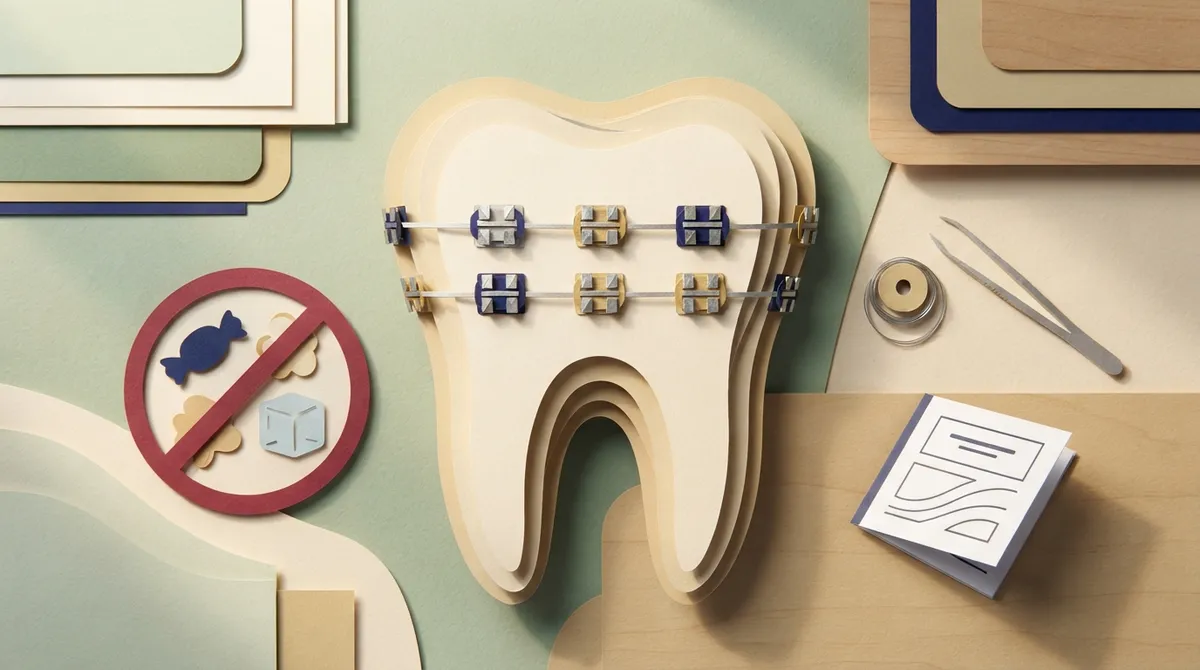
Avoid hard candy, ice, popcorn, sticky caramel, and crunchy raw vegetables while wearing braces, as these foods can bend wires, pop brackets, or get stuck in difficult-to-clean areas.
-
Initial soreness after placement or adjustments is normal and manageable, typically described as pressure rather than sharp pain, lasting only a few days and controllable with over-the-counter pain relievers.
-
Metal braces are often the most affordable orthodontic option compared to ceramic braces or clear aligners, with many practices offering flexible payment plans to make treatment accessible to families.
If you or your child just heard the words “you need braces,” take a deep breath. You’re not alone, and metal braces treatment is one of the most trusted ways to get a healthy, straight smile. Millions of kids, teens, and adults have walked this same path, and most of them come out the other side grinning ear to ear. At Brockway Orthodontics in Clearwater, we’ve guided countless families through this journey, and we love every minute of it.
Metal braces treatment uses small brackets, wires, and tiny elastic ties to gently move your teeth into their best position. It sounds simple because, honestly, it kind of is. This tried-and-true method has been improving smiles for decades, and today’s braces are more comfortable and efficient than ever. Whether you’re a parent researching options for your child, a teen excited for a new look, or an adult ready to finally fix that bite you’ve worried about for years, this guide covers everything you need to know. Let’s dig in!
What Is Metal Braces Treatment?
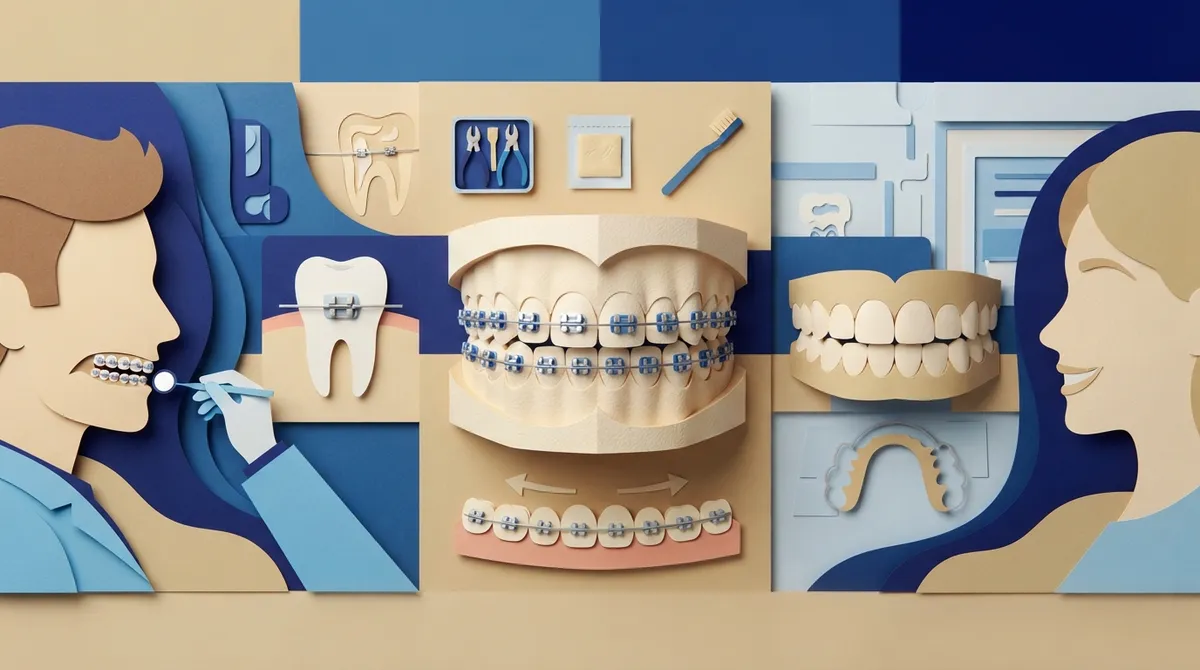
Metal braces treatment is a fixed orthodontic solution that uses metal brackets bonded to each tooth. A thin archwire connects the brackets and applies steady, gentle pressure. Over time, this pressure moves your teeth into a straighter, healthier position.
This process relies on something called bone remodeling. As pressure is applied, the bone around your tooth roots reshapes itself, allowing teeth to shift slowly and safely. It’s a natural process your body is fully equipped to handle, and it’s why braces have such a strong track record of success.
The Main Parts of Metal Braces
Understanding the pieces of your braces can make the whole experience feel less mysterious. Here’s what makes up a typical metal braces setup:
- Brackets: small metal squares bonded directly to each tooth
- Archwire: the thin metal wire that connects all the brackets together
- Elastic ties (or ligatures): tiny rubber bands that hold the wire in the brackets
- Bands: metal rings sometimes placed around back molars for extra support
- Spacers: small rubber pieces used to create room before bands are placed
Every piece works together like a small, well-oiled machine, quietly doing its job every single day. To learn more about how these pieces come together, check out our All About Braces page.
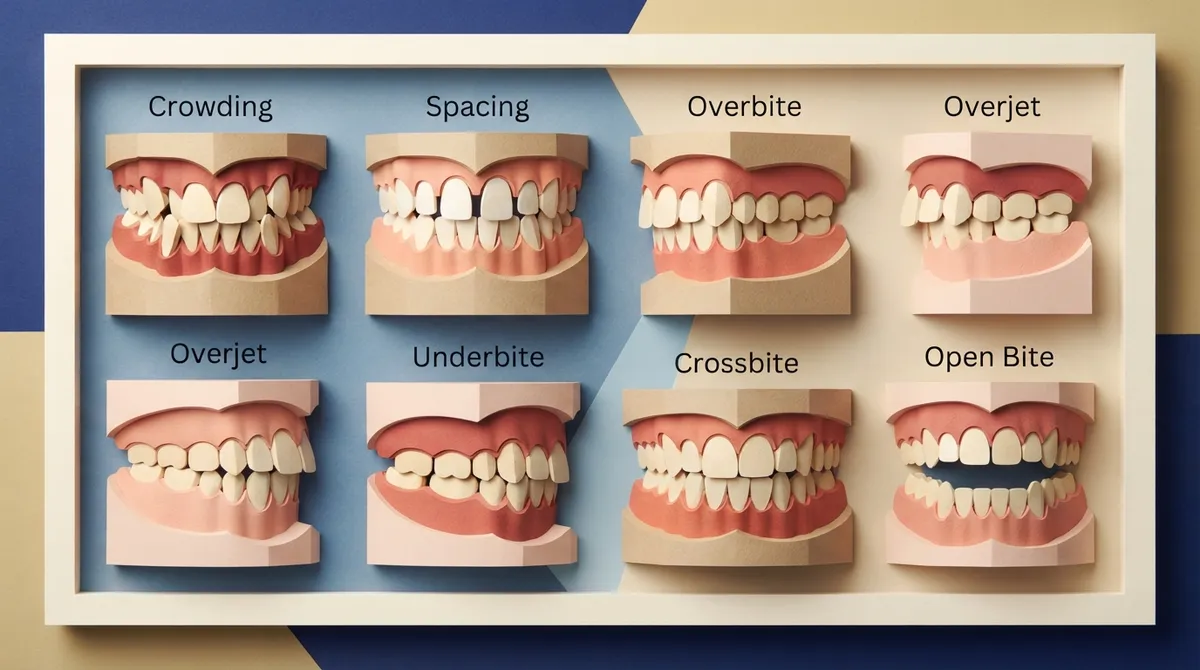
What Dental Problems Can Metal Braces Fix?
Metal braces are known for handling both simple and complicated cases with ease. This is one reason orthodontists still recommend them so often, especially for trickier alignment issues.
Here are common problems metal braces treatment can correct:
- Crowded or overlapping teeth
- Gaps or spacing between teeth
- Overbite, where upper teeth sit too far forward
- Underbite, where lower teeth sit too far forward
- Crossbite and other jaw alignment issues
- Overjet, or protruding front teeth
If your case involves a more complex bite issue, metal braces are often the go-to option because they offer more control over tooth movement. You can read more about specific concerns, like how braces fix a deep overbite, on our blog.
How Long Does Metal Braces Treatment Take?
Most people wear metal braces for about two to three years, though this varies based on your specific needs. Simple cases may finish sooner, while more complex bites can take a bit longer.
Your orthodontist will check your progress at regular visits, usually every four to eight weeks. During these visits, Dr. Brockway or her team will tighten or adjust your wire to keep your teeth moving in the right direction.
Typical Treatment Timeline
- Initial consultation and treatment planning
- Placement of brackets and first archwire
- Regular adjustment visits every 4-8 weeks
- Mid-treatment progress checks and wire changes
- Final adjustments to fine-tune your bite
- Braces removal and retainer fitting
Every smile is different, so your exact timeline will depend on your starting point and goals. Your first step is always a friendly consultation, and you can learn what that looks like on our Your First Visit page.
Metal Braces vs. Other Treatment Options
Many patients wonder how metal braces stack up against other choices like ceramic braces or clear aligners. Each option has its own strengths, and the right choice really depends on your lifestyle, budget, and smile goals.
| Treatment Type | Best For | Visibility | Average Cost |
|---|---|---|---|
| Metal Braces | Complex bite and alignment issues | Most visible | Often most affordable |
| Ceramic Braces | Moderate issues with a more discreet look | Less visible | Slightly higher |
| Clear Aligners | Mild to moderate crowding or spacing | Nearly invisible | Comparable to braces |
If you’re torn between traditional braces and something more discreet, our guide on metal vs. clear braces for adults breaks down the pros and cons. We also offer Spark™ Clear Aligners as a more affordable alternative for patients who want a nearly invisible option.
Daily Care Tips for Metal Braces
Taking care of your braces might feel like a bit of extra work at first, but it quickly becomes second nature. Good habits now mean a healthier, more beautiful smile later.
Here are simple habits that make a big difference:
- Brush after every meal to remove trapped food
- Use a floss threader or water flosser to clean between wires
- Rinse with fluoride mouthwash to strengthen enamel
- Visit your dentist regularly for cleanings
- Wear a mouthguard if you play sports
The American Dental Association recommends brushing twice daily and flossing once a day, which is especially important when you have braces trapping extra food particles. Good oral hygiene habits protect against cavities and gum irritation during treatment.
Foods to Avoid With Metal Braces
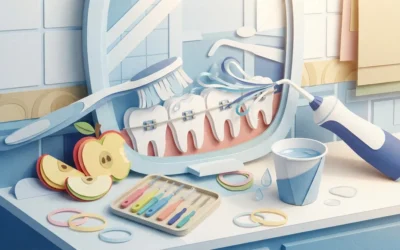
Certain foods can bend wires, pop brackets, or get stuck in ways that are tough to clean out. It’s best to steer clear of these while wearing braces:
- Hard candy and ice
- Sticky caramel or taffy
- Popcorn kernels
- Crunchy raw vegetables (cut them small instead)
- Chewy bagels or hard bread crusts
For a full list of safe and unsafe foods, check out our detailed guide on what you can eat with braces.
Does Metal Braces Treatment Hurt?
This is probably the most common worry we hear, and the honest answer is: a little, but it’s very manageable. When braces are first placed, you might feel some soreness for a few days as your teeth adjust to the new pressure.
After each adjustment visit, mild discomfort is normal for a day or two. Most patients say it feels more like pressure than sharp pain, and over-the-counter pain relievers can help if needed. This discomfort fades quickly, and many patients say they barely notice it after the first week or two.
Who Can Benefit From Metal Braces?
One of the best things about metal braces treatment is how versatile it is. It works well for a wide range of ages and needs.
- Children with early signs of crowding or bite issues
- Teens wanting straighter teeth before big life events like graduation
- Adult professionals seeking reliable, efficient results
- Adults returning for retreatment after orthodontic relapse
- Patients with complex bite or jaw alignment problems
Parents often start exploring options early, and our Early Treatment page explains when a first orthodontic visit makes sense. For teens, our Adolescent Treatment program is designed to fit busy school schedules. And for grown-ups exploring their options, our Adult Treatment page shares how braces can work around a demanding career.
What Does Metal Braces Treatment Cost?
Cost is a big factor for most families, and we get that. Metal braces are often the most budget-friendly option compared to other orthodontic treatments, which is one reason they remain so popular.
Your exact cost will depend on the complexity of your case and how long treatment takes. The good news is that many practices, including ours, offer flexible payment plans to make treatment easier to fit into your budget. Visit our Financing and Insurance page to see how we help make care affordable for Clearwater families.
Why Choose Brockway Orthodontics for Metal Braces Treatment
Dr. Brockway isn’t just skilled and experienced. She genuinely cares about every patient who walks through our doors. She takes time to listen to your goals and answer your questions, so you always know what to expect at each step.
Our Clearwater office uses modern technology like digital impressions and 3D imaging, so you skip the messy molds and get a more precise treatment plan. In many cases, we can even get you started with same-day treatment, saving you extra trips back and forth. Learn more about our approach on our Services page or get to know the doctor herself on our Meet Dr. Brockway page.
We’re proud to be part of the Clearwater community, and we love seeing familiar faces at every visit. You can see what our neighbors are saying by checking Brockway Orthodontics reviews on Google, or follow along with patient smiles and office updates on Instagram and Facebook.
After Treatment: Keeping Your New Smile
Once your braces come off, the work isn’t quite done yet. Wearing a retainer as directed is key to keeping your teeth from drifting back to their old positions.
Your orthodontist will let you know how often to wear your retainer and for how long. For tips on making this final step easy, visit our Retainers page. This last piece of the puzzle protects all the hard work you put into your treatment.
Ready to Start Your Metal Braces Journey?
Metal braces treatment has helped generations of patients achieve healthier, more confident smiles, and it can do the same for you or your child. With proper care, regular checkups, and a great orthodontic team by your side, the process is smoother than most people expect. The Florida Association of Orthodontists notes that early evaluation and consistent care lead to the best long-term outcomes, and that’s exactly what we aim to provide at every visit.
If you’re ready to take the next step toward a straighter, healthier smile, our friendly Clearwater team is here to help. Book your appointment online today, or feel free to contact us with any questions. We can’t wait to welcome you to the Brockway Orthodontics family!
FAQs
Q: What are metal braces and how do they work?
A: Metal braces are brackets bonded to your teeth and connected by a wire that gently guides them into place. Over time, this steady pressure encourages your teeth to shift into a healthier, straighter position. It’s a simple process that’s been trusted for decades!
Q: How long does metal braces treatment usually take?
A: Most patients wear metal braces for about two to three years, though it really depends on your specific case. Simple corrections might wrap up faster, while more complex bites can take a little extra time. Your orthodontist will give you a personalized estimate at your first visit.
Q: Do metal braces hurt when first put on or after adjustments?
A: You might feel some mild soreness for a few days after getting braces or after an adjustment, but it’s totally normal and manageable. Most patients describe it as pressure rather than pain, and it fades quickly. A little over-the-counter pain reliever usually does the trick if needed.
Q: What foods should you avoid with metal braces?
A: It’s best to skip hard candy, popcorn, ice, and sticky treats like caramel while you’re in braces. These foods can bend wires or pop brackets loose. Don’t worry though, there are still plenty of delicious foods you can enjoy safely!
Q: Are metal braces better than clear aligners?
A: It really depends on your smile goals and lifestyle. Metal braces tend to handle more complex bite issues really well, while clear aligners offer a more discreet option for milder cases. Our team can help you figure out which option fits you best during a friendly consultation.
Our Service Area