Key Takeaways
-
Teeth naturally tend to drift after orthodontic treatment, so a personalized retainer plan is essential to protect your results long-term.
-
Research has not proven one retainer type is best for everyone; the right choice depends on your bite, gum health, habits, and lifestyle.
-
Many orthodontists recommend indefinite retainer use, typically starting with more frequent wear and gradually shifting to nights only.
-
Fixed bonded retainers eliminate daily wear reminders but require careful cleaning around the wire to prevent plaque and tartar buildup.
-
If a retainer breaks, gets lost, or feels tight, contact your orthodontist promptly and never force it, glue it, or bend it yourself.
-
Follow-up checkups are part of the plan, since they catch loose wires, poor fit, and small tooth movements early.
You did the work. You wore the braces or the aligners, showed up for the checkups, and passed on the sticky caramel. Now your teeth look great, and the last thing you want is to see them slowly drift back. That is where retainer planning for adults comes in.
Here is the honest truth: teeth like to move. Even after treatment ends, small shifts can happen over time. A good retention plan is how you protect the smile you worked so hard to build. It is not a one-size-fits-all handout. It is a plan built around your teeth, your bite, your gums, and your daily life.
In this friendly guide, we will walk through the retainer options adults have, how to choose between them, how to care for them, and what to do when something goes wrong. Whether you just finished treatment or you are planning ahead, you will leave with clear next steps.

Why Retainer Planning for Adults Matters
After braces or clear aligners, your teeth are in new positions. The bone and gum tissue around them need time to settle. Retainers help hold everything steady while that happens, and many orthodontists plan for retention as a long-term part of care.
Adults have a few extra things to think about. Your teeth may have moved for years before treatment. Your gums may have less support than a teenager’s. You might have crowns, bridges, or other dental work. Busy schedules, travel, and work stress can also make it harder to stick with a routine.
That is why a retainer plan for an adult should be personal. Your orthodontist looks at several things:
- Your original bite and tooth positions before treatment
- How much your teeth moved during treatment
- The health of your gums and the bone supporting your teeth
- Your oral hygiene habits
- Your risk of teeth shifting back (called relapse)
- Your lifestyle and how well you can wear and care for an appliance
If you are already seeing teeth shift, our guide to orthodontic relapse warning signs can help you spot the early clues.
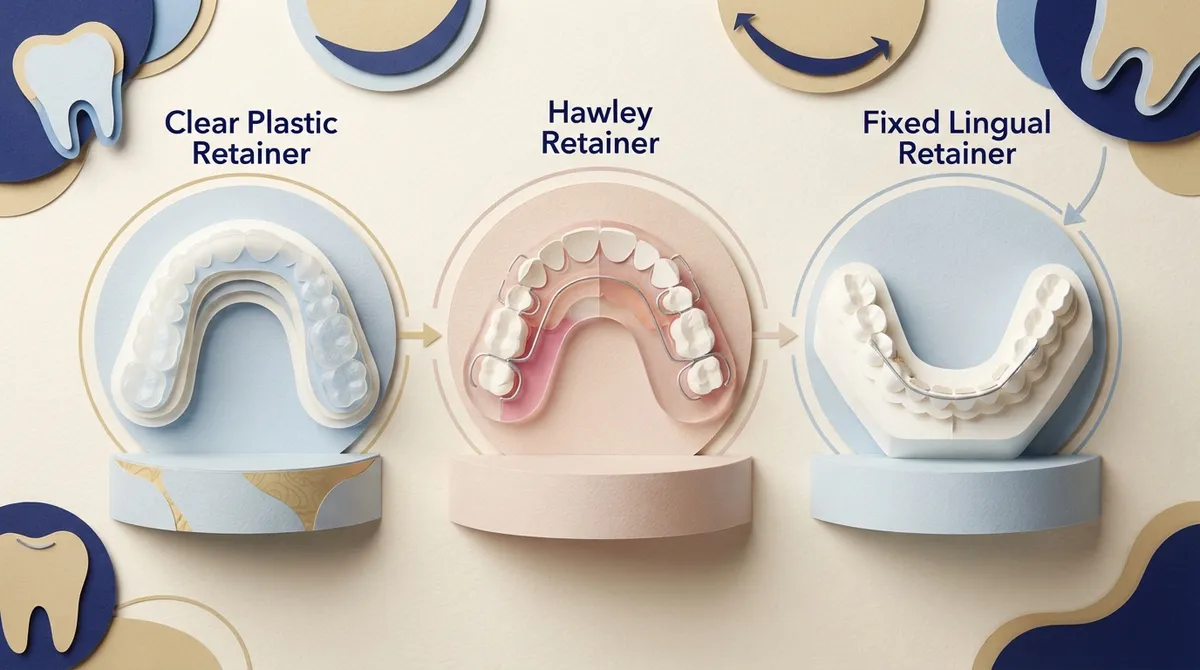
Your Retainer Options as an Adult
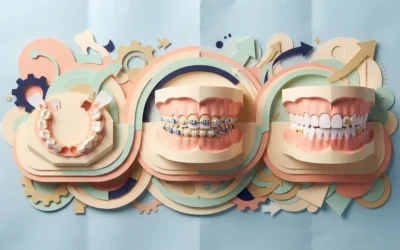
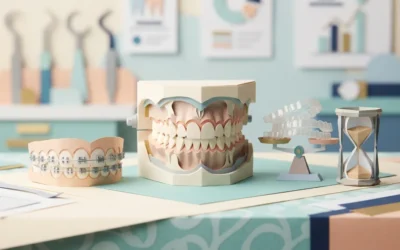
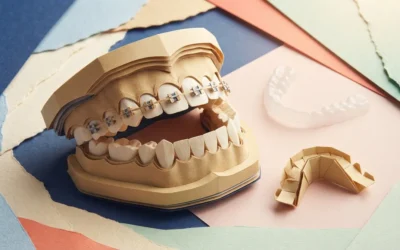
There are three main types of retainers. Some adults use just one. Others use a combination. Each has its own strengths, and your orthodontist will help you pick what fits.
Clear Removable Retainers
These are thin, clear trays made from a mold or digital scan of your teeth. They fit snugly over your teeth and are almost invisible. Many adults like them because they look discreet at work and in photos. If you want to learn more, take a look at our guide to plastic retainers or these Essix retainer tips.
Hawley Retainers
A Hawley retainer is made of acrylic and a thin metal wire. It is removable and adjustable, and it tends to be sturdy. Some people like that it can last a long time with good care. You can read more in our Hawley retainer facts.
Fixed Bonded Retainers
A fixed retainer is a thin wire bonded to the back of your teeth, usually the front ones. You cannot take it out, so you do not have to remember to wear it. That can be a big plus for busy adults. The tradeoff is that it can be trickier to clean around. Learn more in our post on the fixed bonded retainer.
Comparing Retainer Types at a Glance
Here is a simple side-by-side look. Keep in mind that your orthodontist will recommend what is best for your teeth, and many plans combine two types.
| Feature | Clear Removable | Hawley | Fixed Bonded |
|---|---|---|---|
| Visibility | Nearly invisible | Wire and acrylic visible | Hidden behind teeth |
| Removable | Yes | Yes | No |
| Depends on daily wear | Yes | Yes | No |
| Cleaning | Clean the tray daily | Clean the tray daily | Needs careful cleaning around the wire |
| Main risks | Cracking, loss, warping from heat | Loss or damage, speech feels different at first | Wire can loosen or break |
| Best for | Discreet, flexible wear | Durable, adjustable option | Steady hold without daily effort |
For a deeper comparison, check out fixed vs. removable retainers.
What the Research Says (and Does Not Say)
You might wonder which retainer is the single best. The honest answer is that no one has proven one type or one schedule is best for everyone.
A 2023 Cochrane review looked at 47 studies with 4,377 adults and children. It found low- to very-low-certainty evidence, which means researchers cannot make firm claims about which approach wins. In one study the review summarized, part-time clear retainers were linked to about 0.92 mm more lower-front-tooth irregularity than multistrand fixed retainers. The reviewers noted that this small difference may not matter much in real life.
Another 2023 review reported that part-time removable wear, around 10 hours a day, maintained results in the protocols studied. But schedules should still be set by your own orthodontist, not copied from a chart.
The takeaway? Your plan should be tailored to you. If you are curious about how the evidence compares across options, explore the best retainers to protect your smile in 2026.
How Long Do Adults Need to Wear Retainers?
This is the question we hear most. Many orthodontists recommend ongoing, often indefinite, retainer use, with the schedule changing over time. That does not mean you wear it all day forever. It usually means:
- Early phase: More frequent wear, often full-time for a few months with removable retainers. In one 2020 survey, 47.2% of orthodontists recommended 3 to 6 months of full-time wear at the start.
- Transition phase: Wear gradually shifts to nights only, as directed by your orthodontist.
- Long-term phase: A lighter schedule, with regular checks to make sure your teeth are staying put.
Notice that surveys show a lot of variety in what orthodontists recommend. That is normal. Please do not stop or change your wear based on a general schedule alone. Ask your orthodontist what is right for you. Our posts on how long you need to wear retainers after braces and why your smile may need retainers for life go into more detail.
Planning Around Your Life as an Adult
A retainer plan only works if it fits your real life. Here are a few common adult situations and how to think about them.
If You Travel or Work Long Hours
A fixed retainer can be a good fit because there is nothing to pack or forget. If you use a removable one, keep a case in your bag, your car, and your nightstand so it is never far away.
If You Have Dental Work or Gum Concerns
Crowns, bridges, implants, or gum health issues can change which retainer makes sense. Fixed retainers can make plaque and tartar harder to control, so people with gum concerns need extra care and closer checkups. Your orthodontist and dentist can work together on a plan.
If You Are Finishing Aligners
Aligner patients still need retention. Your teeth do not know the difference between braces and aligners. Learn why in why you still need retainers after Invisalign.
If You Are Retreating After Relapse
If your teeth have already moved after earlier treatment, you are far from alone. Many adults come back for a fresh look. Reading about why bottom teeth shift most without a retainer can help you understand what happened and how to prevent it next time.
How to Care for Your Retainer
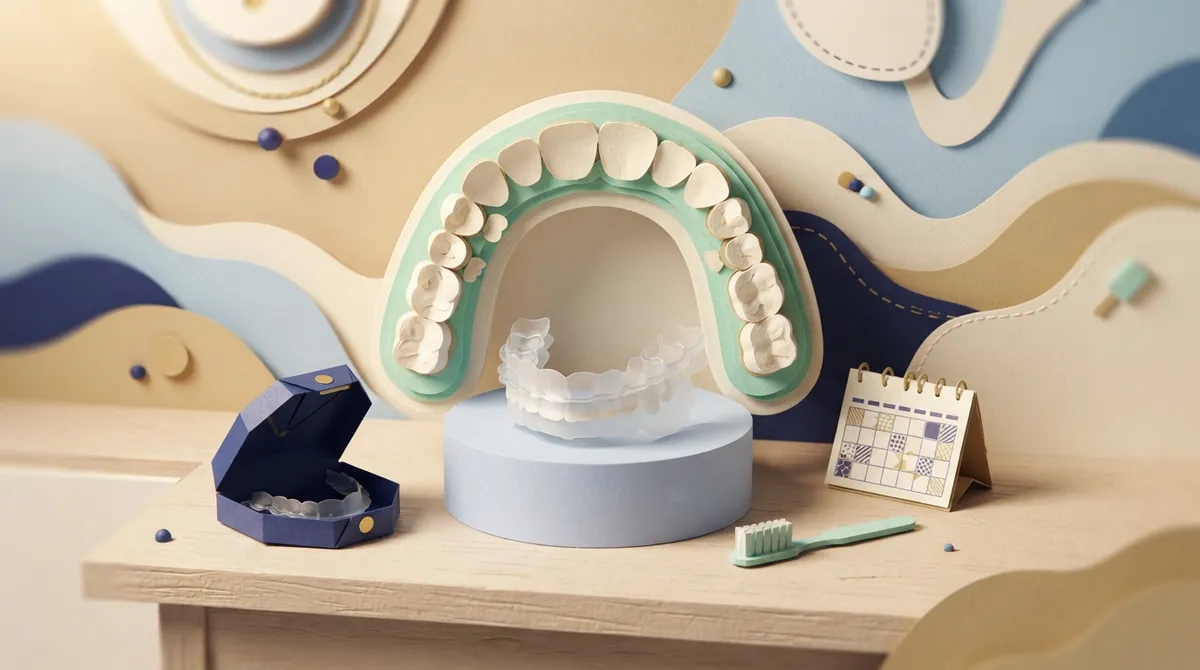
Good care keeps your retainer fitting well and your mouth healthy. Here is a simple daily routine for removable retainers:
- Rinse it every time you take it out.
- Brush it gently with a soft brush and mild soap or non-abrasive cleaner.
- Use cool or lukewarm water only. Heat can warp plastic.
- Store it in its case whenever it is out of your mouth. Never wrap it in a napkin.
- Keep it away from pets. Dogs love the smell of retainers.
For fixed retainers, focus on cleaning around the wire. Floss threaders or interdental brushes can help, and regular dental cleanings matter even more. You can find more tips in our guides on caring for your dental retainer and caring for a permanent retainer.
What to Do When a Retainer Breaks, Gets Lost, or Feels Tight
Retainers can fail. It happens to nearly everyone at some point. A loose or broken bonded wire, a cracked tray, or a retainer that no longer fits right is worth a call to your orthodontist.
Here is what to do:
- Do not force it. If a removable retainer feels tight, pushing it into place can hurt your teeth or damage the retainer. Read why you should not force an ill-fitting retainer.
- Do not self-repair. Glue and bending can cause real harm.
- Call your orthodontist quickly. The sooner you act, the less chance your teeth have to move.
- Keep the pieces. Bring any broken parts to your visit.
If it has already happened, these posts can help: smart steps when your retainer breaks and what to do if you lost your retainer.
Follow-Up Visits Are Part of the Plan
A retainer is not a set-it-and-forget-it item. Checkups are how your orthodontist makes sure everything is working. They look at how the retainer fits, whether your teeth have moved, whether a bonded wire is still firmly attached, and how healthy your gums are.
Practices vary in how often they check. In a 2017 survey, 42.0% of orthodontists reported checking fixed retainers three times during the first year, and 44.4% reported yearly checks after that. These are survey results, not rules, so follow the schedule your own orthodontist gives you.
Budgeting for Retention
Retainers are an investment in the treatment you already paid for. It helps to plan for replacements over the years, since removable retainers can wear out or get lost. Our guides on how to budget for retainer price after braces and what a teeth retainer costs in 2026 can help you prepare.
Your Retainer Planning Checklist
Use this quick list to stay on track:
- Ask your orthodontist which retainer type, or combination, fits your teeth and lifestyle.
- Get a clear written wear schedule for the first few months and beyond.
- Pick a daily routine, like wearing it right after you brush at night.
- Buy a sturdy case and keep spares in a few places.
- Learn your cleaning routine and stick with it.
- Schedule follow-up checks and keep them.
- Call right away if anything breaks, goes missing, or feels off.
Ready to Protect Your Smile?
Your smile took time, effort, and care to build. A thoughtful retainer plan helps it last. At Brockway Orthodontics in Clearwater, Florida, Dr. Brockway takes time to listen to you and build a retention plan that fits your teeth, your health, and your schedule. We use modern tools like digital impressions and 3D imaging, so your retainer is made with care and precision. You can also see what our patients say when you visit us on Google — Brockway Orthodontics.
For more general guidance on oral health, the American Dental Association is a trusted resource, and the Florida Association of Orthodontists shares helpful information about orthodontic care in our state. To learn how orthodontic retention is studied, you can also read the Cochrane review on maintaining tooth position.
Whether you just finished treatment or you are noticing changes, we would love to help. Book your free consultation online or contact our friendly team to start your personalized retainer plan today.
FAQs
Q: Do adults need to wear retainers for life?
A: Many orthodontists recommend long-term, often indefinite, retainer use because teeth can keep shifting over time. The good news is that wear usually gets lighter as time goes on. Your orthodontist will set the right schedule for you, so please check in before changing it.
Q: Which is better for adults: a clear, Hawley, or fixed retainer?
A: There is no single best option for everyone, and research has not proven one type wins across the board. The right choice depends on your bite, gum health, habits, and lifestyle. Many adults do well with a fixed retainer, a removable one, or a combination of both.
Q: Can my teeth shift if I stop wearing my retainer?
A: Yes, they can. Teeth tend to drift over time, and the lower front teeth are especially likely to move. If your retainer feels tight or no longer fits, call your orthodontist rather than forcing it on.
Q: What should I do if my retainer is broken or lost?
A: Contact your orthodontist right away. Please do not try to glue or bend it yourself, and do not force a tight retainer into place. Acting quickly gives your teeth less time to move.
Q: How often should I have my retainer checked?
A: Your orthodontist will tell you what schedule fits your plan. Practices vary, and fixed retainers often get more frequent checks in the first year. Regular visits help catch loose wires, poor fit, or small tooth movements early.
Our Service Area