Key Takeaways
-
Orthodontists evaluate the whole picture, including how upper and lower teeth meet, jaw movement, and facial symmetry, because a bite can be misaligned even when teeth look straight.
-
Key bite features checked include overbite, overjet, crossbite, open bite, crowding or spacing, midline alignment, and whether the jaw shifts sideways when closing.
-
Functional shifts matter: a crossbite with a jaw shift can affect how a child's jaw grows, so this finding often shapes timing and treatment decisions.
-
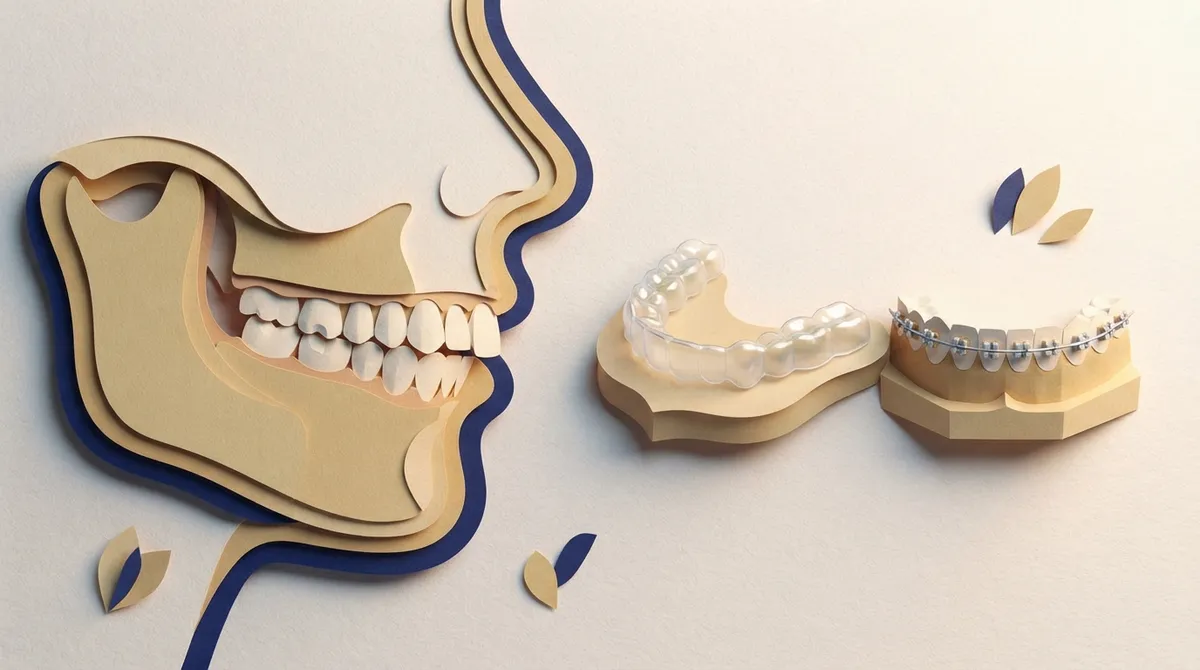
The same bite evaluation guides the choice between braces and clear aligners: braces suit complex corrections and younger patients, while aligners suit mild to moderate cases for those who will wear them consistently.
Have you ever wondered what an orthodontist is really looking at when they peek inside your mouth? It’s more than just straight teeth. A great smile starts with a bite that fits together well, and that’s exactly what happens when you learn how an orthodontist evaluates bite alignment.
Here’s the good news: the evaluation is the same no matter which treatment you end up choosing. Whether you’re leaning toward braces or clear aligners, your orthodontist starts by studying how your teeth, jaws, and face work together. Then they use that picture to help you compare your options.
In this friendly guide, we’ll walk through what the exam includes, what the common bite terms mean, and how the findings help decide between braces and clear aligners. Whether you’re a parent wondering about your child, a teen eyeing graduation photos, or an adult thinking about a fresh start, you’ll know exactly what to expect.
Why Bite Alignment Matters More Than Straight Teeth
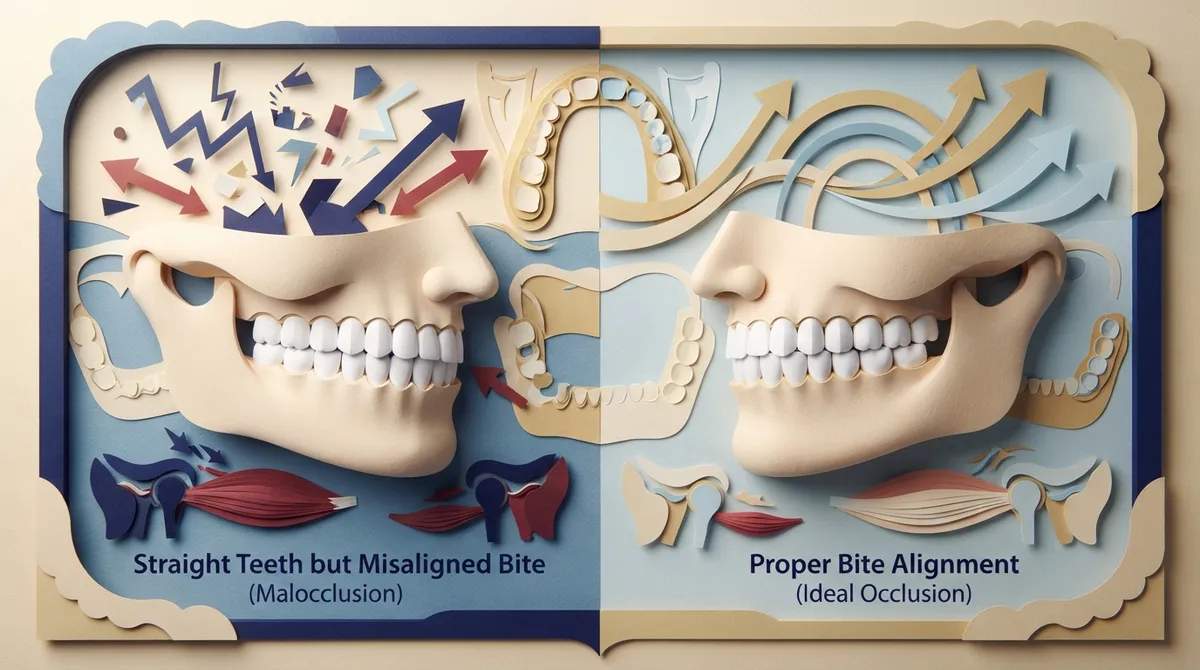
Straight teeth look great. But a healthy bite is about how your upper and lower teeth meet when you close your mouth. Your orthodontist calls this occlusion.
A bite can be misaligned even when the teeth look fairly straight. A single feature never tells the whole story. That is why a careful, full evaluation matters before anyone recommends a plan.
Bite problems are also very common. One systematic review of children and adolescents found that about 51.9% had an Angle Class I pattern, 23.8% had Class II, and 6.5% had Class III. Another worldwide review estimated that about 56% of children and teens have some form of malocclusion. Numbers vary a lot by region and by how studies define a bite problem, and not everyone with a measured trait needs treatment. Still, it shows you are far from alone.
What Happens During a Bite Evaluation?
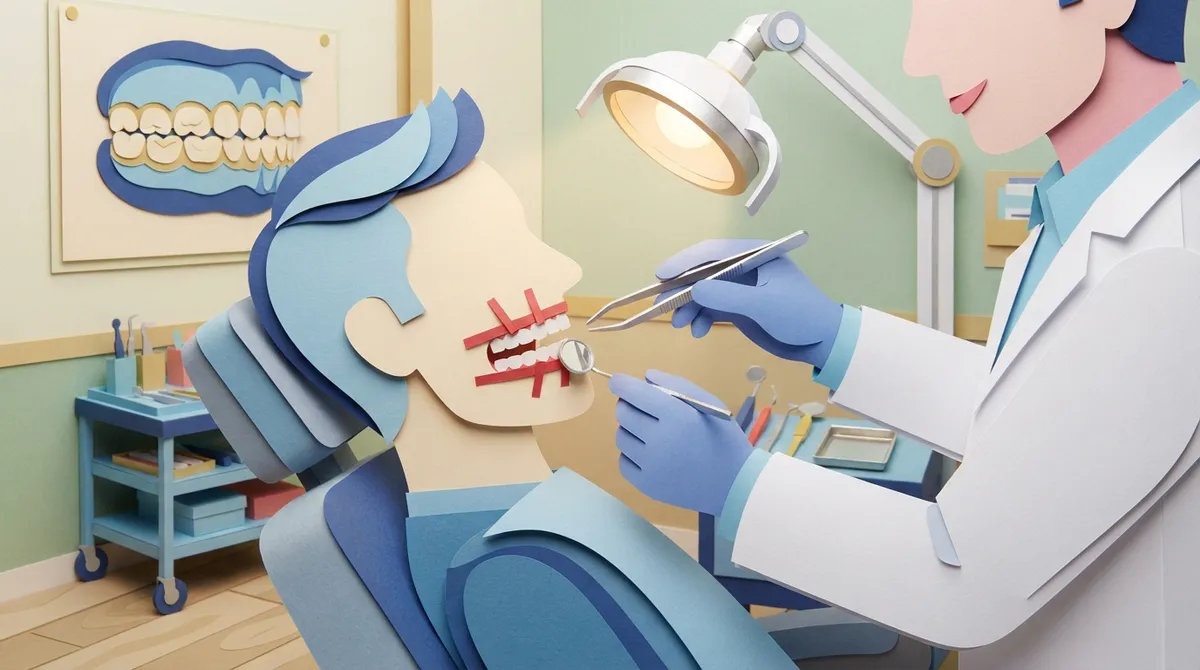
A bite evaluation is gentle, and it usually doesn’t hurt at all. Think of it as a friendly fact-finding mission. At your first visit, here is what typically happens:
- A conversation. Your orthodontist asks about your concerns, your goals, your dental history, and any symptoms such as jaw soreness or trouble chewing.
- A look at your face and jaws. They check facial symmetry, your profile, and how your jaw moves when you open and close.
- A close look at your teeth. They study how the upper and lower teeth meet, and whether your bite shifts as you close.
- Records and images. Photos, digital scans or models, and sometimes X-rays are used to see what’s happening below the surface.
- A plan and a talk. Your orthodontist explains what they found and discusses whether to monitor, treat, or refer.
You can read more about the process in our guide on what to expect during your orthodontic exam.
What an Orthodontist Looks For in Your Bite
During the exam, your orthodontist checks several specific features. Each one gives a clue about how your bite works.
- Overbite: how much the upper front teeth overlap the lower front teeth vertically.
- Overjet: how far the upper front teeth stick out horizontally past the lower ones.
- Crossbite: when some upper teeth sit inside the lower teeth instead of outside.
- Open bite: when the front or side teeth don’t touch when you close.
- Crowding or spacing: too little room, or extra gaps, between teeth.
- Dental midlines: whether the center of your upper and lower teeth line up.
- Functional shifts: whether your jaw slides to one side as you close.
Those last two matter more than you might think. A crossbite with a functional shift, for example, can affect how the jaw grows in a child. In one review, crossbite with a functional shift showed up in about 12.2% of children studied.
Want to see how one common finding is handled? Our article on how braces fix a deep overbite walks through it step by step.
Understanding Class I, Class II, and Class III Bites
You may hear your orthodontist use “Class I,” “Class II,” or “Class III.” These are called Angle classifications. They describe how your first molars line up front to back.
| Bite Class | What It Means | Common Look |
|---|---|---|
| Class I | The first molars fit together in a typical pattern | May still have crowding, gaps, or a crossbite |
| Class II | Upper molars sit forward of the lower molars | Often a larger overjet or “overbite” look |
| Class III | Lower molars sit forward of the upper molars | Often an underbite look |
Here’s the key point: these classes are a helpful label, not a full diagnosis. Someone can have a Class I molar relationship and still have crowding or a crossbite. So your orthodontist always looks at the whole picture.
The Records: Photos, Scans, and X-Rays
After the hands-on exam, your orthodontist gathers records. These help them measure what the eye can’t always see.
- Photos of your face and smile from several angles.
- Digital scans or models of your teeth, so they can study the bite in three dimensions.
- X-rays, only when needed. A panoramic X-ray shows teeth and roots. A side-view (cephalometric) X-ray helps evaluate jaw and front-tooth relationships.
Good orthodontists choose imaging to answer a specific question, not just to do it automatically. A clinical-practice guideline notes there is radiation exposure and some uncertainty about the value of routine orthodontic X-rays. So your orthodontist should explain why each image is helpful for you.
Modern tools make this easier than ever. At Brockway Orthodontics, we use digital impressions instead of messy molds and 3D imaging to plan with precision.
Braces vs. Clear Aligners: How Your Bite Findings Guide the Choice
Now for the big question. Once your bite is evaluated, which option fits best? Both work well for many people. But your bite findings help point the way.
| Bite Finding | Braces | Clear Aligners |
|---|---|---|
| Mild to moderate crowding or spacing | Works well | Often works well |
| Complex bite correction (larger front-to-back gaps) | Often a strong choice | May need extra tools or a different plan |
| Rotated or tipped teeth needing precise control | Very precise control | Possible with added attachments |
| Need for a discreet look | Ceramic (clear) braces are an option | Nearly invisible |
| Removable for eating and cleaning | No, fixed in place | Yes |
| Depends on patient wearing it consistently | Less dependent | Highly dependent |
Notice there’s no single winner. The best plan is the one that matches your bite, your age, and your lifestyle. For a deeper side-by-side, see our post on traditional braces vs. clear aligners.
When Braces May Be the Better Fit
Braces are attached to your teeth, so they work around the clock. That makes them a reliable choice for more involved bite corrections. They’re also a smart pick for younger patients who may forget to wear a removable device. Brockway Orthodontics offers both metal and ceramic braces, so you can balance strength with a more subtle look.
When Clear Aligners May Be the Better Fit
Clear aligners are nearly invisible and removable, which many teens and busy adults love. They shine for mild to moderate cases and for people who can commit to wearing them most of the day. Our Spark™ Clear Aligners are a more affordable alternative to Invisalign, and they can be a great fit when your bite evaluation supports them.
How Age and Growth Change the Evaluation
Your orthodontist doesn’t read a bite in a vacuum. They also weigh your age and stage of dental development.
- Children: Baby teeth, new adult teeth, and jaw growth all matter. Sometimes early treatment guides growth, and sometimes monitoring is enough.
- Teens: Growth is still happening, which can be helpful for many bite corrections. See our page on adolescent treatment.
- Adults: Growth is complete, so plans focus on tooth movement and gum and bone health. Learn more about adult treatment.
If you had braces years ago and your teeth have drifted, a bite evaluation can also show whether retainers or retreatment makes sense. Relapse is more common than people think, and it’s very fixable.
Does Every Bite Problem Need Treatment?
Nope! This surprises many families. Some bite differences are mild and don’t cause problems. Others are worth watching as a child grows.
Your orthodontist considers your oral health, any symptoms, and your own goals. They then recommend one of three paths: monitor, treat, or refer. If treatment makes sense, they explain the options and the risks so you can decide with confidence.
Gum health matters too. If you have periodontal concerns or complex dental needs, your plan should be customized so it protects both your smile’s function and its look.
Ready to Have Your Bite Checked?
Learning how an orthodontist evaluates bite alignment takes the mystery out of that first visit. It’s a calm, thorough, no-pressure process designed to give you clear answers.
At Brockway Orthodontics, Dr. Brockway takes time to listen to your concerns and explain everything in friendly, simple terms. Learn more about Dr. Brockway and our team. We treat the whole family, use modern digital technology, and can even offer same-day treatment in certain cases. You can also visit us on Google — Brockway Orthodontics to see what our Clearwater patients are saying.
For extra reading, the Florida Association of Orthodontists and the American Dental Association are both helpful resources for learning about oral health.
Ready for answers about your own bite? Book your appointment online and let’s take a look together. Have a question first? Contact us, and we’ll be happy to help.
FAQs
Q: What does an orthodontist look for when checking your bite?
A: They look at how your upper and lower teeth meet, including overbite, overjet, crossbite, open bite, crowding, spacing, and midlines. They also check your jaw movement and facial symmetry. It’s all about seeing the full picture, not just one feature.
Q: Do orthodontists need X-rays to evaluate bite alignment?
A: Not always! X-rays are used only when they help answer a clinical question. A panoramic X-ray can show teeth and roots, and a side-view X-ray can show jaw relationships. Your orthodontist will explain why they recommend each one.
Q: Can a bite be misaligned even if the teeth look straight?
A: Yes, it can. Straight-looking teeth may still have an overbite, crossbite, or a jaw that shifts when you close. That’s why a full bite evaluation looks beyond the surface.
Q: When should a child have an orthodontic evaluation?
A: Many families start thinking about it around age 7, when a mix of baby and adult teeth lets the orthodontist spot early bite concerns. A check-up doesn’t always mean treatment. Often it just means a friendly plan to monitor growth.
Q: Does every bite problem need braces or aligners?
A: No. Some bite differences are mild and don’t cause problems. Your orthodontist weighs your age, oral health, symptoms, and goals to recommend whether to monitor, treat, or refer.
Our Service Area