Key Takeaways
-
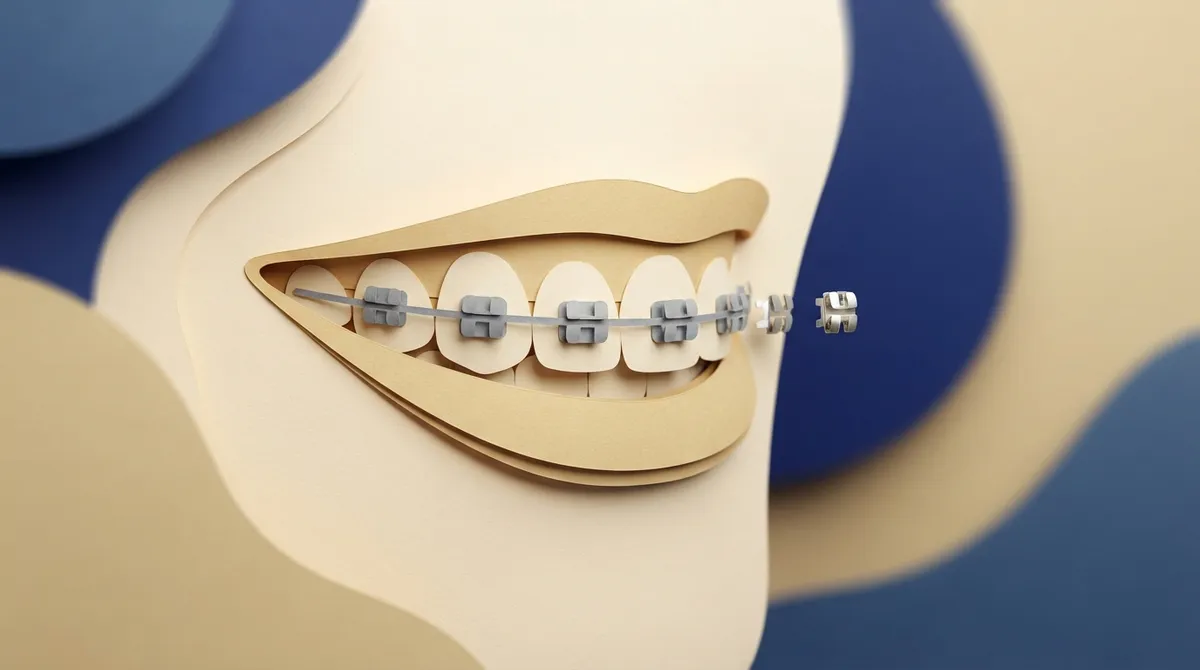
Rhodium braces are metal brackets coated with rhodium to create a matte, low-reflective finish that appears less shiny than traditional metal braces, while maintaining identical tooth-straightening function and durability.
-
Rhodium braces typically cost $4,000-$7,000 and take 12-24 months for treatment, with actual pricing and timeline depending on bite complexity, case severity, location, and insurance coverage.
-
Rhodium braces appeal most to teens, young adults, and professionals seeking a subtler metal appearance without switching to ceramic or clear aligners, while offering the same care routine as standard metal braces.
If you’ve been searching for braces that work like traditional metal braces but look a little softer and less shiny, you may have come across the term “rhodium braces.” Maybe a friend mentioned them, or you saw them online while comparing your options before a consultation. Either way, we’re glad you’re here, because understanding your choices is the first step toward a smile you’ll love. At Brockway Orthodontics in Clearwater, we believe every patient deserves clear, honest information before starting treatment.
Rhodium braces are a variation of standard metal braces. They use the same brackets and archwires you already know, but with a special coating that changes their appearance. This article will walk you through what rhodium braces actually are, how they compare to other options, what they might cost, and who tends to like them best. We’ll keep things simple and friendly, just like a conversation you’d have during your first visit with our team.
What Are Rhodium Braces?
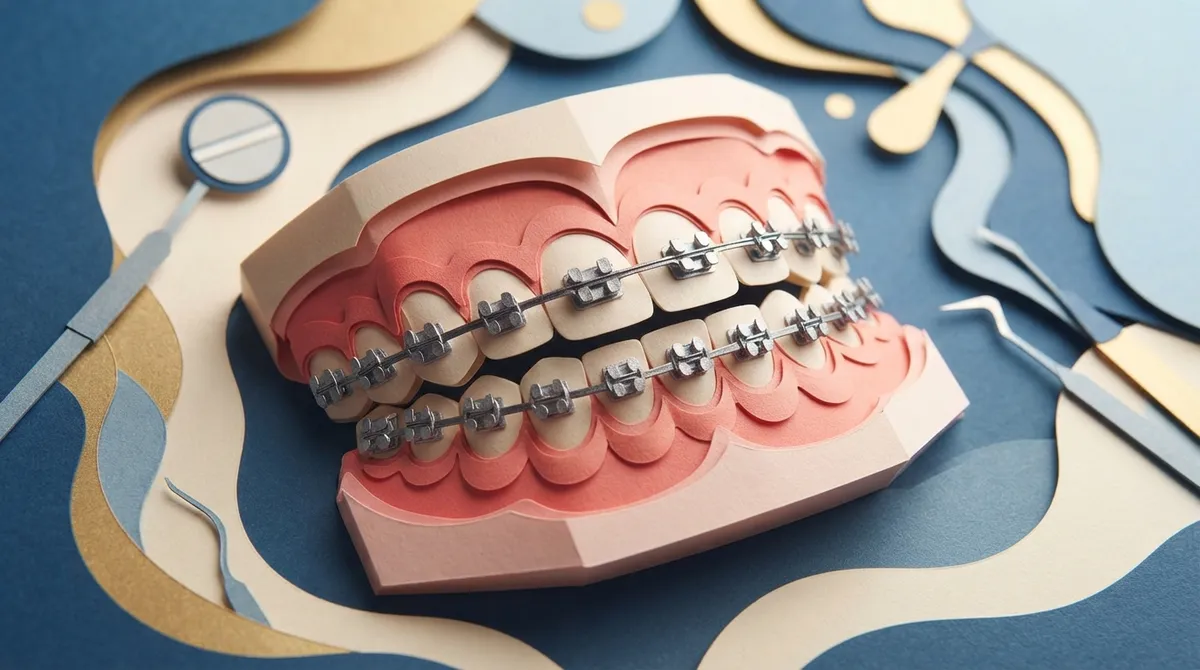
Rhodium braces are traditional metal orthodontic brackets that have been coated with rhodium, a hard, silver-white metal from the platinum family. You may already know rhodium from jewelry, where it’s often used to give white gold a bright, polished finish. In orthodontics, though, the goal is a little different.
Instead of a shiny, mirror-like surface, the rhodium coating on braces is designed to create a matte, low-reflective look. This means the brackets scatter light rather than bounce it back, so they tend to stand out less than polished stainless-steel braces. The teeth-straightening process itself doesn’t change. Your orthodontist still uses brackets and archwires to gently guide your teeth into place, just like with traditional braces.
How the Coating Works
Think of rhodium coating like a matte finish on a photograph versus a glossy one. The picture is the same, but the way light hits it looks different. That’s really what’s happening here:
- The bracket base and structure remain metal, offering the same strength and reliability.
- The rhodium layer sits on the surface, reducing glare and shine.
- The archwire still slides through the brackets to move teeth over time.
- Torque control and bracket function stay similar to standard metal braces.
- The coating is cosmetic — it does not speed up tooth movement or change your treatment plan.
Rhodium Braces vs. Other Types of Braces
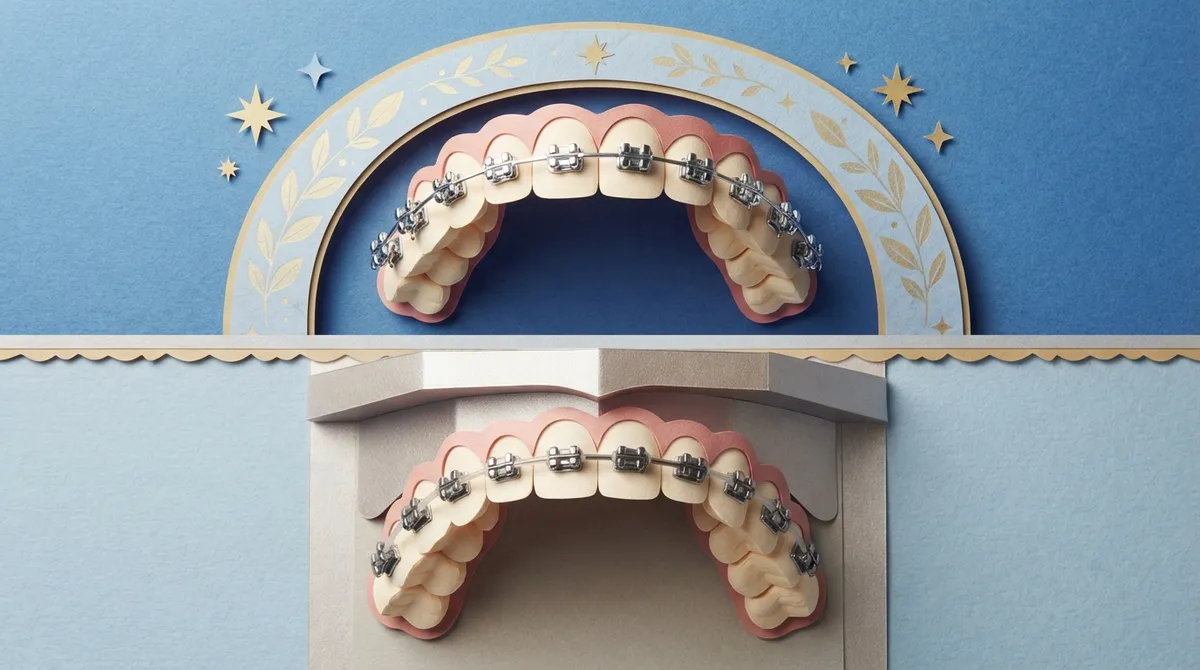
It helps to see how rhodium braces stack up against other common options. Many patients ask us this exact question during consultations, so we put together a simple comparison.
| Feature | Rhodium Braces | Traditional Metal Braces | Ceramic Braces |
|---|---|---|---|
| Material | Metal bracket with rhodium coating | Polished stainless steel | Tooth-colored or translucent ceramic |
| Appearance | Matte, low-reflective silver | Shiny, reflective silver | Blends with tooth color |
| Durability | Similar to metal braces | Very durable | Can be more prone to chipping |
| Typical Cost Range | Approximately \$4,000–\$7,000* | Often similar or slightly less | Usually higher than metal |
| Best For | Patients wanting a subtler metal look | Patients wanting maximum durability | Patients wanting a natural look |
*Cost estimates vary by practice, case complexity, and location. Always confirm pricing during your consultation.
Notice that rhodium braces aren’t the same thing as ceramic braces. Ceramic brackets are made from a completely different material designed to blend in with your teeth. Rhodium braces are still metal, just with a softer visual finish.
Why Some Patients Choose Rhodium Braces
So why would someone pick rhodium braces over standard metal ones? It usually comes down to a few key reasons:
- A more subtle appearance. The matte finish can feel less noticeable in photos and everyday conversations.
- Durability similar to metal braces. Patients who lead active lives or play sports often like the strength of metal.
- A middle-ground option. Some people want more discretion than shiny metal but aren’t ready for ceramic or clear aligners.
- Familiar technology. Since the bracket function is the same as metal braces, there’s nothing new to learn about care and adjustments.
- Confidence during treatment. Feeling good about how your braces look can make the whole process more enjoyable.
How Much Do Rhodium Braces Cost?
Cost is one of the biggest questions we hear, and it’s a fair one. Orthodontic treatment is an investment, and you deserve to know what to expect. Based on available clinic estimates, rhodium braces often fall somewhere between \$4,000 and \$7,000. This typically includes appointments, adjustments, and even retainers afterward.
That said, this range is not universal. Your actual cost depends on several factors:
- The complexity of your bite and alignment needs
- How long your treatment is expected to take
- Your geographic location and the specific practice you choose
- Whether you have dental insurance that covers orthodontics
- Any additional appliances needed alongside your braces
At Brockway Orthodontics, we walk through financing and insurance options with every patient so you can make a decision that fits your budget and your smile goals.
How Long Does Treatment Take?
Just like cost, treatment time isn’t one-size-fits-all. A clinic source cited a typical range of 12 to 24 months for rhodium braces, but please treat this as a general estimate rather than a guarantee. Your timeline depends on things like:
- How crowded or spaced your teeth are before treatment
- Whether you need to correct a bite issue, like an overbite or underbite
- Your age and how your teeth respond to movement
- How consistently you follow your orthodontist’s instructions
- Whether you keep up with regular adjustment appointments
The rhodium coating itself doesn’t make treatment faster or slower. It’s simply a cosmetic feature layered onto standard bracket technology. If you’re curious about your own estimated timeline, our guide on how long braces take offers more helpful context.
Are Rhodium Braces Right for You?
Rhodium braces can work well for many different people, but they tend to appeal most to certain groups. Here’s a quick breakdown:
| Patient Type | Why Rhodium Braces May Appeal |
|---|---|
| Teens and Young Adults | Want a modern look without fully switching to ceramic or clear aligners |
| Adult Professionals | Prefer a subtler appearance for meetings and social settings |
| Parents Choosing for Kids | Value the durability of metal braces for active children |
| Relapse Patients | Want reliable retreatment with a less flashy look |
| Health-Conscious Patients | Appreciate straightforward, well-understood bracket technology |
If you fall into one of these groups, it might be worth asking your orthodontist whether rhodium-coated brackets are available for your treatment plan. Not every practice carries every bracket type, so checking ahead of time saves you a step.
Caring for Rhodium Braces
Good news: caring for rhodium braces is just like caring for regular metal braces. You won’t need to learn a whole new routine. Still, a few habits go a long way in protecting your investment:
- Brush after meals to prevent food particles from getting stuck around brackets.
- Floss daily using a floss threader or orthodontic flosser for hard-to-reach spots.
- Avoid sticky, hard, or crunchy foods that could damage brackets or wires.
- Wear a mouthguard during sports to protect both your braces and your teeth.
- Keep up with regular adjustment appointments so your treatment stays on track.
For more detailed tips, check out our guide on how to brush your teeth with braces and keep your smile healthy throughout treatment.
What the Research Says
It’s worth noting that most information about rhodium braces comes from manufacturers and individual orthodontic practices rather than large independent studies. Claims about reduced visibility or improved comfort are reasonable based on the coating’s properties, but they haven’t been proven through wide-scale clinical research. That’s why it’s smart to talk with a trusted orthodontist who can explain what to realistically expect for your specific smile.
Organizations like the American Dental Association and the Florida Association of Orthodontists offer helpful general guidance on orthodontic care and choosing a qualified provider, which can be a great starting point as you do your research.
Why Choose Brockway Orthodontics for Your Braces Journey
Whatever type of braces you’re considering, having the right orthodontist by your side makes all the difference. Dr. Brockway takes time to listen to your goals and concerns, so you always know what’s happening at each step of treatment. Our Clearwater practice combines modern technology, like digital impressions and 3D imaging, with a warm, family-friendly atmosphere.
We proudly serve patients of all ages, from kids getting their first look at adolescent treatment to adults exploring adult treatment options like metal braces, ceramic braces, or our popular Spark™ Clear Aligners. If you’d like to see what other patients have experienced, feel free to visit us on Google — Brockway Orthodontics and read real reviews from our Clearwater community. You can also follow along with patient stories and smile transformations on our Instagram and Facebook pages.
Your Next Step Toward a Confident Smile
Choosing the right type of braces is a big decision, but you don’t have to figure it out alone. Whether you’re drawn to the subtle look of rhodium braces, curious about ceramic options, or wondering if clear aligners fit your lifestyle better, our Clearwater team is here to guide you with honest, friendly advice.
Ready to explore your options and get answers tailored to your smile? Book your free consultation online today, and let’s start planning the smile you’ve been dreaming of. If you have questions before then, don’t hesitate to reach out to our friendly team. We can’t wait to meet you!
FAQs
Q: What are rhodium braces and how do they work?
A: Rhodium braces are regular metal brackets coated with rhodium, a hard silver-white metal, to create a matte, less shiny look. They move your teeth the same way traditional metal braces do, using brackets and archwires to gently shift teeth into place over time.
Q: Are rhodium braces less noticeable than regular metal braces?
A: They can be! The rhodium coating diffuses light instead of reflecting it, so the brackets often look softer and less shiny in photos and everyday conversations. That said, they’re still metal braces, so they’re not as subtle as ceramic or clear options.
Q: What is the difference between rhodium braces and ceramic braces?
A: Great question, since these two get mixed up a lot! Rhodium braces are metal brackets with a special coating, while ceramic braces are made from tooth-colored or translucent material entirely. Ceramic tends to blend in more, but rhodium offers metal-level durability with a softer shine.
Q: How much do rhodium braces cost?
A: Based on available clinic estimates, rhodium braces typically range from about \$4,000 to \$7,000, including appointments and retainers. Your exact cost will depend on your case, location, and insurance, so it’s best to get a personalized quote during a consultation.
Q: Are rhodium braces suitable for adults and teenagers?
A: Absolutely! Rhodium braces can work well for both age groups, especially patients who want the strength of metal braces with a slightly more discreet appearance. Your orthodontist can help you decide if they’re the right fit based on your smile goals and lifestyle.
Our Service Area